


Secondary sourceSculpturec. 6th century CE
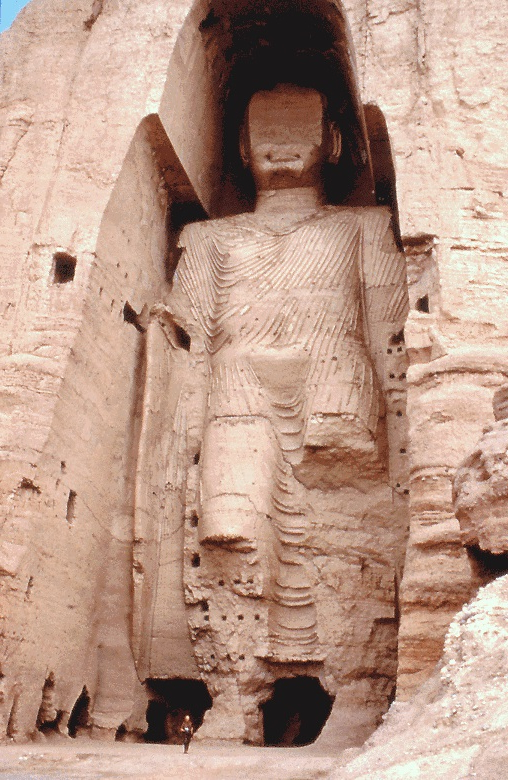
Buddhas of Bamiyan
c. 6th century CE
Two colossal rock-cut Buddha statues once carved into a cliff in Afghanistan, destroyed in 2001.
This colossal carved image made the Buddha's figure visible to travelers along the Silk Road for centuries.
About this source
What it is
The Buddhas of Bamiyan were two enormous Buddhist statues carved into a sandstone cliff in the Bamiyan Valley of what is now Afghanistan, likely around the 6th century CE. They were destroyed in 2001.
Why it matters
These colossal figures showed the Buddha's monumental image to travelers along the Silk Road, demonstrating how far and how grandly his image spread across Asia centuries after his life. Their destruction made them a symbol of the loss of cultural heritage and of conflict over religious images.
Look closer
- What does carving a figure this large into a cliff tell you about the people who made it and their resources?
- Why do you think later events led to the statues being destroyed?
- What is lost when a historical artifact like this is destroyed, compared to when it simply decays over time?
This sculpture is part of the curated material that grounds the AI version of Buddha on Humy.ai — when students ask about related events, the AI can quote it and cite it.
More Buddha sources
Meet the AI Buddha →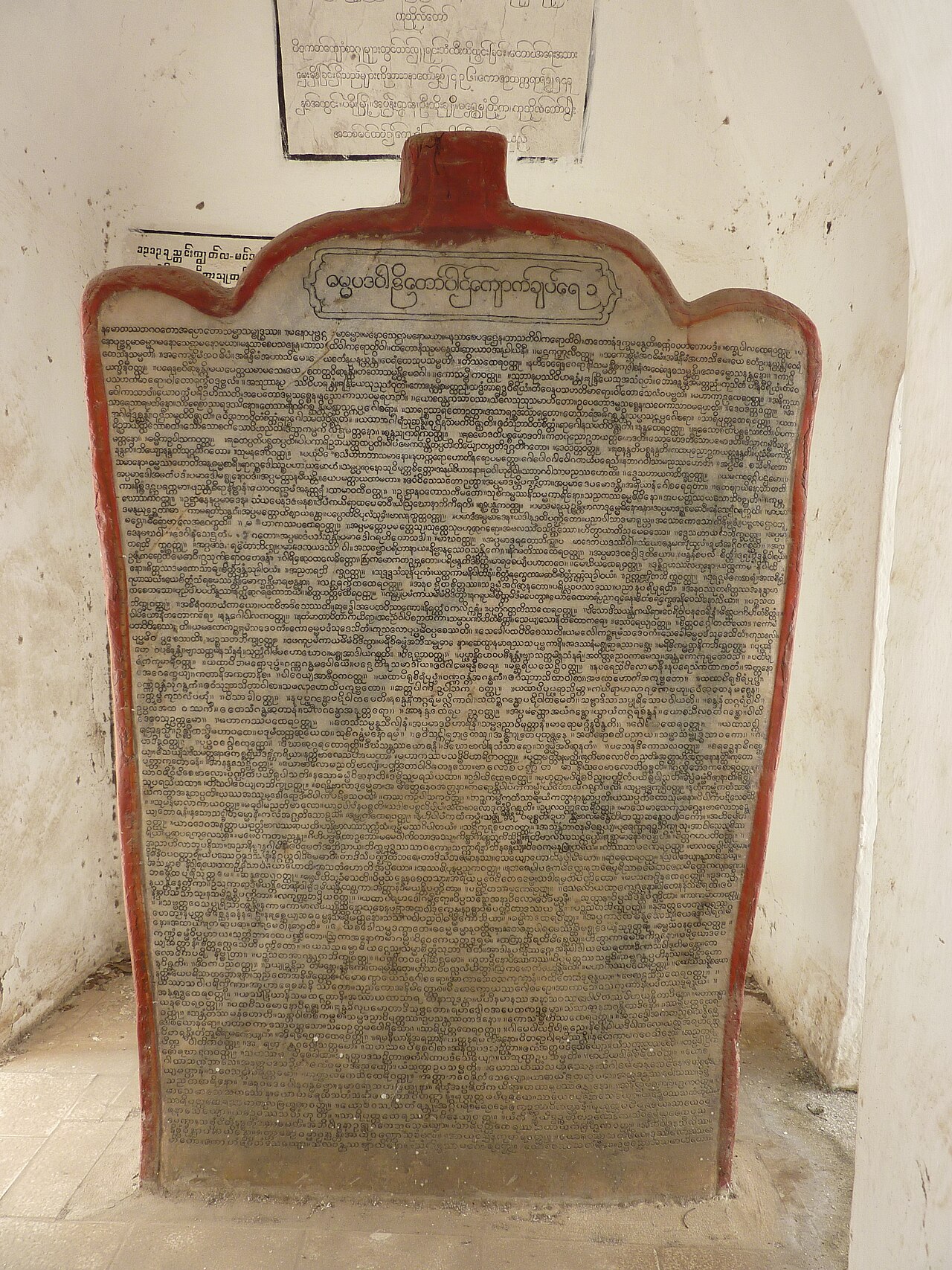 Book
Secondary source
Dhammapada
Attributed to the Buddha · c. 3rd century BCE compilation
 Painting
Secondary source
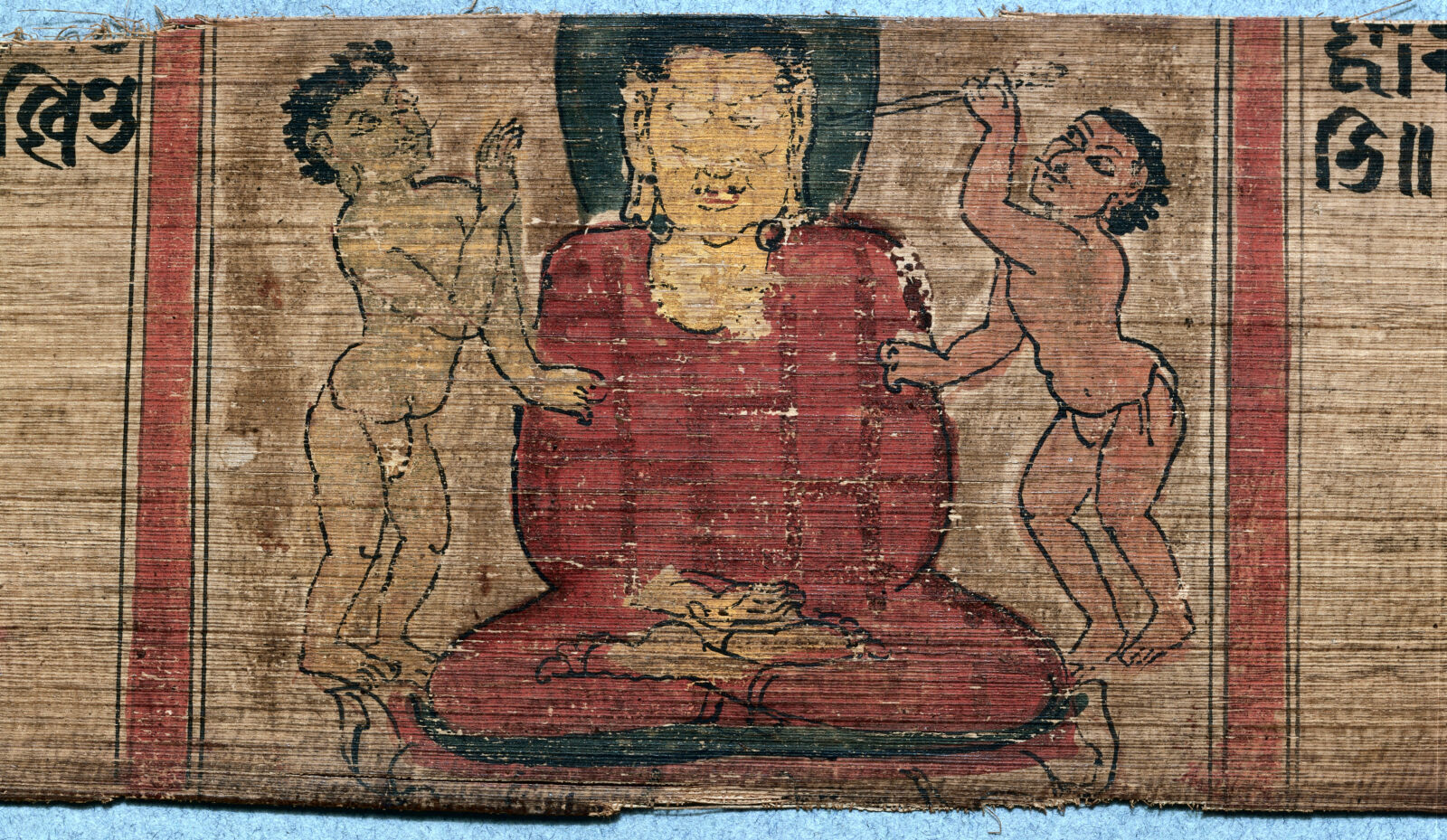
Buddha in Dhyana, Perfection of Wisdom Sutra Manuscript
1074
 Sculpture
Secondary source
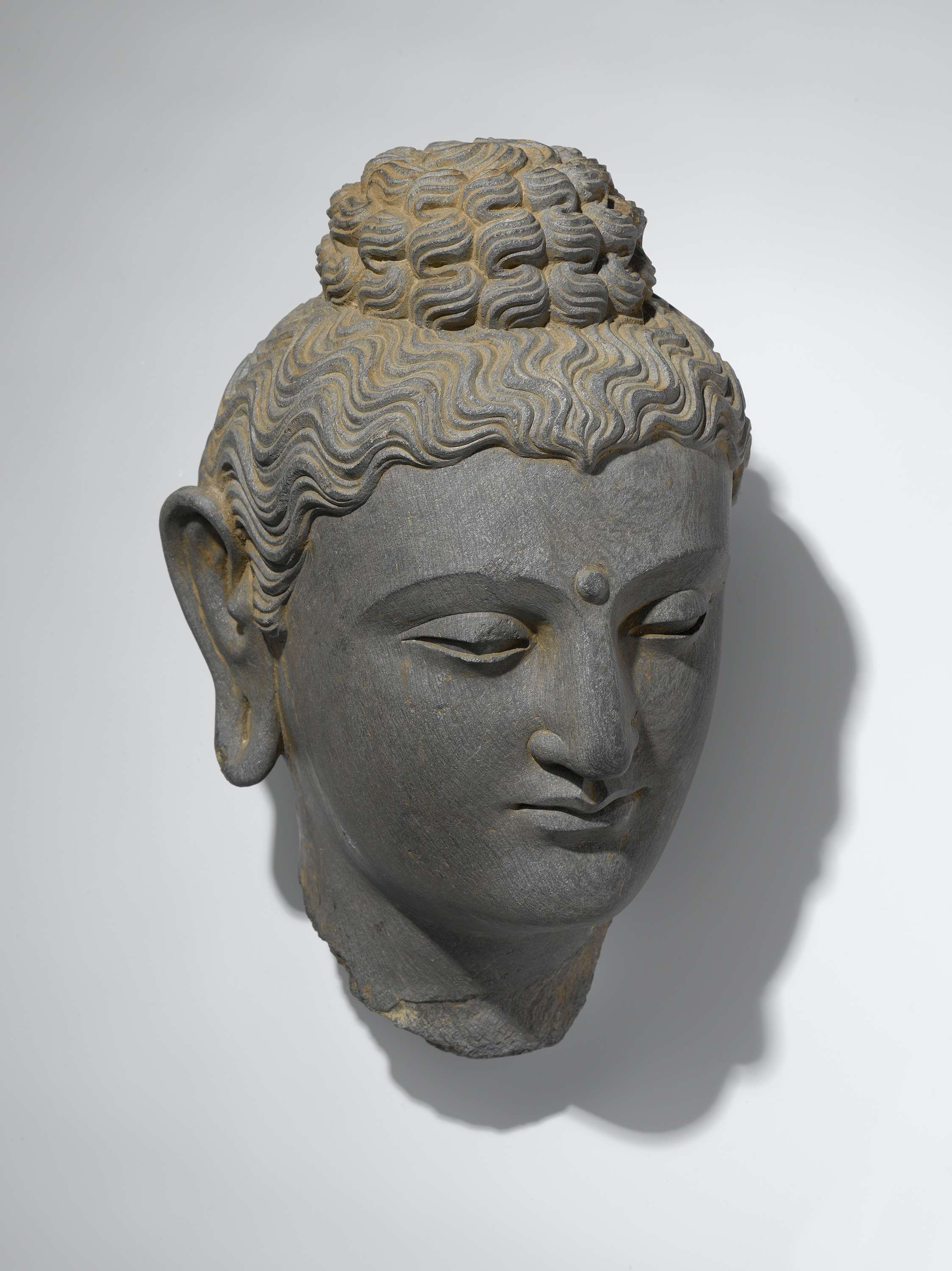
Head of the Buddha, Gandhara style
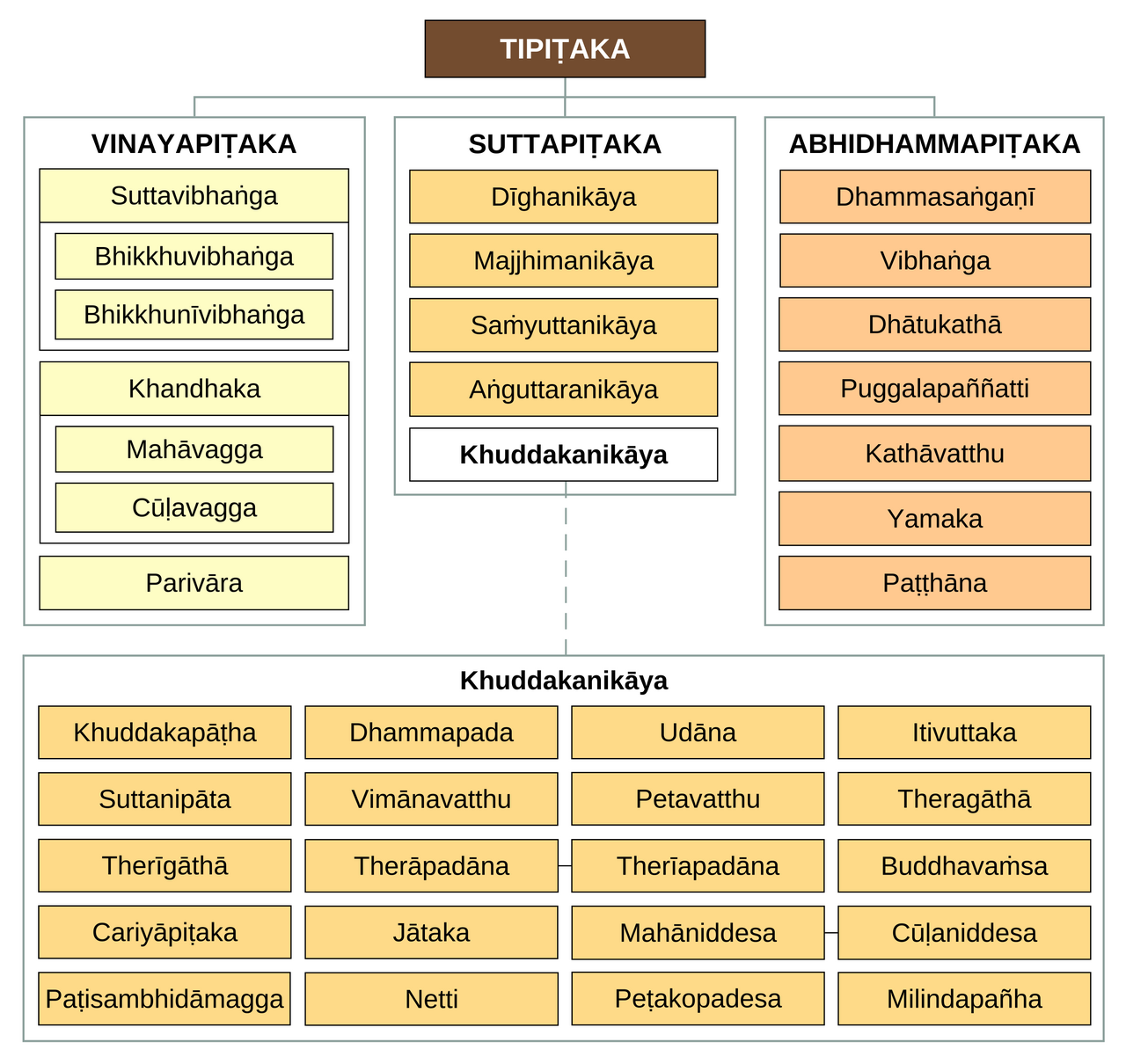 Book
Secondary source
Pali Canon (Tipitaka)
Early Buddhist sangha · oral from 5th century BCE; written c. 29 BCE
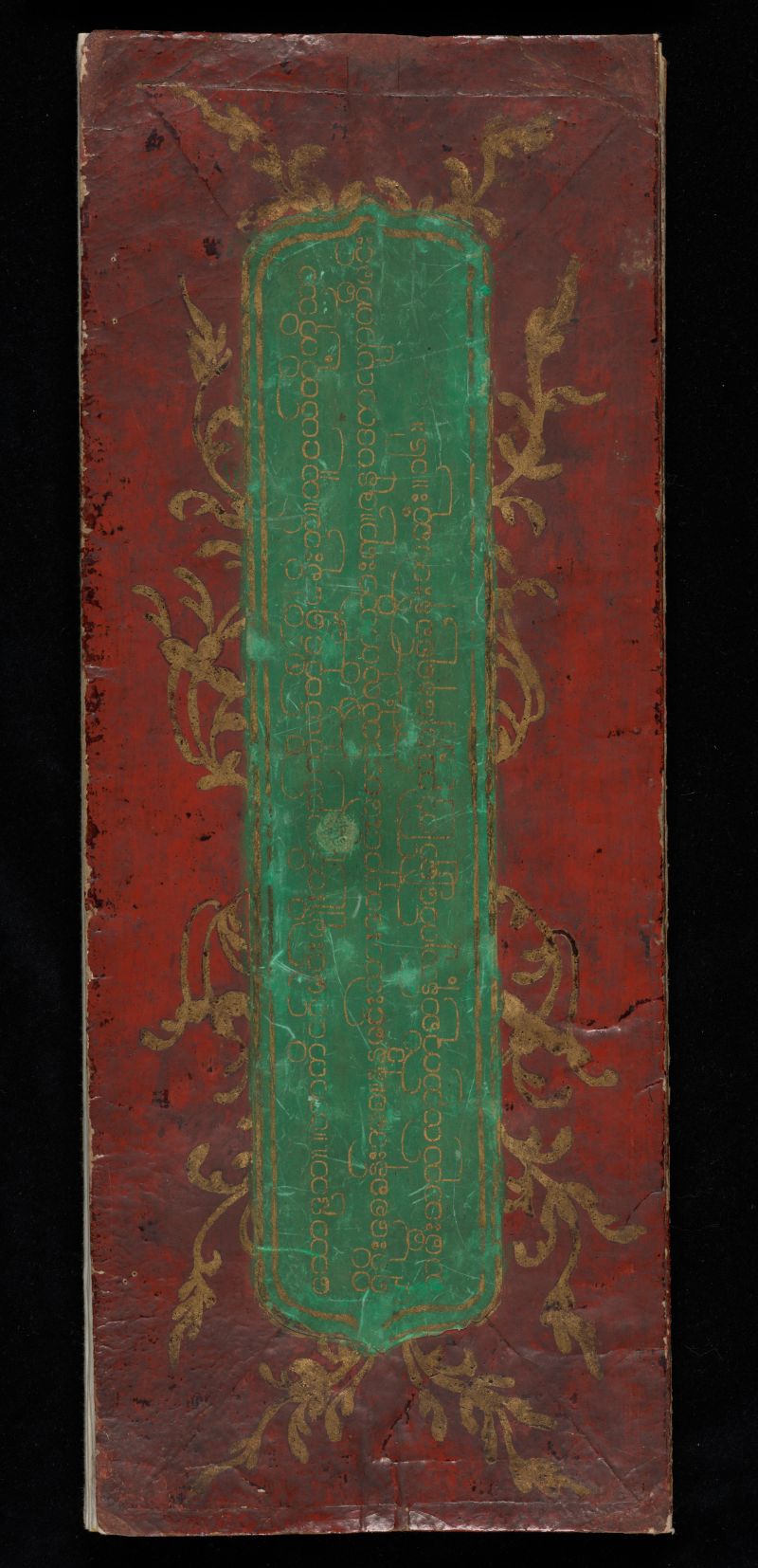 Document
Secondary source
Life of the Buddha
19th century
Ready when you are
Start chatting with Buddha now.
20 messages free · No credit card · Available in 50+ languages.