


Primary sourceSculpture26 BC
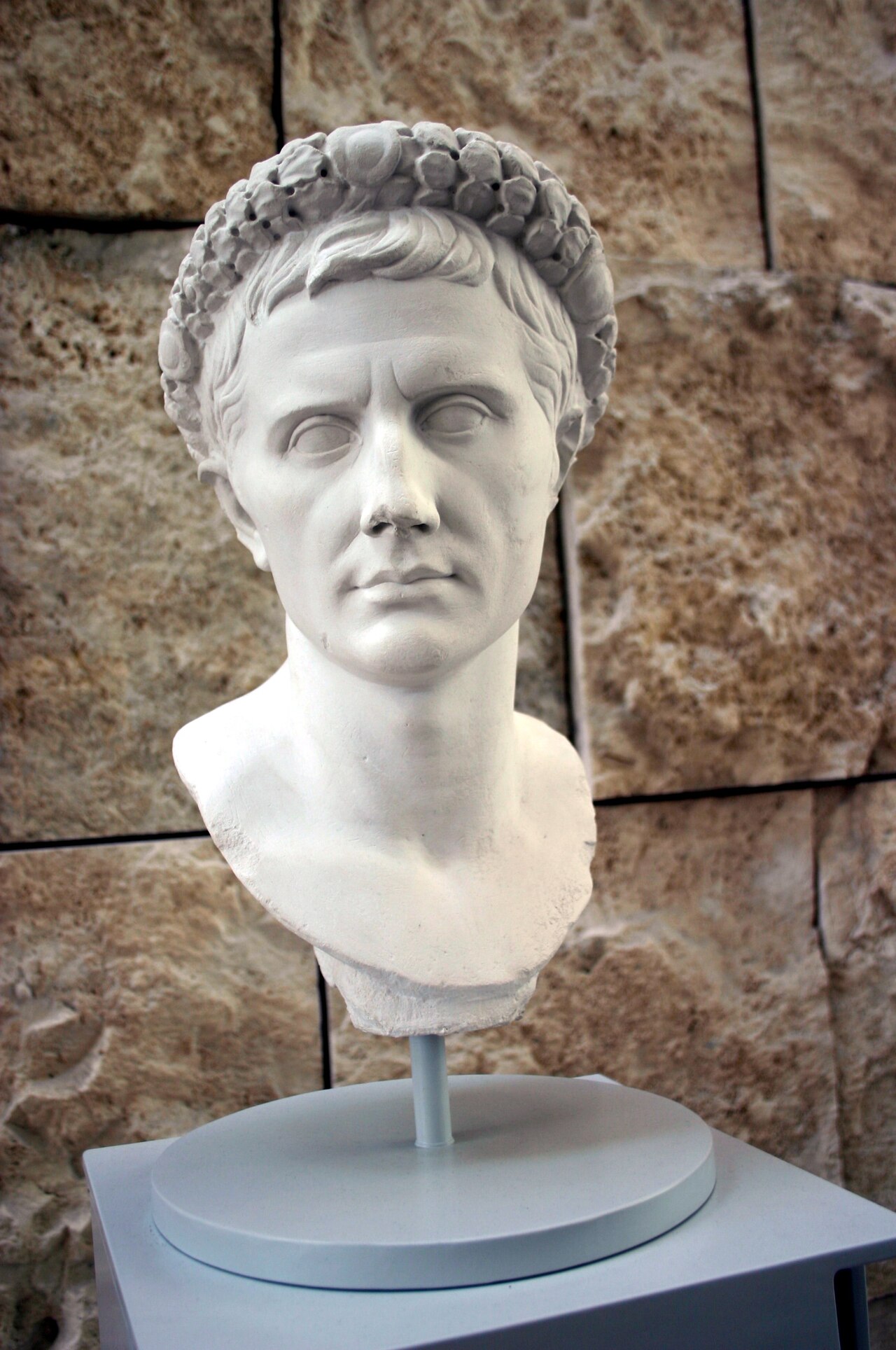
Bust of Augustus with Gemmed Crown
26 BC
A Roman marble bust portraying Augustus in an idealised, ageless style, discovered in Rome in 1889.
This idealised portrait bust shows how Augustus's image was standardised and spread as a calm, ageless ruler across the empire.
About this source
What it is
This bust depicts Augustus, first emperor of Rome, and is now displayed in the Hall of the Emperors at the Capitoline Museums. It was discovered in 1889 during excavations on the Via Merulana, where it had been reused as filler in a medieval wall, and was later identified by Carlo Ludovico Visconti.
Why it matters
The bust shows Augustus with a calm, composed expression and a wreath that may represent oak, myrtle or laurel leaves, each linked to different honours such as saving citizens' lives or his victory at Actium. Scholars group this sculpture, along with similar busts, into a recognised
This sculpture is part of the curated material that grounds the AI version of Augustus on Humy.ai — when students ask about related events, the AI can quote it and cite it.
More Augustus sources
Meet the AI Augustus →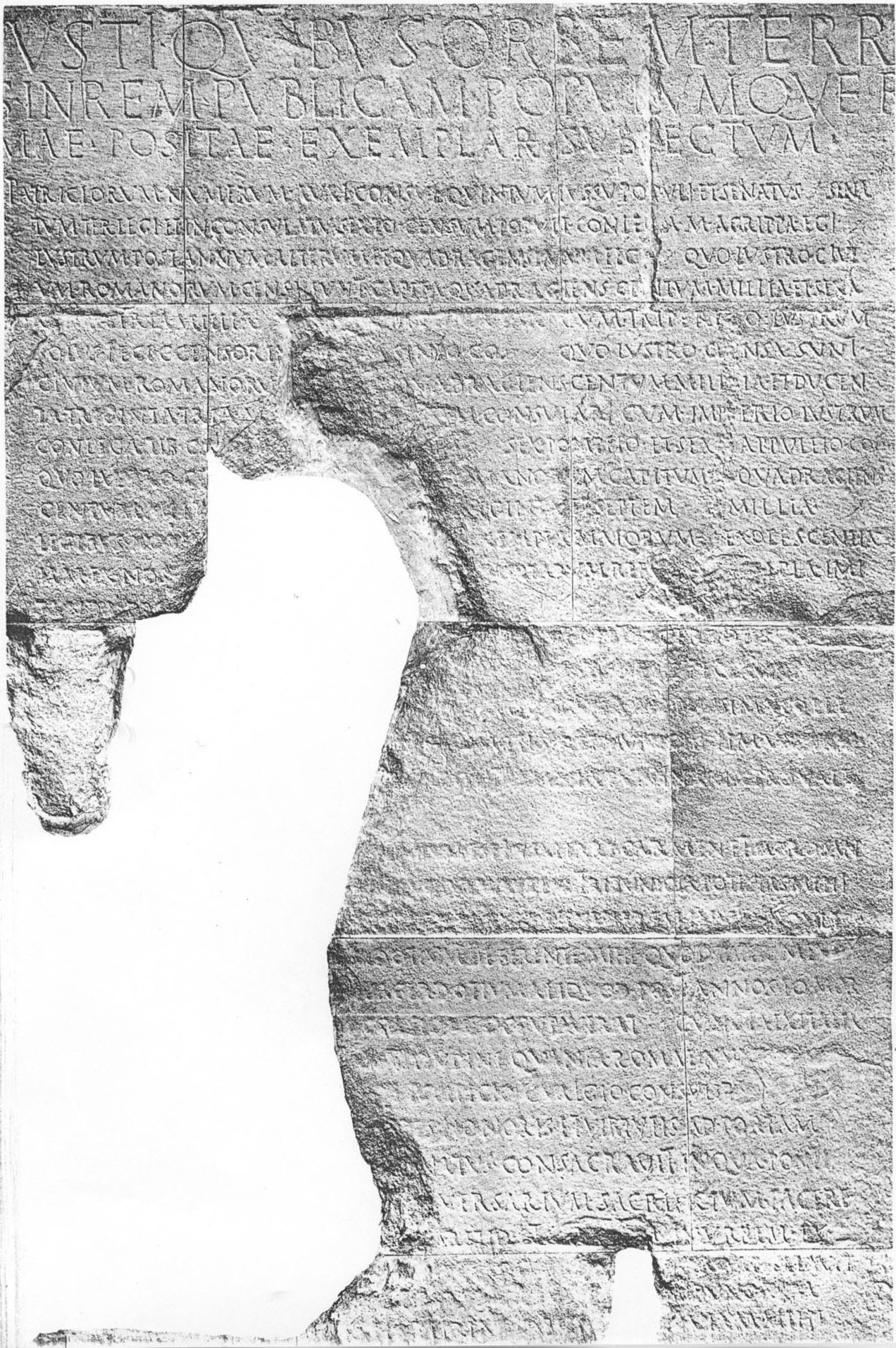 Document
Primary source
Res Gestae Divi Augusti
Augustus · 14 AD
 Painting
Secondary source
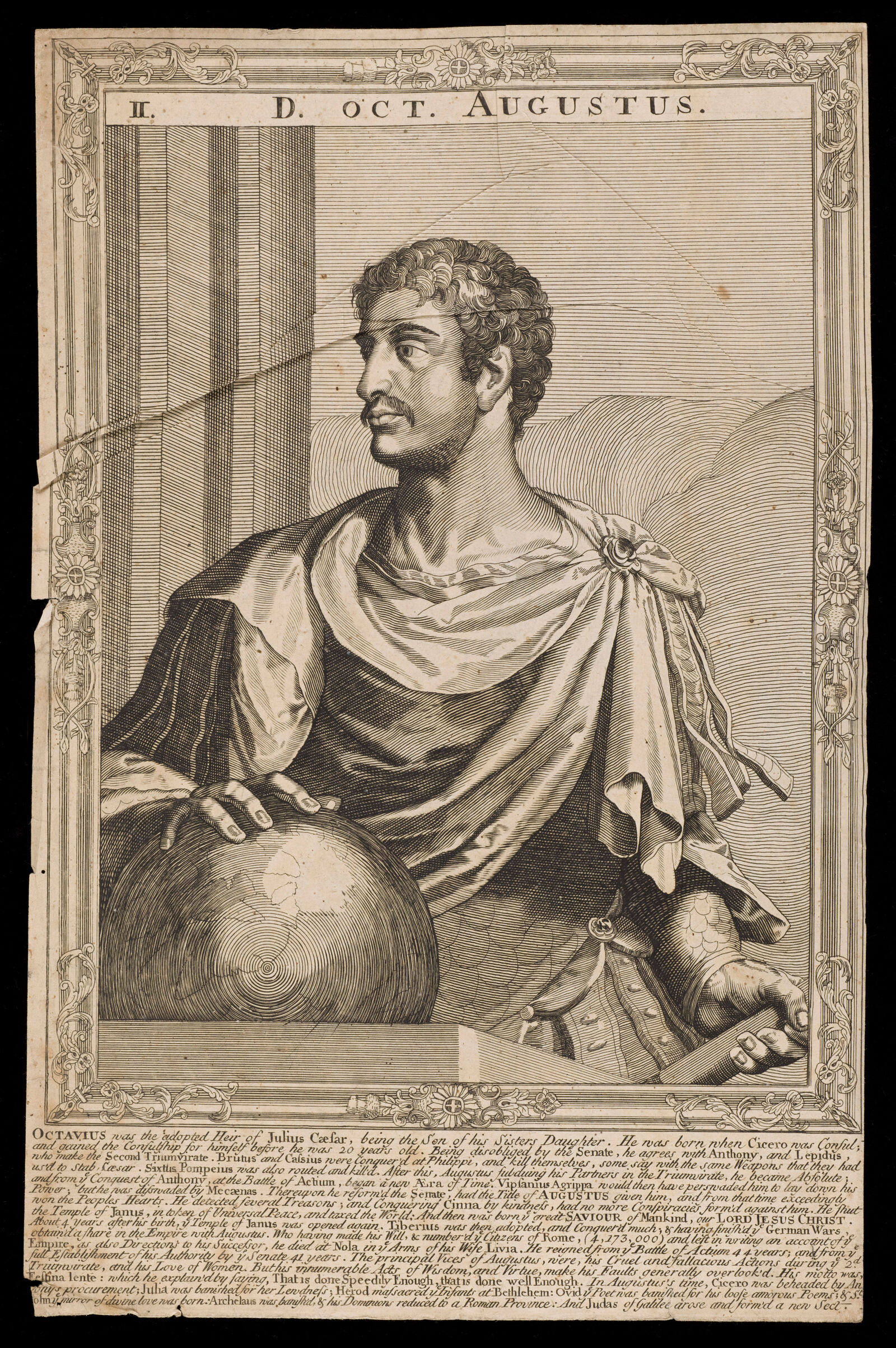
Emperor Augustus with Globe
After Titian (engraving by A. Sadeler, after Titian) · between 1700 and 1799 (possibly 17th century)
 Sculpture
Primary source
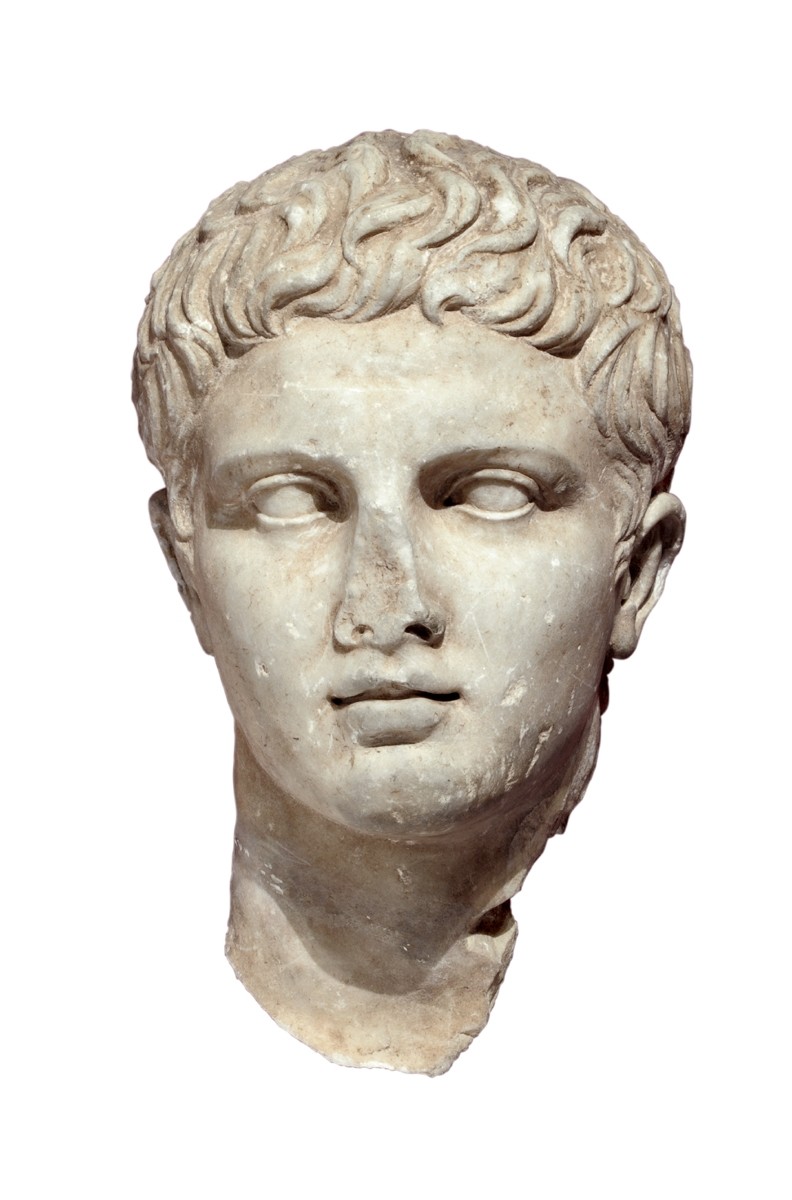
Relief Head of the Young Augustus
 Sculpture
Secondary source
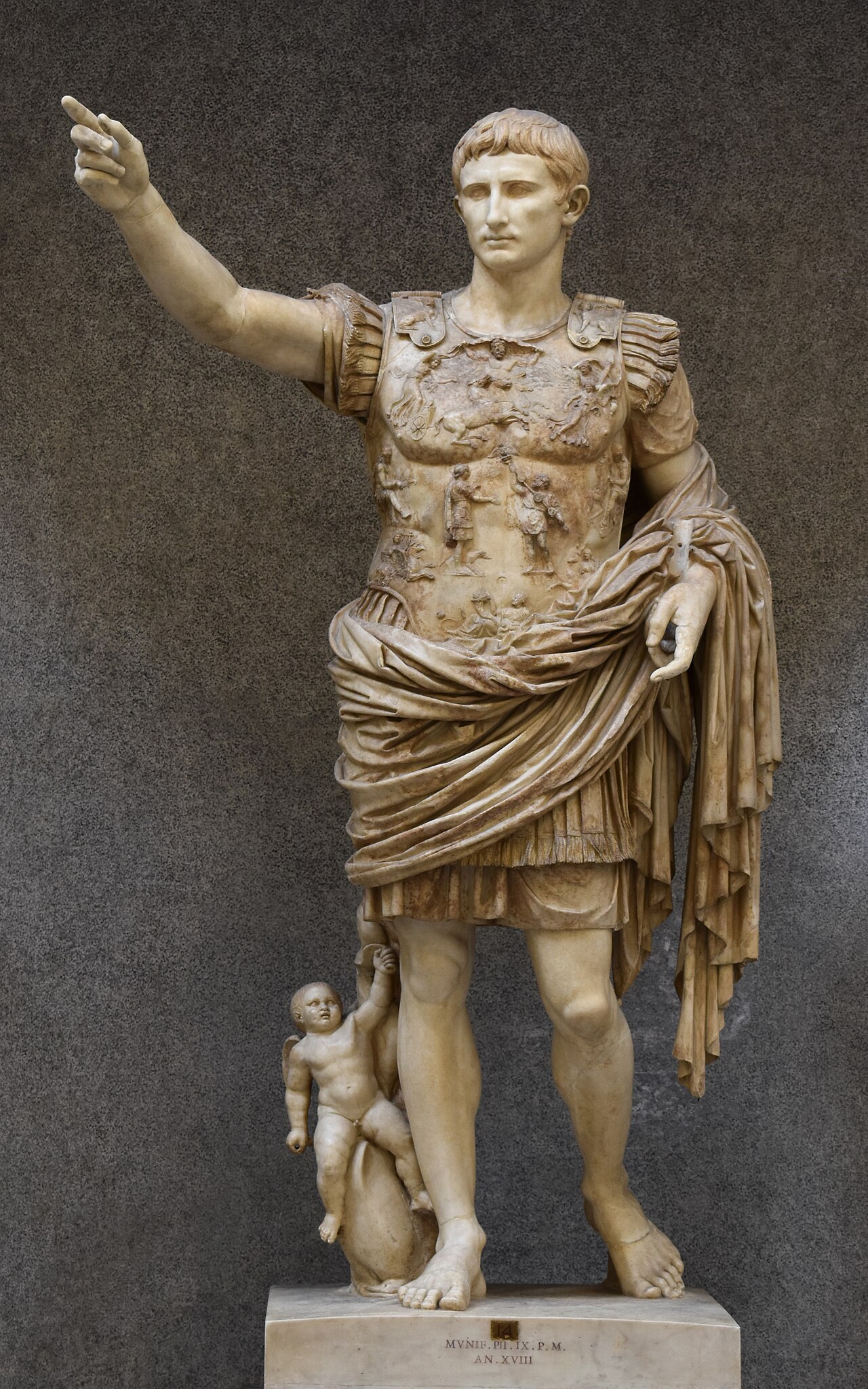
Augustus of Prima Porta
c. 19 BCE or later
 Artifact
Primary source
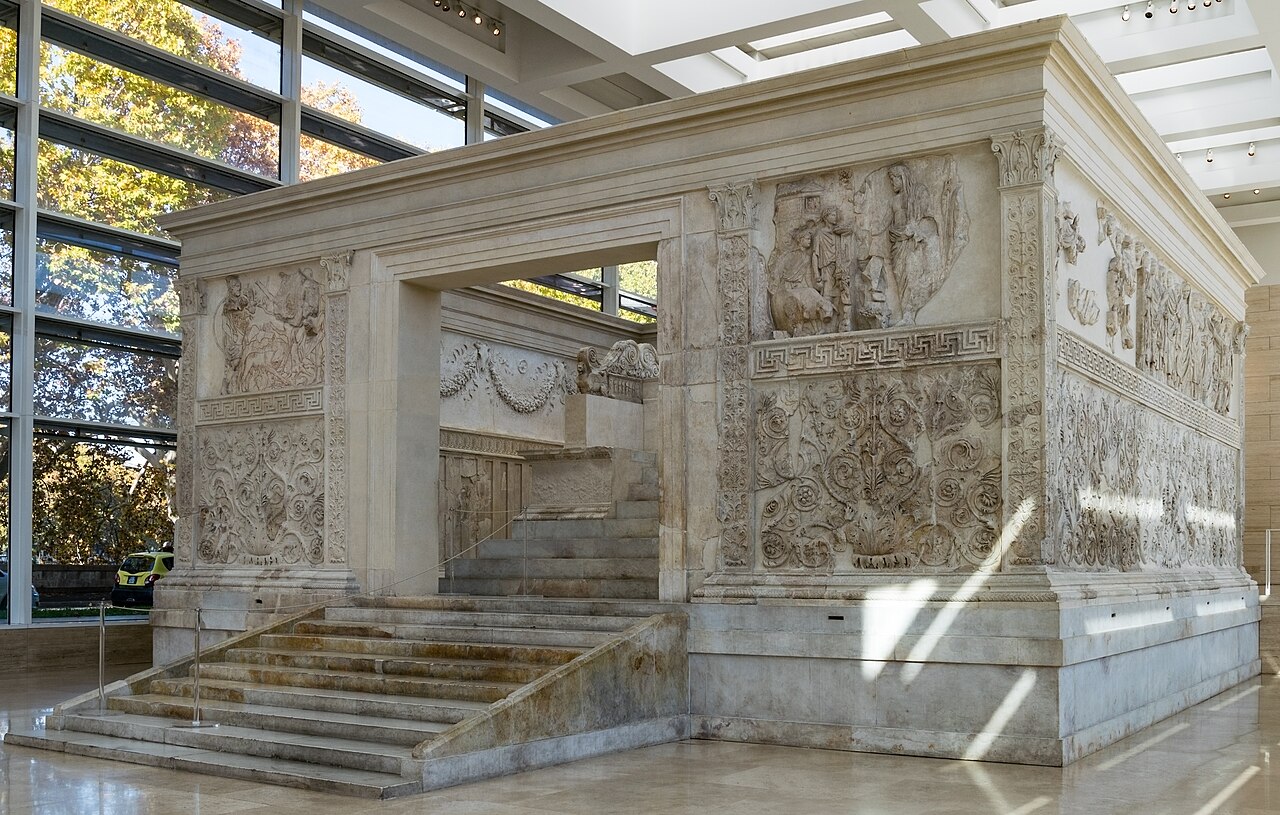
Ara Pacis
13-9 BCE
Ready when you are
Start chatting with Augustus now.
20 messages free · No credit card · Available in 50+ languages.