


Secondary sourceSculptureCirca 45 BC (uncertain, probably later)
Bust of Publius Vergilius Maro
Circa 45 BC (uncertain, probably later)
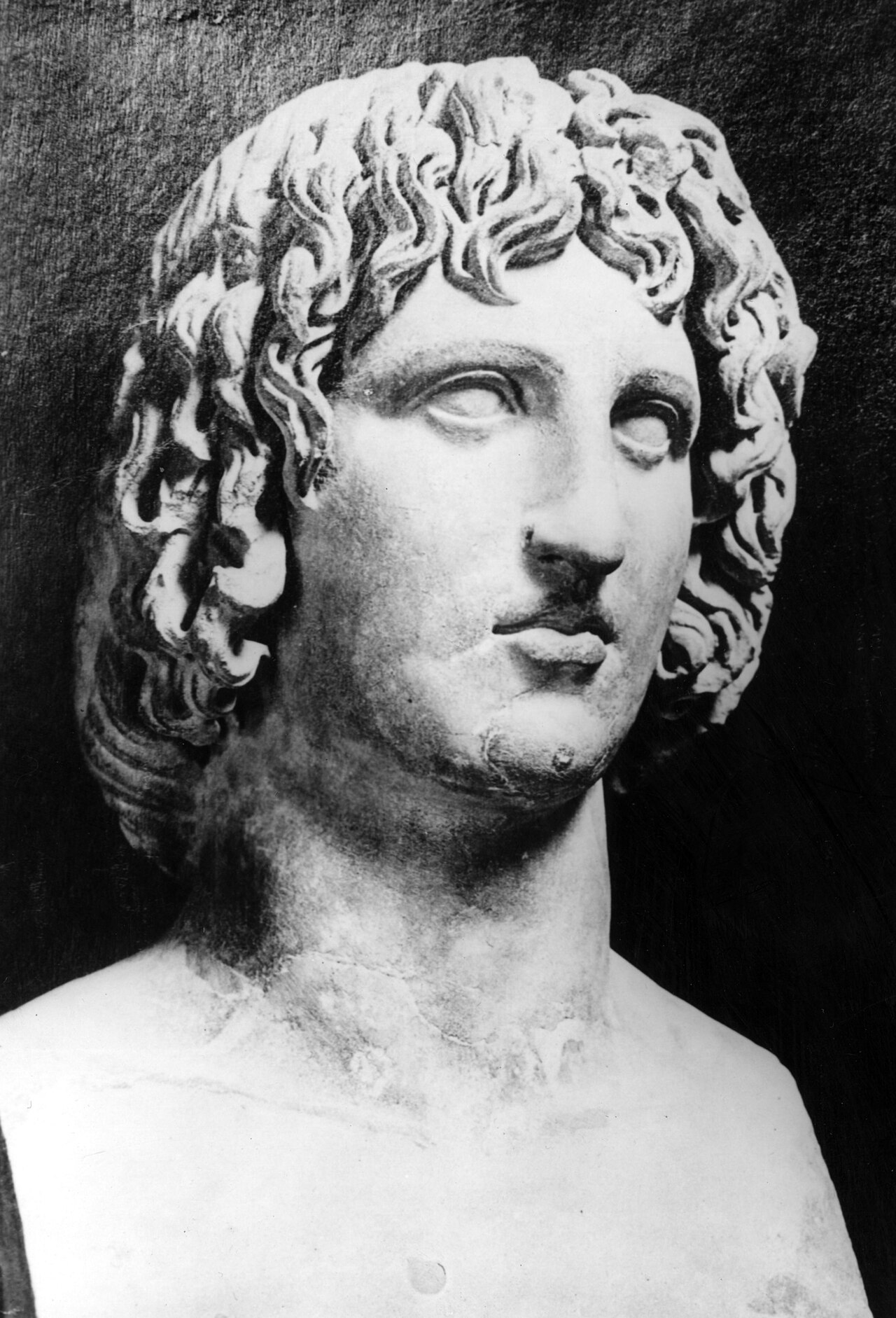
A Roman-style marble bust that is a likeness of the poet Virgil. Its date is uncertain and it is probably later than the date given in the record.
A later likeness of Virgil, showing how the poet was pictured and remembered as a famous Roman writer.
About this source
What it is
This is a Roman-style marble bust of the poet Publius Vergilius Maro, known as Virgil. The Commons record describes it as a bust of the Roman writer and poet Virgil. The record gives the date as circa 45 BC and names a Roman sculptor, but the curator notes that the date is uncertain and probably later. The photograph in the archive is black and white.
Why it matters
Portrait busts were a common way for Romans to honour writers and public figures. A likeness of Virgil shows how later people chose to picture him. Because the bust is probably not from his lifetime, it tells us more about how Virgil was remembered than about his actual face.
Look closer
- What details of hair, face and posture does the sculptor use to suggest a calm, serious poet?
- Why might people want a poet shown in the Roman style, and what does that choice say about the poet's reputation?
- What can we not know about this bust from a photograph and a catalogue record?
This sculpture is part of the curated material that grounds the AI version of Virgil on Humy.ai — when students ask about related events, the AI can quote it and cite it.
Ready when you are
Start chatting with Virgil now.
20 messages free · No credit card · Available in 50+ languages.