


Secondary sourcePainting1638
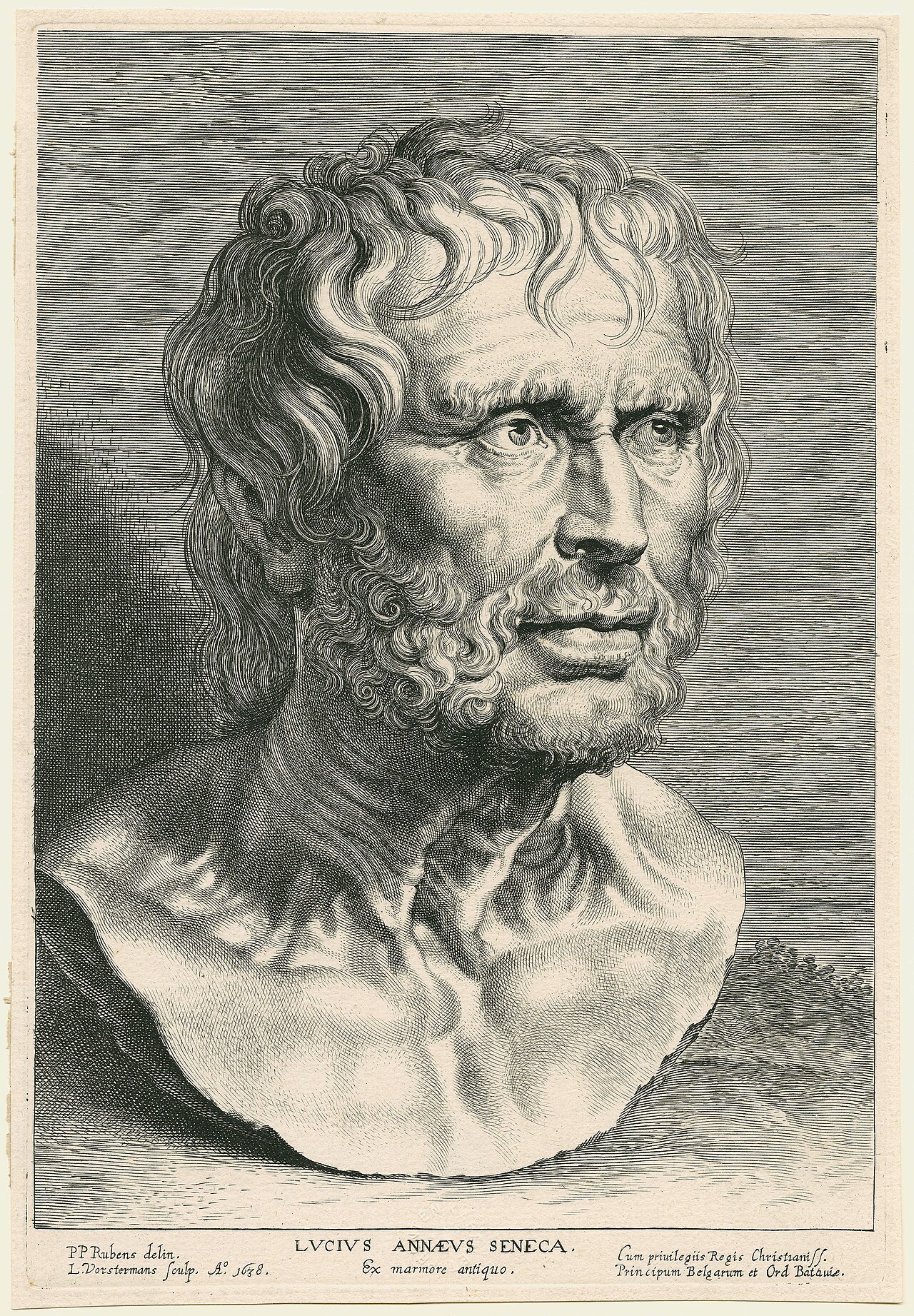
Buste van Seneca
Lucas Vorsterman the Elder · 1638
An engraving of the so-called Pseudo-Seneca bust owned by Rubens, which spread the accepted image of Seneca's face across Europe.
An engraving that spread what was long accepted as the true likeness of Seneca across Europe.
About this source
What it is
This is a 1638 engraved print made by Lucas Vorsterman the Elder, held by the Museum Plantin-Moretus. It reproduces a marble bust long believed to depict Seneca, which was owned by the painter Rubens.
Why it matters
The print helped spread a widely accepted image of Seneca's face throughout Europe, even though the identification of the original bust as Seneca has since been questioned. It shows how prints could multiply and fix an image of a historical figure for a broad audience, and how collectors like Rubens shaped ideas of antiquity.
Look closer
- What does the caption below the bust tell us about how the print wanted viewers to identify the man?
- Why might an engraving of a bust owned by a famous painter have spread so widely?
- How might the identity of a sculpture change over time, and what does that mean for images like this one?
This painting is part of the curated material that grounds the AI version of Seneca on Humy.ai — when students ask about related events, the AI can quote it and cite it.
More Seneca sources
Meet the AI Seneca →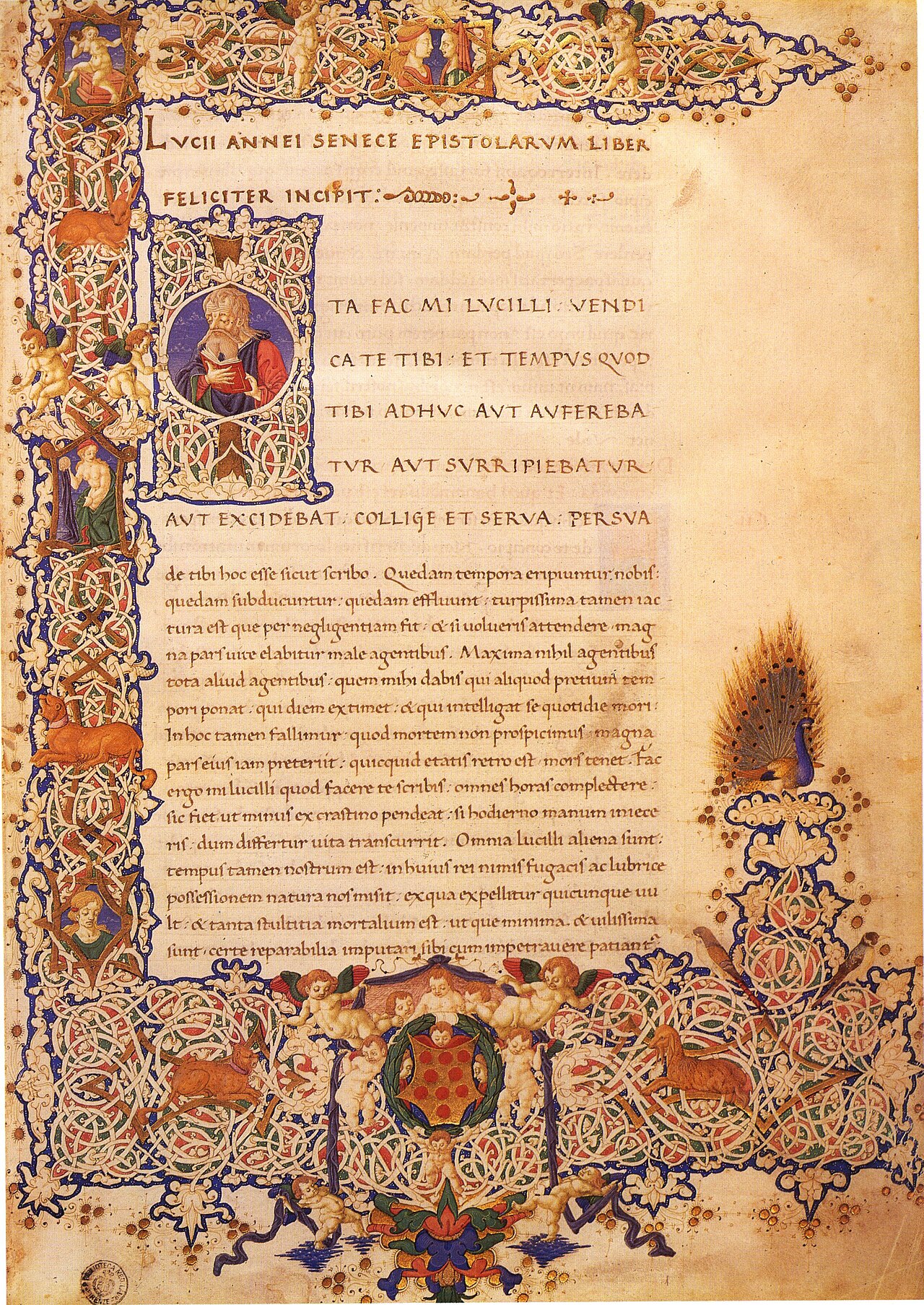 Letter
Primary source
Epistulae Morales ad Lucilium
Seneca · c. 62-65 CE
 Book
Primary source
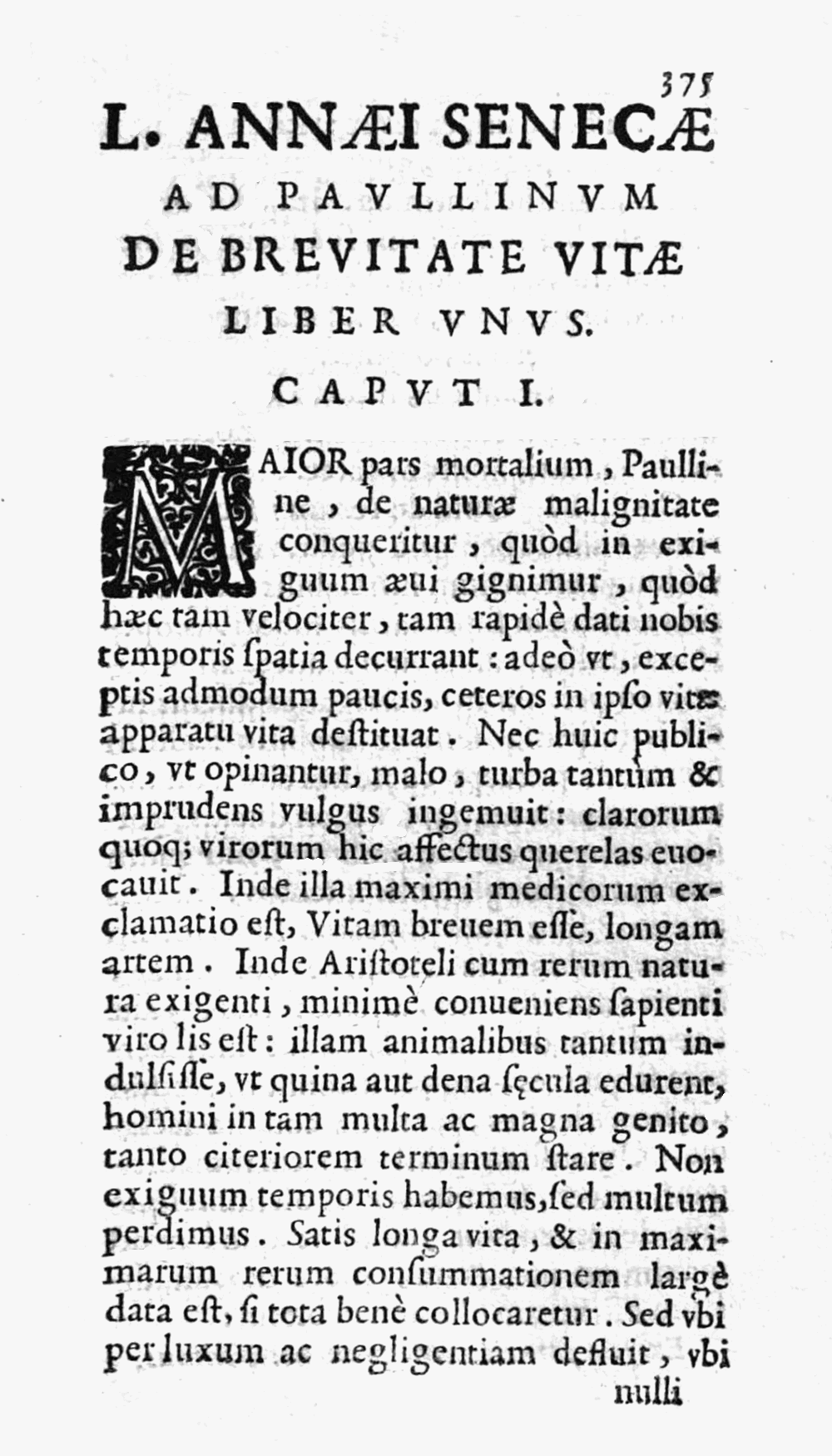
De Brevitate Vitae
Seneca · c. 49 CE
 Book
Secondary source
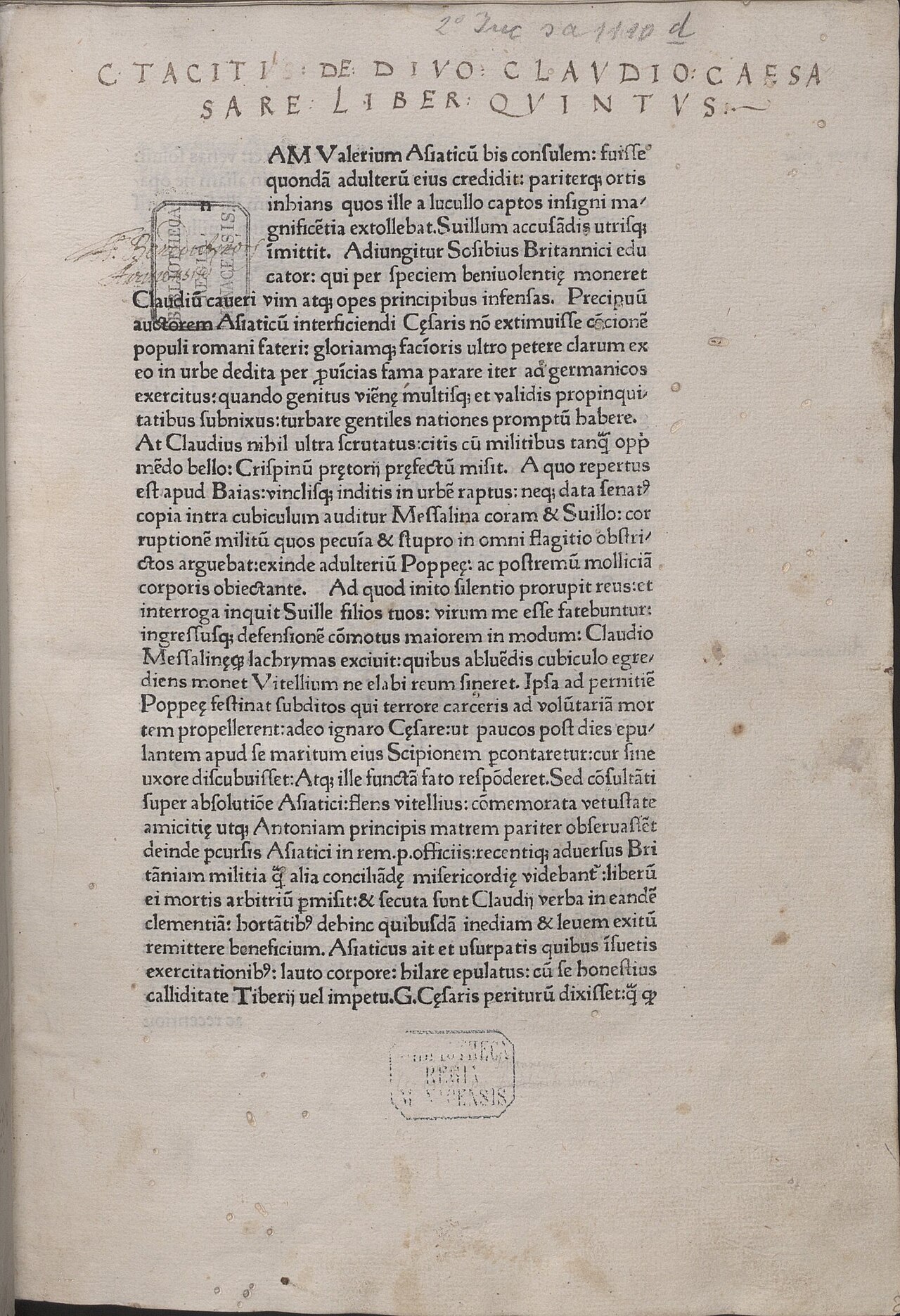
Annals
Tacitus · c. AD 116 or later
 Book
Primary source
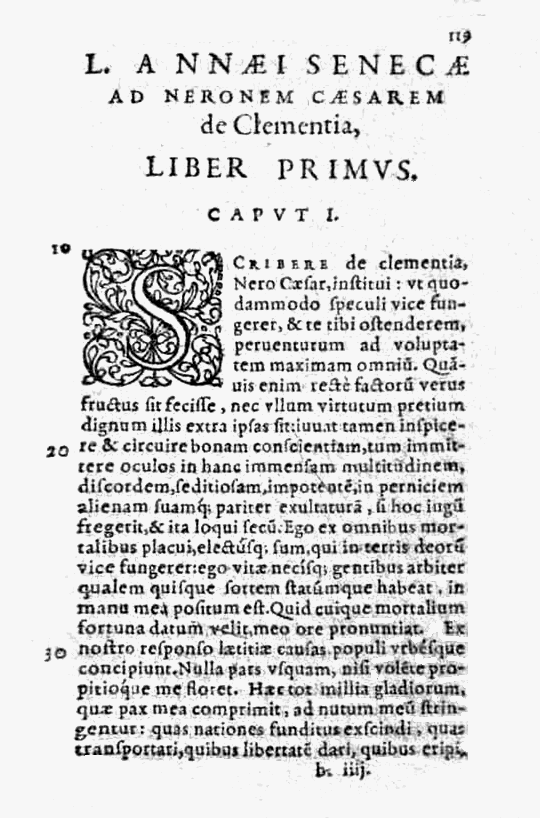
De Clementia
Seneca · 55-56 CE
 Sculpture
Secondary source
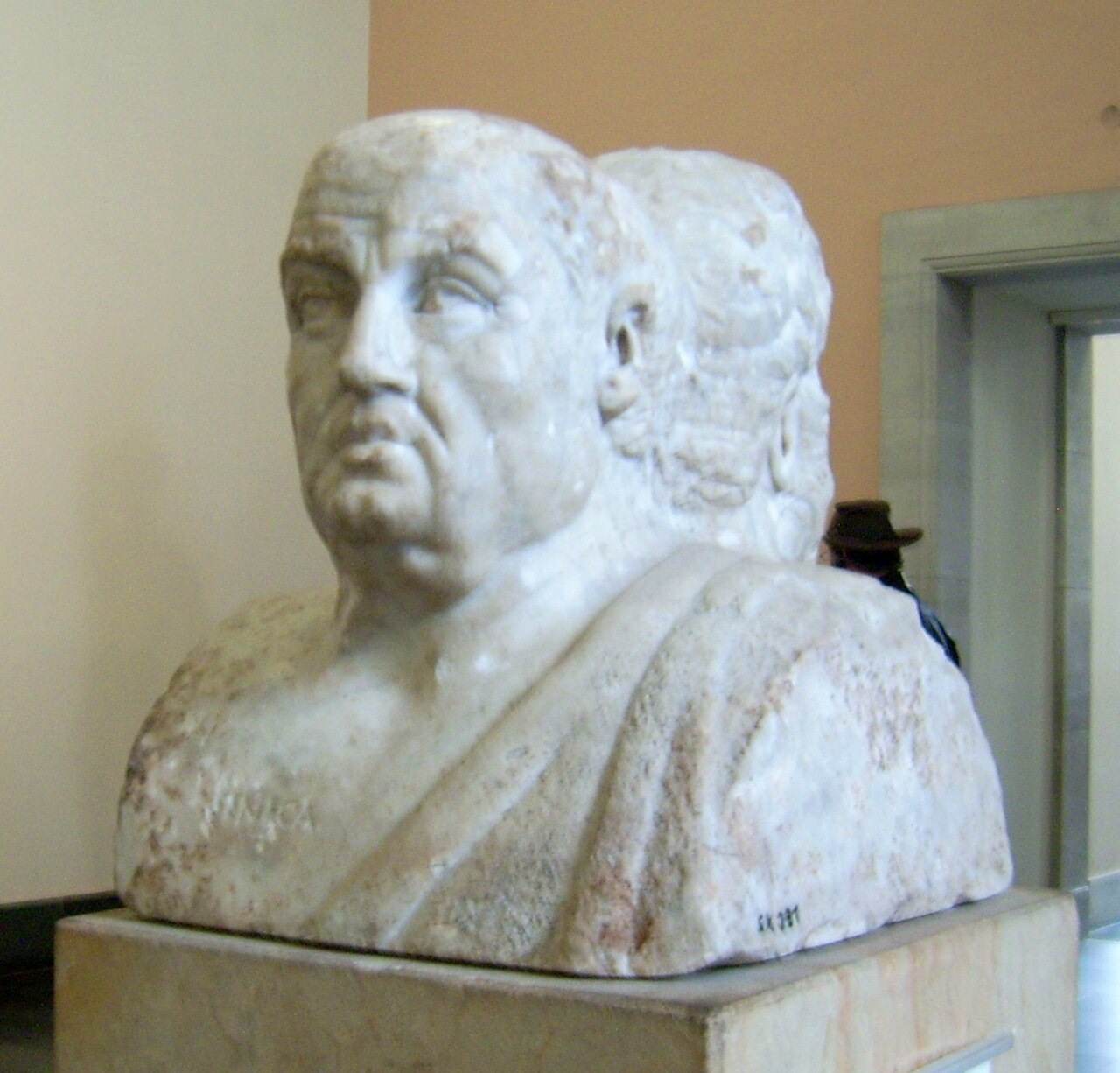
Double Herm of Socrates and Seneca
first half of the 3rd century AD
Ready when you are
Start chatting with Seneca now.
20 messages free · No credit card · Available in 50+ languages.