


Primary sourceDocument669-627 BCE
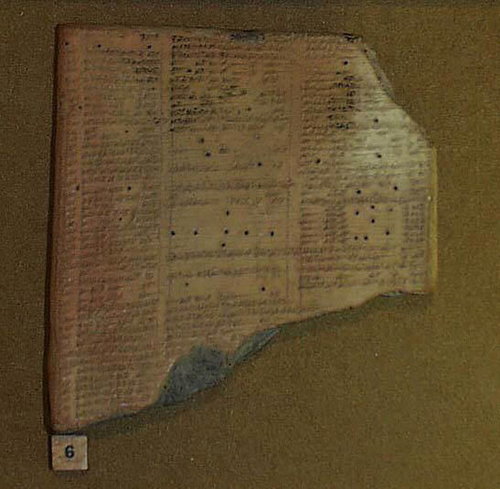
Celestial Omen Tablet from Ashurbanipal's Library at Nineveh
669-627 BCE
A cuneiform tablet from Ashurbanipal's library, recording omens based on the moon and stars.
This tablet was part of Ashurbanipal's library, reflecting his patronage of astrological scholarship.
About this source
What it is
This clay tablet comes from the library King Ashurbanipal assembled at Nineveh. Its text describes appearances of the moon god Sin and other celestial bodies, along with the predictions drawn from them. It is likely a commentary on the large astrological omen series Enuma Anu Enlil, which included over ninety tablets. The tablet is held today by the National Museum of Antiquities.
Why it matters
This object shows how seriously Assyrian kings took astrology and omens as tools for understanding and ruling their world. Ashurbanipal's library collected such texts on a huge scale, giving modern scholars insight into Mesopotamian science, religion and government.
Look closer
- What does the detailed, careful script tell you about how valuable this knowledge was considered?
- Why might a king want scholars to track the sky so closely?
- What is missing from this record about how ordinary people understood the stars?
This document is part of the curated material that grounds the AI version of Ashurbanipal on Humy.ai — when students ask about related events, the AI can quote it and cite it.
More Ashurbanipal sources
Meet the AI Ashurbanipal →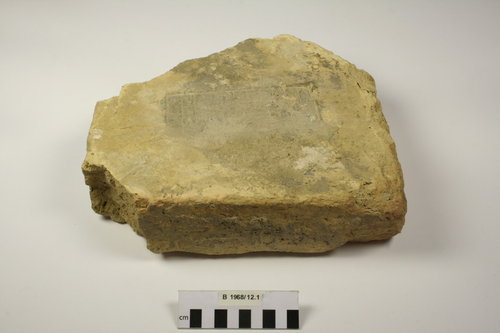 Artifact
Primary source
Baked Brick Naming King Ashurbanipal
7th century BCE
 Sculpture
Primary source
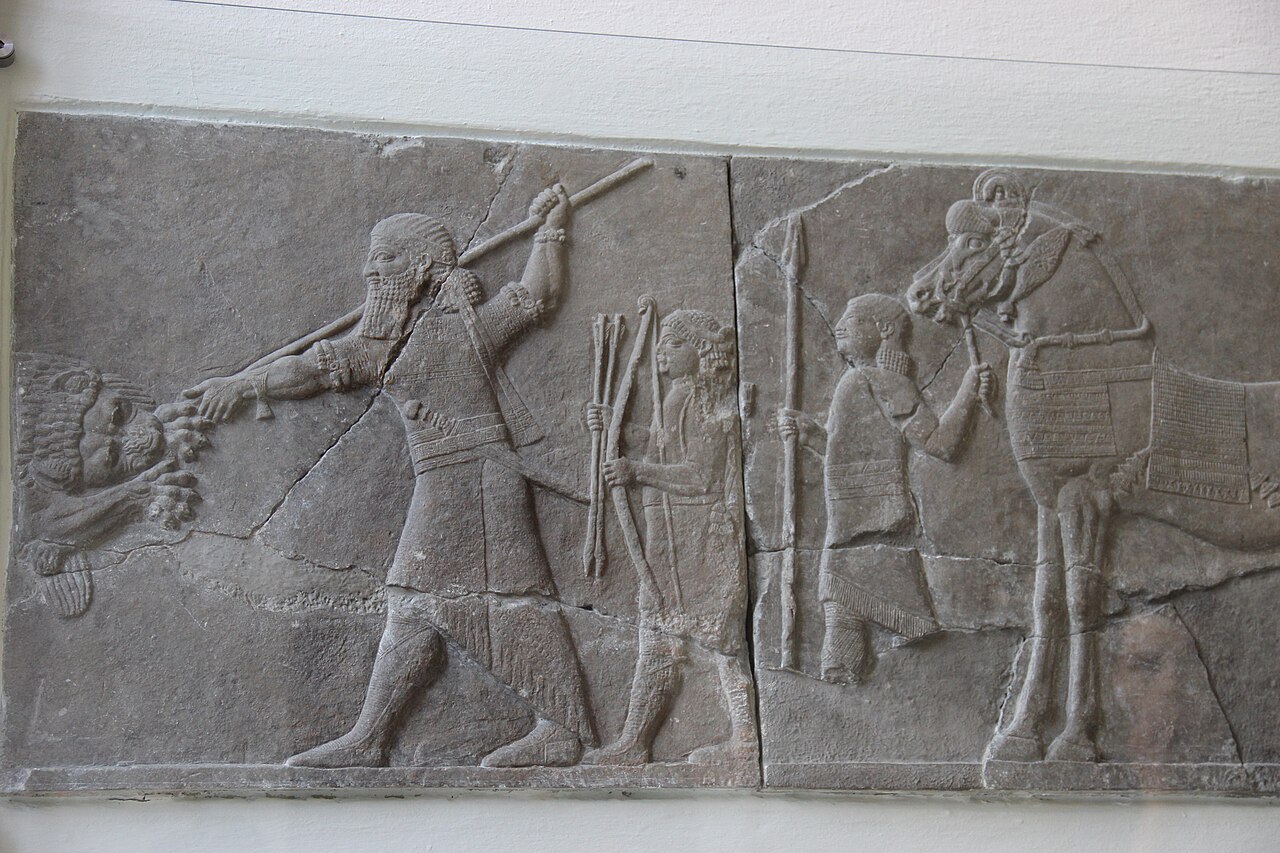
Lion Hunt of Ashurbanipal
Assyrian royal sculptors · c. 645–635 BCE
 Document
Primary source
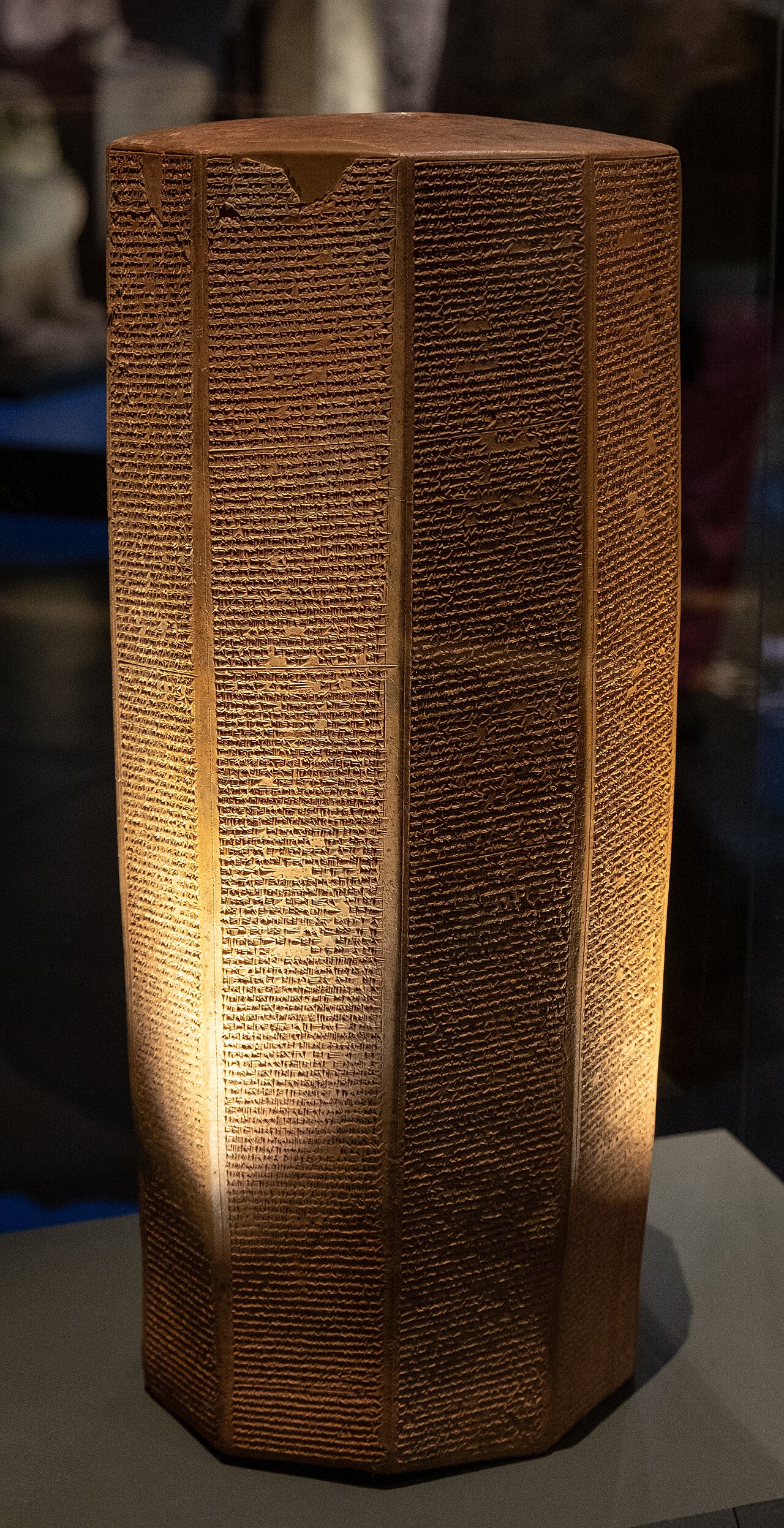
Rassam Prism of Ashurbanipal
643 BCE
 Painting
Secondary source
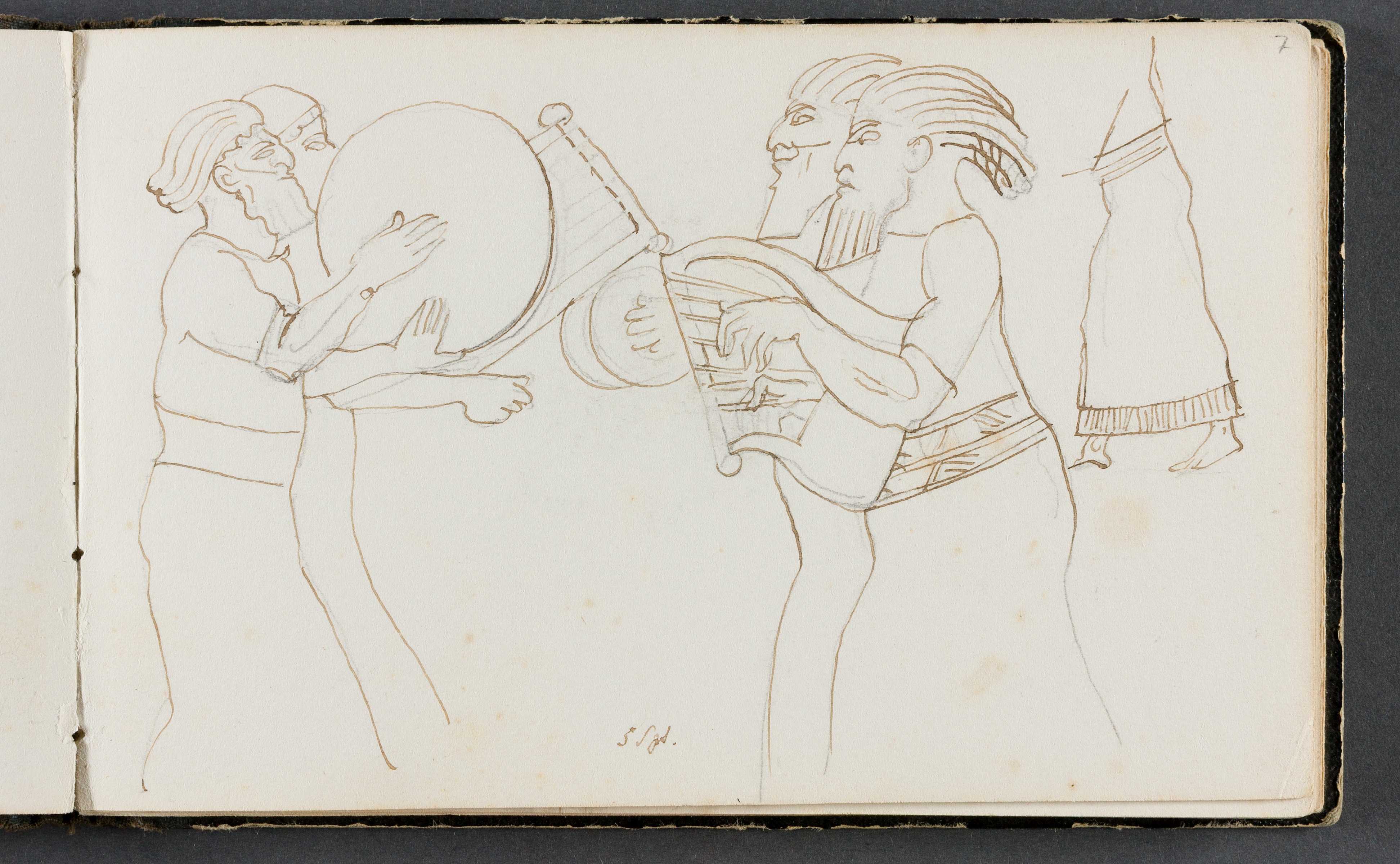
Relief with Musicians from the Palace of Ashurbanipal in Nineveh
 Document
Primary source
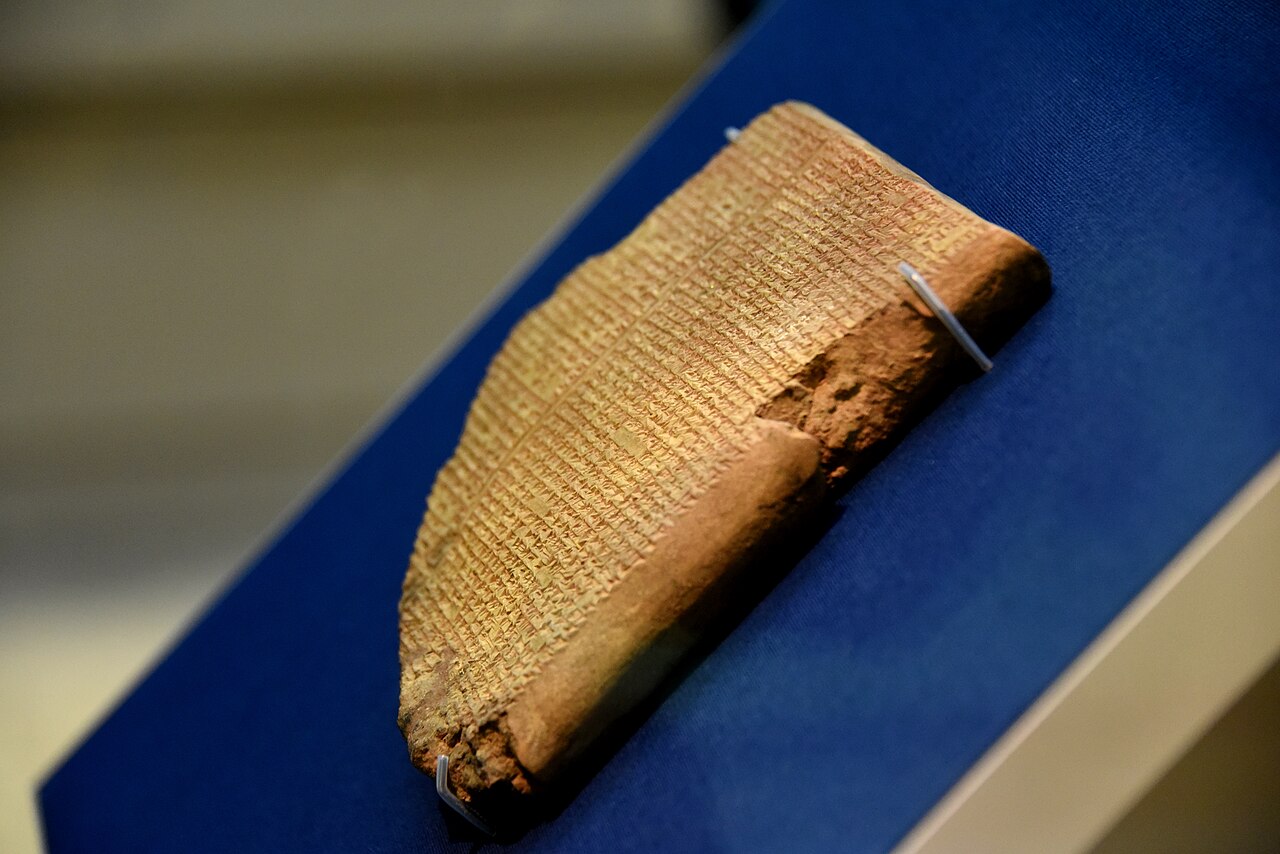
Flood Tablet
Scribes of Ashurbanipal's library · 7th century BCE
Ready when you are
Start chatting with Ashurbanipal now.
20 messages free · No credit card · Available in 50+ languages.