


Secondary sourceBookc. 5th-4th century BC
Charmides
Plato · c. 5th-4th century BC
A dialogue by Plato in which Socrates, just back from military service, discusses self-control with the young Charmides and his guardian Critias.
Plato wrote this dialogue, drawing on his own family—his uncle Charmides and cousin Critias—as its main characters.
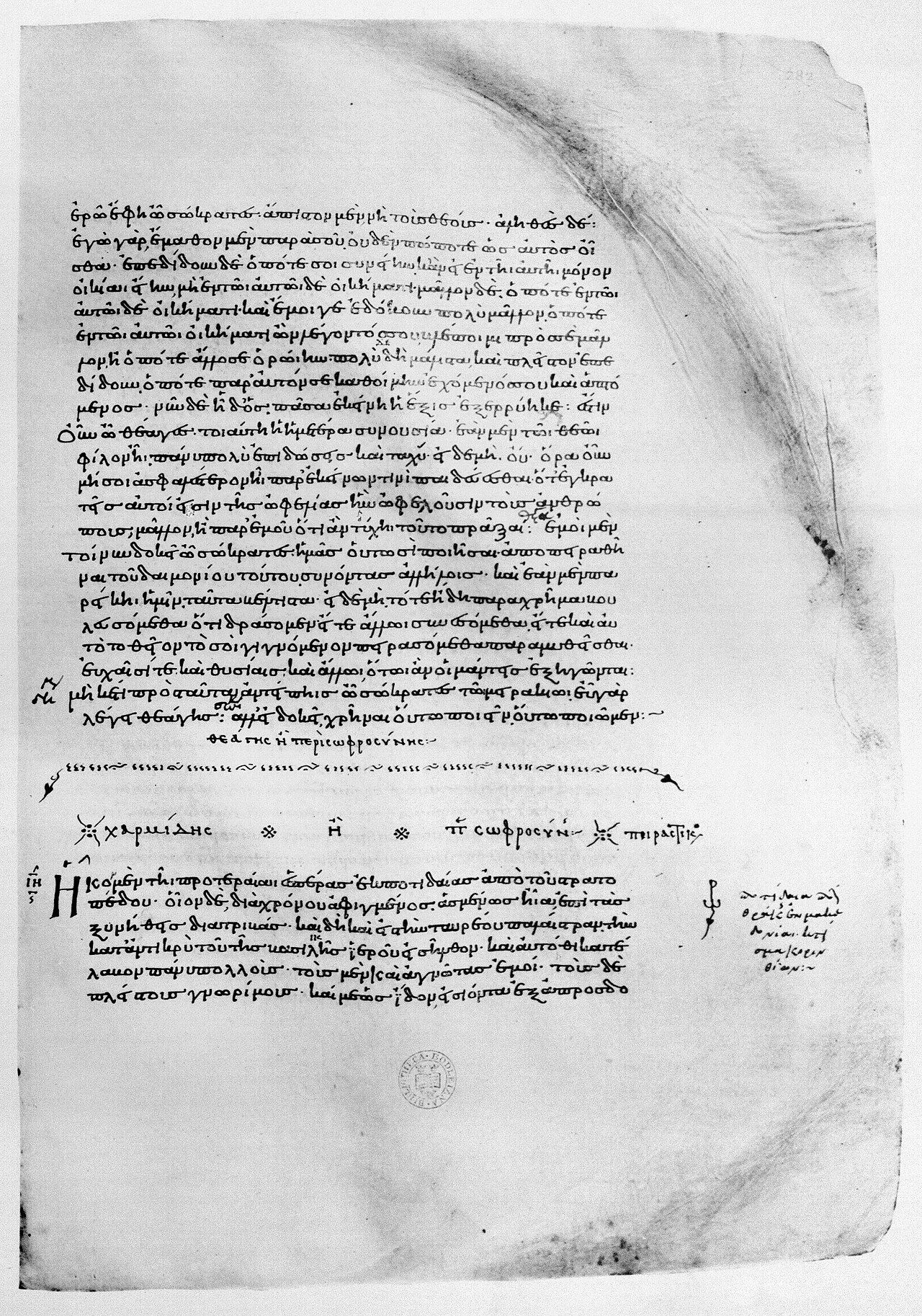
About this source
What it is
The Charmides is a dialogue written by Plato, one of his earlier works. In it, Socrates, returning from the siege of Potidaea, talks with a young man named Charmides and his older cousin and guardian Critias about the meaning of sophrosyne, often translated as temperance or self-control. The surviving manuscript shown here is a medieval copy, the Codex Oxoniensis Clarkianus 39.
Why it matters
The dialogue mixes Socrates' military service with his habit of questioning young men in public places. It is especially striking because Critias and Charmides later became leading members of the violent Thirty Tyrants, which gives their discussion of self-control an uncomfortable irony. The dialogue also shows the method, called the elenchus, that Socrates used to test definitions by questioning.
Look closer
- Why might Plato have chosen to set a discussion about self-control with two men who later became tyrants?
- What does Socrates' method of questioning reveal about how he taught, compared to simply giving answers?
- This text survives only through later copies — what does that tell us about how ancient writings reach us today?
This book is part of the curated material that grounds the AI version of Plato and Socrates on Humy.ai — when students ask about related events, the AI can quote it and cite it.
More Plato sources
Meet the AI Plato →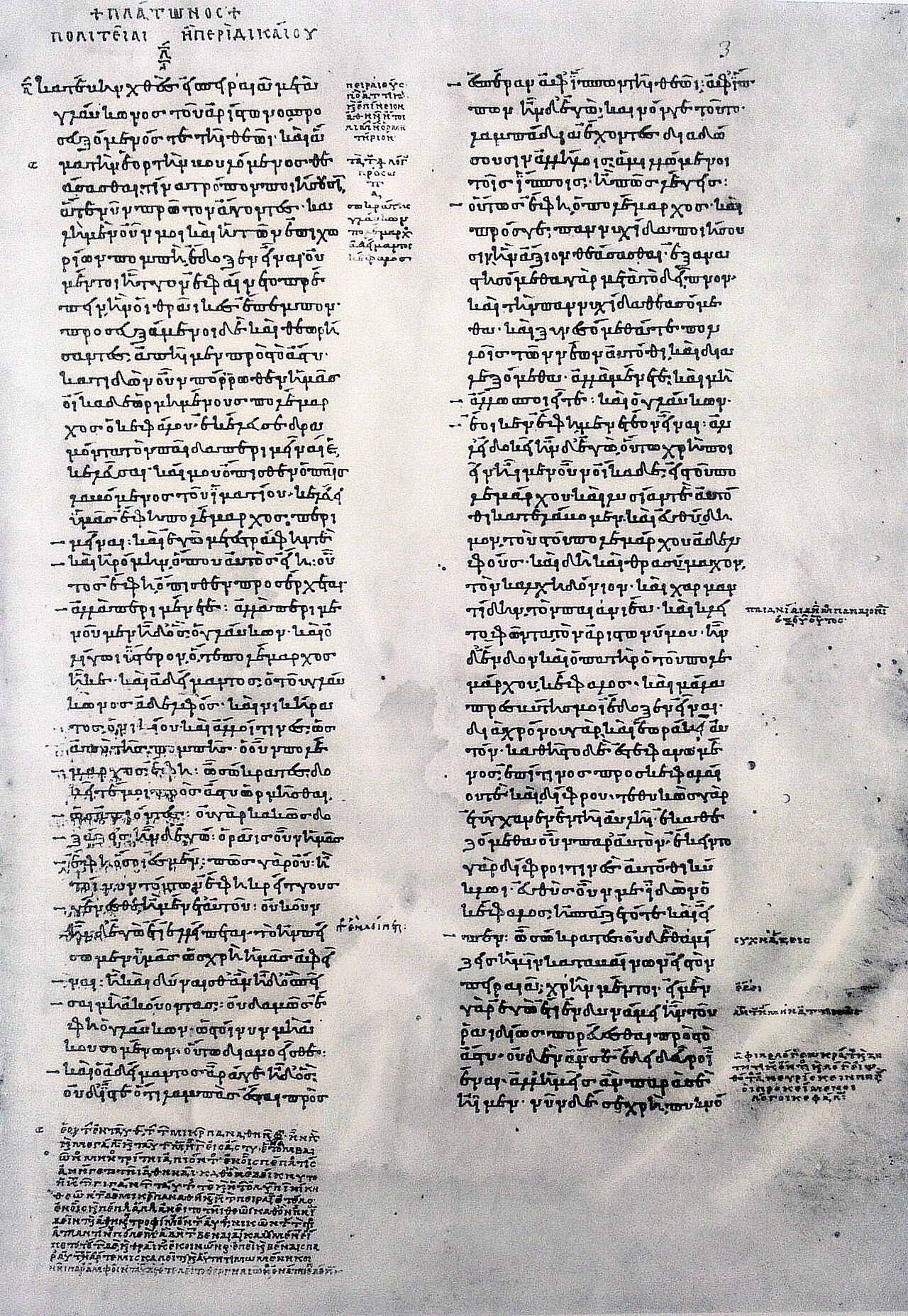 Book
Secondary source
The Republic
Plato · c. 375 BC
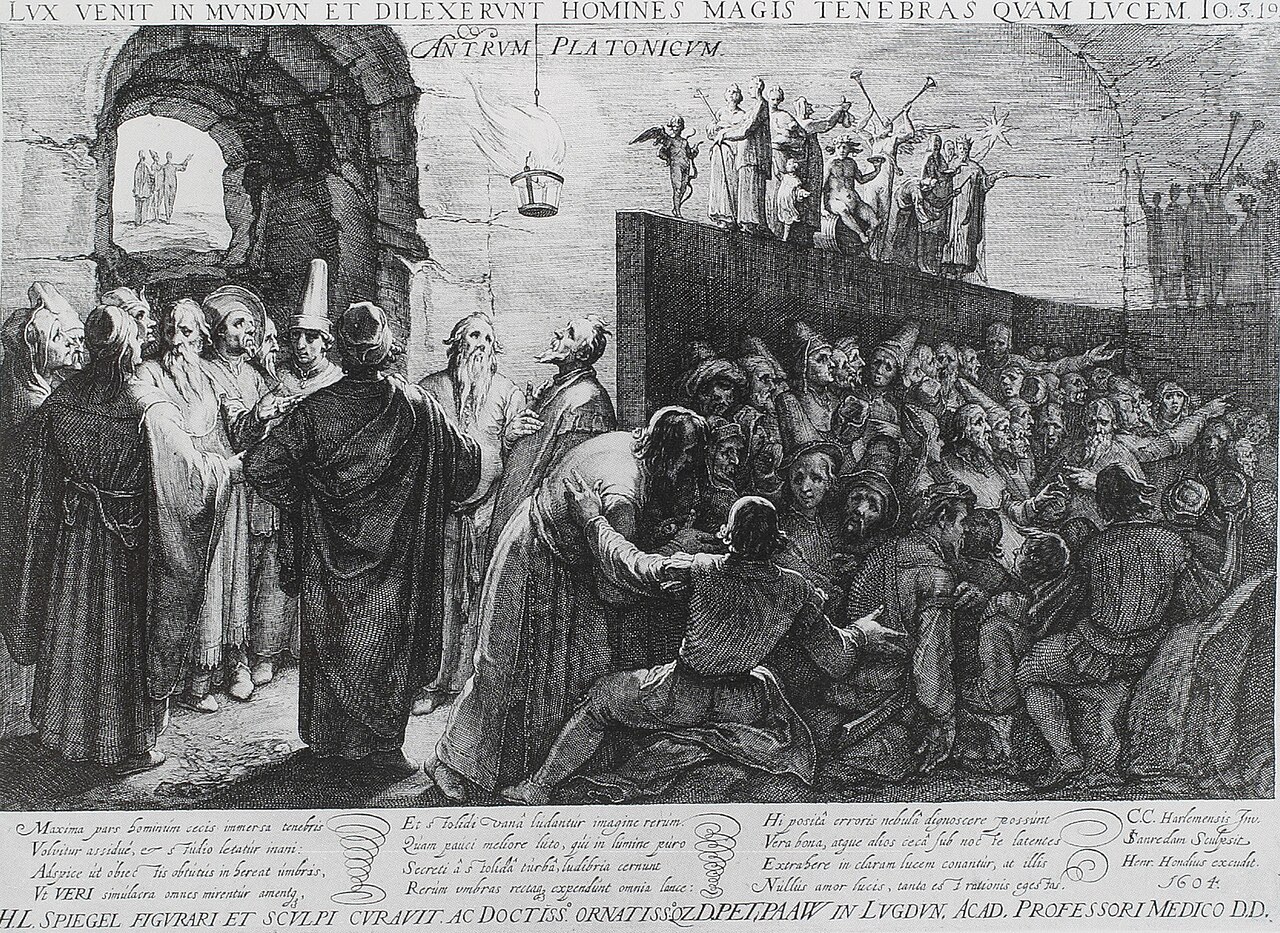 Book
Primary source
Allegory of the Cave
Plato · c. 400 BC
Secondary source
Apology
Plato · c. 395 BC
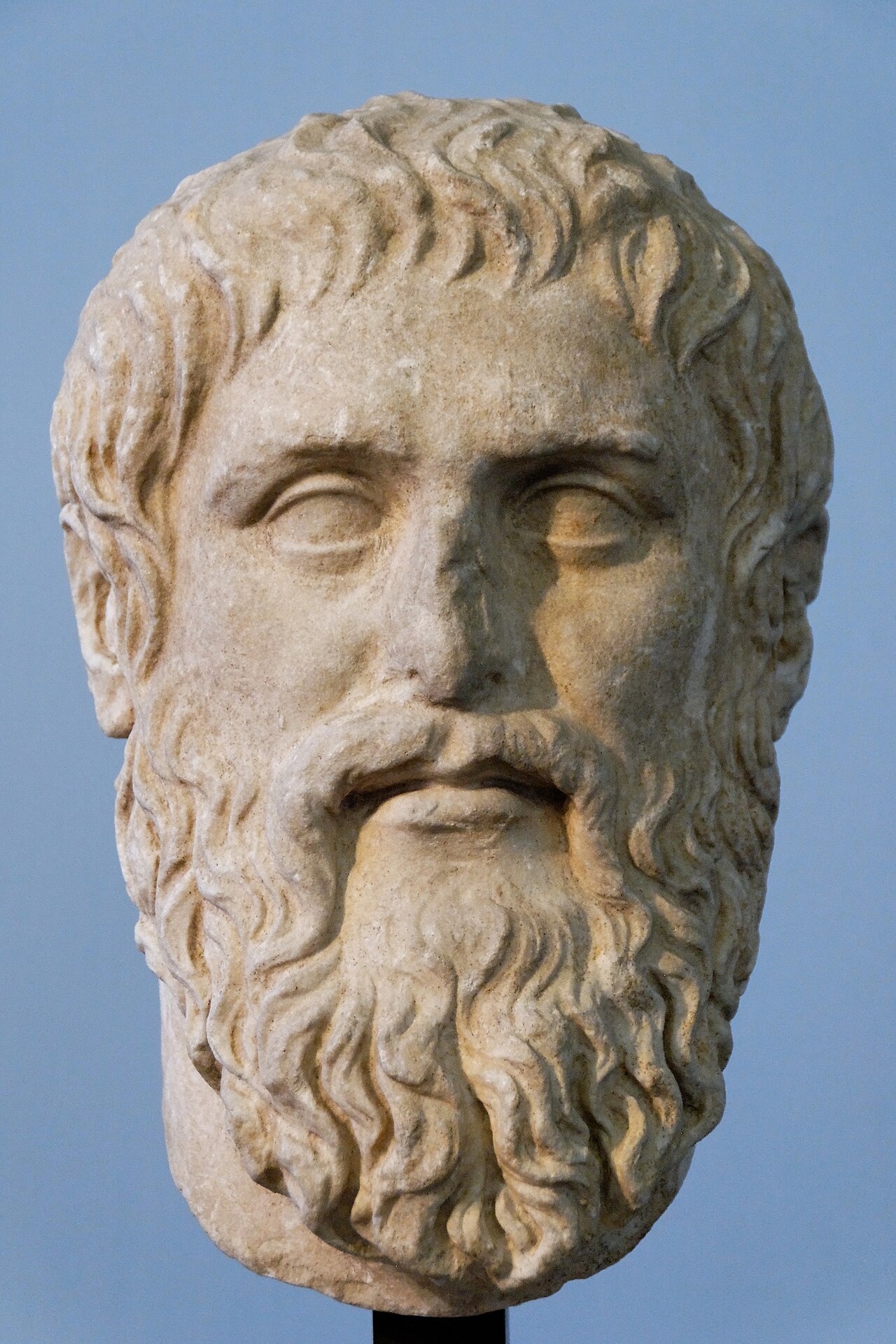 Sculpture
Secondary source
Portrait of Plato
Silanion (original type) · ca. 370 BC (original type); this copy Roman era
 Book
Secondary source
Phaedo
Plato · c. 360 BC
Ready when you are
Start chatting with Plato now.
20 messages free · No credit card · Available in 50+ languages.