


Primary sourceDocument668-630 BC
Chronicles of Ashurbanipal Clay Cylinder
668-630 BC
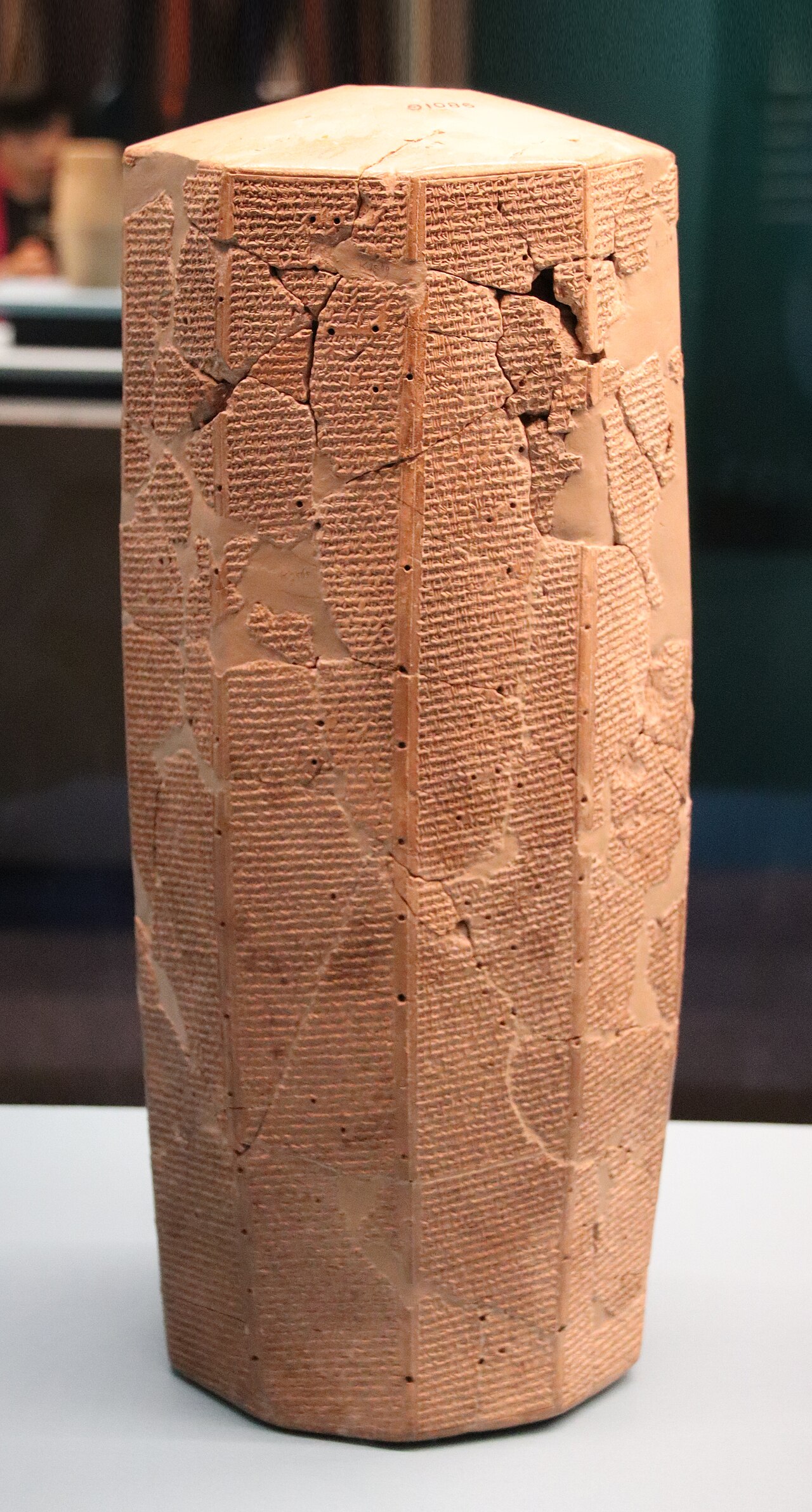
A clay prism inscribed with cuneiform chronicles recording the reign of the Assyrian king Ashurbanipal, from his Nineveh palace.
This clay chronicle from Ashurbanipal's own palace records events of his reign.
About this source
What it is
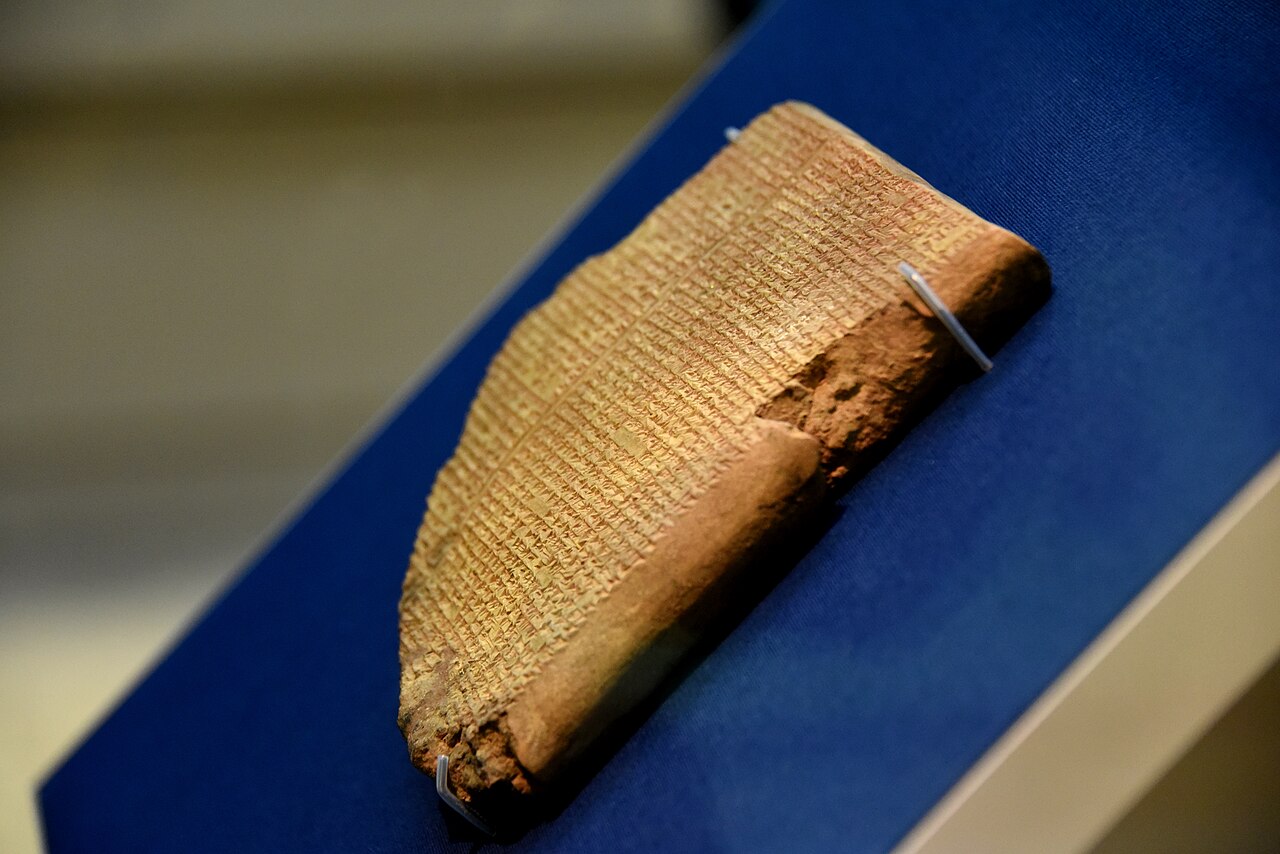
This is a clay, prism-shaped cylinder covered in cuneiform writing, recording chronicles of the reign of Ashurbanipal. It comes from his palace at Nineveh and is normally held by the British Museum; this photograph was taken while it was on loan to the Hong Kong Museum of History.
Why it matters
Clay records like this one were how Assyrian kings such as Ashurbanipal preserved accounts of their rule for future generations. Objects like this give historians direct evidence, in the king's own administration's words, about events and achievements during his reign, without relying on later retellings.
Look closer
- What shape is the object, and why might that shape have been chosen for writing?
- What signs of age or damage can you see, and what do they tell you about how the object survived?
- Why do objects like this sometimes travel to museums far from where they were made?
This document is part of the curated material that grounds the AI version of Ashurbanipal on Humy.ai — when students ask about related events, the AI can quote it and cite it.
More Ashurbanipal sources
Meet the AI Ashurbanipal →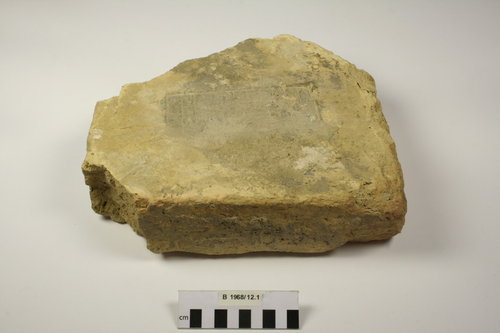 Artifact
Primary source
Baked Brick Naming King Ashurbanipal
7th century BCE
 Sculpture
Primary source
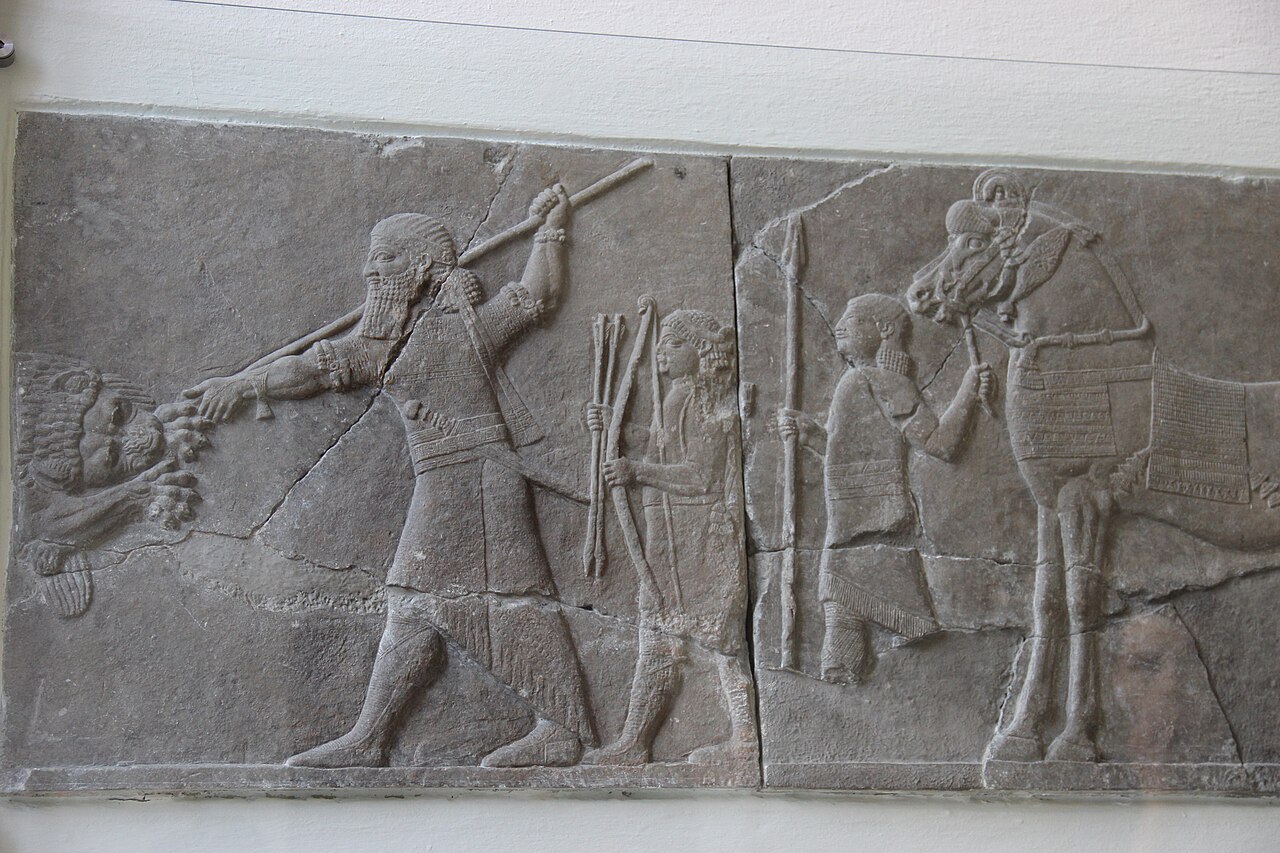
Lion Hunt of Ashurbanipal
Assyrian royal sculptors · c. 645–635 BCE
 Document
Primary source
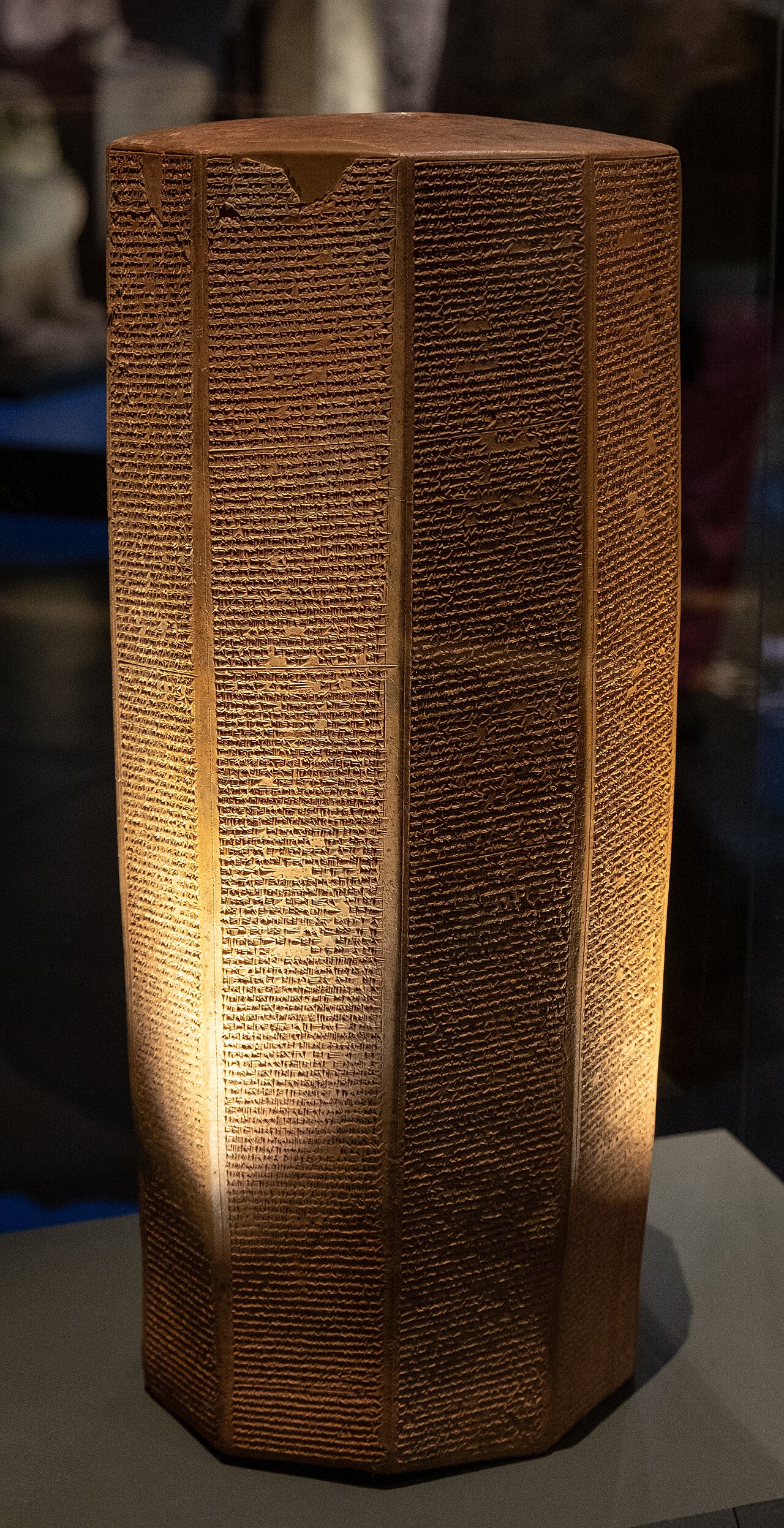
Rassam Prism of Ashurbanipal
643 BCE
 Painting
Secondary source
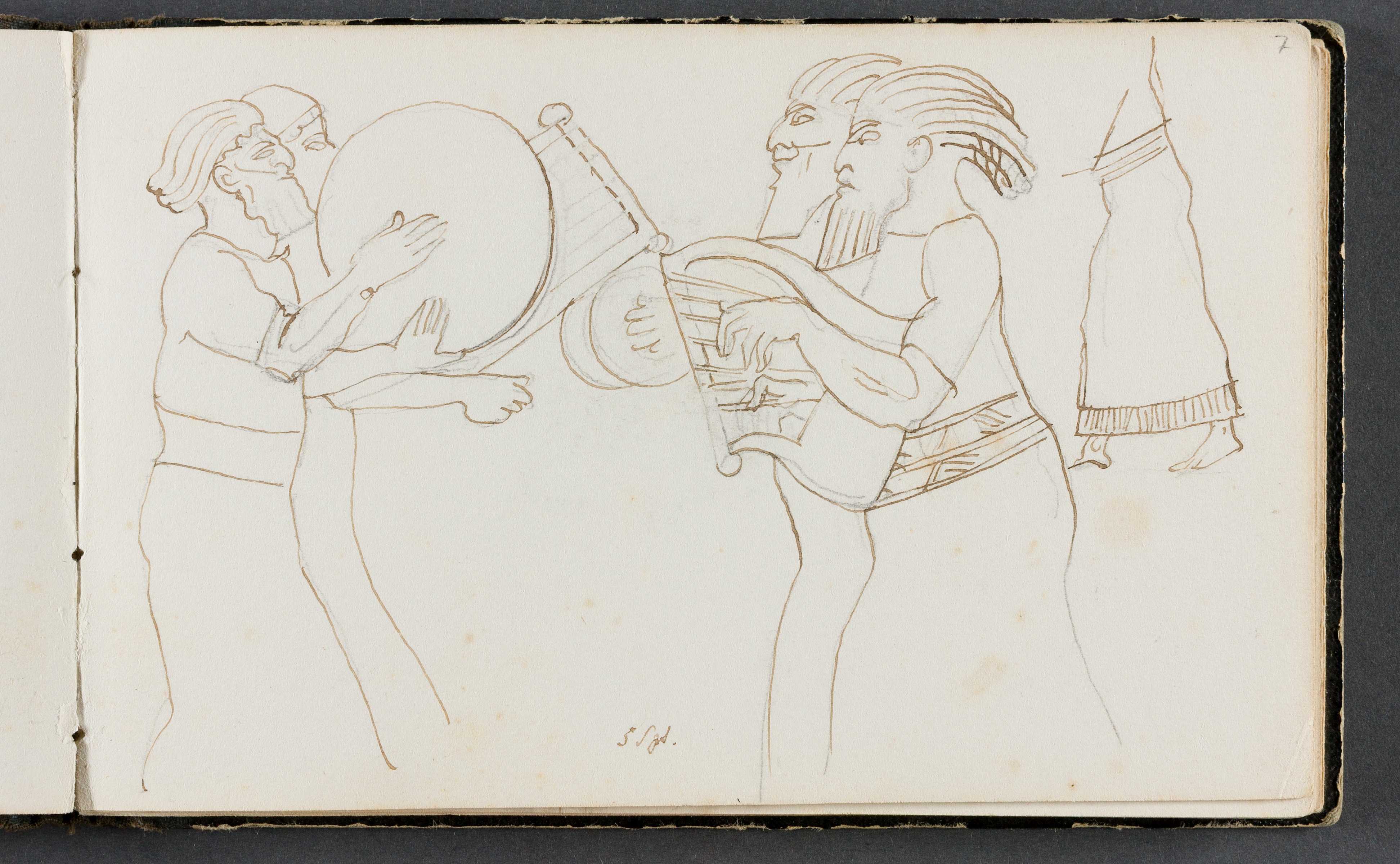
Relief with Musicians from the Palace of Ashurbanipal in Nineveh
 Document
Primary source
Flood Tablet
Scribes of Ashurbanipal's library · 7th century BCE
Ready when you are
Start chatting with Ashurbanipal now.
20 messages free · No credit card · Available in 50+ languages.