


Primary sourceDocumentca. 668–627 BCE
Clay Cylinder Recording Ashurbanipal's Restorations at Borsippa
ca. 668–627 BCE
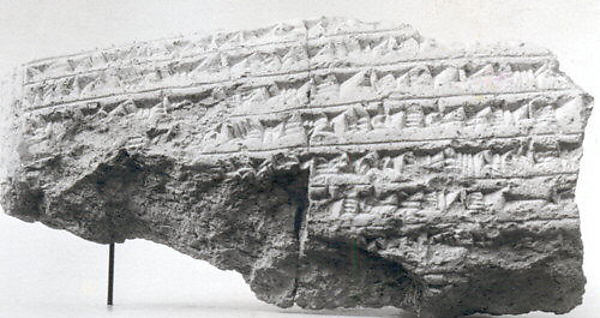
A cuneiform clay cylinder in which Ashurbanipal records his restoration of the city wall and gates of Borsippa.
This cylinder records Ashurbanipal's own account of restoring the walls and gates of Borsippa.
About this source
What it is
This clay cylinder, dating to about 668-627 BC, bears a cuneiform inscription describing King Ashurbanipal's restoration of the city wall and gates at Borsippa. It is held today at The Metropolitan Museum of Art, purchased in 1886.
Why it matters
Building and restoration inscriptions like this were a common way for Assyrian kings to record their public works and piety, often dedicated to the gods of the city. This cylinder shows Ashurbanipal's role not only as a warrior and collector of texts but also as a builder and restorer of sacred sites.
Look closer
- Why might a king want a permanent written record of building work buried or displayed in a city?
- What does this inscription suggest about the relationship between the king and local religious sites?
- What is missing from this record about who actually did the labor of rebuilding?
This document is part of the curated material that grounds the AI version of Ashurbanipal on Humy.ai — when students ask about related events, the AI can quote it and cite it.
More Ashurbanipal sources
Meet the AI Ashurbanipal →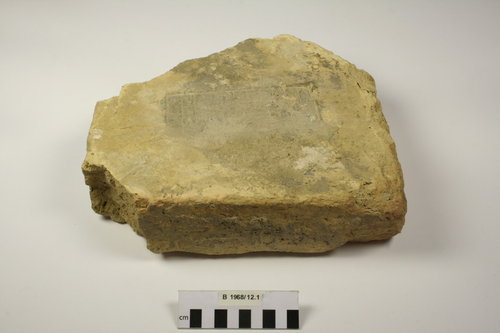 Artifact
Primary source
Baked Brick Naming King Ashurbanipal
7th century BCE
 Sculpture
Primary source
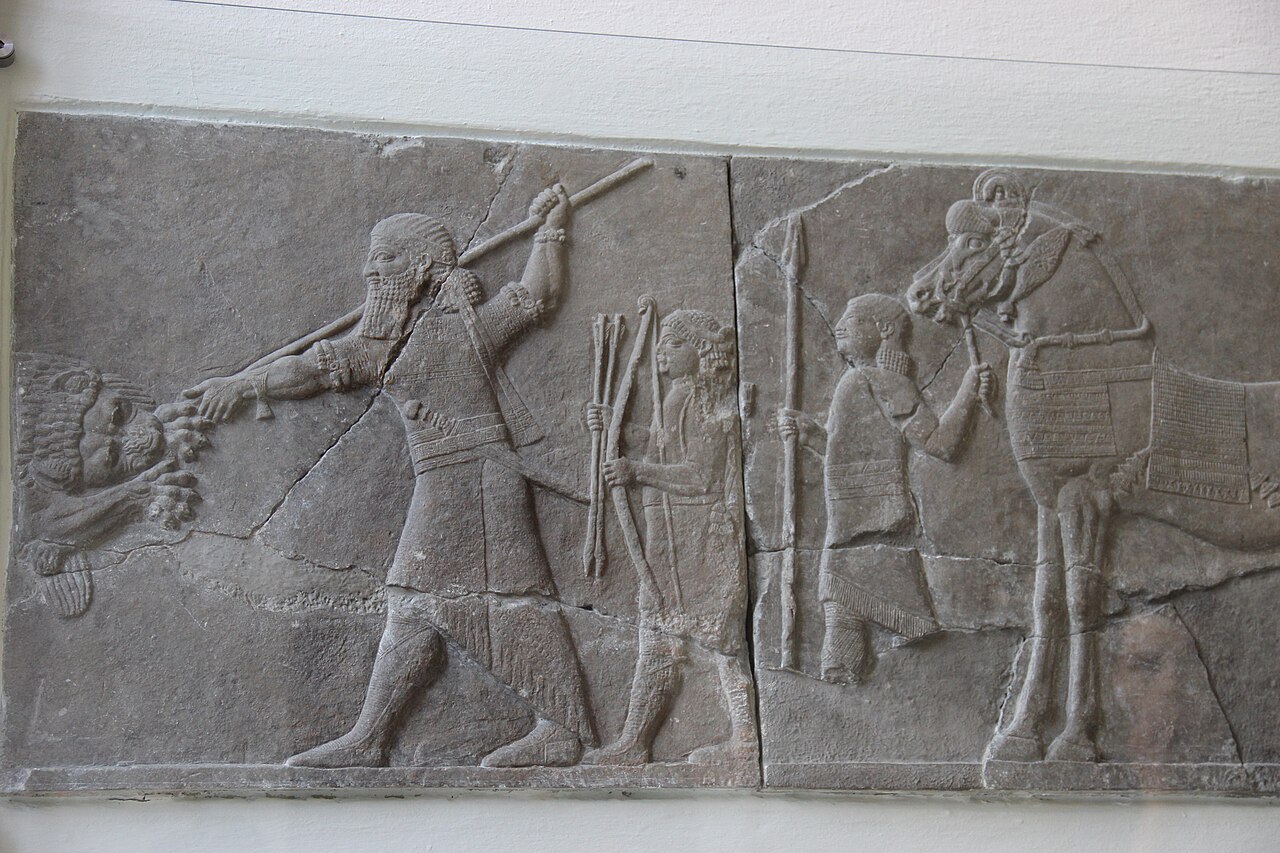
Lion Hunt of Ashurbanipal
Assyrian royal sculptors · c. 645–635 BCE
 Document
Primary source
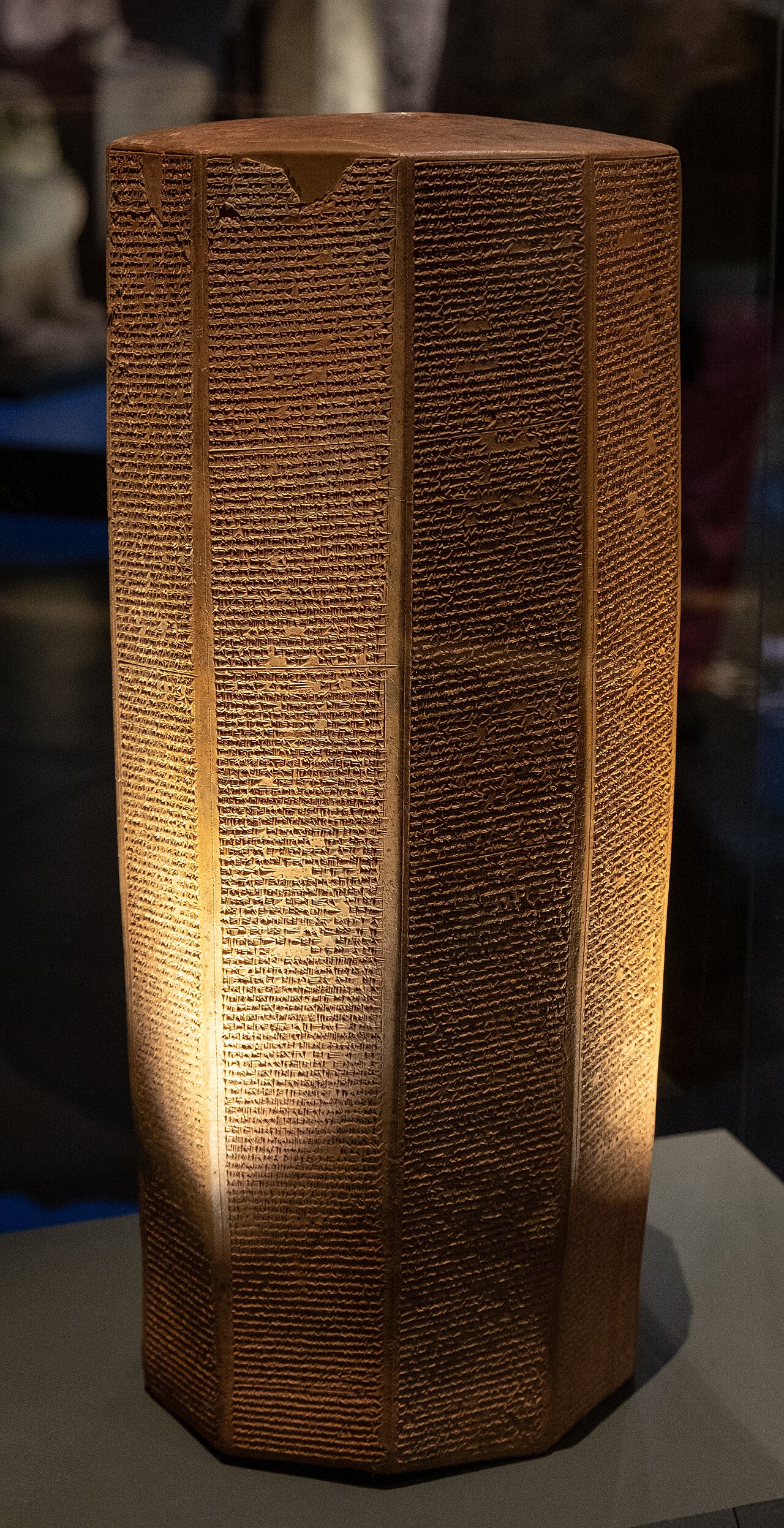
Rassam Prism of Ashurbanipal
643 BCE
 Painting
Secondary source
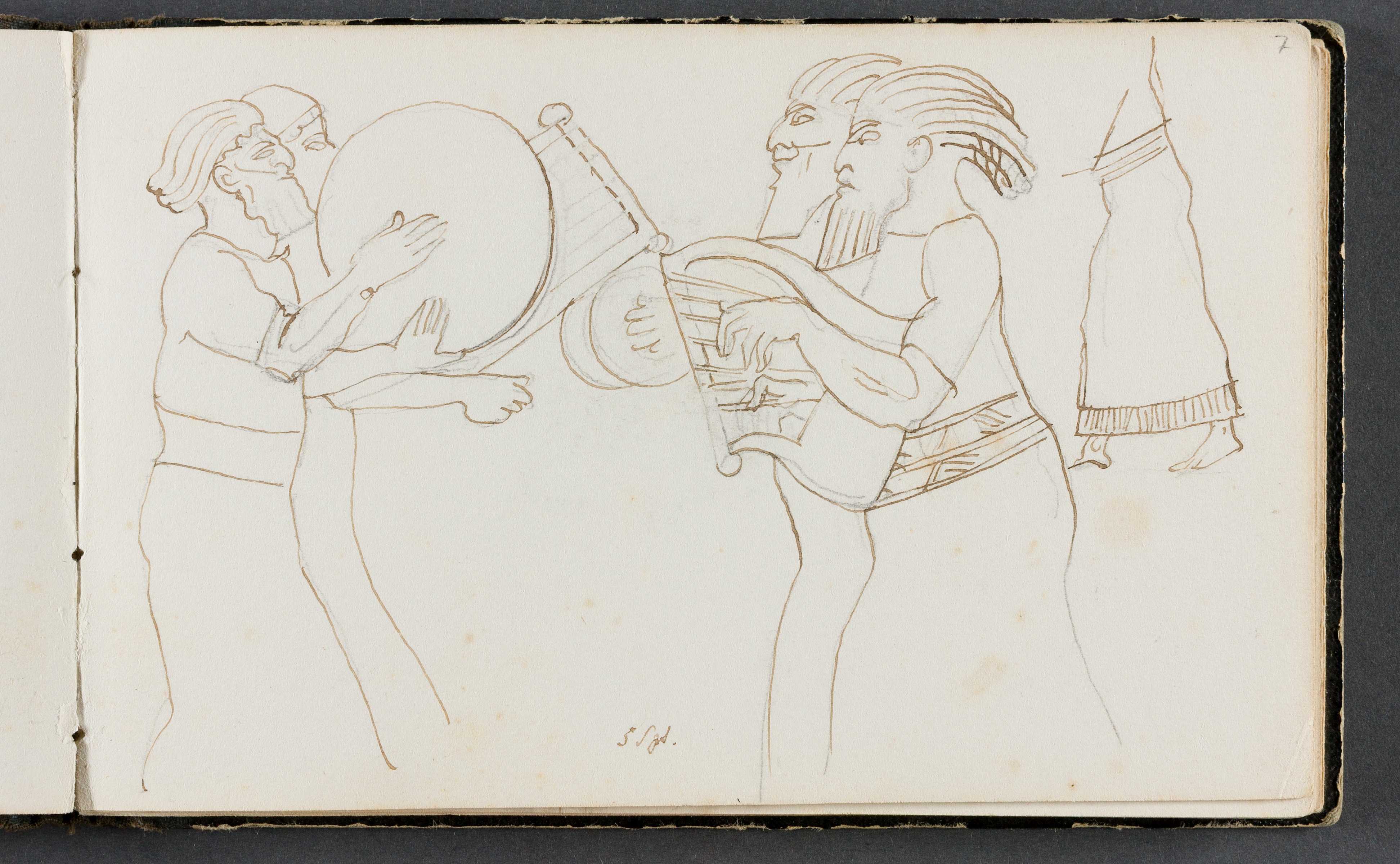
Relief with Musicians from the Palace of Ashurbanipal in Nineveh
 Document
Primary source
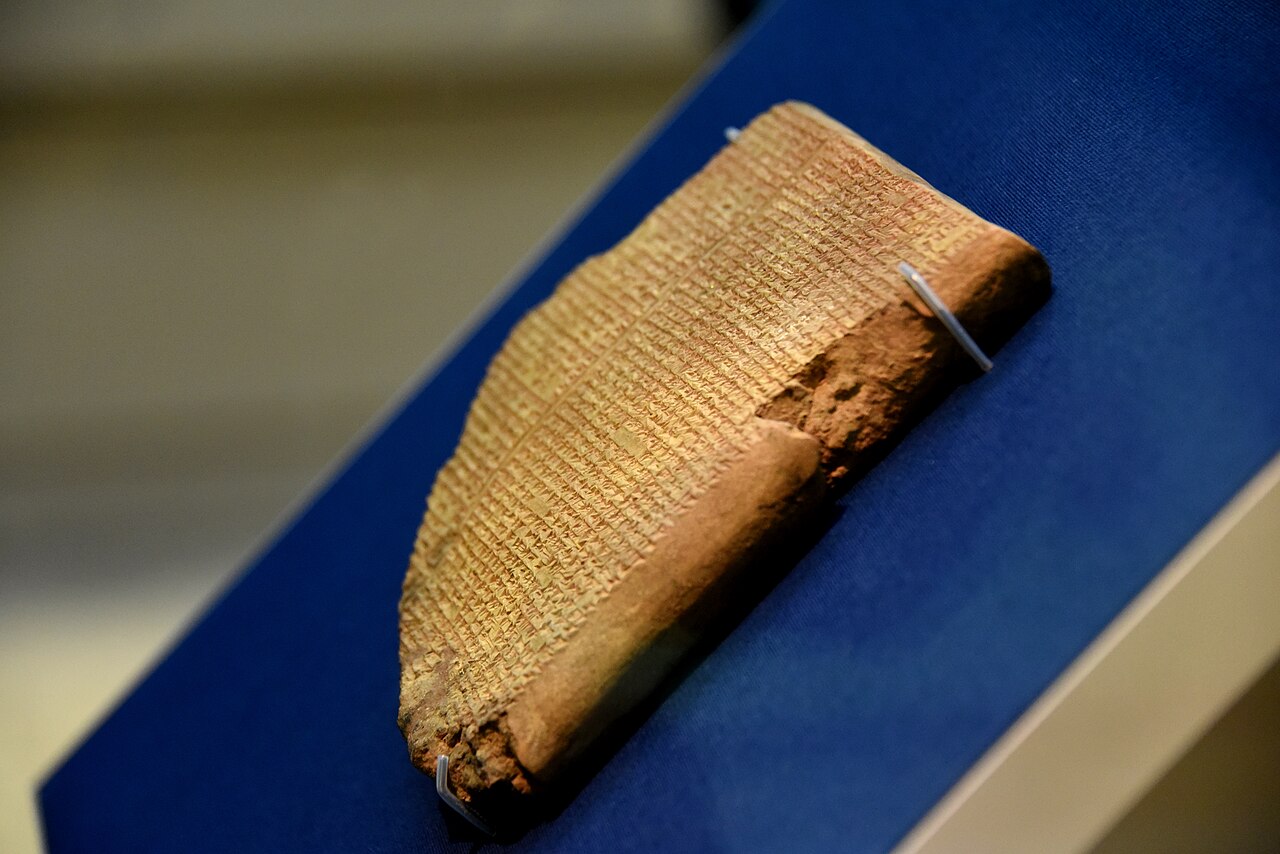
Flood Tablet
Scribes of Ashurbanipal's library · 7th century BCE
Ready when you are
Start chatting with Ashurbanipal now.
20 messages free · No credit card · Available in 50+ languages.