


Primary sourceArtifact1248-49
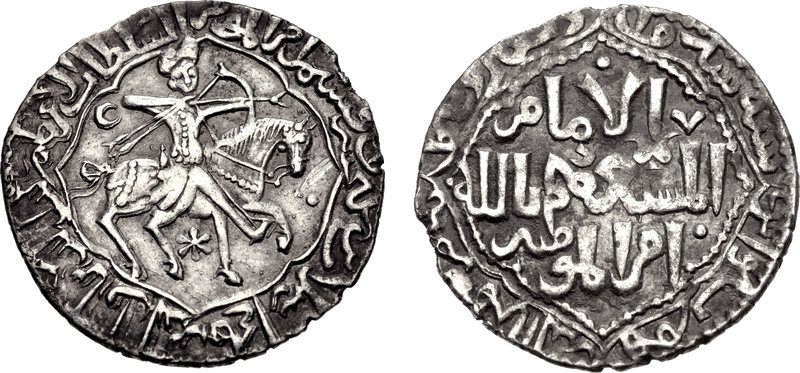
Coin of Kilij Arslan IV, Sultanate of Rum
1248-49
A silver coin minted under a Rum Seljuk sultan who ruled during Rumi's lifetime, showing the political world Rumi lived in.
A coin from the Seljuk sultanate ruling during Rumi's lifetime, showing the political context of his world.
About this source
What it is
This is a silver coin minted at Sivas under Kilij Arslan IV, a ruler of the Sultanate of Rum. It shows a mounted horseman with a bow on one side and Arabic inscriptions on both sides.
Why it matters
This coin represents the political authority of the Seljuk Sultanate of Rum, the state in Anatolia where Rumi lived and worked during part of his life. Coins like this circulated through the same region and period, giving a sense of the rulers and economy surrounding Rumi's world.
Look closer
- What does the imagery of a horseman with a bow suggest about how this ruler wanted to be seen?
- Why might a sultan put inscriptions in Arabic on a coin from a Turkish-ruled region?
- How can an everyday object like a coin help us understand political power in Rumi's time?
This artifact is part of the curated material that grounds the AI version of Rumi (Jalāl ad-Dīn Muhammad Rūmī) on Humy.ai — when students ask about related events, the AI can quote it and cite it.
More Rumi (Jalāl ad-Dīn Muhammad Rūmī) sources
Meet the AI Rumi (Jalāl ad-Dīn Muhammad Rūmī) →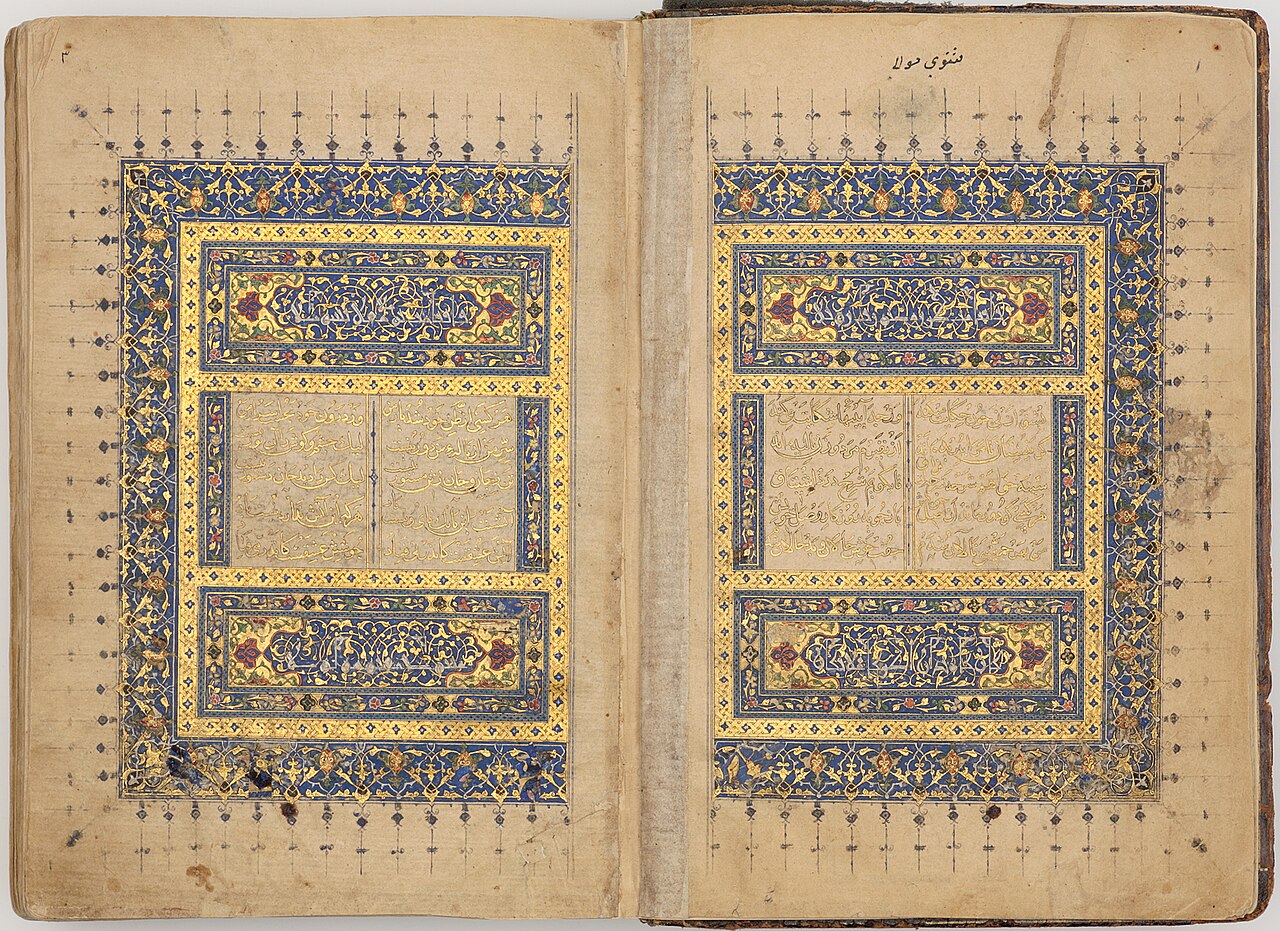 Book
Primary source
Masnavi
Rumi · c. 1258-1273
 Book
Primary source
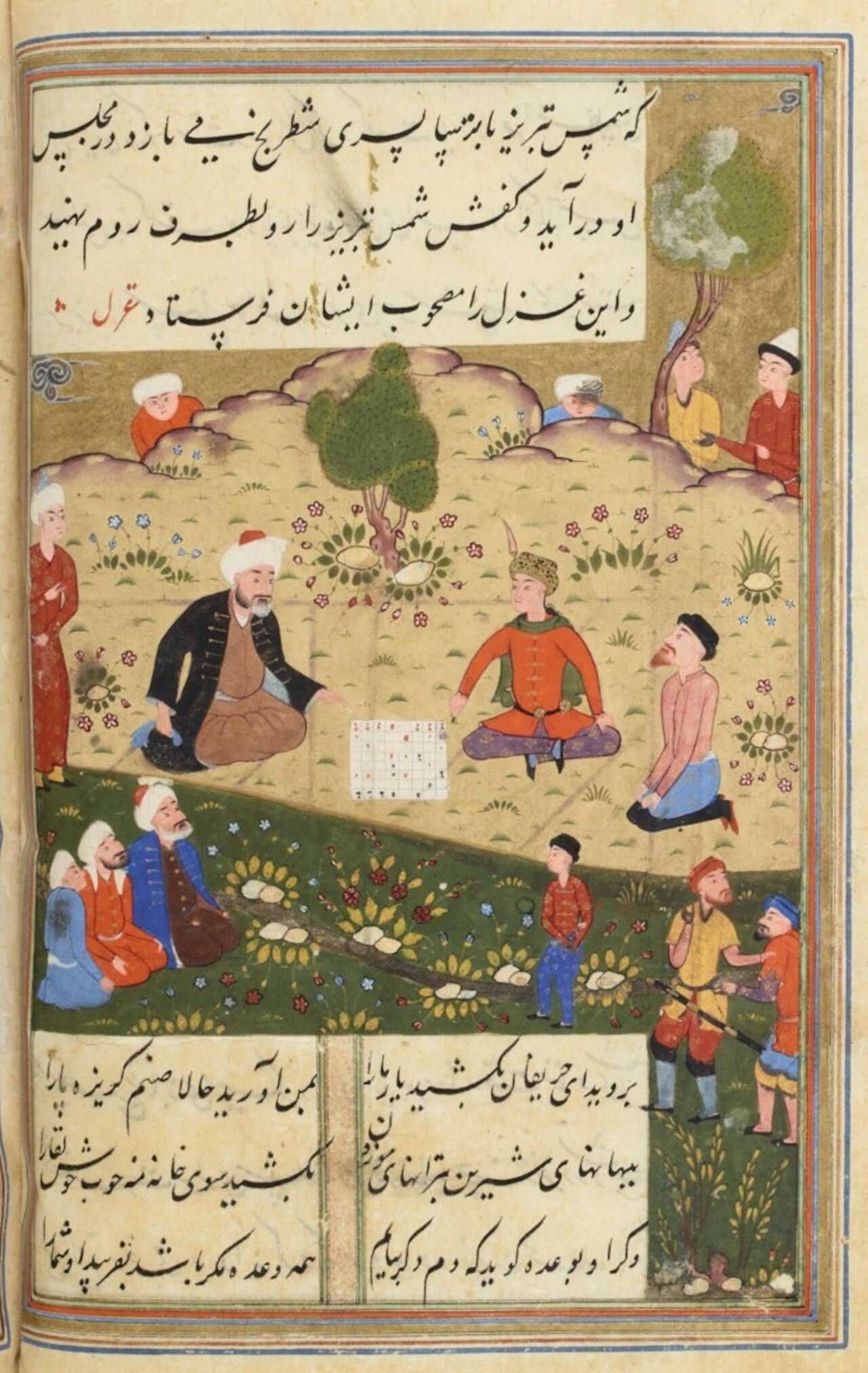
Diwan-e Shams-e Tabrizi
Rumi · c. 1247 onward
 Artifact
Secondary source
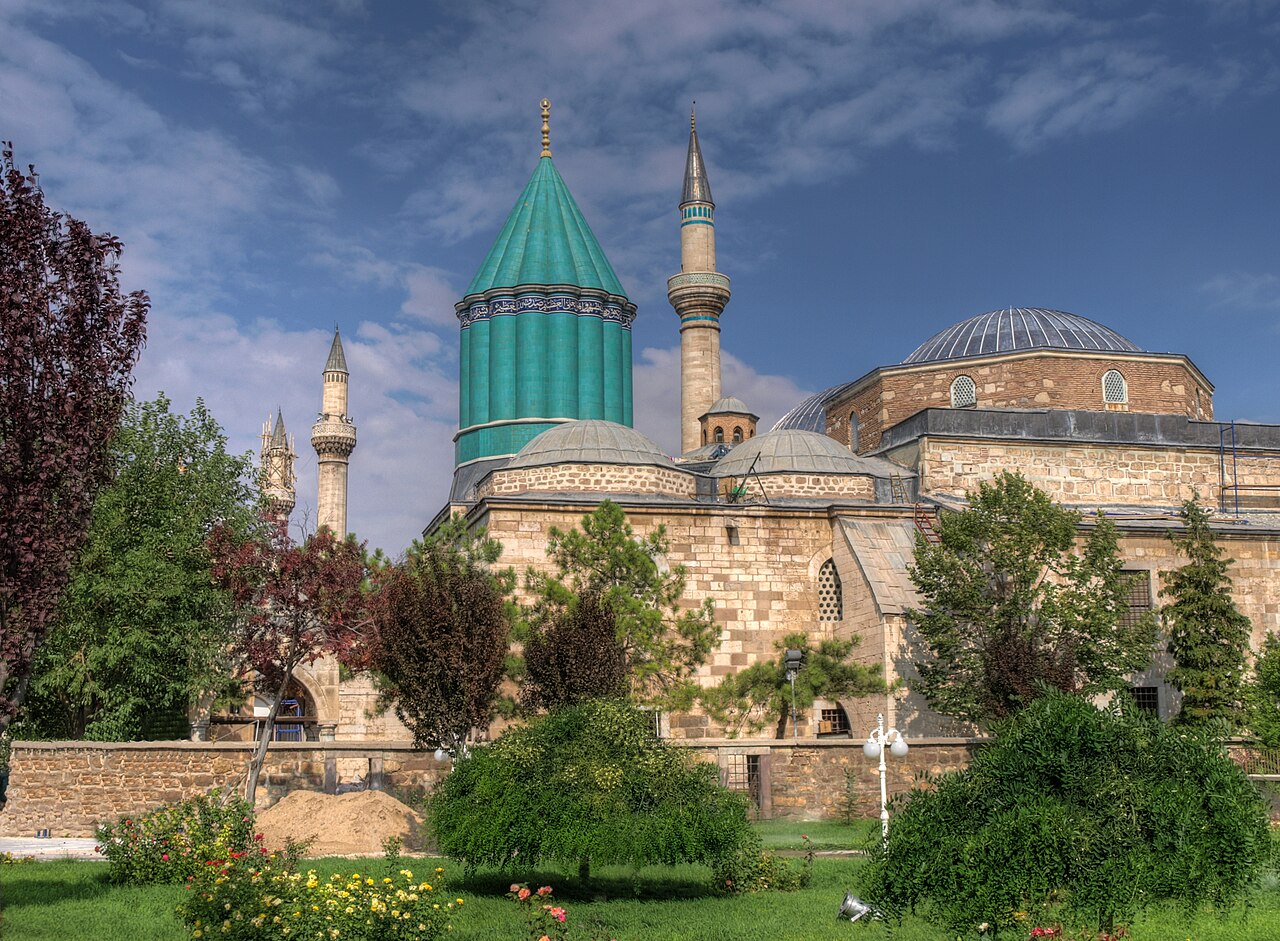
Grave of Rumi
soon after 1273
 Book
Primary source
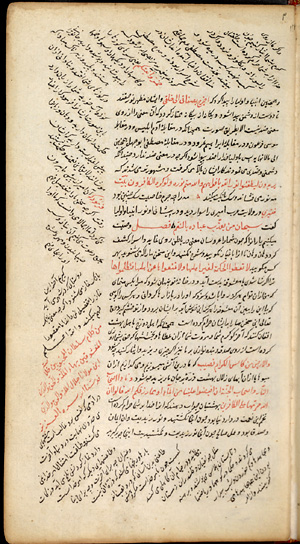
Fihi Ma Fihi
Rumi · c. 1260-1273
 Artifact
Secondary source
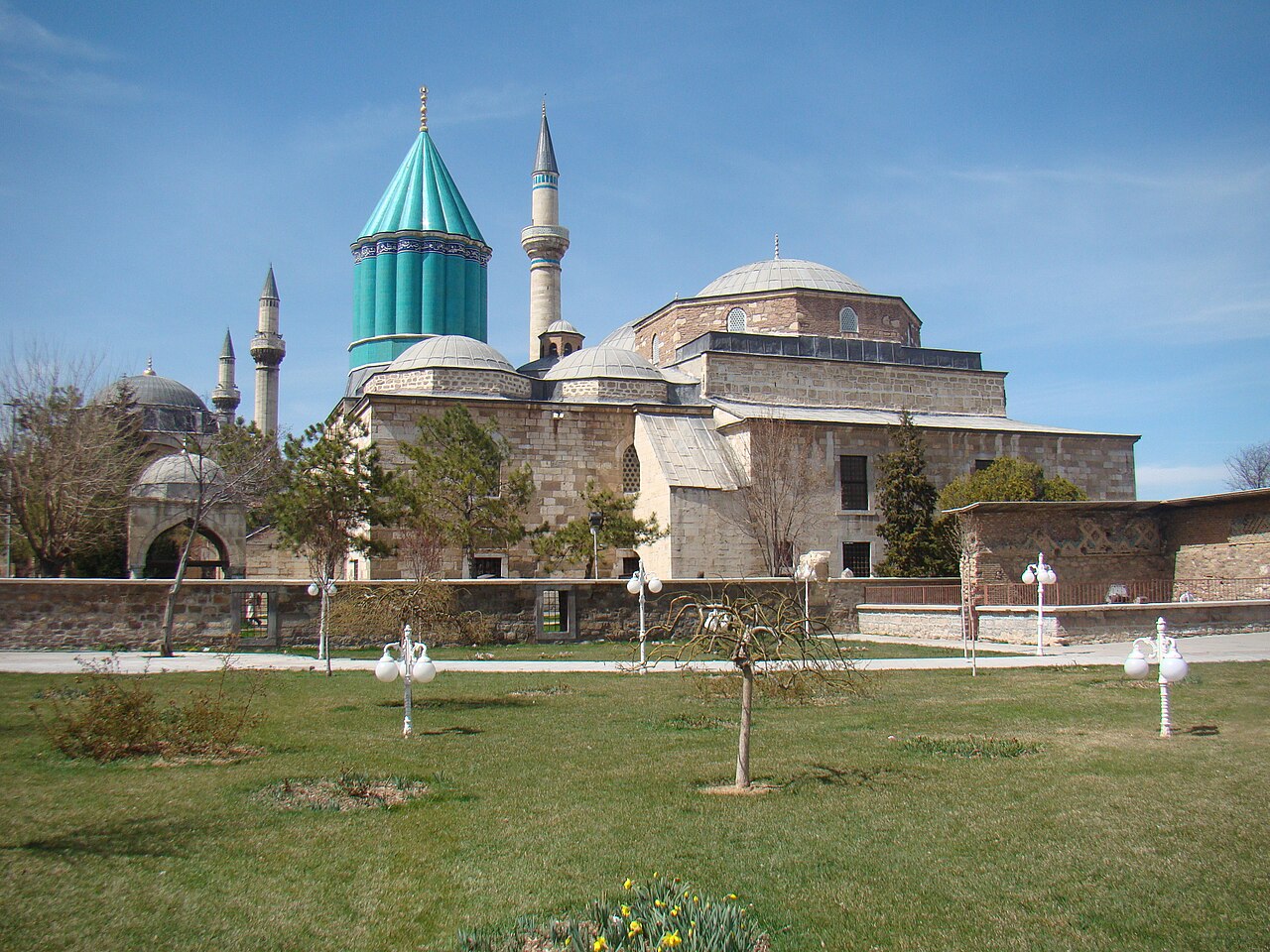
Mevlâna Museum
Badr al-Din Tabrizi (architect) · built soon after 1273; museum since 1926
Ready when you are
Start chatting with Rumi (Jalāl ad-Dīn Muhammad Rūmī) now.
20 messages free · No credit card · Available in 50+ languages.