


Primary sourcePaintingc. 1612
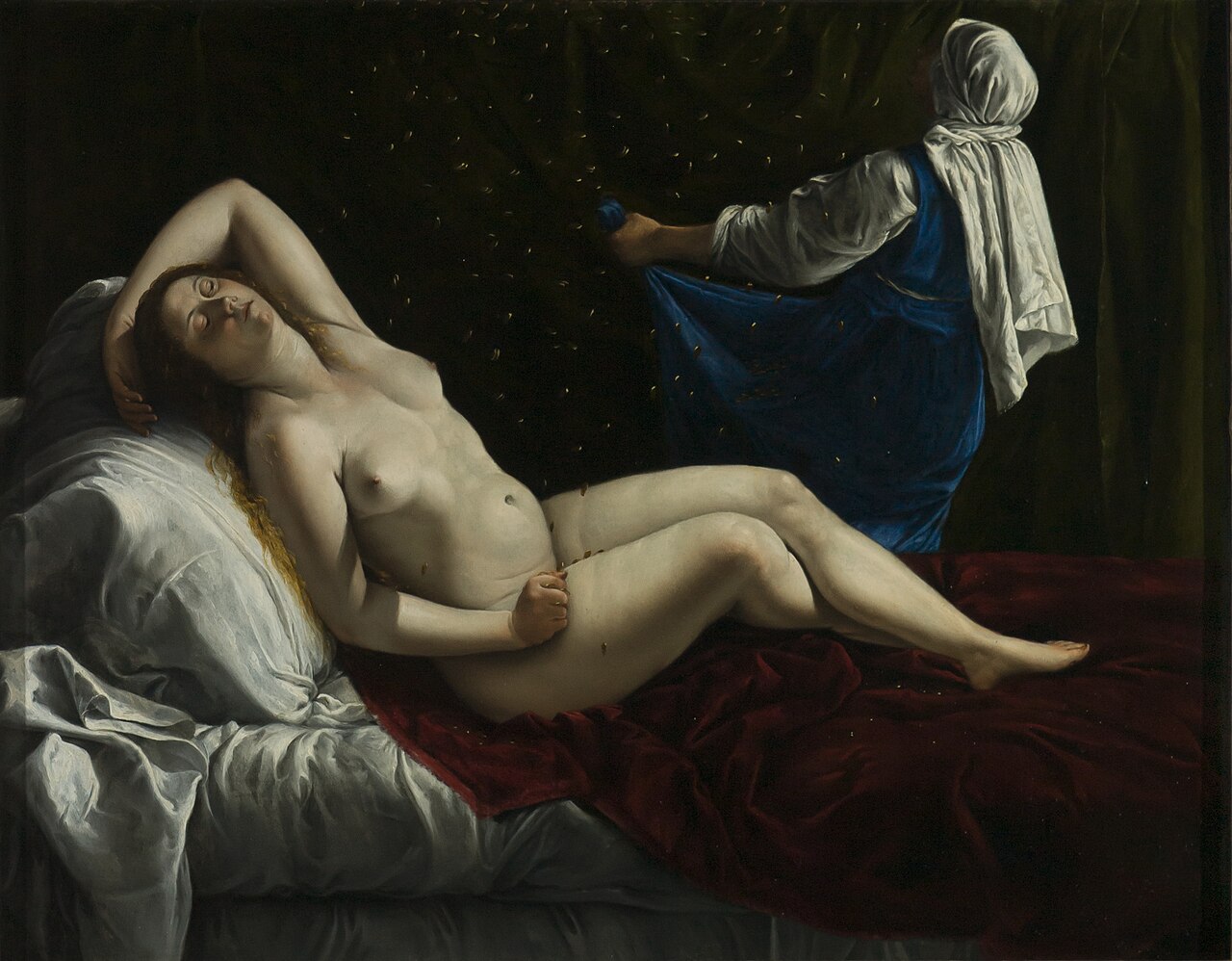
Danaë
Artemisia Gentileschi · c. 1612
A 1612 painting on copper by Artemisia Gentileschi, possibly a self-portrait, made during her early years in Rome.
An early work believed to be a self-portrait, showing her treatment of female vulnerability and possibly her own experience.
About this source
What it is
This small painting on copper, made around 1612, shows the mythological story of Danaë, who was visited by Zeus in the form of a shower of gold. It is held at the Saint Louis Art Museum. It is assumed to be a self-portrait of the artist, and its authorship has been debated between Artemisia Gentileschi and her father Orazio.
Why it matters
Painted in Rome early in her career, the work shows Gentileschi working in an unusual medium (copper) often used by her father. Scholars debate whether the painting reflects her own experience of sexual violence a few years earlier, or a broader sympathy for women facing unwanted pressure - showing how her life and art are often read together.
Look closer
- Does Danaë's posture seem open or resistant to you - and why might interpretations differ?
- Why do historians debate whether this was painted by Artemisia or her father?
- What does the servant collecting gold coins add to the story being told?
This painting is part of the curated material that grounds the AI version of Artemisia Gentileschi on Humy.ai — when students ask about related events, the AI can quote it and cite it.
More Artemisia Gentileschi sources
Meet the AI Artemisia Gentileschi →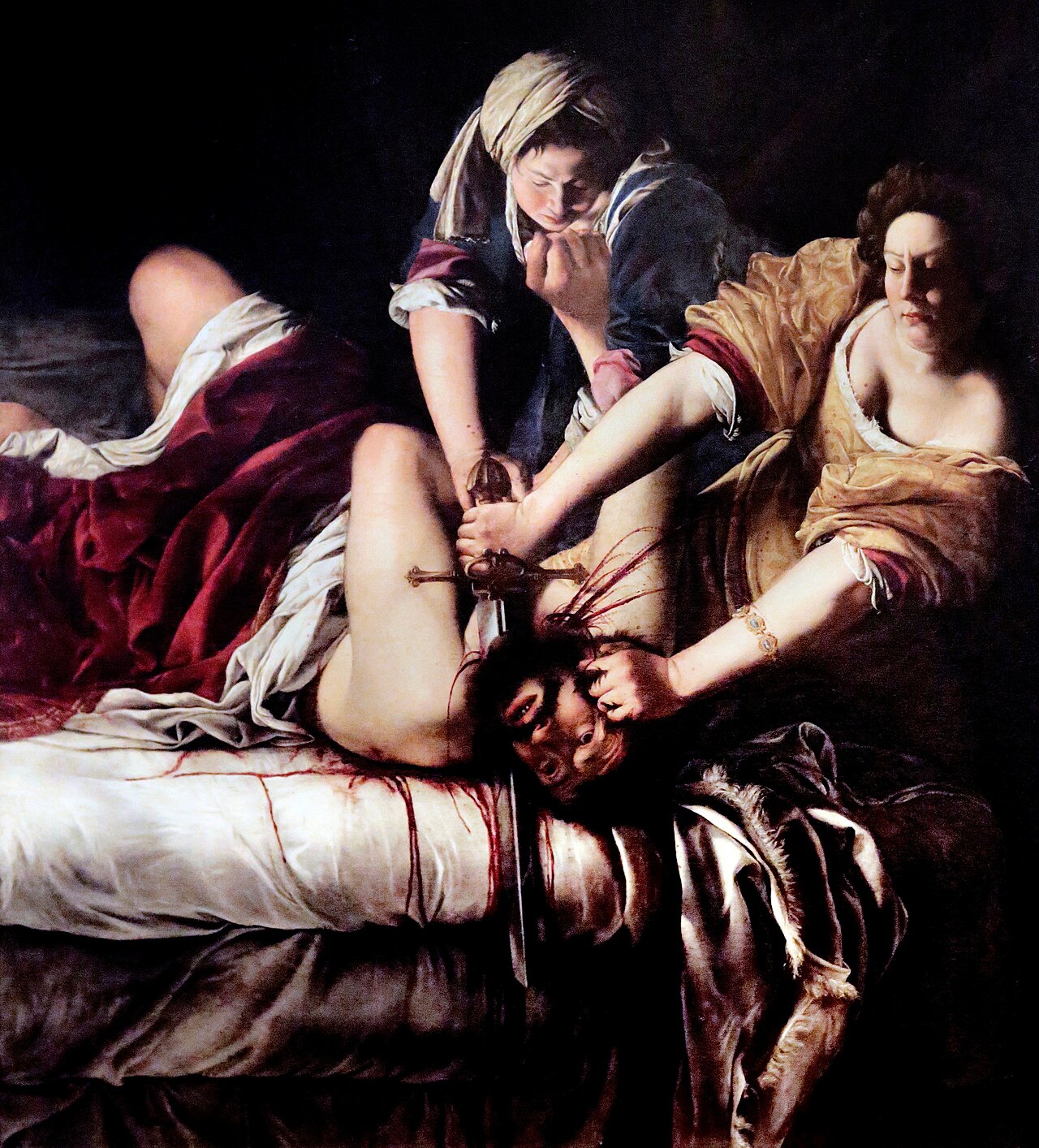 Painting
Primary source
Judith Beheading Holofernes
Artemisia Gentileschi · c. 1620
 Painting
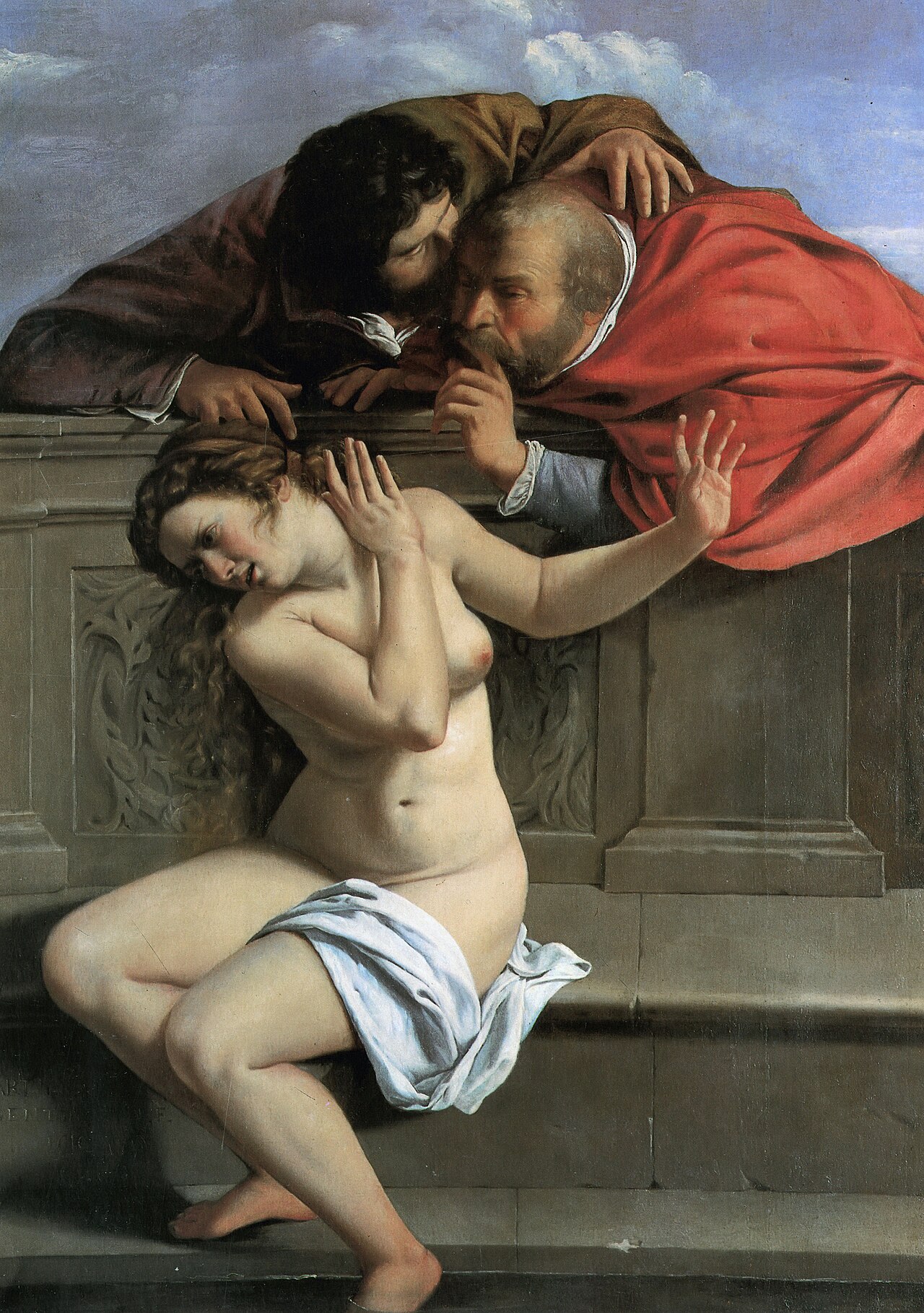
Primary source
Susanna and the Elders
Artemisia Gentileschi · 1610
 Painting
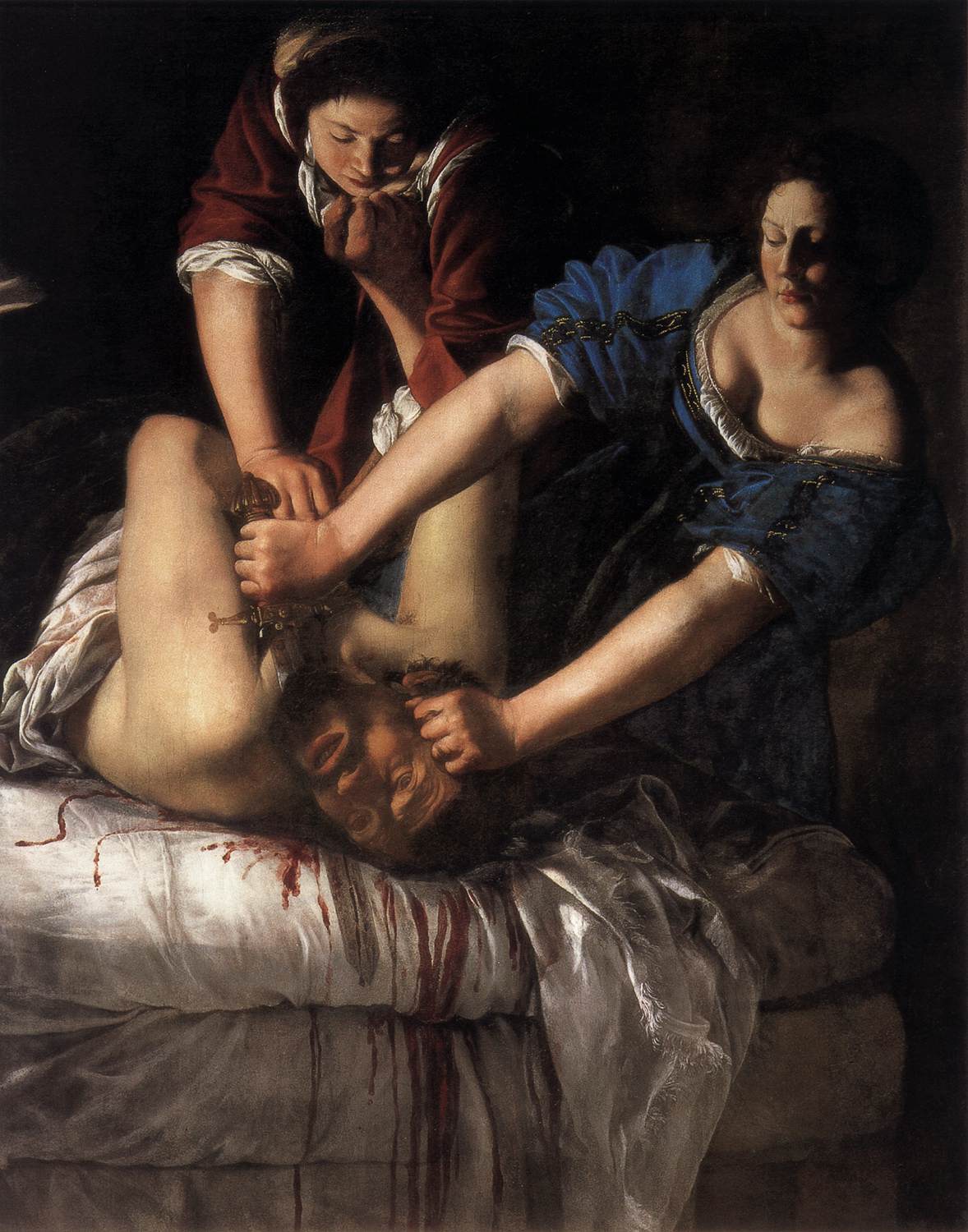
Primary source
Judith Slaying Holofernes
Artemisia Gentileschi · 1612-1613
 Painting
Primary source
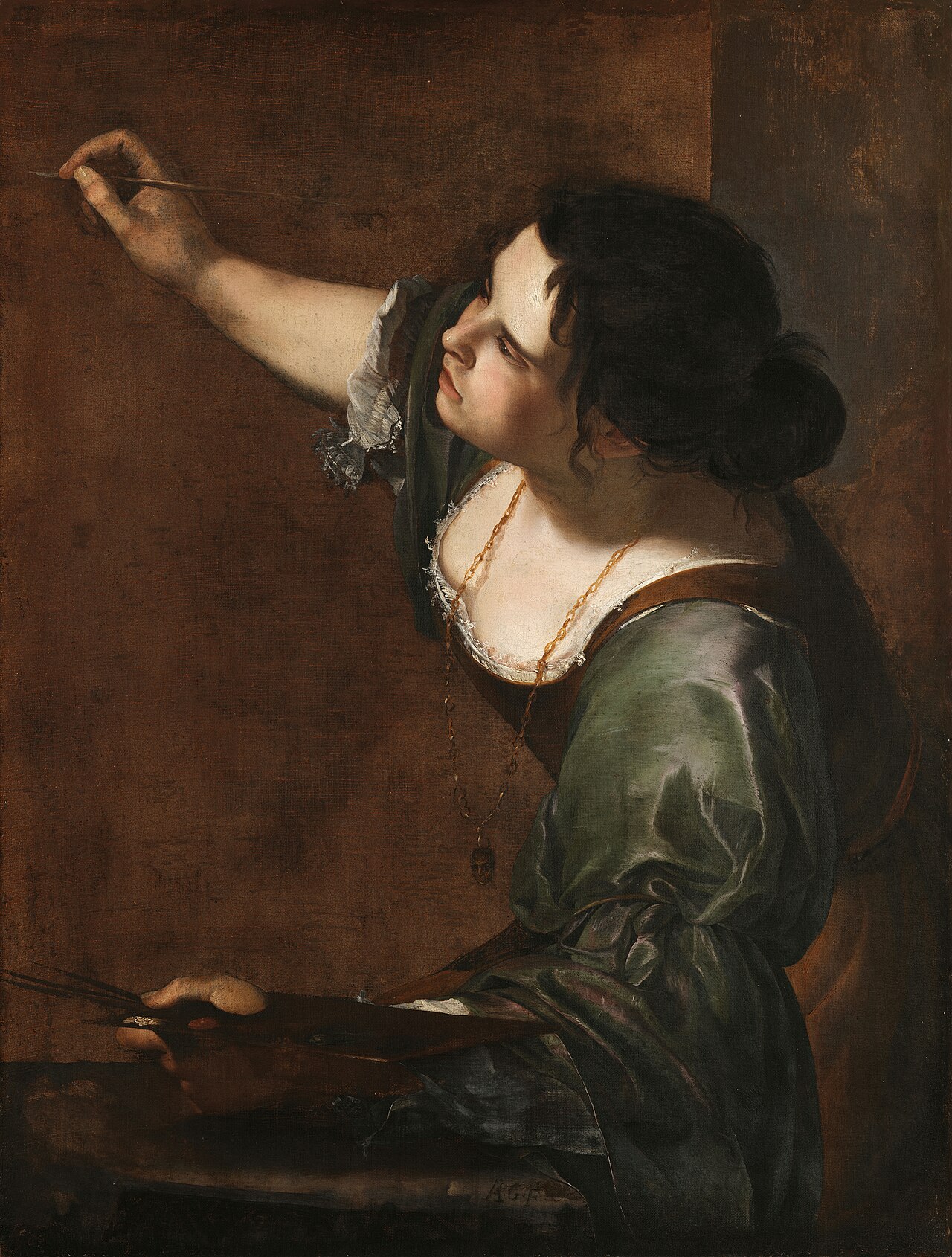
Self-Portrait as the Allegory of Painting
Artemisia Gentileschi · c. 1638-1639
 Painting
Primary source
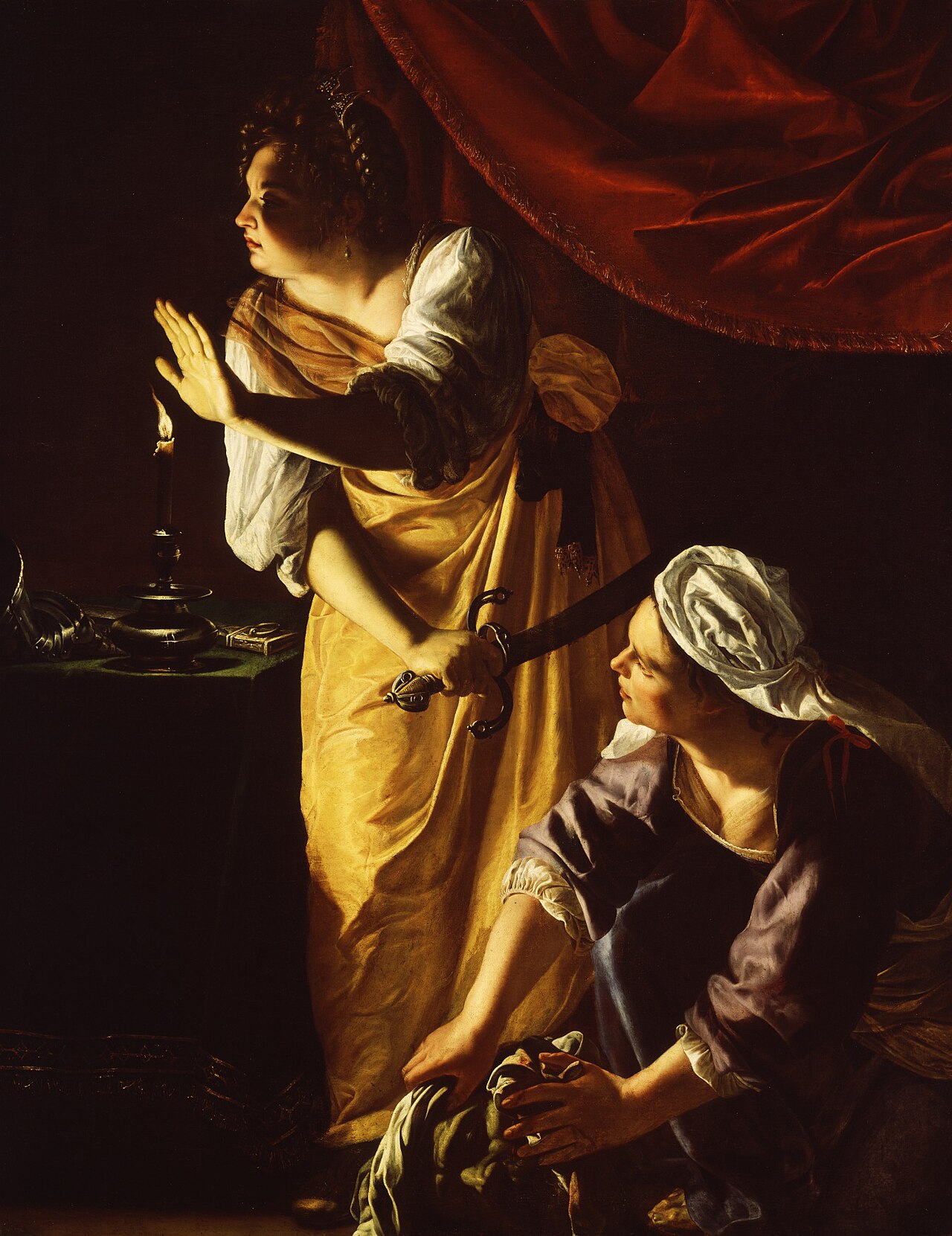
Judith and Maidservant with Head of Holofernes
Artemisia Gentileschi · c. 1623-1625
Ready when you are
Start chatting with Artemisia Gentileschi now.
20 messages free · No credit card · Available in 50+ languages.