


Primary sourceBookc. 47–62 AD (printed edition: 1643)
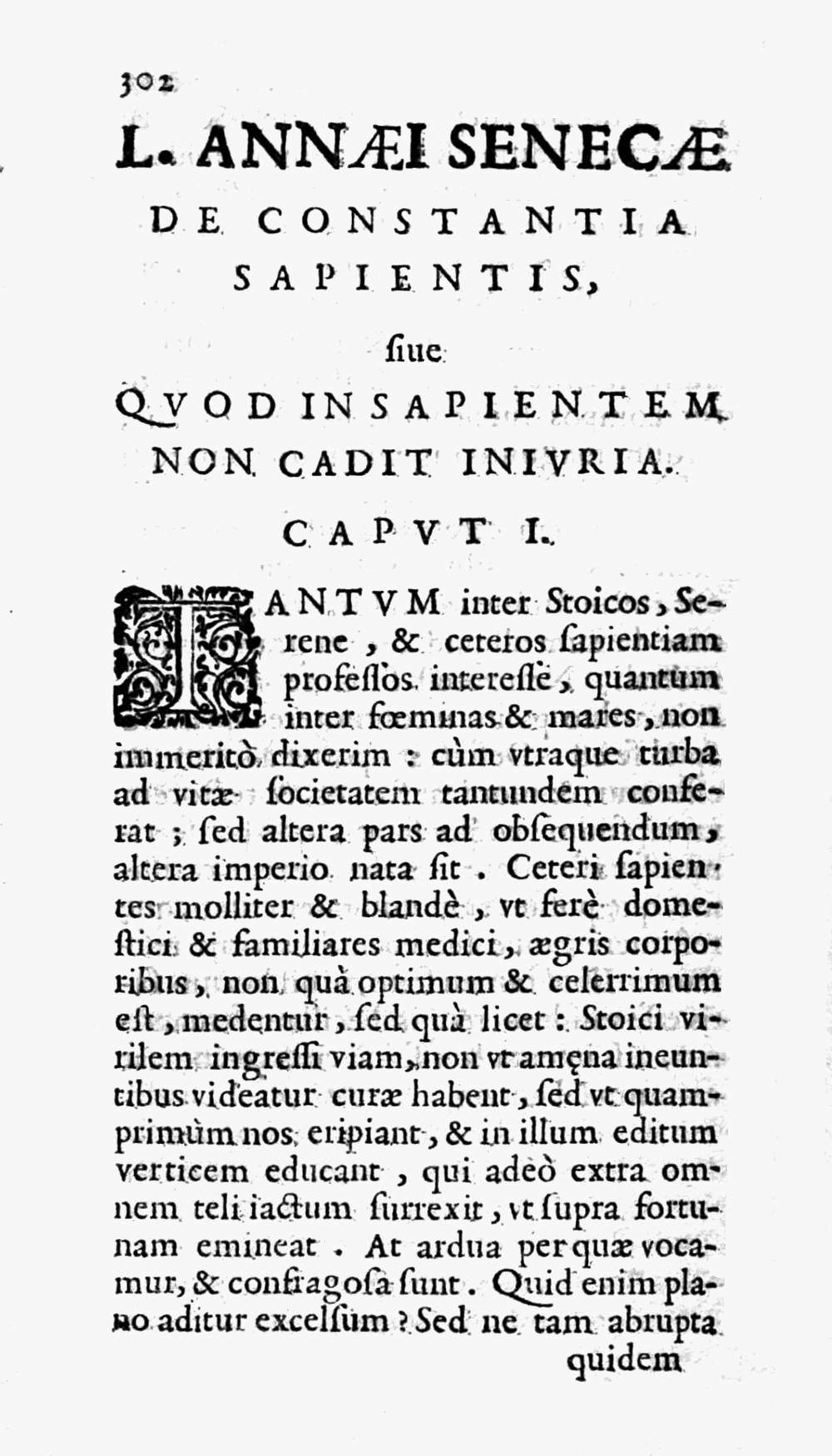
De constantia sapientis
Seneca · c. 47–62 AD (printed edition: 1643)
Seneca's essay arguing that the true Stoic sage cannot be harmed by insult or injury.
Written by Seneca himself, this essay sets out the Stoic ideal of invulnerability he tried to embody.
About this source
What it is
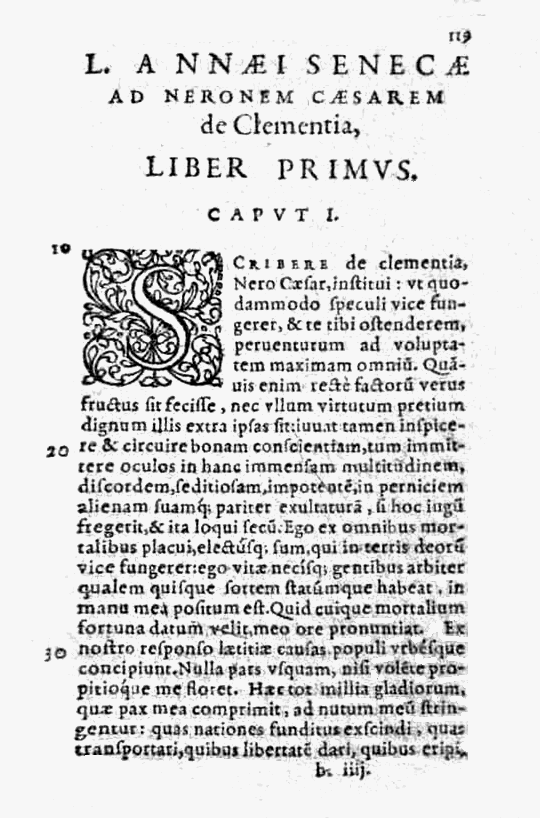
De Constantia Sapientis ("On the Firmness of the Wise") is a moral essay by Seneca written sometime between 47 and 62 AD, addressed to his friend Annaeus Serenus. It is one of three dialogues addressed to Serenus. The page shown comes from a 1643 printed Latin edition of Seneca's collected works.
Why it matters
Seneca argues that a wise person, drawing on the example of Cato the Younger, cannot truly be insulted or injured because their inner firmness makes them invulnerable to the world's blows. This is one of the clearest statements of the Stoic idea that true security comes from within, not from circumstance -- a belief that mattered deeply given Seneca's own exposed position at Nero's court. The essay shows Seneca working out Stoic theory for a friend not yet persuaded by it.
Look closer
- Why might Seneca use the example of Cato to make his argument more convincing?
- What is the difference Seneca draws between an "insult" and an "injury"?
- Does this philosophy seem realistic or idealistic to you, and why?
This book is part of the curated material that grounds the AI version of Seneca on Humy.ai — when students ask about related events, the AI can quote it and cite it.
More Seneca sources
Meet the AI Seneca →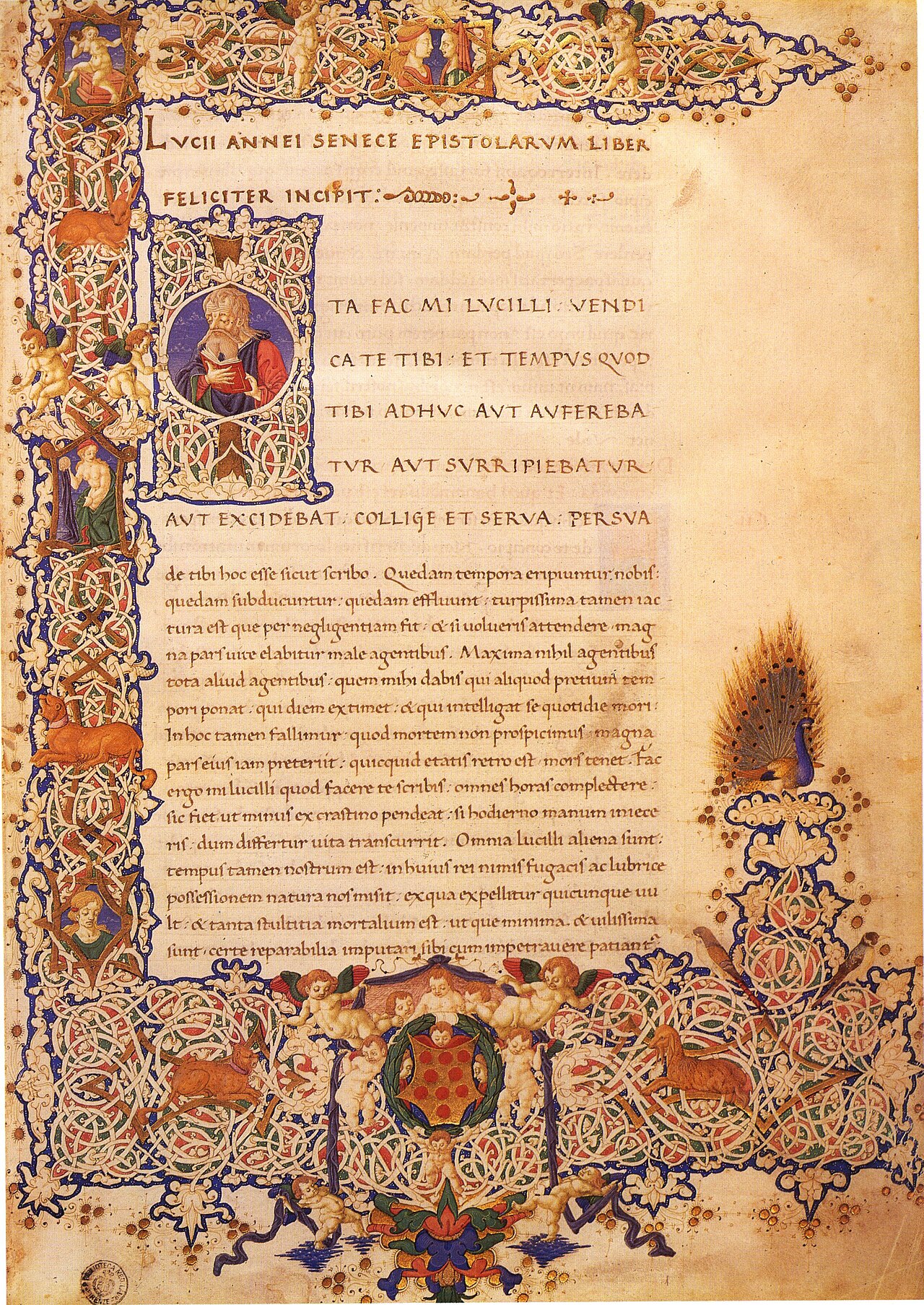 Letter
Primary source
Epistulae Morales ad Lucilium
Seneca · c. 62-65 CE
 Book
Primary source
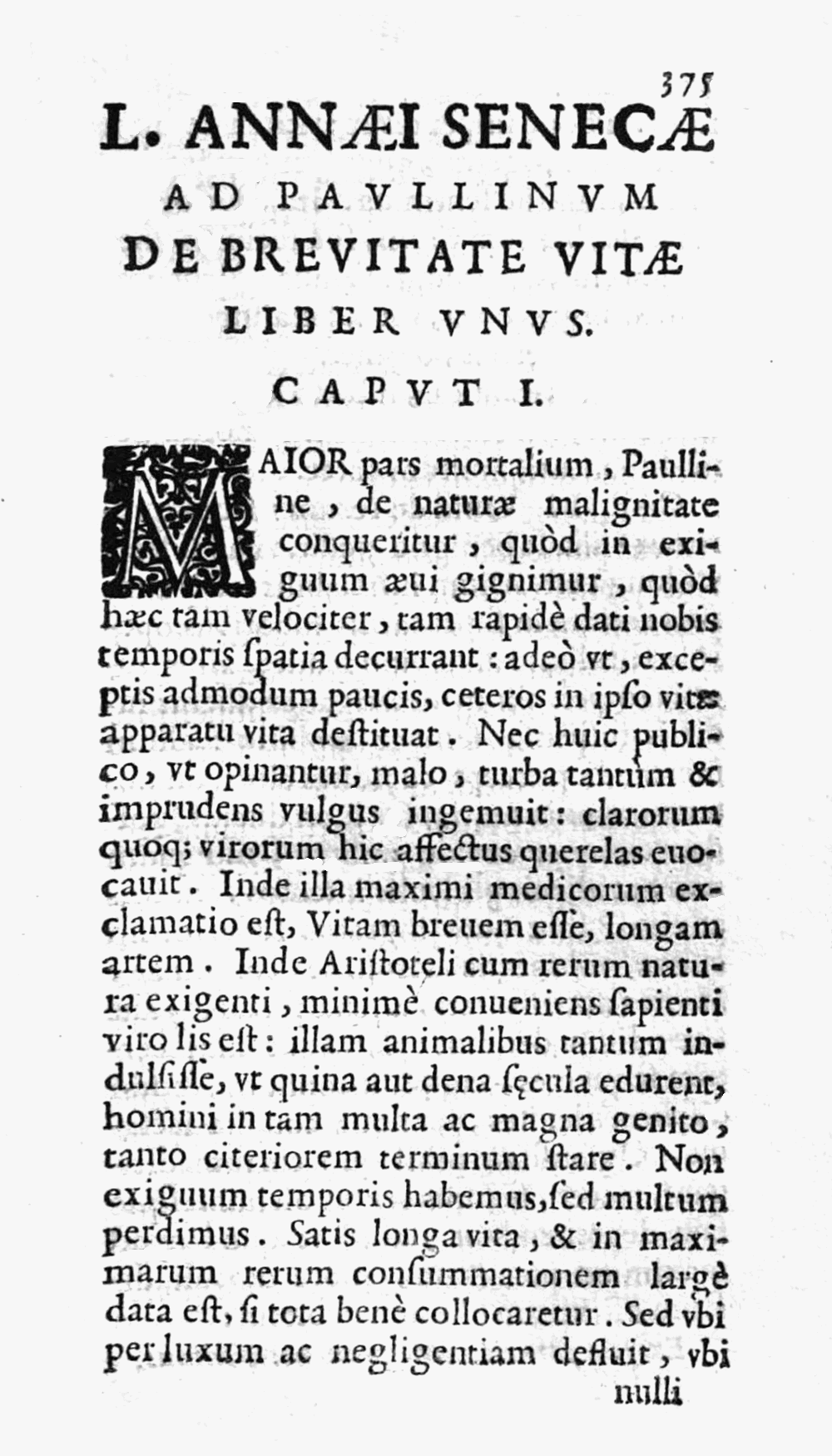
De Brevitate Vitae
Seneca · c. 49 CE
 Book
Secondary source
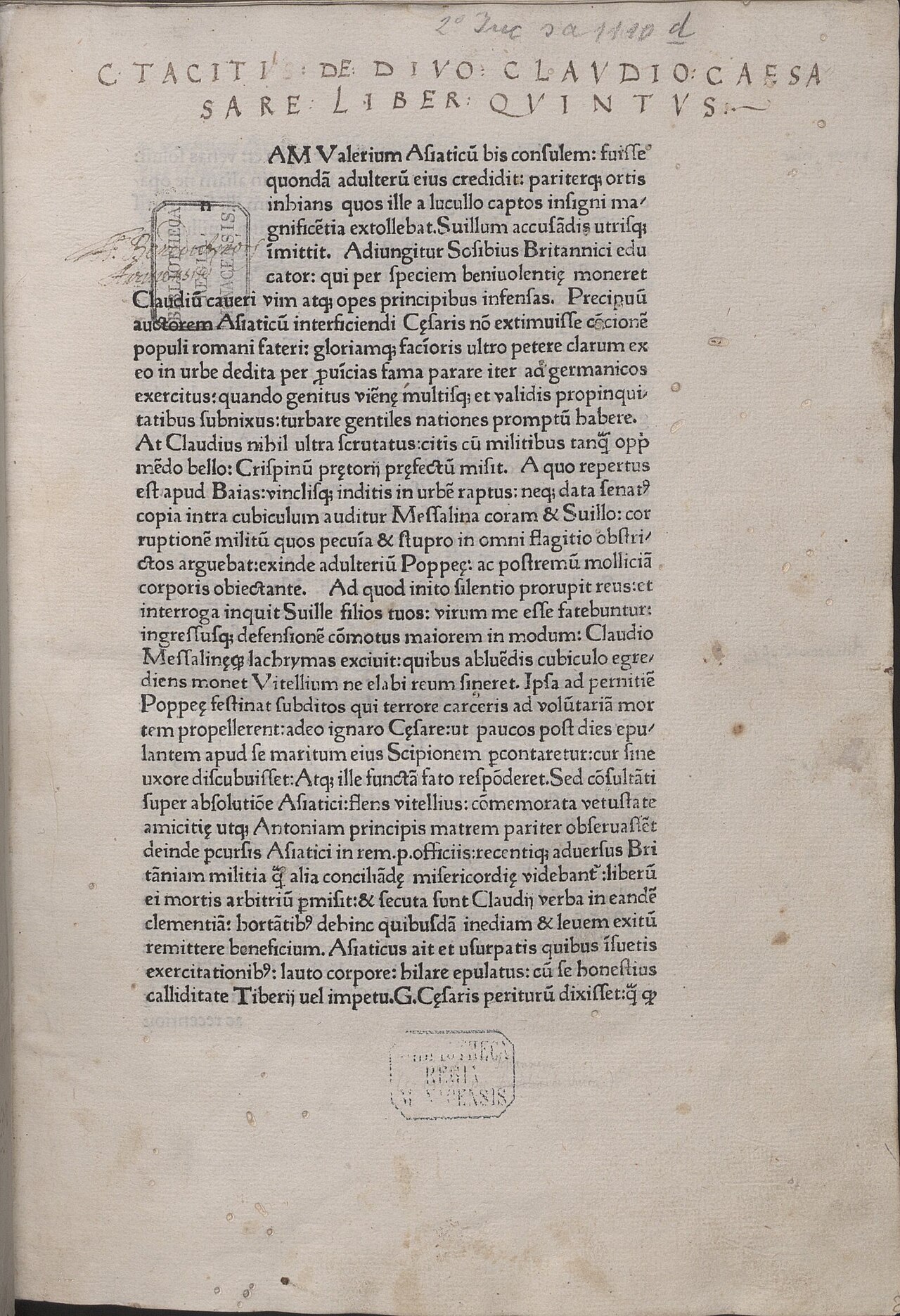
Annals
Tacitus · c. AD 116 or later
 Book
Primary source
De Clementia
Seneca · 55-56 CE
 Sculpture
Secondary source
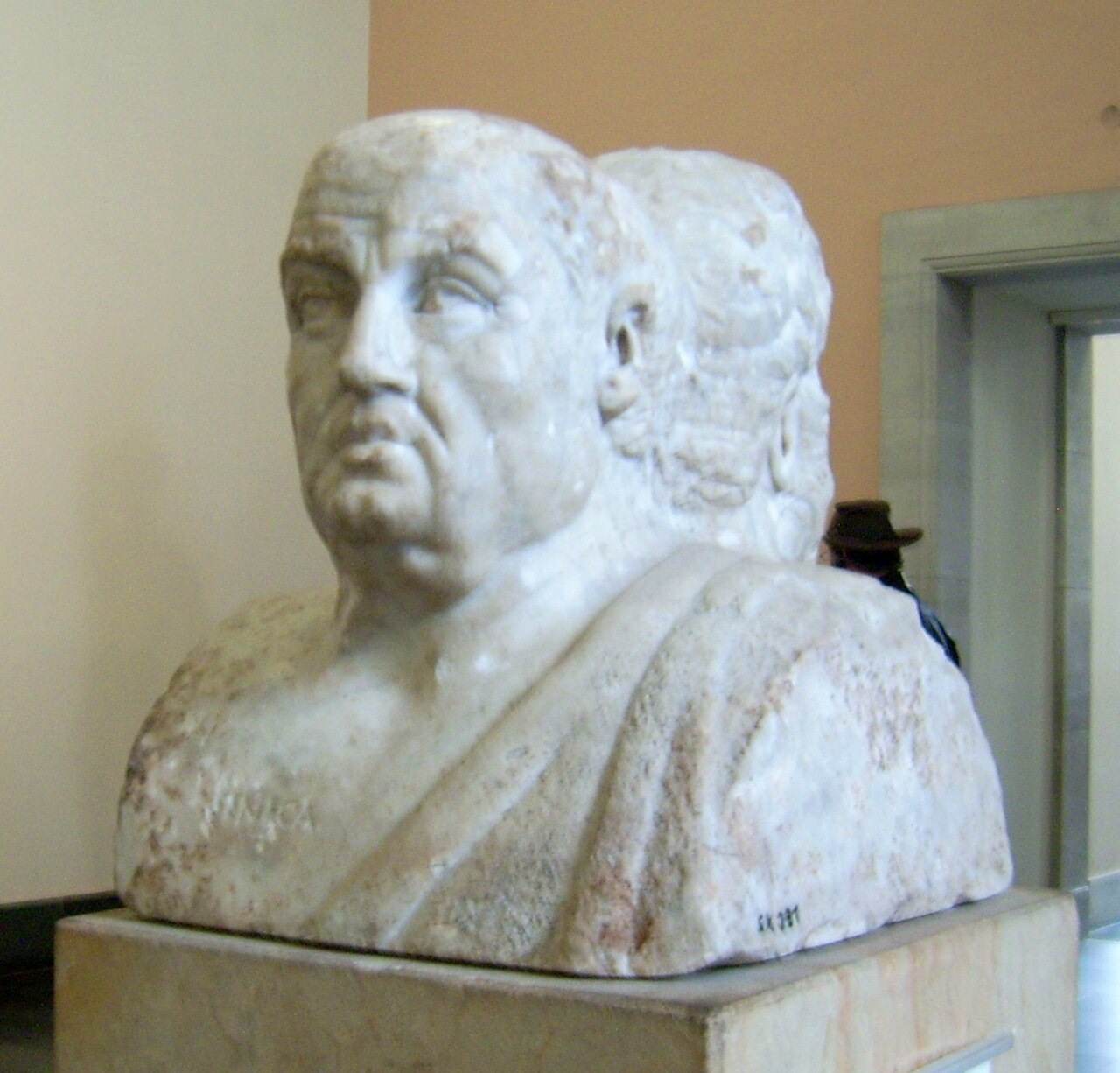
Double Herm of Socrates and Seneca
first half of the 3rd century AD
Ready when you are
Start chatting with Seneca now.
20 messages free · No credit card · Available in 50+ languages.