


Primary sourceBook
De Interpretatione
Aristotle
A treatise by Aristotle analyzing propositions, truth, contradiction and the relationship between language and logic.
This is one of Aristotle's own works, showing how he linked language, logic and truth.
About this source
What it is
Written by Aristotle, this is the second text in his collection of logical works called the Organon. It studies how language and logic connect, examining nouns, verbs, propositions, and how statements can affirm or deny something.
Why it matters
This work is among the earliest surviving philosophical texts to deal formally with the relationship between language and logic in Western thought. It includes Aristotle's famous discussion of the 'sea-battle' problem, which asks whether statements about the future can be true or false before the event happens. This question about future contingents has been debated by philosophers for centuries since.
Look closer
- Why might the question of whether a future event is already true or false matter so much to philosophers?
- What does Aristotle's interest in language tell you about how he approached philosophy?
- How might this text have shaped the way later scholars thought about logic?
This book is part of the curated material that grounds the AI version of Aristotle on Humy.ai — when students ask about related events, the AI can quote it and cite it.
More Aristotle sources
Meet the AI Aristotle →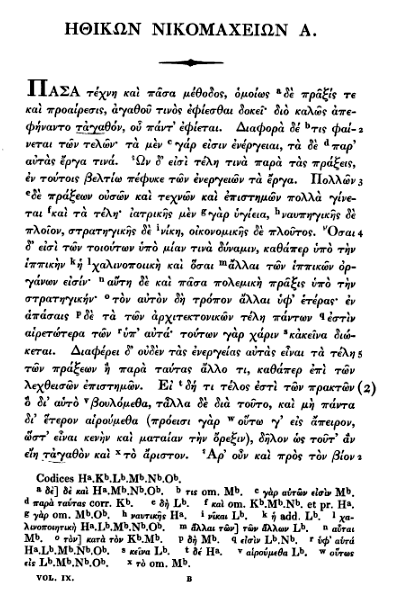

Ready when you are
Start chatting with Aristotle now.
20 messages free · No credit card · Available in 50+ languages.