


Primary sourceBookc. 62 AD (printed edition: 1643)
De otio
Seneca · c. 62 AD (printed edition: 1643)
Seneca's essay defending a withdrawn, contemplative life, likely written as he stepped back from Nero's court.
Written by Seneca himself, this essay likely reflects his own retreat from public life under Nero.
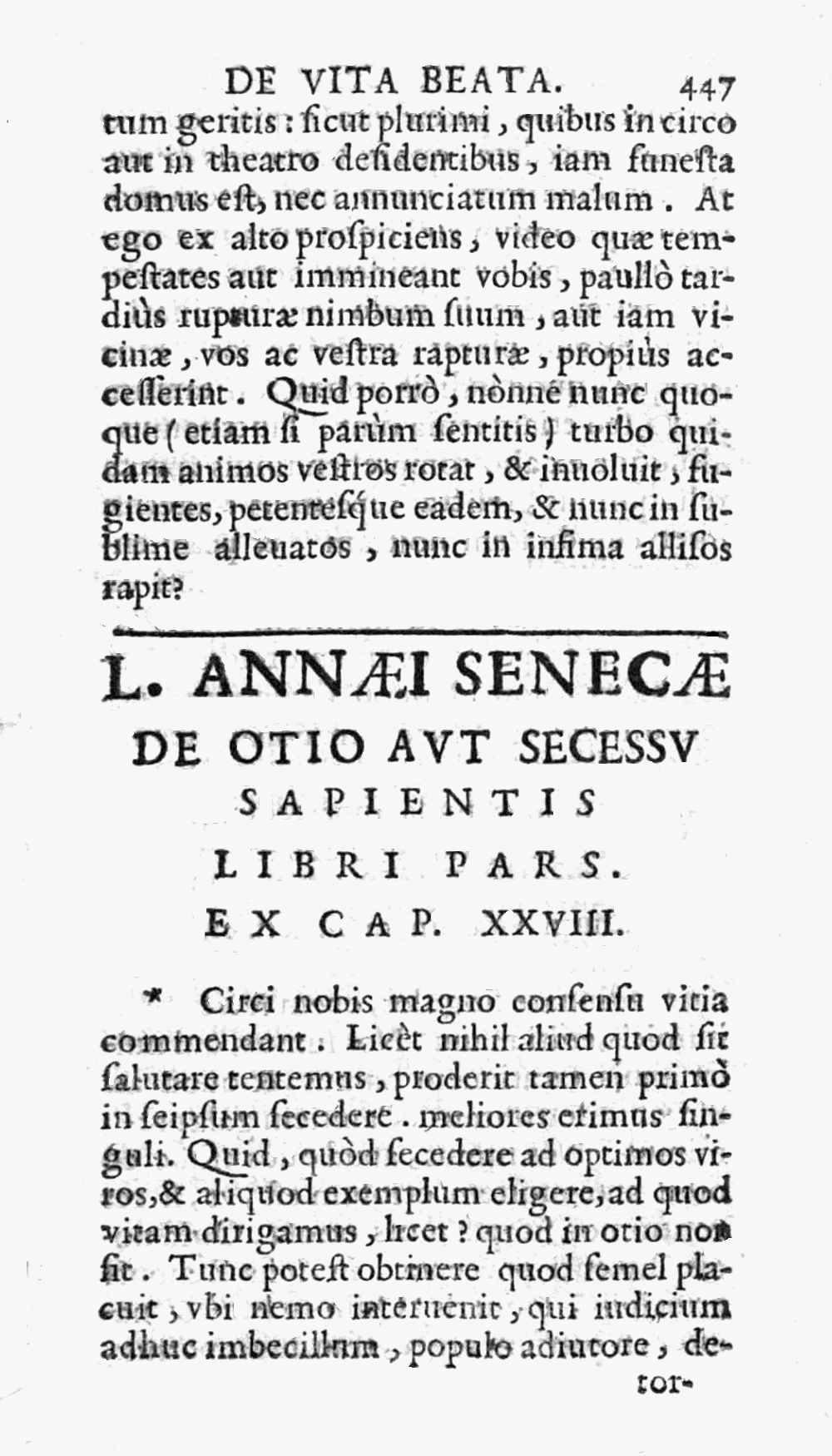
About this source
What it is
De Otio ("On Leisure") is a Latin essay by Seneca, surviving only in fragments, probably written around the end of his life. It is addressed to his friend Serenus and forms one of three dialogues to him, alongside De Constantia Sapientis and De Tranquillitate Animi. The page shown is from a 1643 printed edition of Seneca's collected works.
Why it matters
In the essay Seneca argues that withdrawing from public life does not mean abandoning usefulness to others -- a wise person can still serve humanity through thought about nature and the universe. Many scholars connect this argument to Seneca's own retreat from Nero's court near the end of his life, as his influence there became dangerous. The essay shows how Seneca tried to justify his personal choices through Stoic philosophy.
Look closer
- Why might Seneca have needed to justify a withdrawal from politics so carefully?
- How does Seneca redefine "leisure" compared to how we might use the word today?
- What does the essay's fragmentary survival suggest about how ancient texts reach us?
This book is part of the curated material that grounds the AI version of Seneca on Humy.ai — when students ask about related events, the AI can quote it and cite it.
More Seneca sources
Meet the AI Seneca →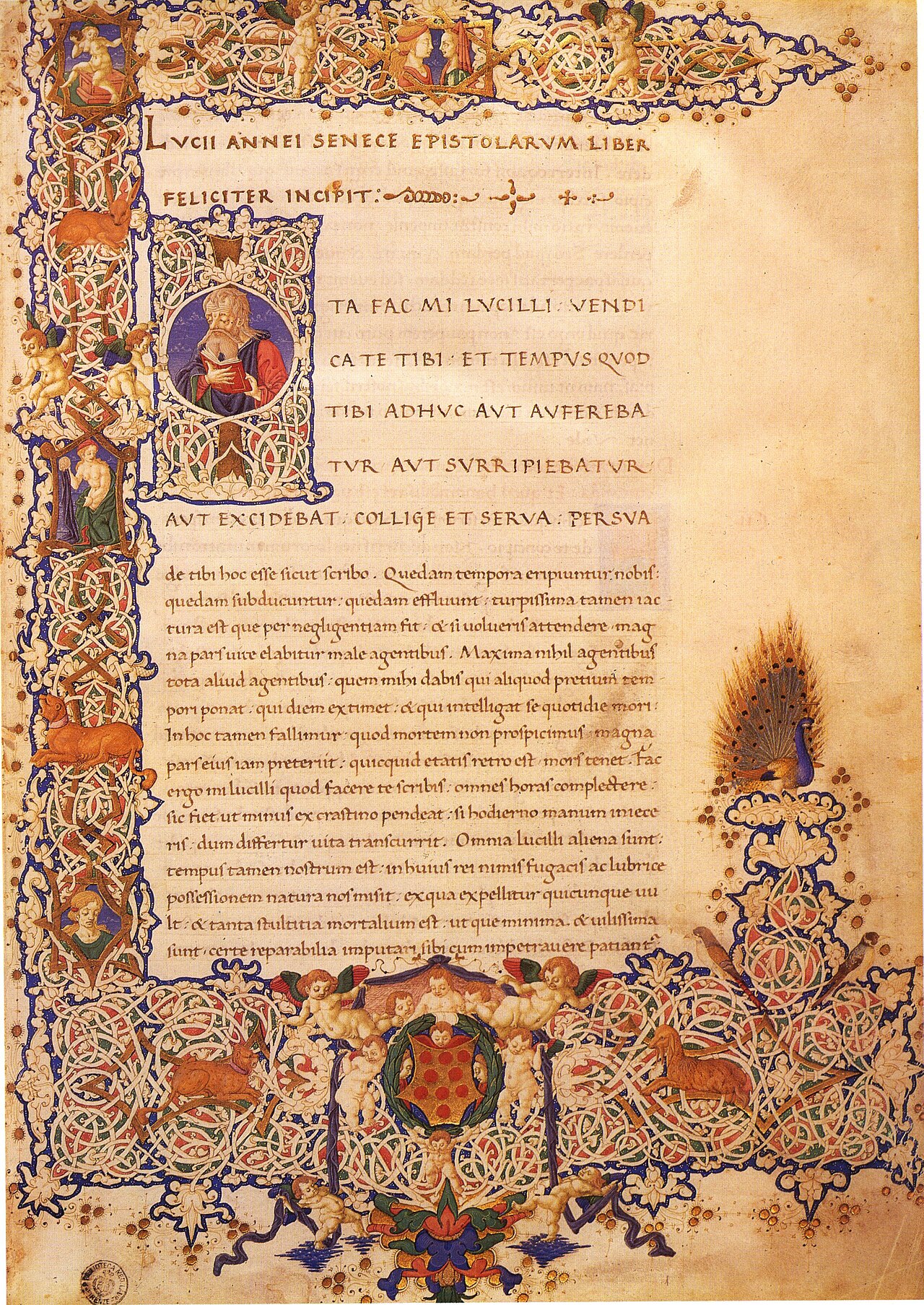 Letter
Primary source
Epistulae Morales ad Lucilium
Seneca · c. 62-65 CE
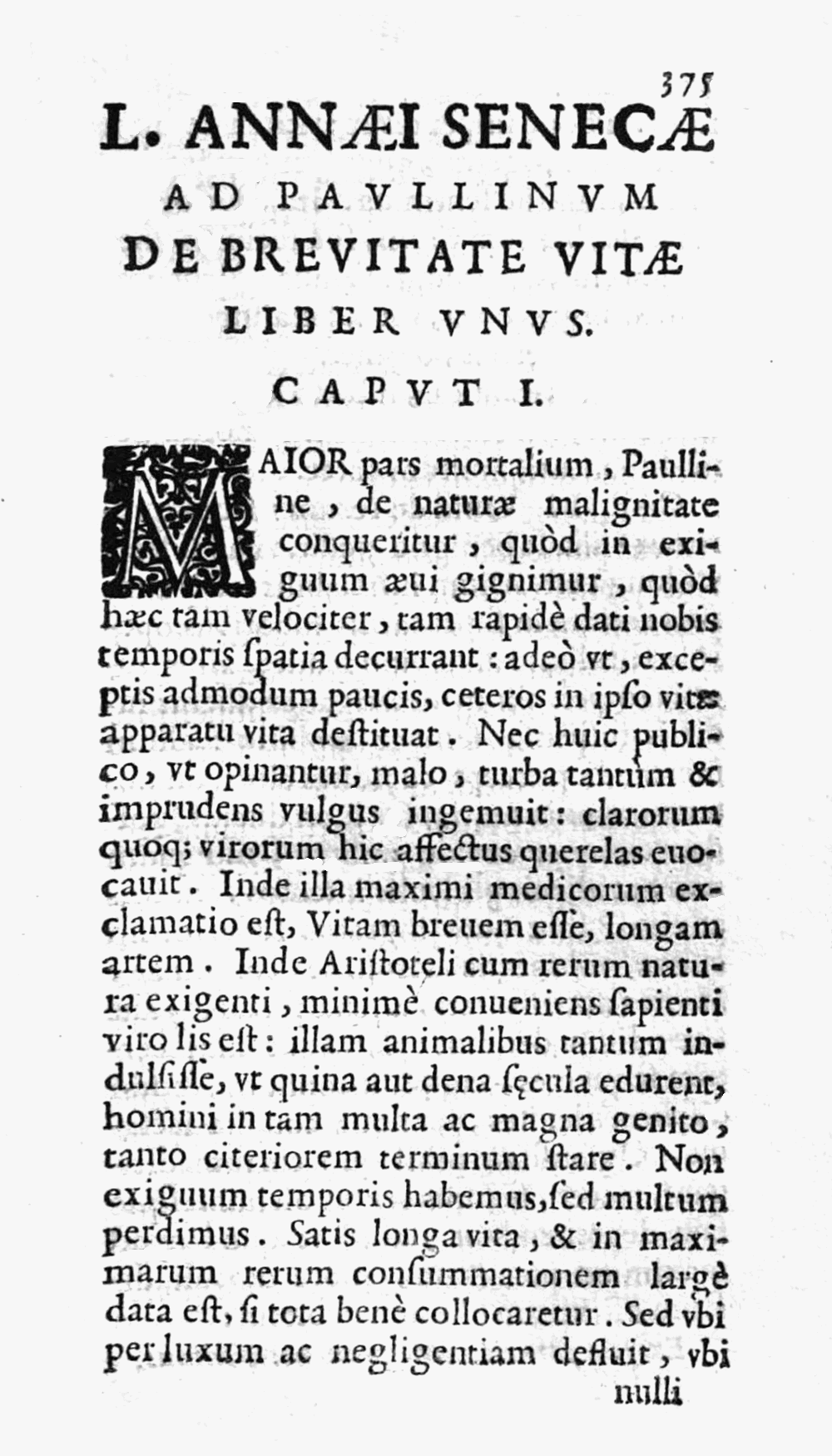 Book
Primary source
De Brevitate Vitae
Seneca · c. 49 CE
 Book
Secondary source
Annals
Tacitus · c. AD 116 or later
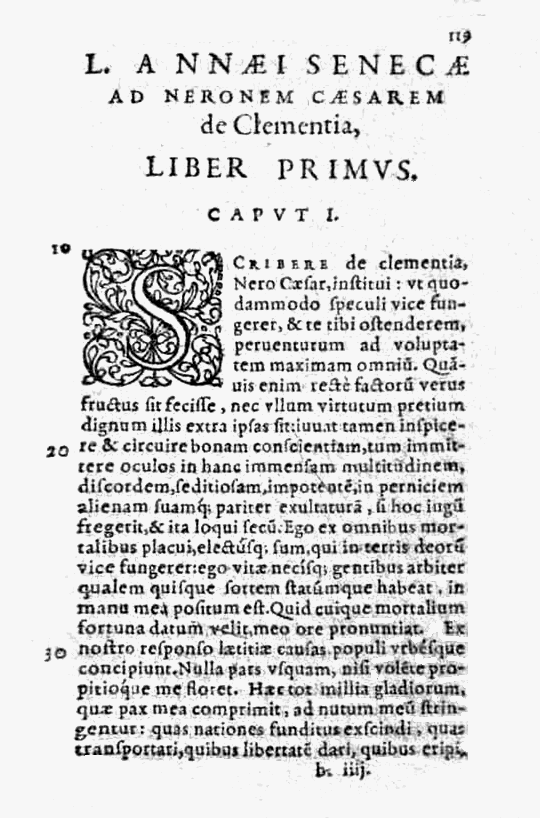 Book
Primary source
De Clementia
Seneca · 55-56 CE
 Sculpture
Secondary source
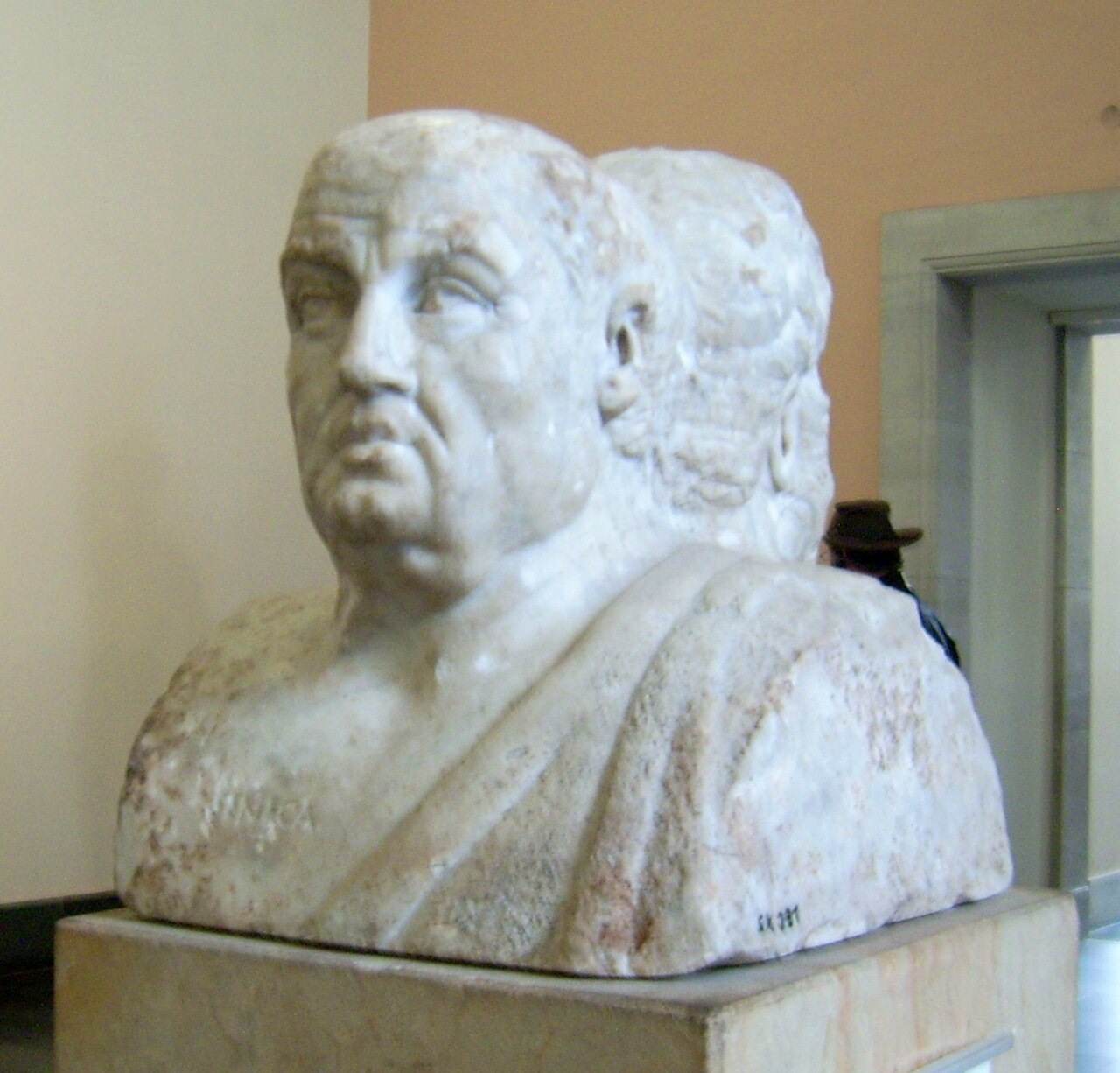
Double Herm of Socrates and Seneca
first half of the 3rd century AD
Ready when you are
Start chatting with Seneca now.
20 messages free · No credit card · Available in 50+ languages.