


Primary sourceBookc. 58 AD
De Vita Beata
Seneca · c. 58 AD
Seneca's philosophical dialogue defending wealth and happiness through Stoic reason, written to answer accusations of hypocrisy about his own riches.
Seneca wrote this to defend his own wealth and reputation, making it a direct source on his public image and philosophy.
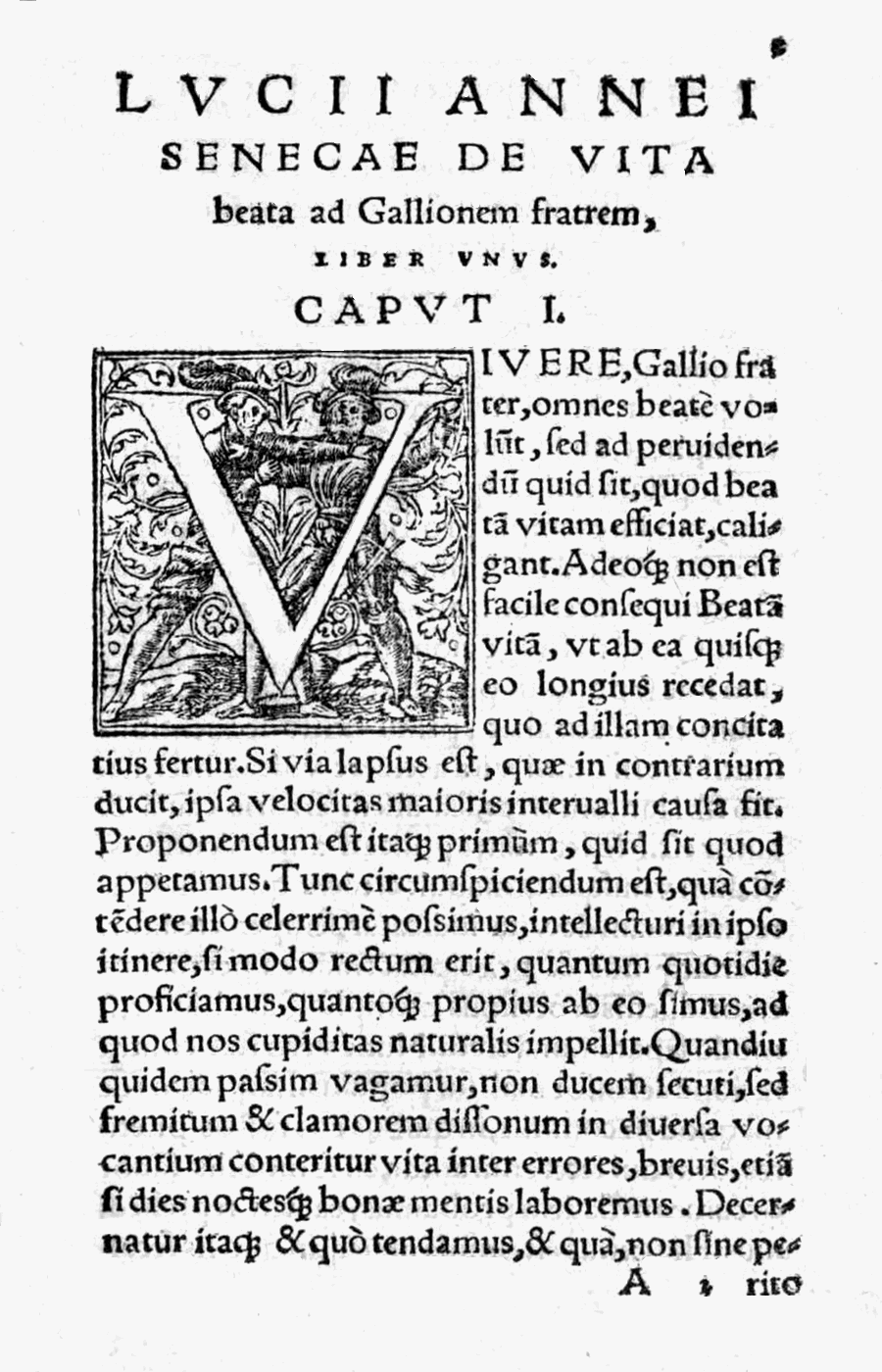
About this source
What it is
De Vita Beata, 'On the Happy Life,' is a dialogue written by Seneca the Younger around the year 58 AD, dedicated to his brother Gallio. Divided into 28 chapters, it presents Seneca's mature Stoic thought on happiness as the pursuit of reason and life in harmony with nature. The earliest surviving manuscript dates from the 11th century.
Why it matters
Part of the work directly defends the possession of wealth by a philosopher, likely responding to public criticism Seneca faced around 58 AD over his own great riches. It shows how Seneca tried to reconcile his Stoic teaching with his real position of power and wealth near the start of Nero's reign.
Look closer
- Why might a philosopher need to publicly defend owning wealth?
- What does the gap between Seneca's teaching and his own life tell us about judging historical figures?
- How does Seneca try to separate wealth itself from the virtue of the person who holds it?
This book is part of the curated material that grounds the AI version of Seneca on Humy.ai — when students ask about related events, the AI can quote it and cite it.
More Seneca sources
Meet the AI Seneca →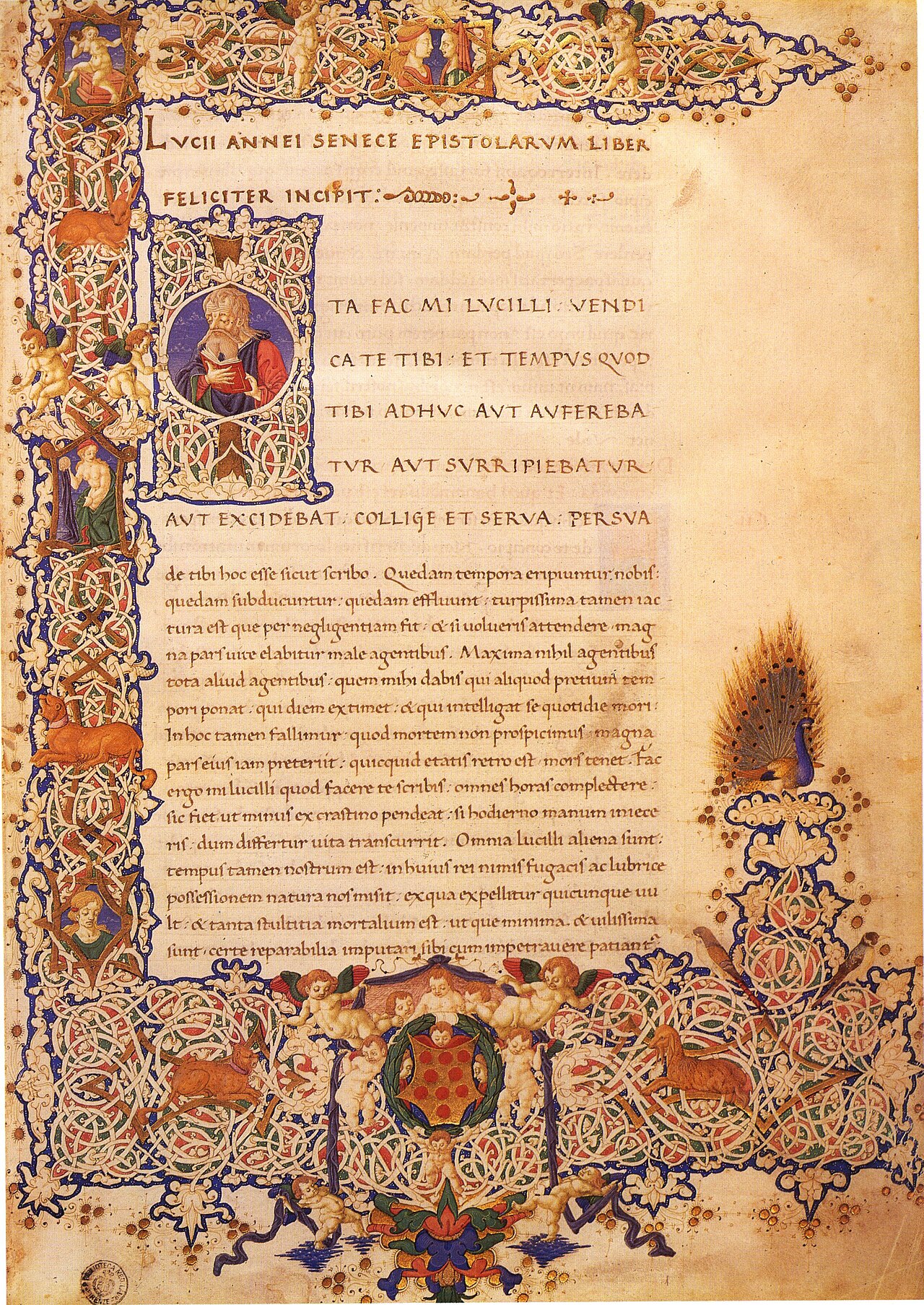 Letter
Primary source
Epistulae Morales ad Lucilium
Seneca · c. 62-65 CE
 Book
Primary source
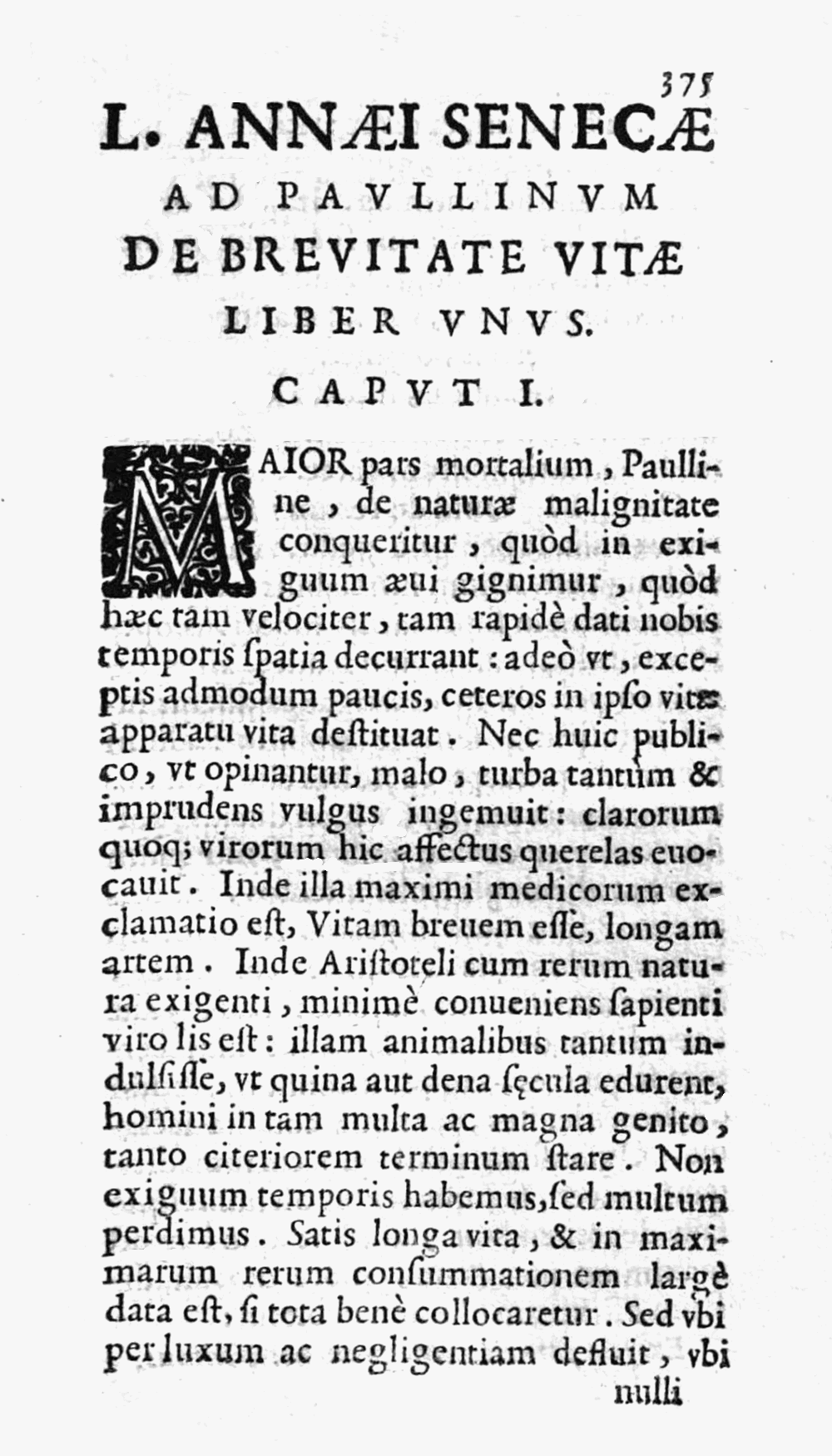
De Brevitate Vitae
Seneca · c. 49 CE
 Book
Secondary source
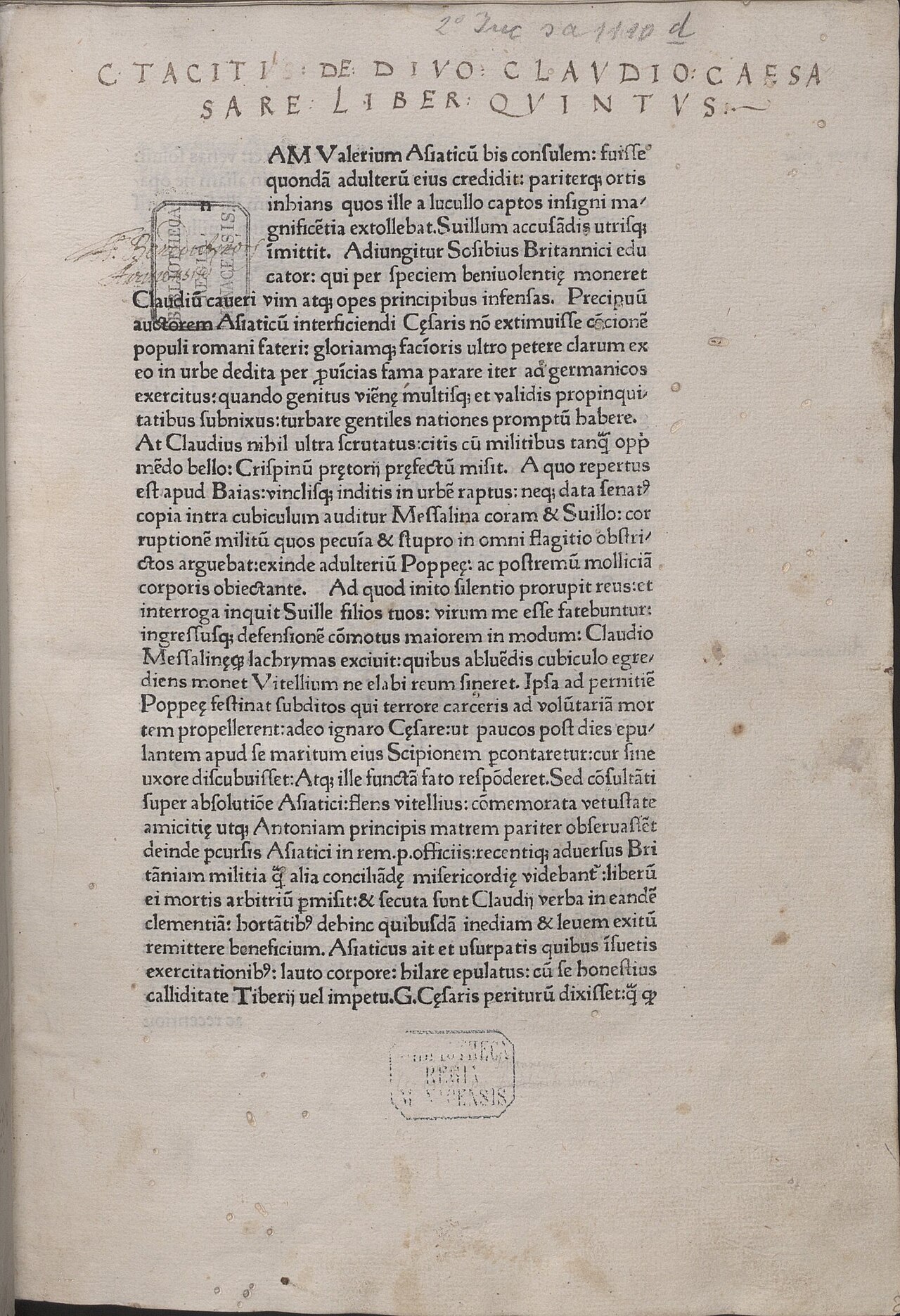
Annals
Tacitus · c. AD 116 or later
 Book
Primary source
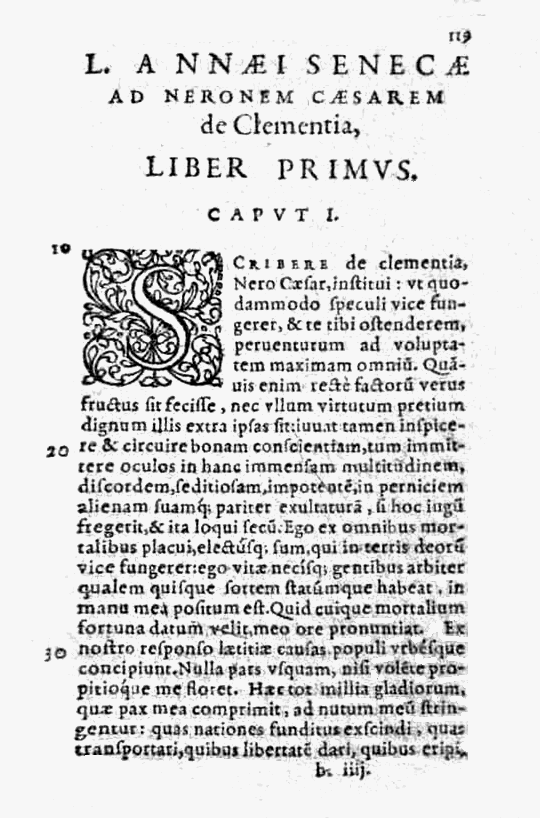
De Clementia
Seneca · 55-56 CE
 Sculpture
Secondary source
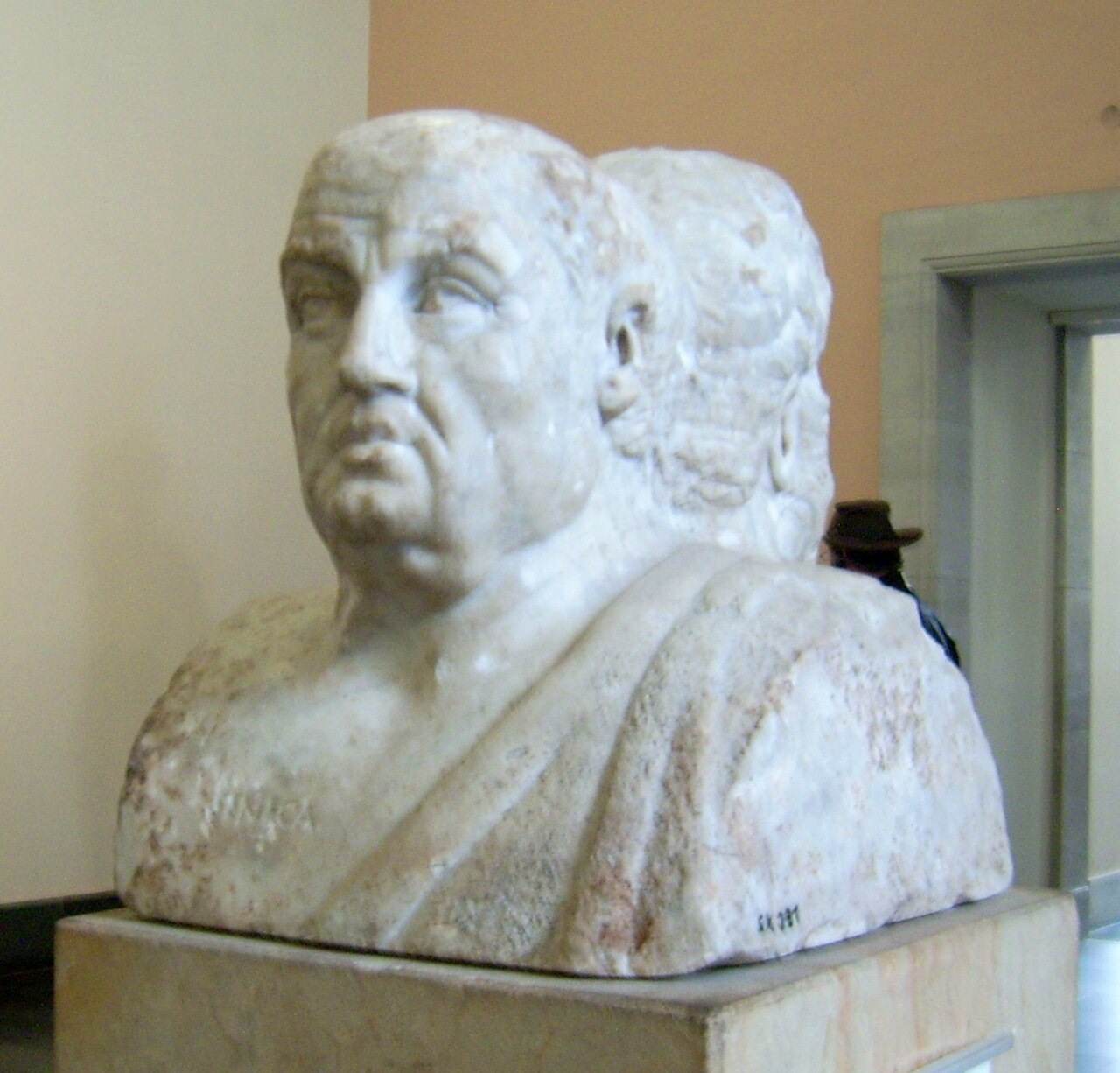
Double Herm of Socrates and Seneca
first half of the 3rd century AD
Ready when you are
Start chatting with Seneca now.
20 messages free · No credit card · Available in 50+ languages.