


Secondary sourcePainting1684
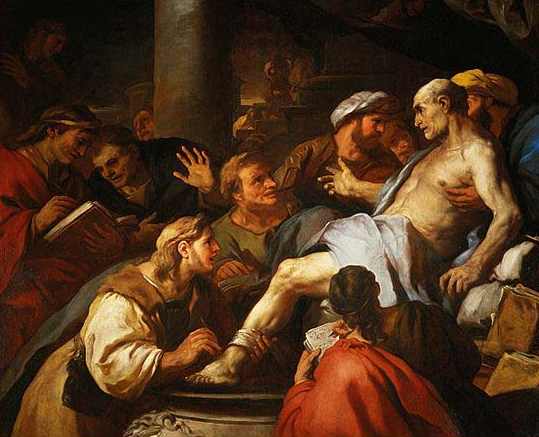
Death of Seneca
Luca Giordano · 1684
A baroque painting by Luca Giordano showing Seneca's forced suicide, a scene widely painted in the 1600s.
A dramatic depiction of Seneca's forced suicide, showing how later centuries remembered his death.
About this source
What it is
Painted in 1684 by Luca Giordano, this large oil painting is held in the Department of Paintings of the Louvre. It depicts the death of Seneca, who bleeds from a wound while attended by others around him.
Why it matters
The scene comes from ancient accounts, notably Tacitus, describing how Seneca was ordered to take his own life. Its popularity in the 17th century as a subject for painters shows how Seneca's death was seen as a powerful example of Stoic courage and dignity, worth depicting again and again by different artists.
Look closer
- What emotions do the surrounding figures express, and why might the artist have included them?
- Why do you think this particular moment from Seneca's life was painted so often?
- What does the painting choose to show, and what might it leave out or soften from the historical accounts?
This painting is part of the curated material that grounds the AI version of Seneca on Humy.ai — when students ask about related events, the AI can quote it and cite it.
More Seneca sources
Meet the AI Seneca →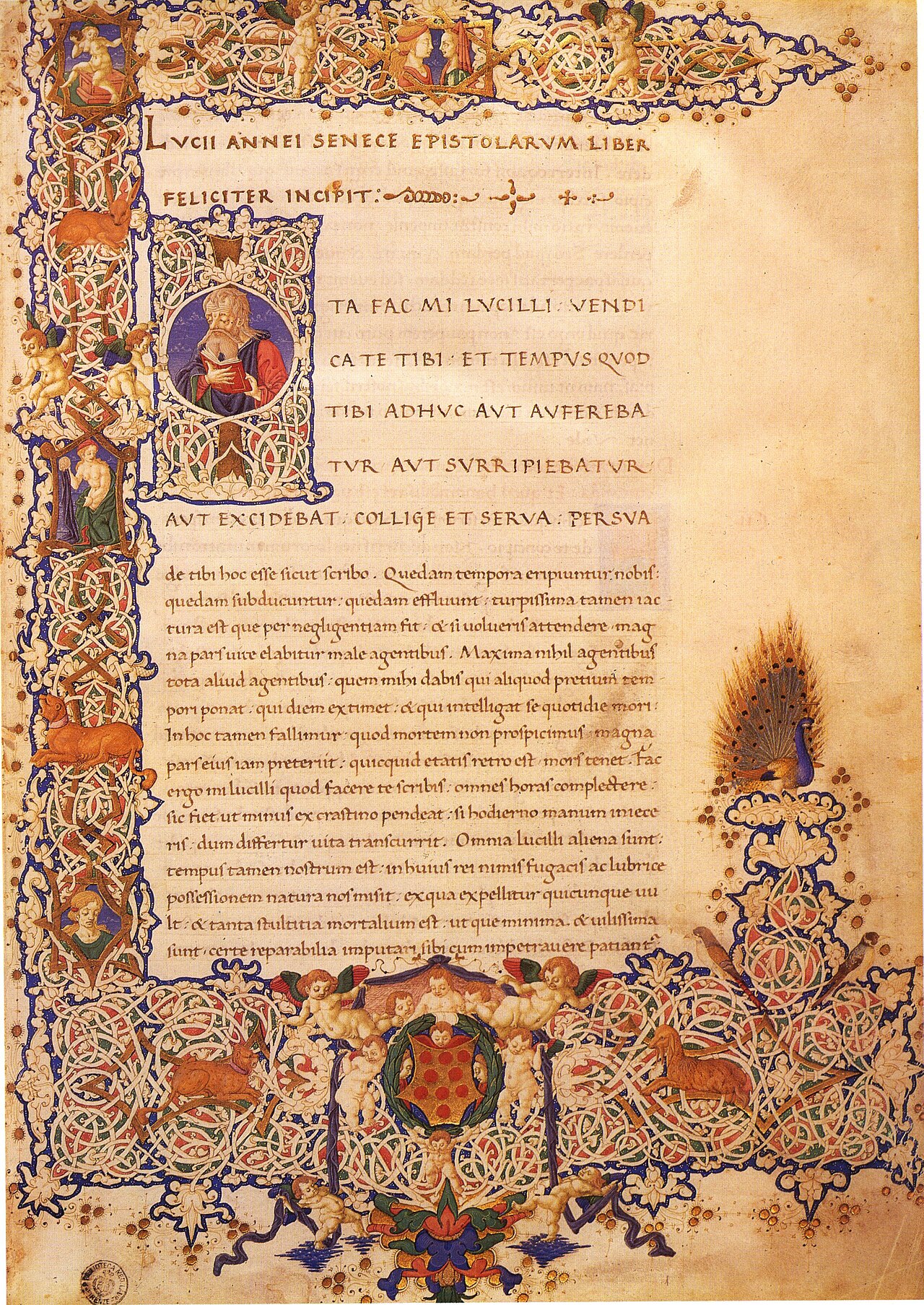 Letter
Primary source
Epistulae Morales ad Lucilium
Seneca · c. 62-65 CE
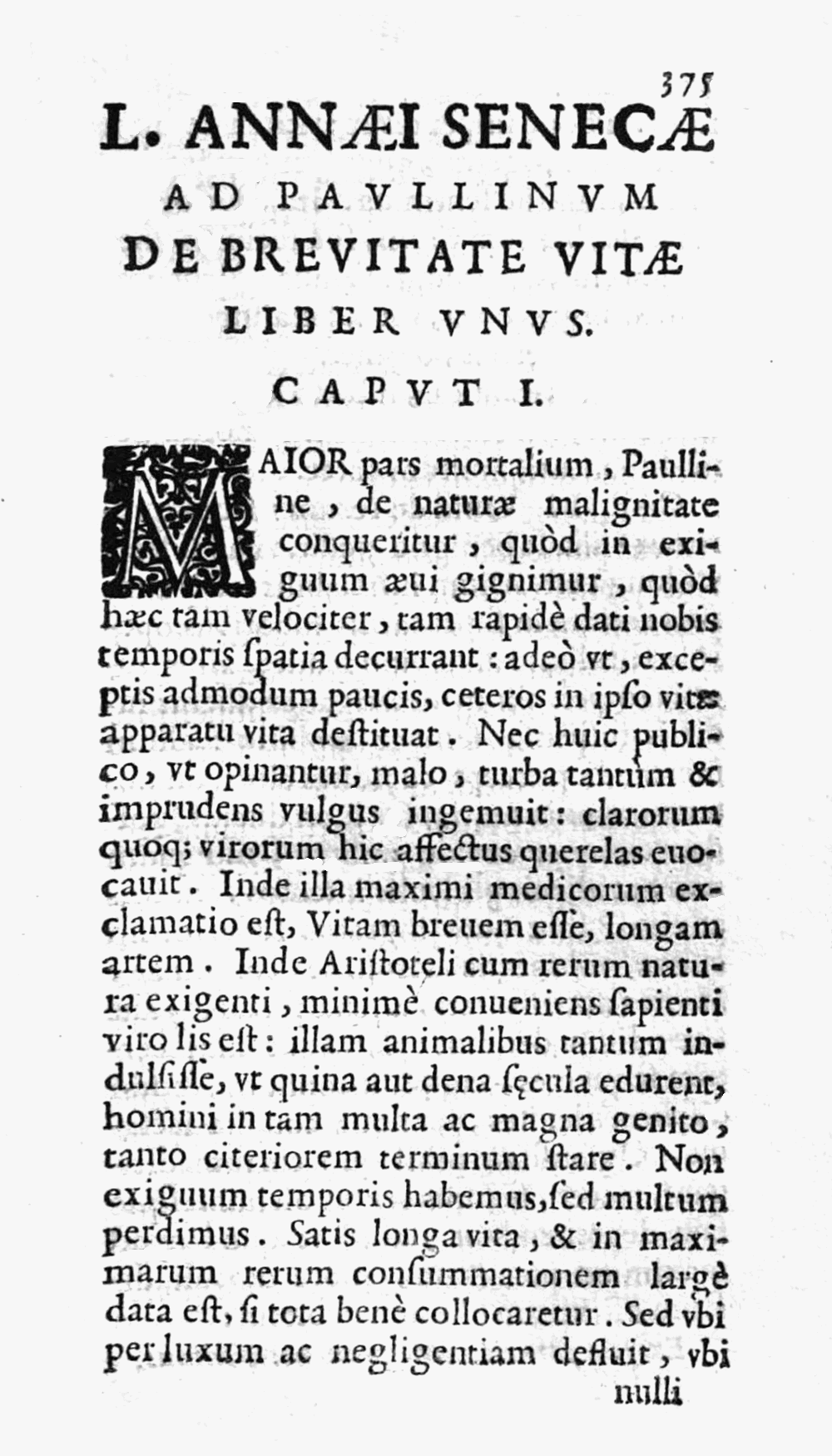 Book
Primary source
De Brevitate Vitae
Seneca · c. 49 CE
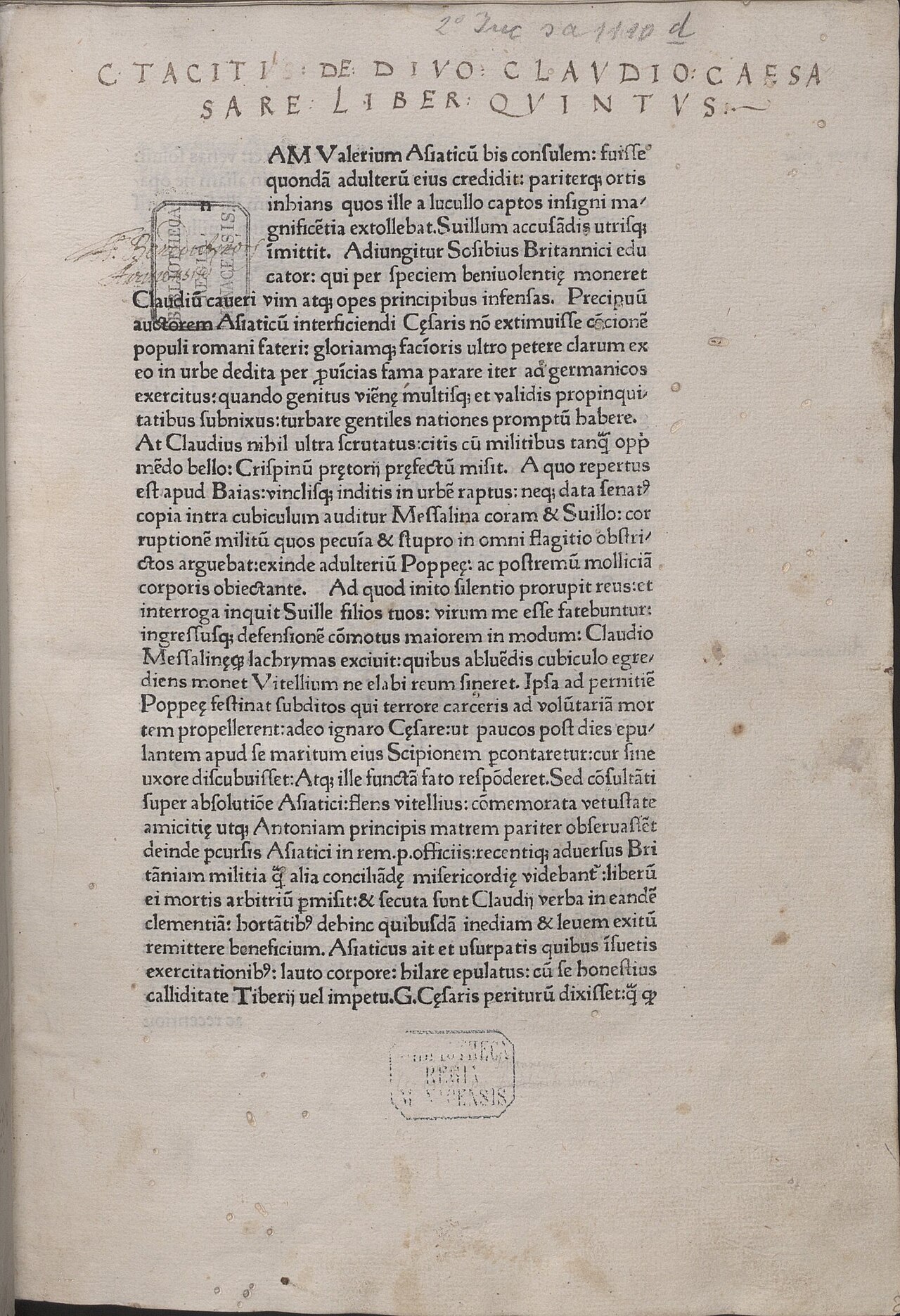 Book
Secondary source
Annals
Tacitus · c. AD 116 or later
 Book
Primary source
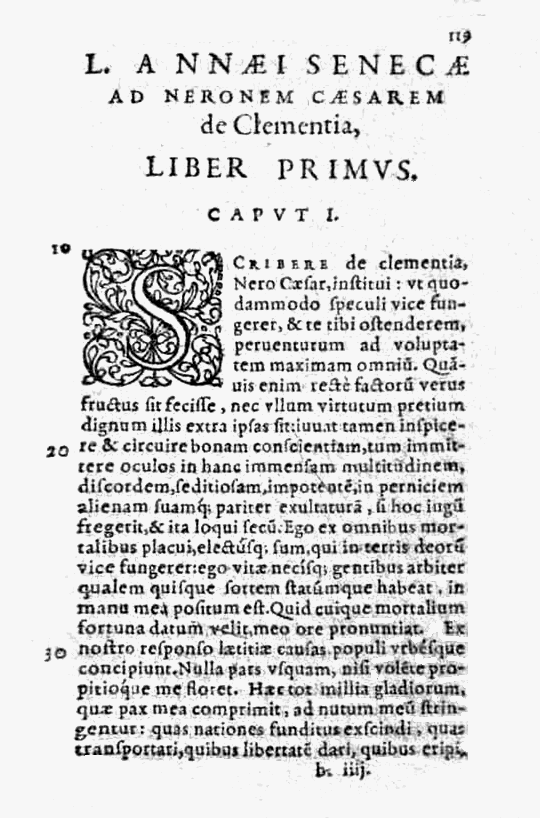
De Clementia
Seneca · 55-56 CE
 Sculpture
Secondary source
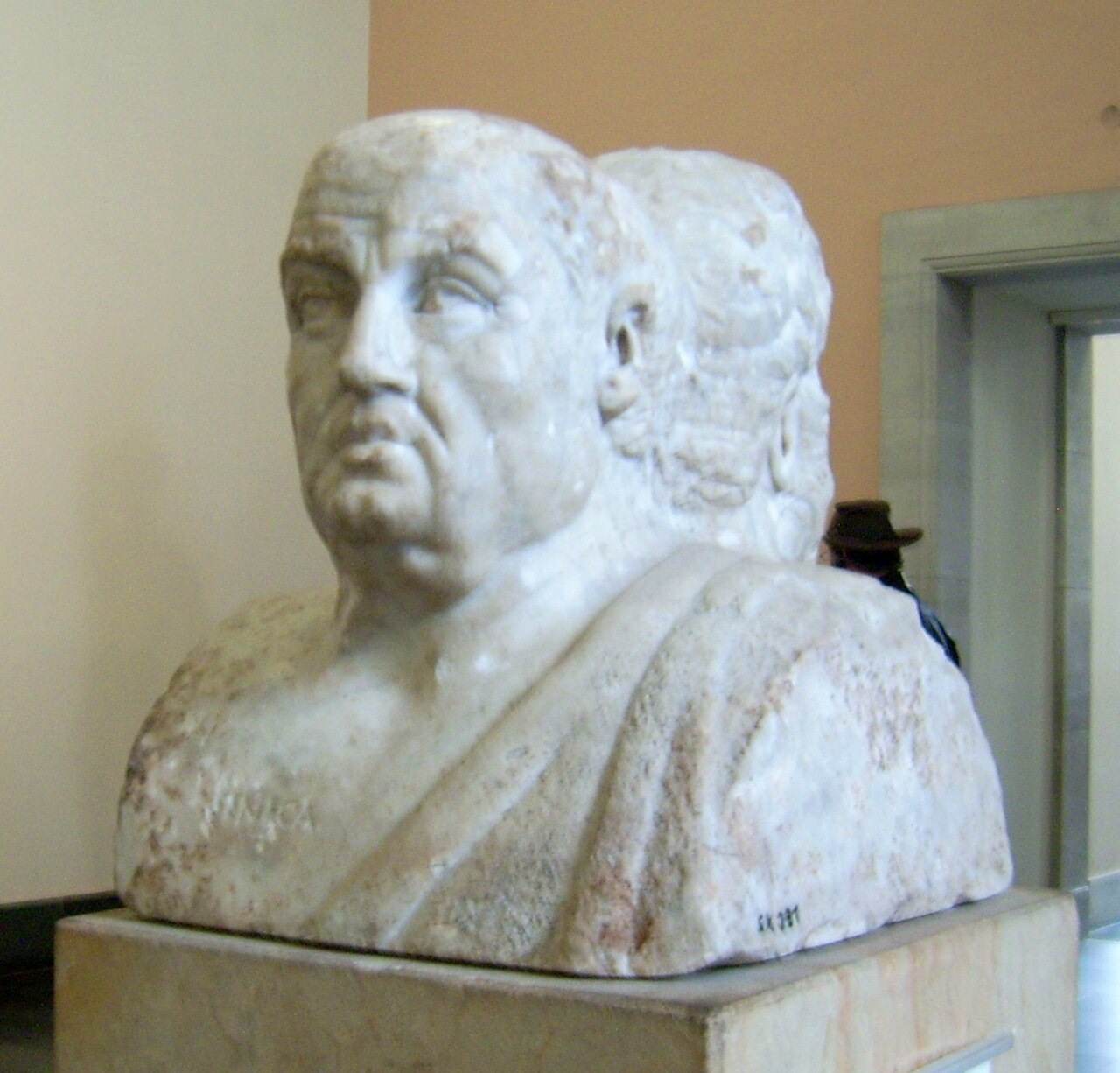
Double Herm of Socrates and Seneca
first half of the 3rd century AD
Ready when you are
Start chatting with Seneca now.
20 messages free · No credit card · Available in 50+ languages.