


Secondary sourceSculpture2nd–3rd century
Death of the Buddha (Parinirvana)
2nd–3rd century
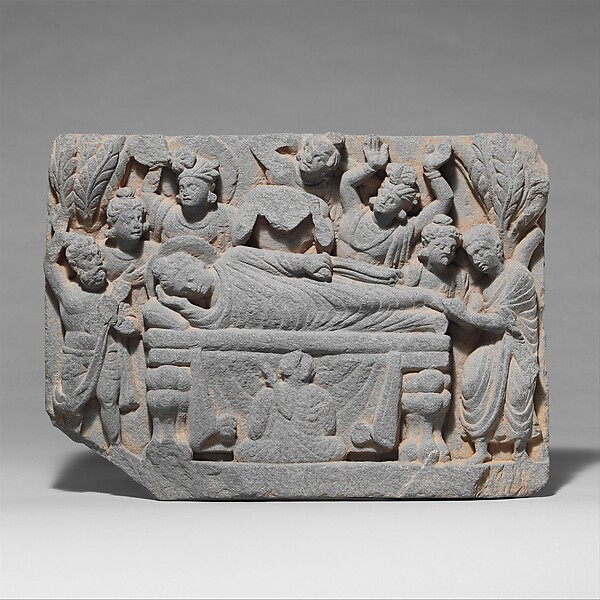
A Gandharan stone relief from the 2nd-3rd century showing the Buddha's death, surrounded by mourners.
Shows the Buddha's death, a central narrative in his life story in early Buddhist art.
About this source
What it is
This relief panel is carved from gray schist and comes from ancient Gandhara, in what is now Pakistan. It dates to the 2nd-3rd century and shows the Buddha's death, or parinirvana. It is held today at The Metropolitan Museum of Art.
Why it matters
Like other Gandharan reliefs, this piece reflects a period when artists in this region began creating detailed human images of the Buddha, often showing key moments from his life and death. The parinirvana scene was especially significant, since it marked the Buddha's final release from the cycle of rebirth, an idea central to Buddhist teaching. Such reliefs reveal how early followers used art to express and share these core beliefs.
Look closer
- What can you tell about the artist's skill from the details in the stone carving?
- Why might this scene have been important for people visiting a Buddhist shrine?
- What is left out of this depiction that might surprise you about the story of the Buddha's death?
This sculpture is part of the curated material that grounds the AI version of Buddha on Humy.ai — when students ask about related events, the AI can quote it and cite it.
More Buddha sources
Meet the AI Buddha →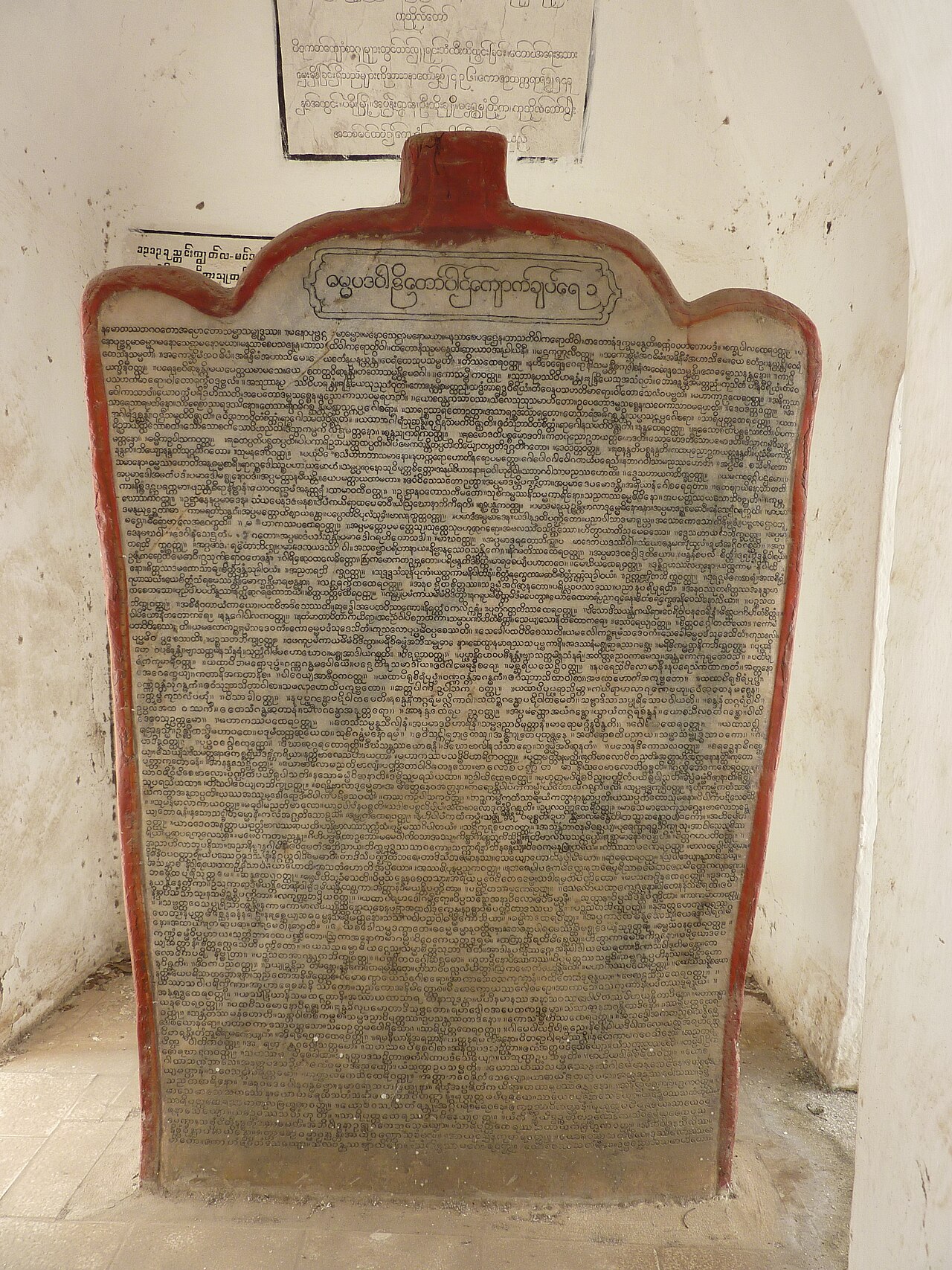 Book
Secondary source
Dhammapada
Attributed to the Buddha · c. 3rd century BCE compilation
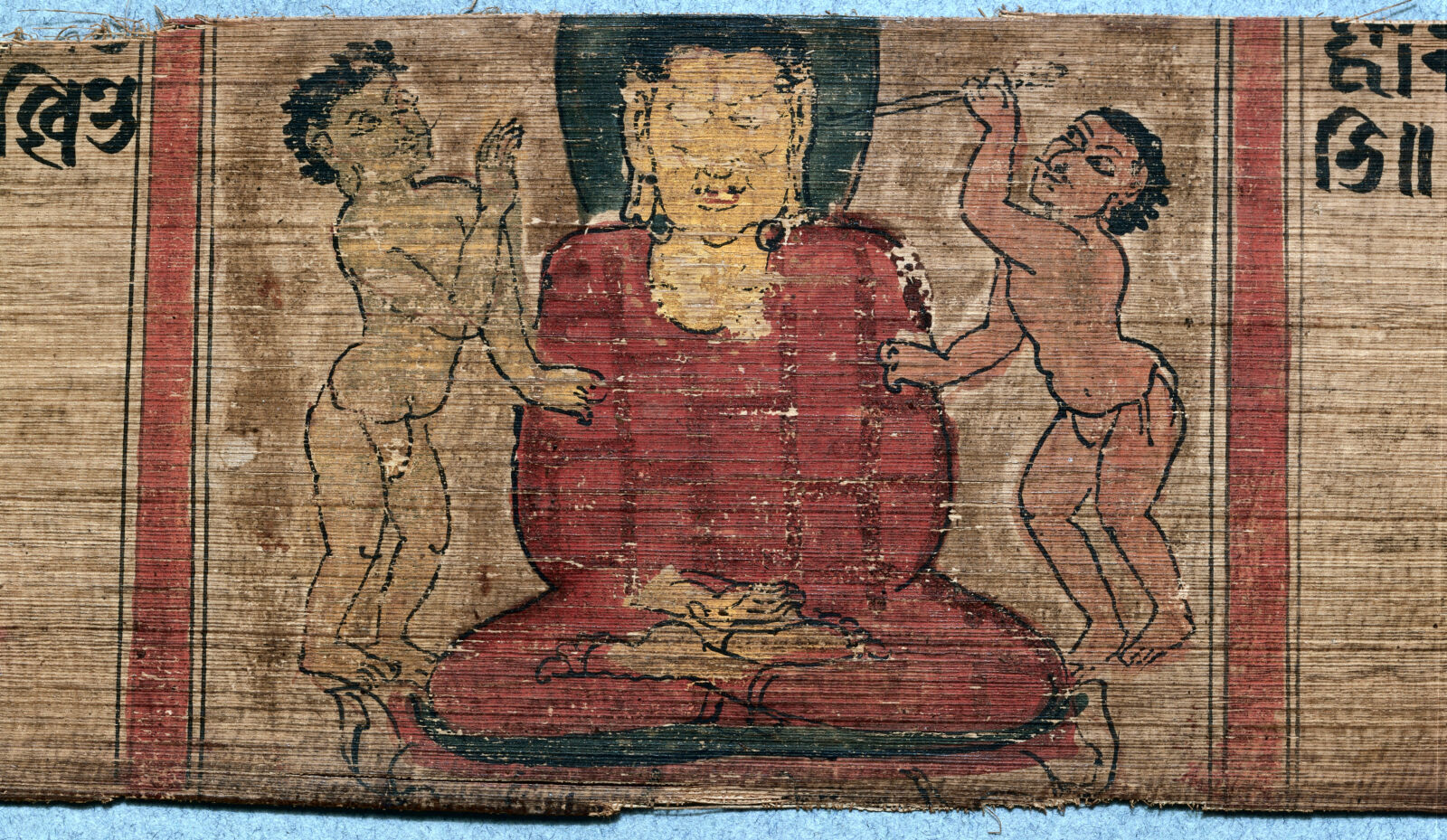 Painting
Secondary source
Buddha in Dhyana, Perfection of Wisdom Sutra Manuscript
1074
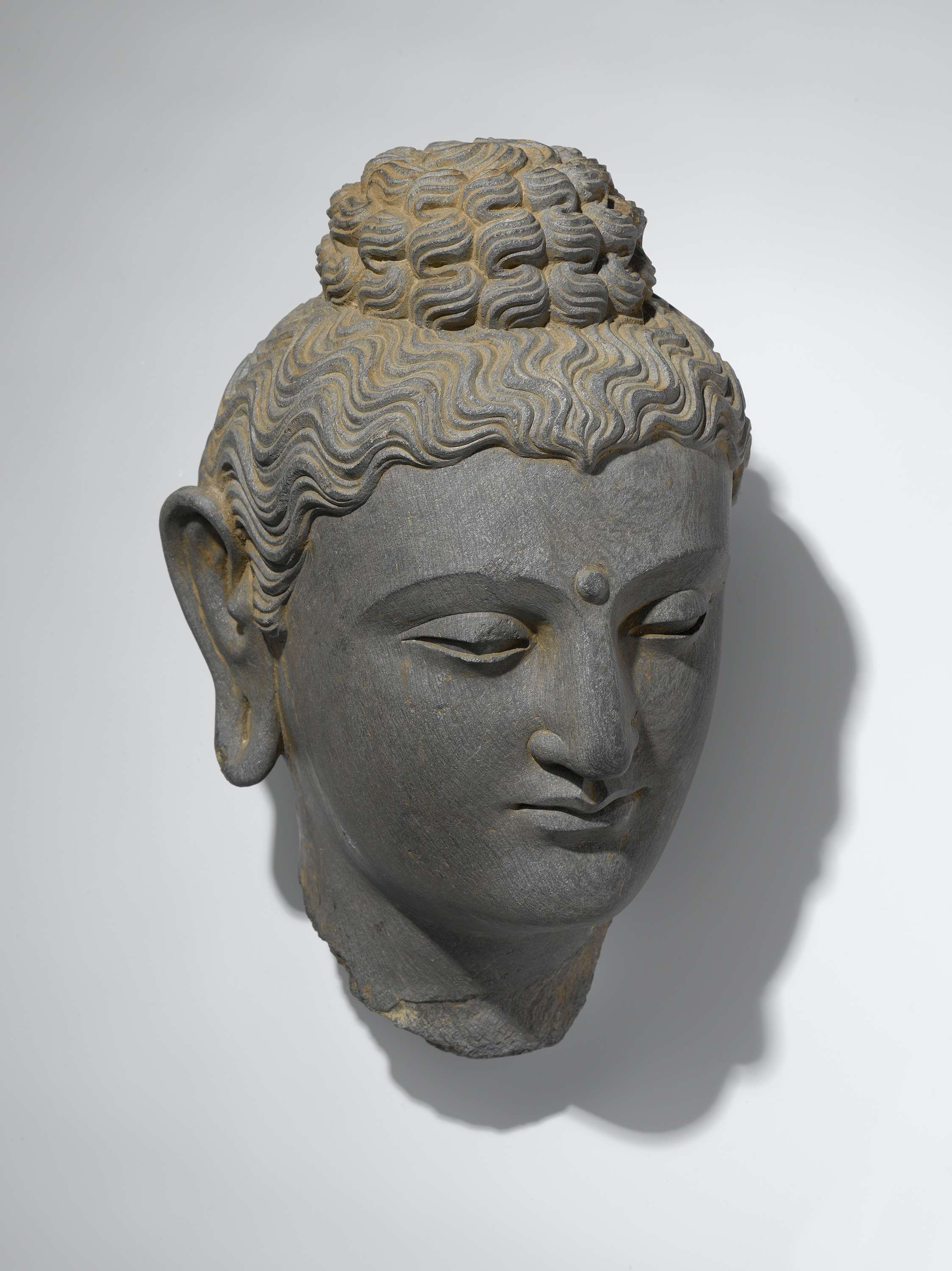 Sculpture
Secondary source
Head of the Buddha, Gandhara style
 Book
Secondary source
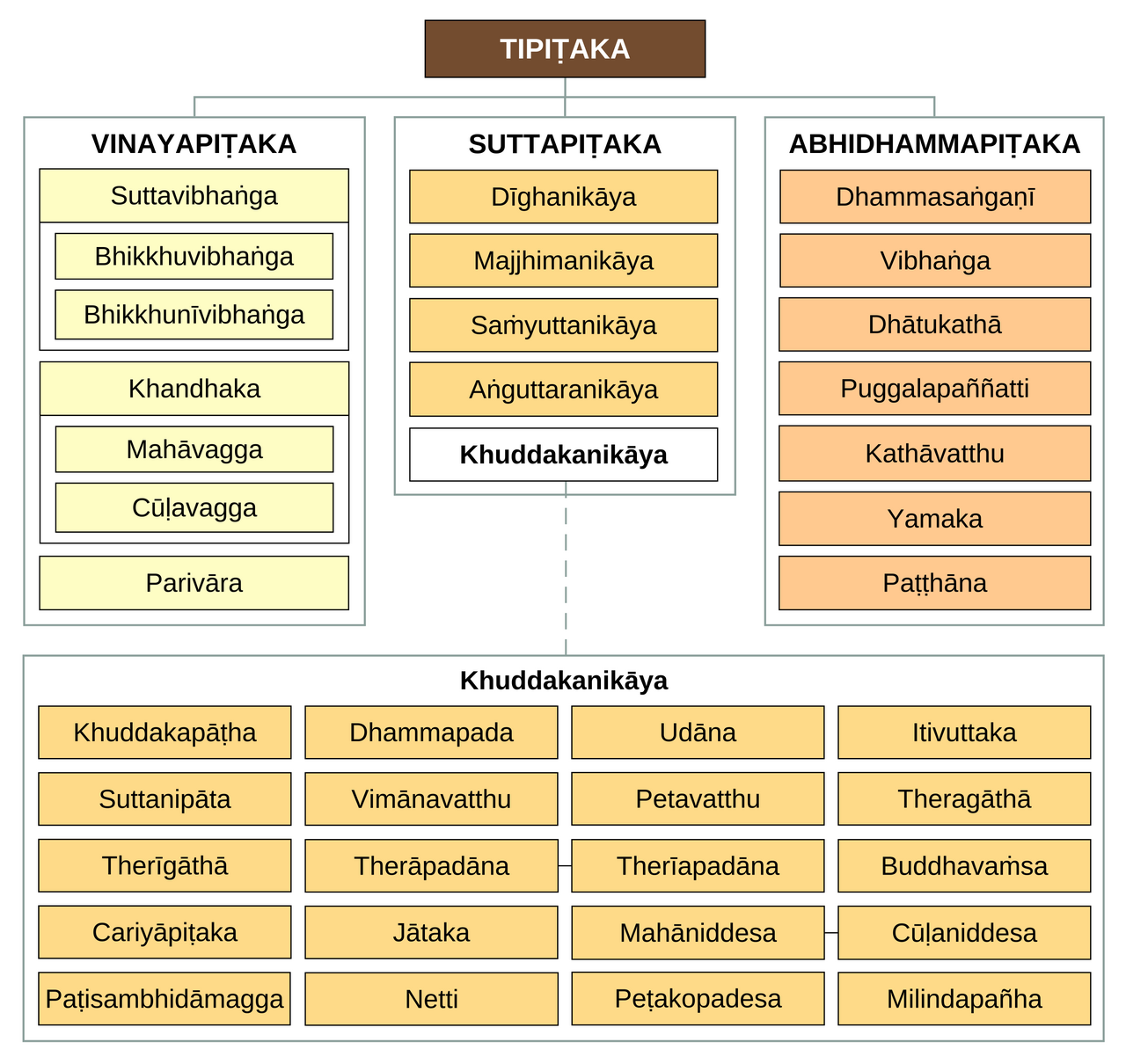
Pali Canon (Tipitaka)
Early Buddhist sangha · oral from 5th century BCE; written c. 29 BCE
 Document
Secondary source
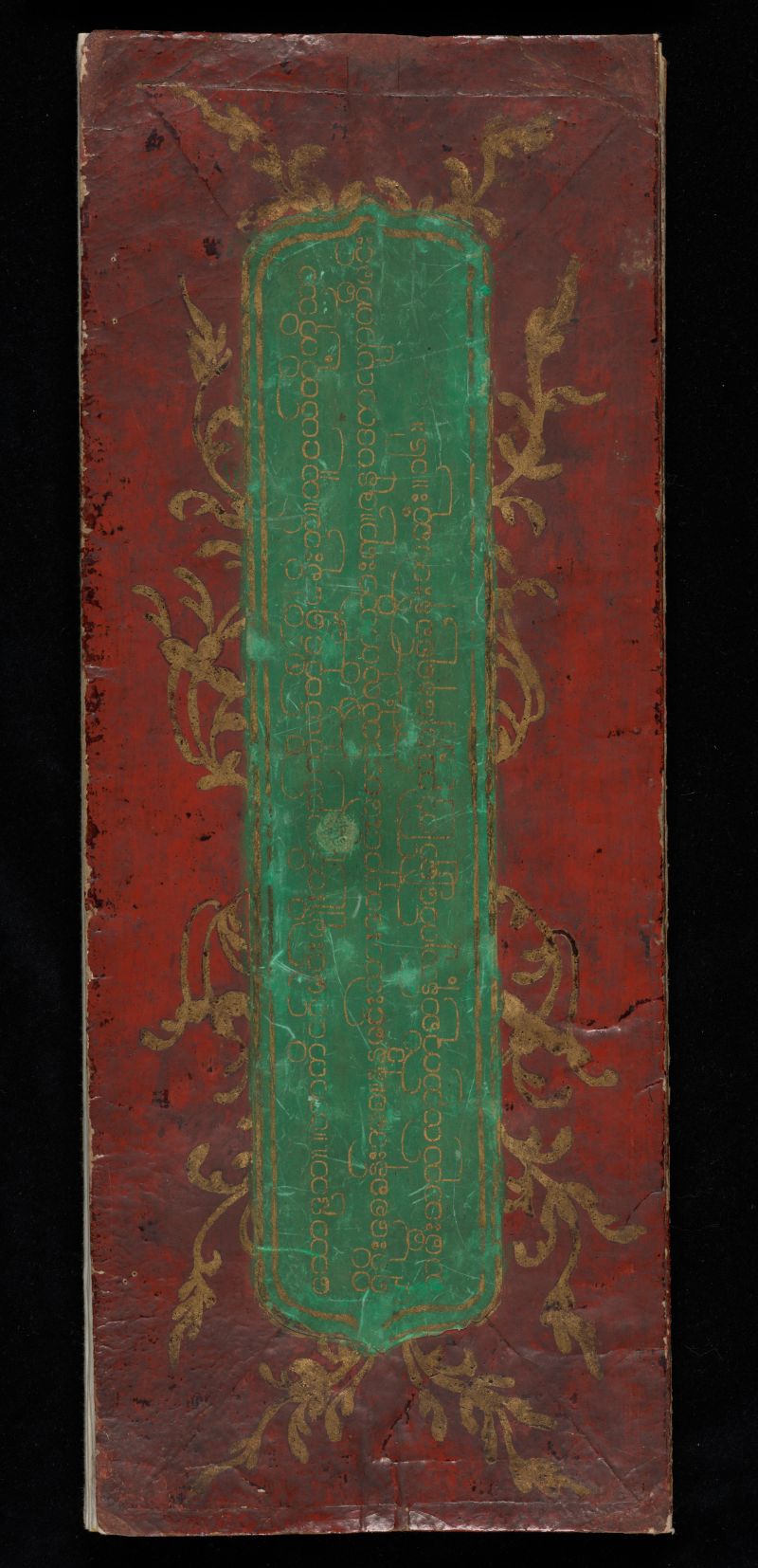
Life of the Buddha
19th century
Ready when you are
Start chatting with Buddha now.
20 messages free · No credit card · Available in 50+ languages.