


Primary sourceBook1881
Dhammapada
The Buddha · 1881
A collection of verses attributed directly to the Buddha, translated into English as a core source for his ethical teaching.
A collection of verses attributed directly to the Buddha, one of the most widely used sources for his ethical teaching.
About this source
What it is
The Dhammapada is a collection of verses attributed to the Buddha, presented here in an 1881 English translation by F. Max Müller. The opening verses deal with the power of thought to shape a person's actions and happiness.
Why it matters
The Dhammapada is one of the most widely read texts attributed to the Buddha, condensing his ethical teaching into short, memorable verses. Müller's translation helped introduce these ideas to readers around the world who could not read Pali.
Look closer
- Why do you think these teachings were written as short verses rather than long explanations?
- What do the opening verses suggest about what the Buddha considered most important?
- What might be lost or changed when translating poetry from one language to another?
This book is part of the curated material that grounds the AI version of Buddha on Humy.ai — when students ask about related events, the AI can quote it and cite it.
More Buddha sources
Meet the AI Buddha →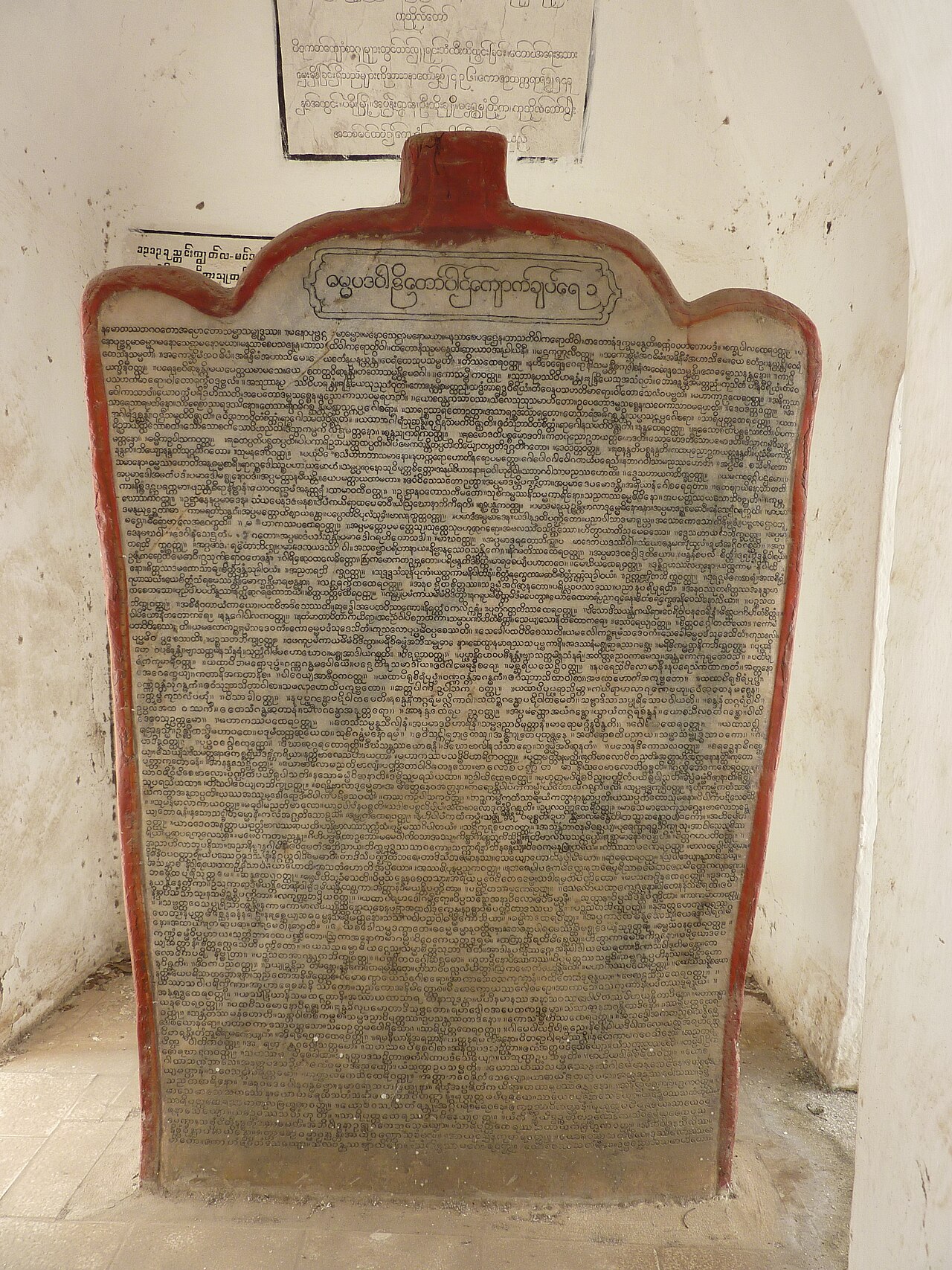 Book
Secondary source
Dhammapada
Attributed to the Buddha · c. 3rd century BCE compilation
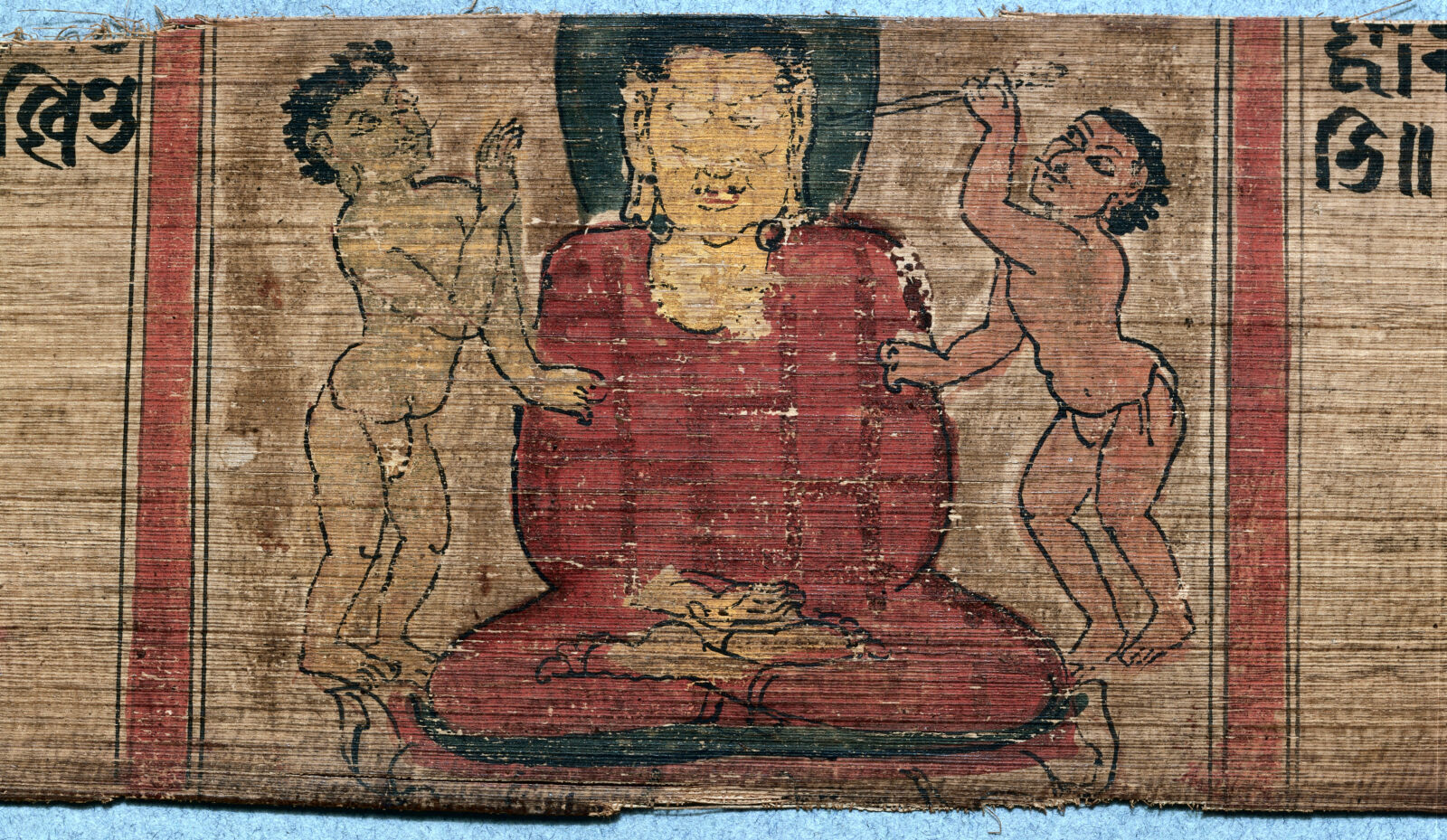 Painting
Secondary source
Buddha in Dhyana, Perfection of Wisdom Sutra Manuscript
1074
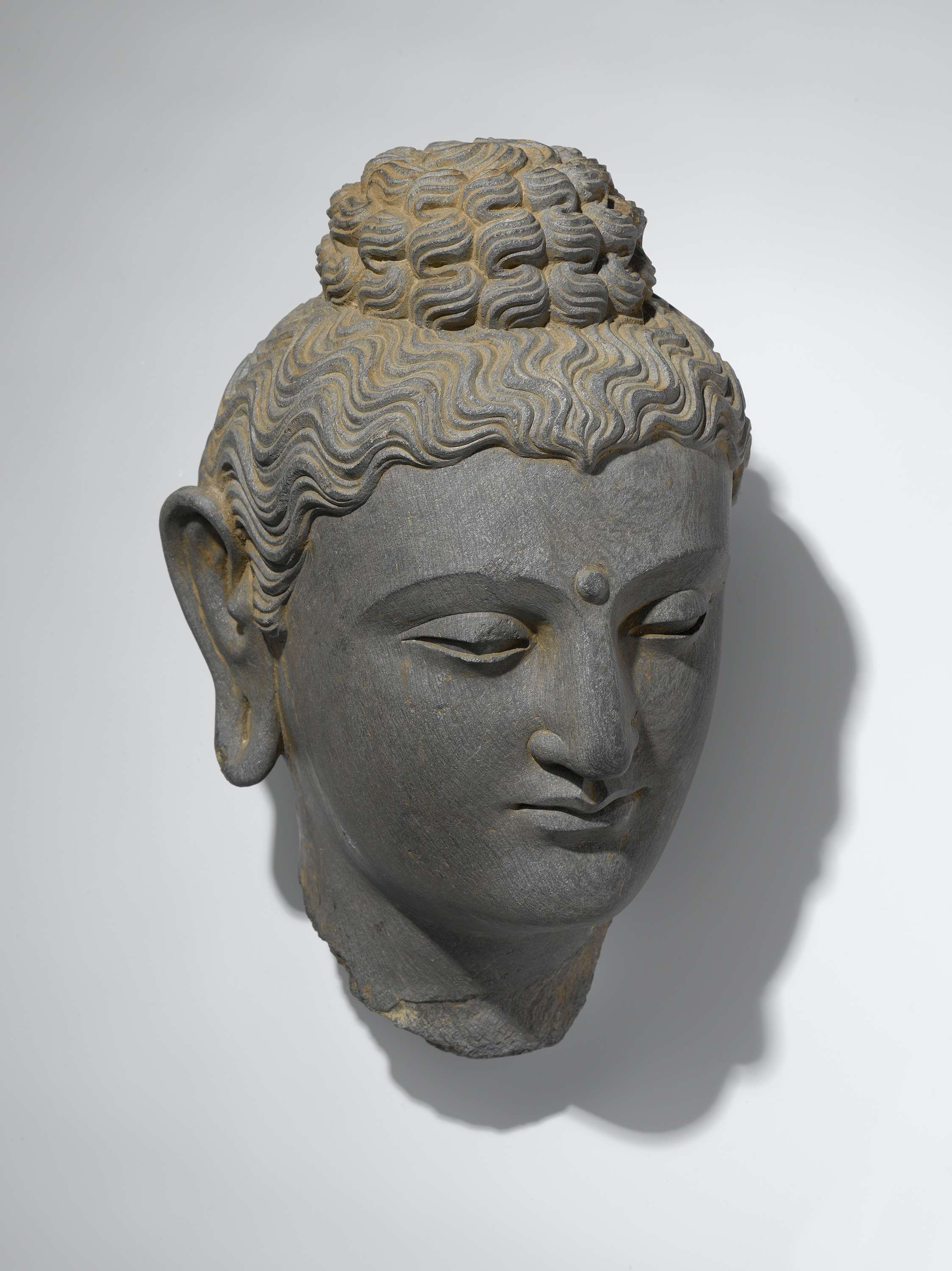 Sculpture
Secondary source
Head of the Buddha, Gandhara style
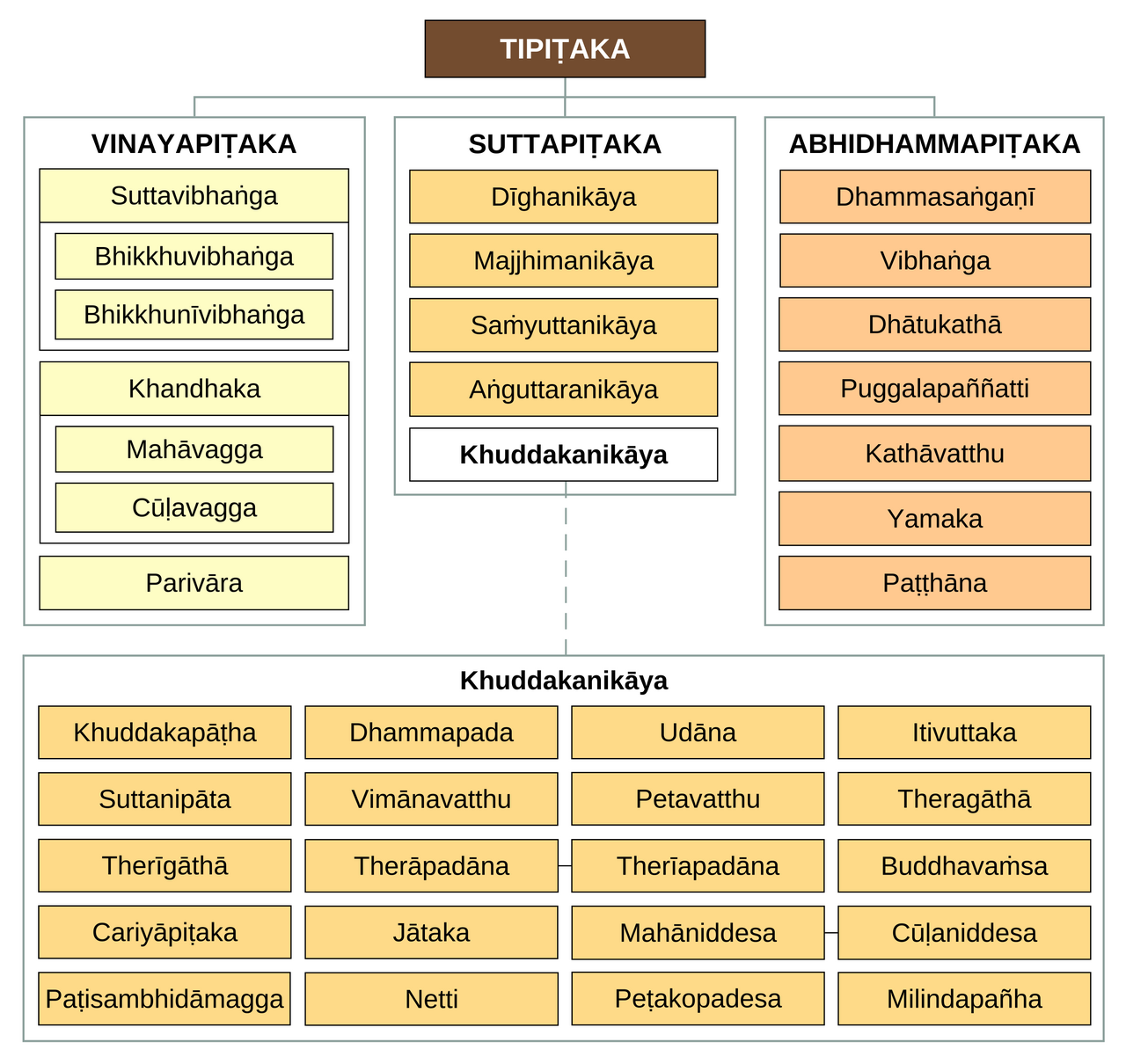 Book
Secondary source
Pali Canon (Tipitaka)
Early Buddhist sangha · oral from 5th century BCE; written c. 29 BCE
 Document
Secondary source
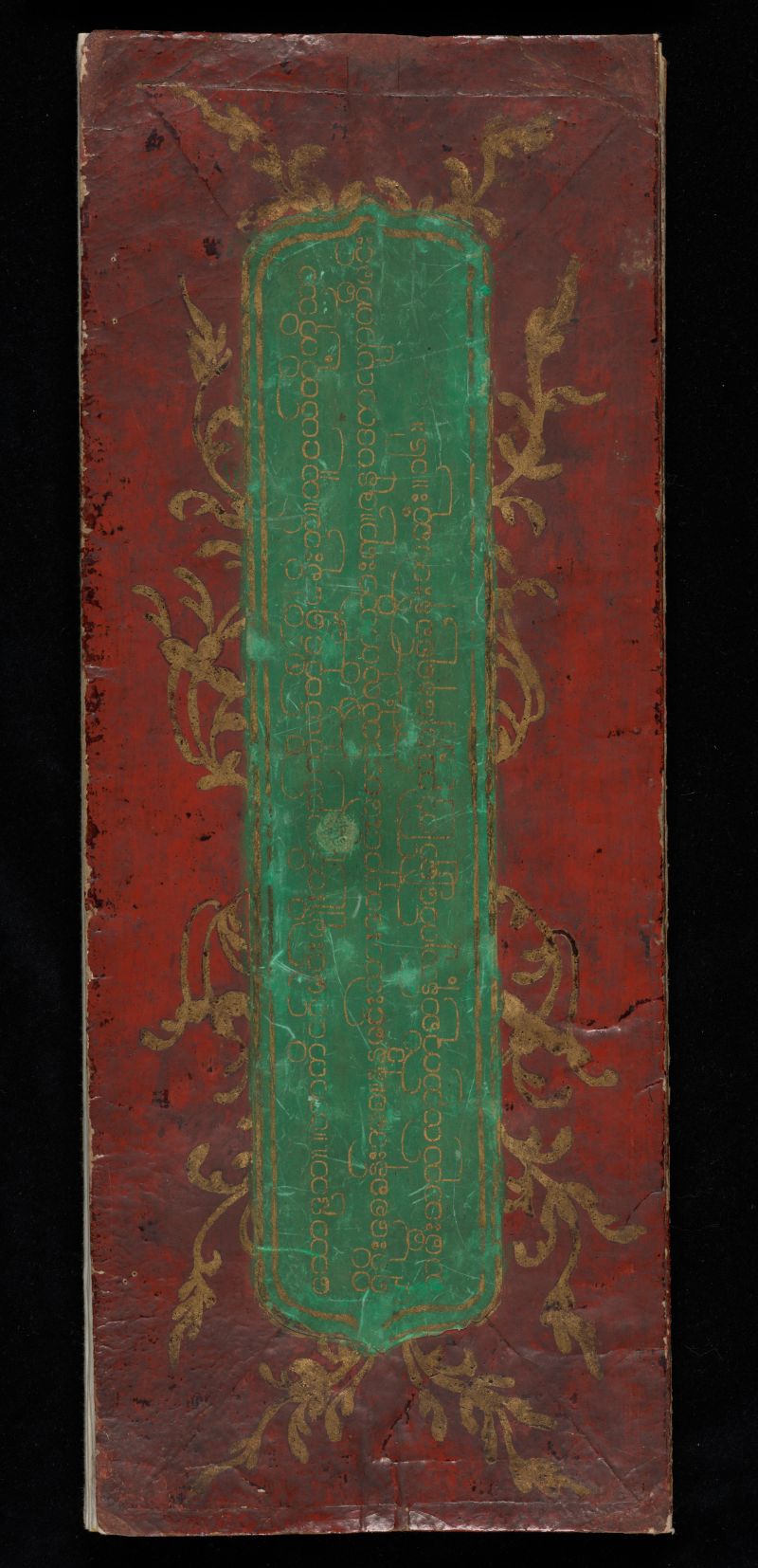
Life of the Buddha
19th century
Ready when you are
Start chatting with Buddha now.
20 messages free · No credit card · Available in 50+ languages.