


Primary sourceBookc. 1275-1300
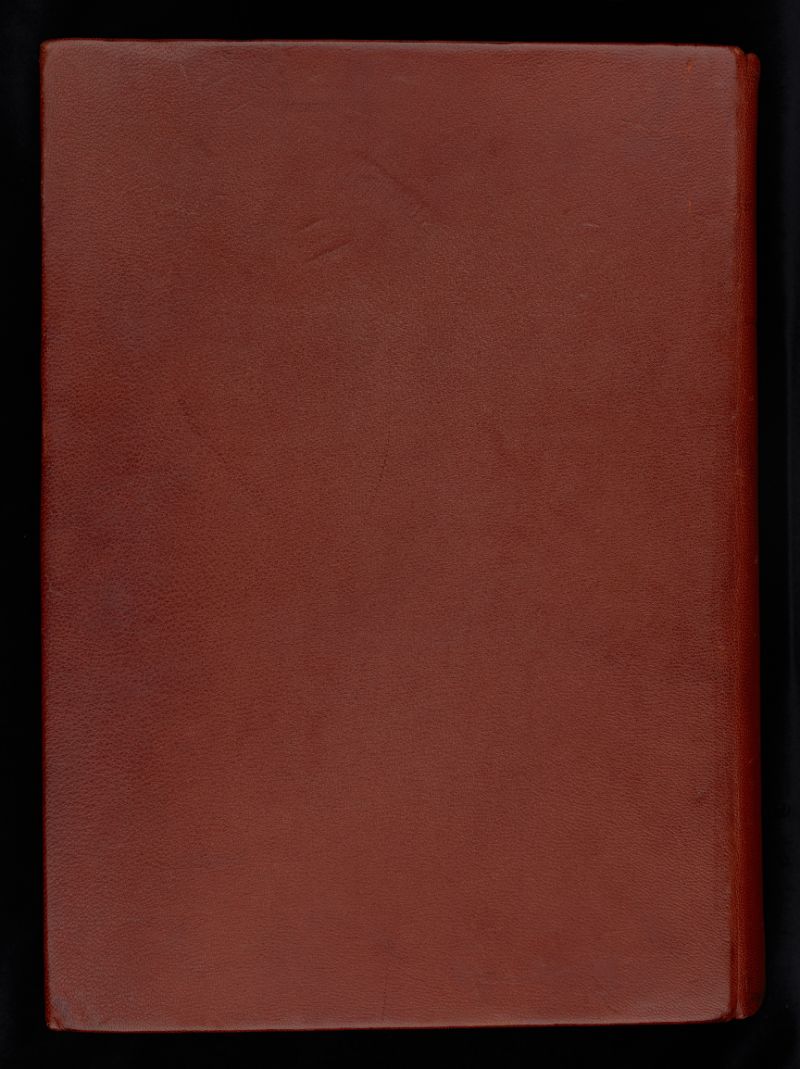
Divan of Shams-i Tabrizi, illuminated codex
Rumi · c. 1275-1300
An illuminated manuscript codex of Rumi's Divan of Shams-i Tabrizi, a collection of his mystical lyric poetry made close to his lifetime.
This early manuscript preserves Rumi's lyric poetry dedicated to his companion Shams-i Tabrizi.
About this source
What it is
This is a manuscript codex containing the Divan of Shams-i Tabrizi, Rumi's anthology of lyric poems and quatrains. It has 354 folios written in naskh script, is unsigned, and was possibly made in Konya, Turkey, dated to around 1275-1300. It is held by the Chester Beatty library in Ireland.
Why it matters
Rumi named this collection after Shams-i Tabrizi, the mystic whose friendship deeply shaped his spiritual poetry. Because the manuscript dates to shortly after Rumi's death in 1273, it is an especially close witness to his original work.
- Why might this manuscript have been made so soon after Rumi's death?
- What might it mean that the scribe is unknown?
- Why do you think Rumi dedicated an entire collection of poems to Shams-i Tabrizi?
This book is part of the curated material that grounds the AI version of Rumi (Jalāl ad-Dīn Muhammad Rūmī) on Humy.ai — when students ask about related events, the AI can quote it and cite it.
More Rumi (Jalāl ad-Dīn Muhammad Rūmī) sources
Meet the AI Rumi (Jalāl ad-Dīn Muhammad Rūmī) →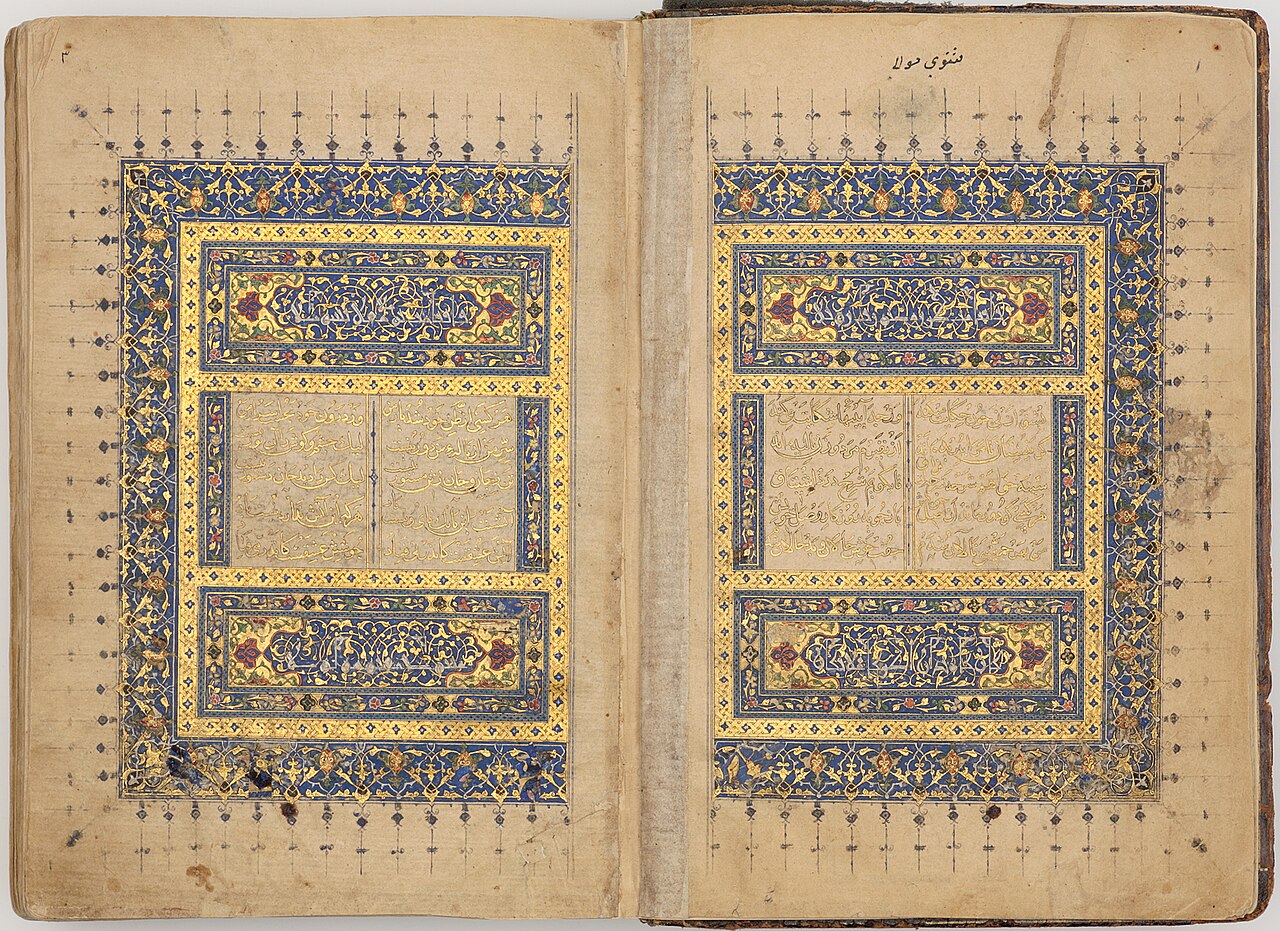 Book
Primary source
Masnavi
Rumi · c. 1258-1273
 Book
Primary source
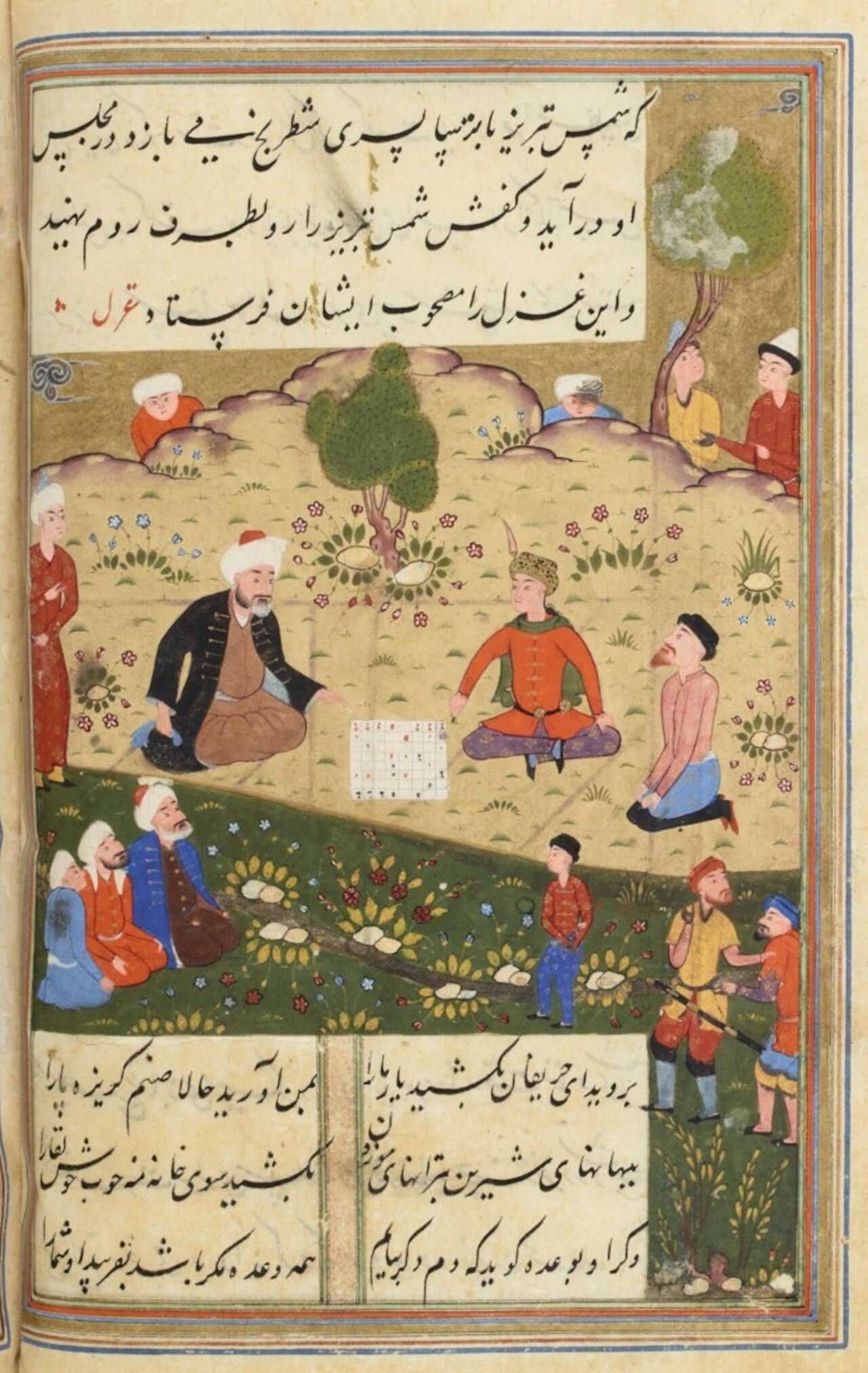
Diwan-e Shams-e Tabrizi
Rumi · c. 1247 onward
 Artifact
Secondary source
Grave of Rumi
soon after 1273
 Book
Primary source
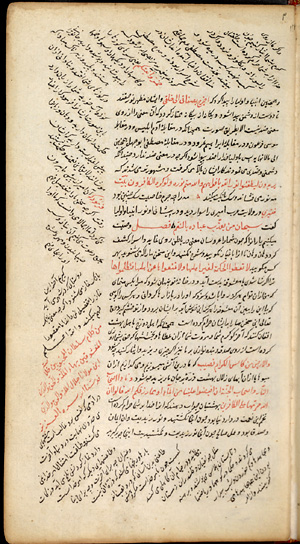
Fihi Ma Fihi
Rumi · c. 1260-1273
 Artifact
Secondary source
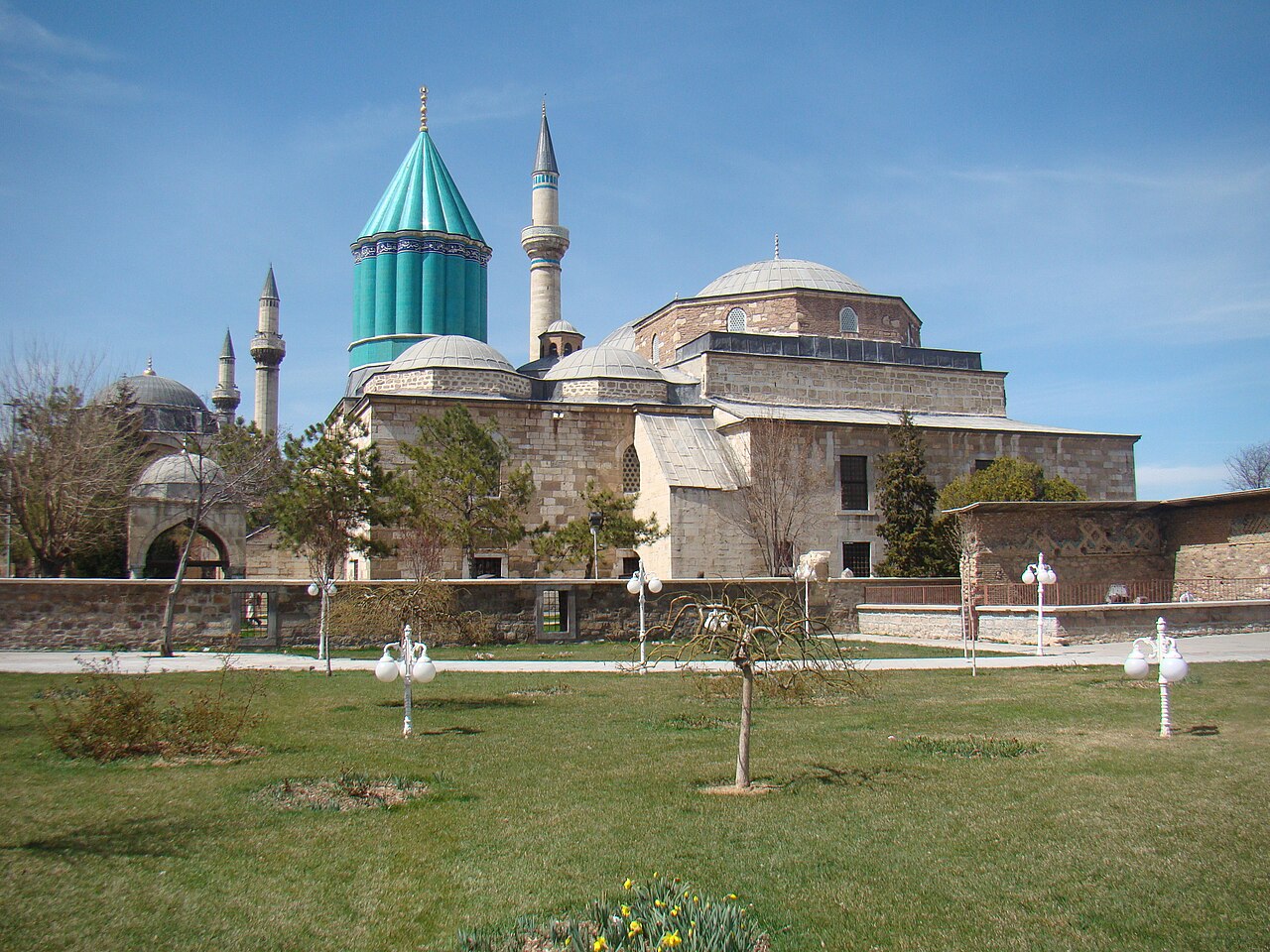
Mevlâna Museum
Badr al-Din Tabrizi (architect) · built soon after 1273; museum since 1926
Ready when you are
Start chatting with Rumi (Jalāl ad-Dīn Muhammad Rūmī) now.
20 messages free · No credit card · Available in 50+ languages.