


Primary sourceBooklate 13th century
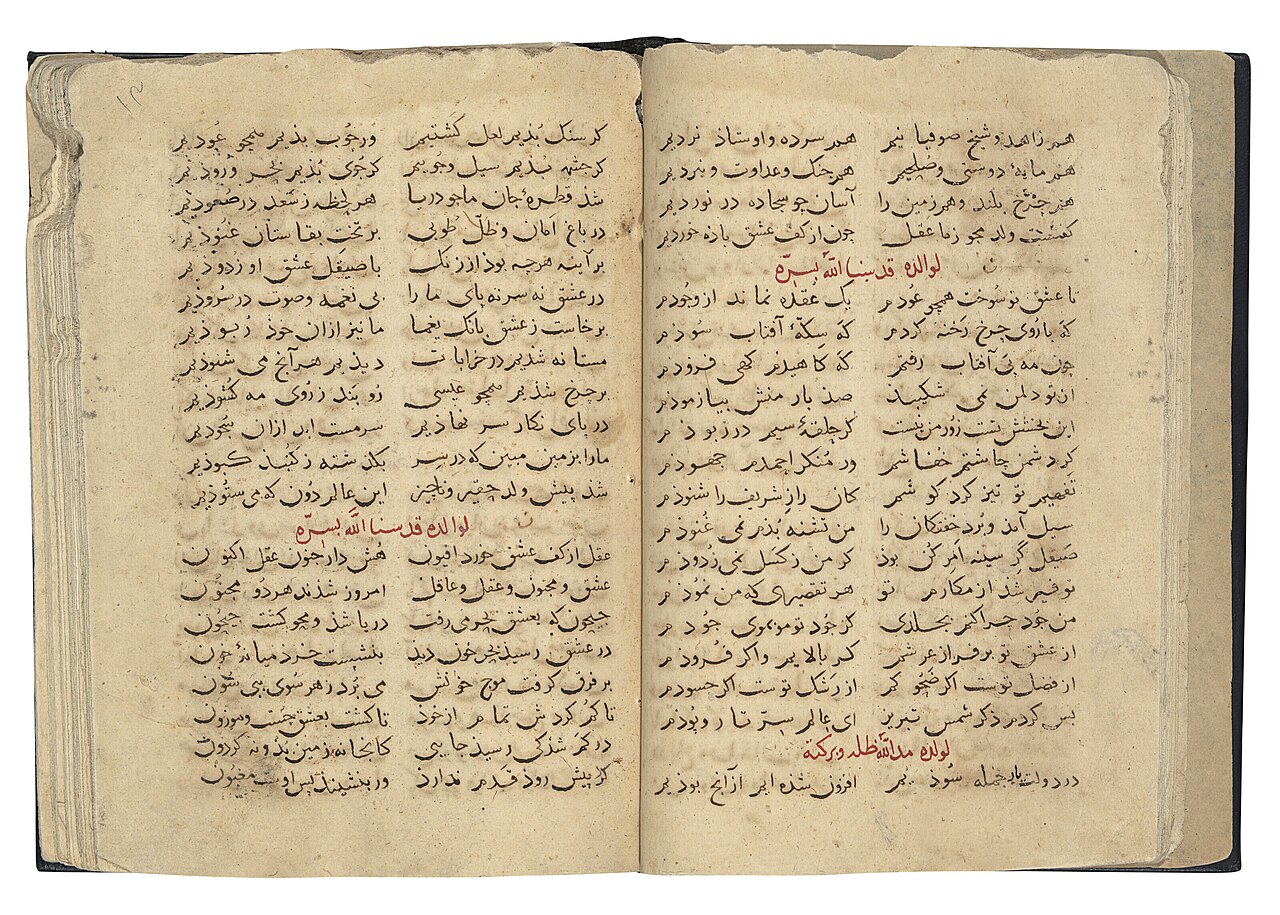
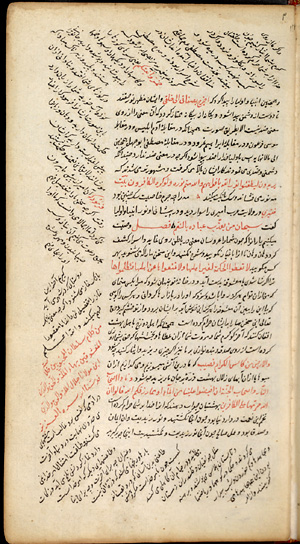
Divan of Sultan Walad
Sultan Walad · late 13th century
A manuscript collection of poetry by Rumi's son Sultan Walad, bound together with verses by Rumi himself, showing the family's devotion to his legacy.
Contains poems by Rumi alongside those of his son, showing how his verse was preserved within his own family.
About this source
What it is
This is a Persian manuscript from Seljuk Anatolia, made in the late 13th or early 14th century, containing ghazals (lyric poems) by both Sultan Walad and his father Jalal al-Din Rumi. The poems by each writer are introduced by separate headings naming father and son.
Why it matters
Sultan Walad was Rumi's son, who later led the Mevlevi order Rumi inspired and helped establish its branches beyond Konya. This manuscript, likely copied after Rumi's death but during his son's lifetime, shows how Rumi's poetry was kept alive within his own family and combined with new verses by his successor.
Look closer
- Why might a scribe choose to copy father's and son's poems together in one book?
- What does the separate heading for each poet tell you about how the manuscript distinguishes their voices?
- What might this manuscript suggest about how Rumi's teachings were carried forward after he died?
This book is part of the curated material that grounds the AI version of Rumi (Jalāl ad-Dīn Muhammad Rūmī) on Humy.ai — when students ask about related events, the AI can quote it and cite it.
More Rumi (Jalāl ad-Dīn Muhammad Rūmī) sources
Meet the AI Rumi (Jalāl ad-Dīn Muhammad Rūmī) →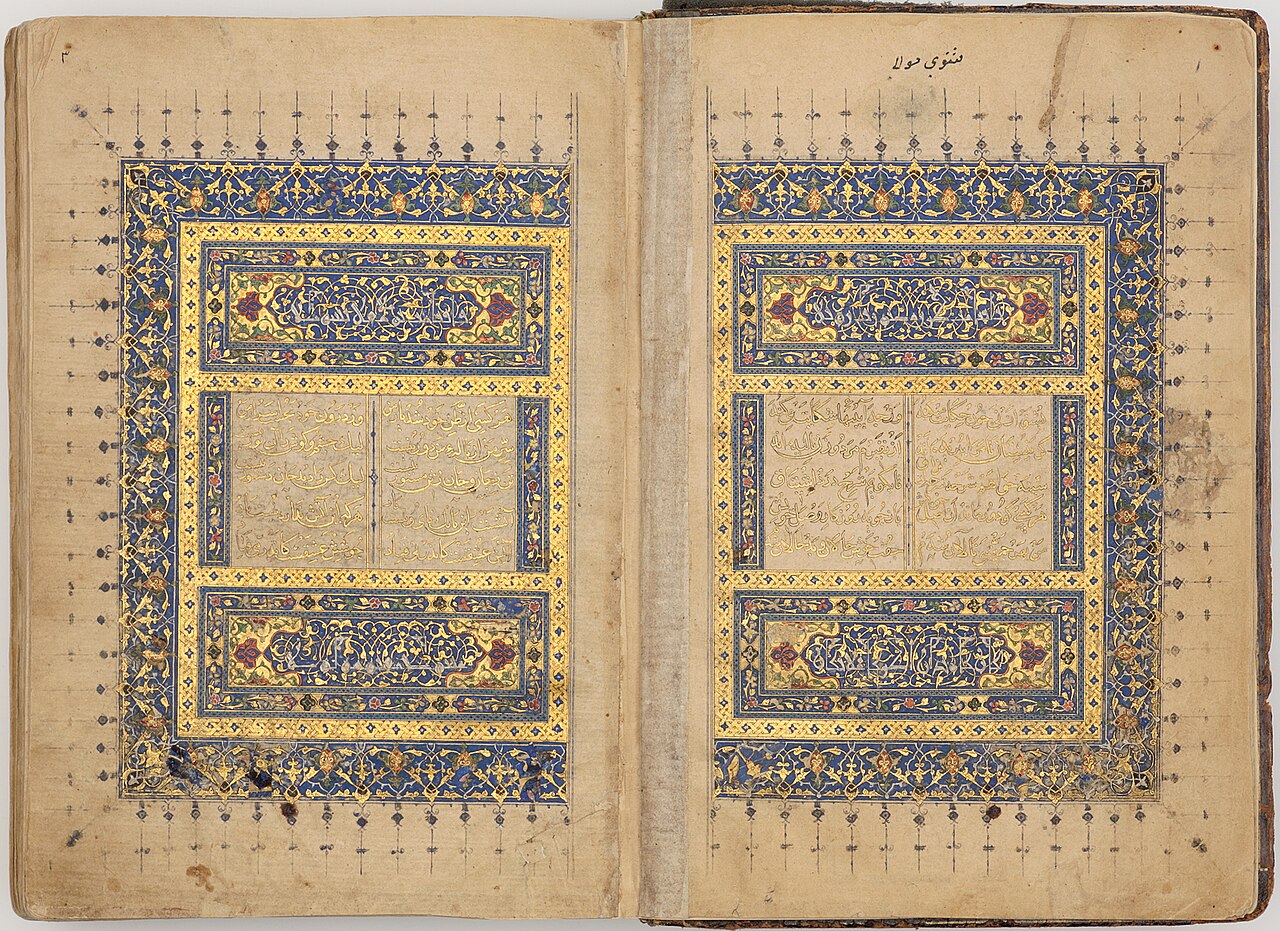 Book
Primary source
Masnavi
Rumi · c. 1258-1273
 Book
Primary source
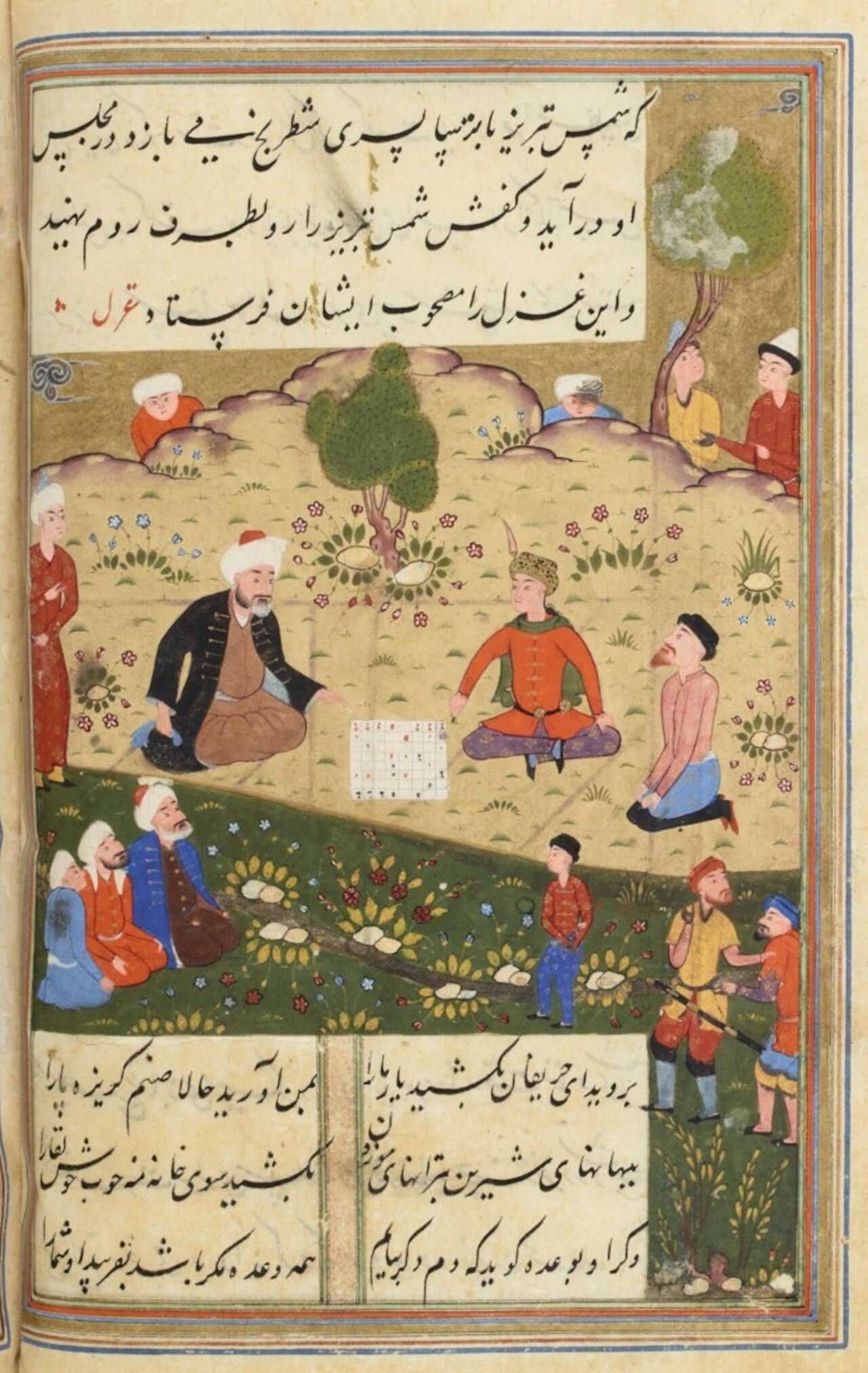
Diwan-e Shams-e Tabrizi
Rumi · c. 1247 onward
 Artifact
Secondary source
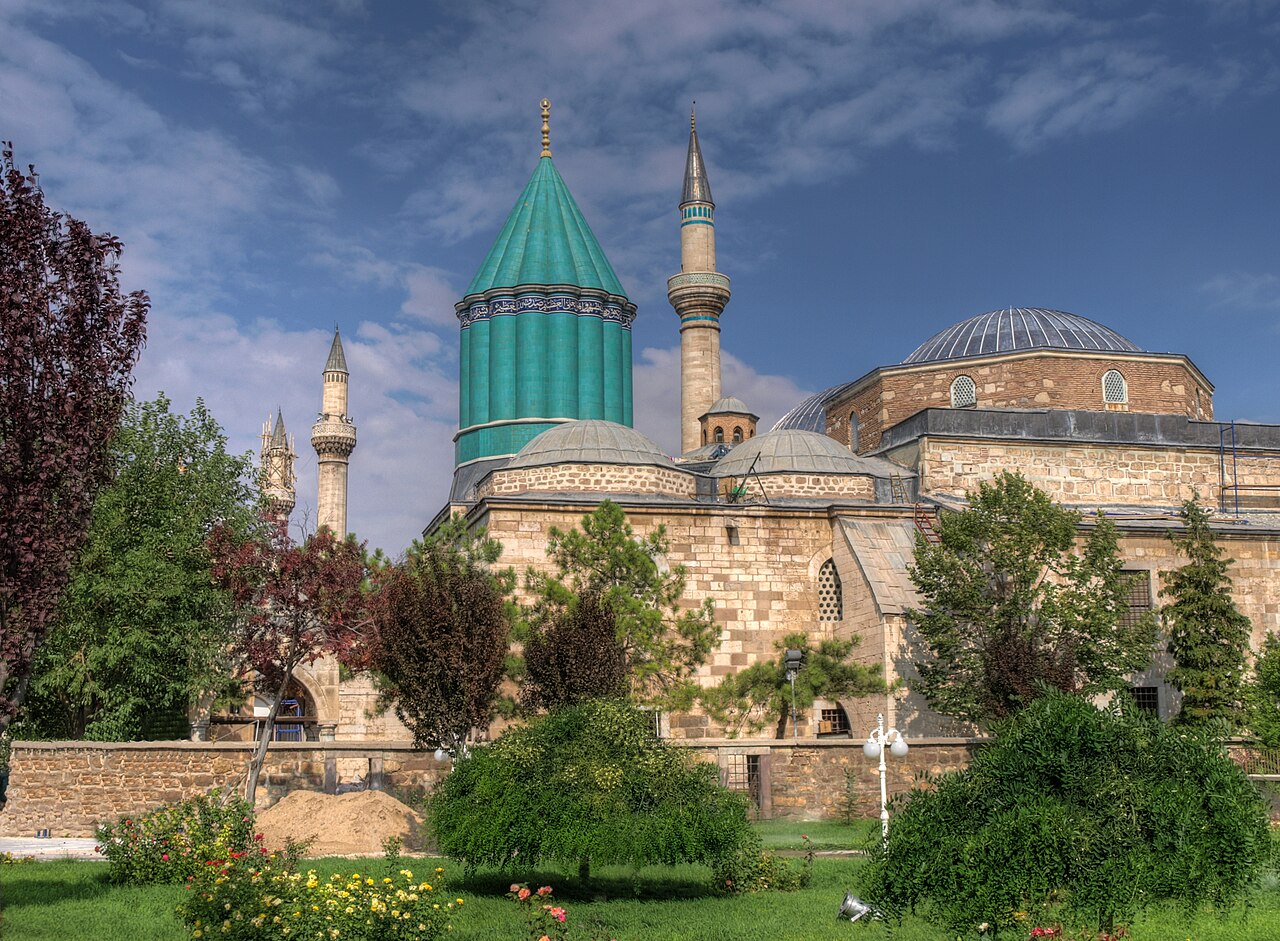
Grave of Rumi
soon after 1273
 Book
Primary source
Fihi Ma Fihi
Rumi · c. 1260-1273
 Artifact
Secondary source
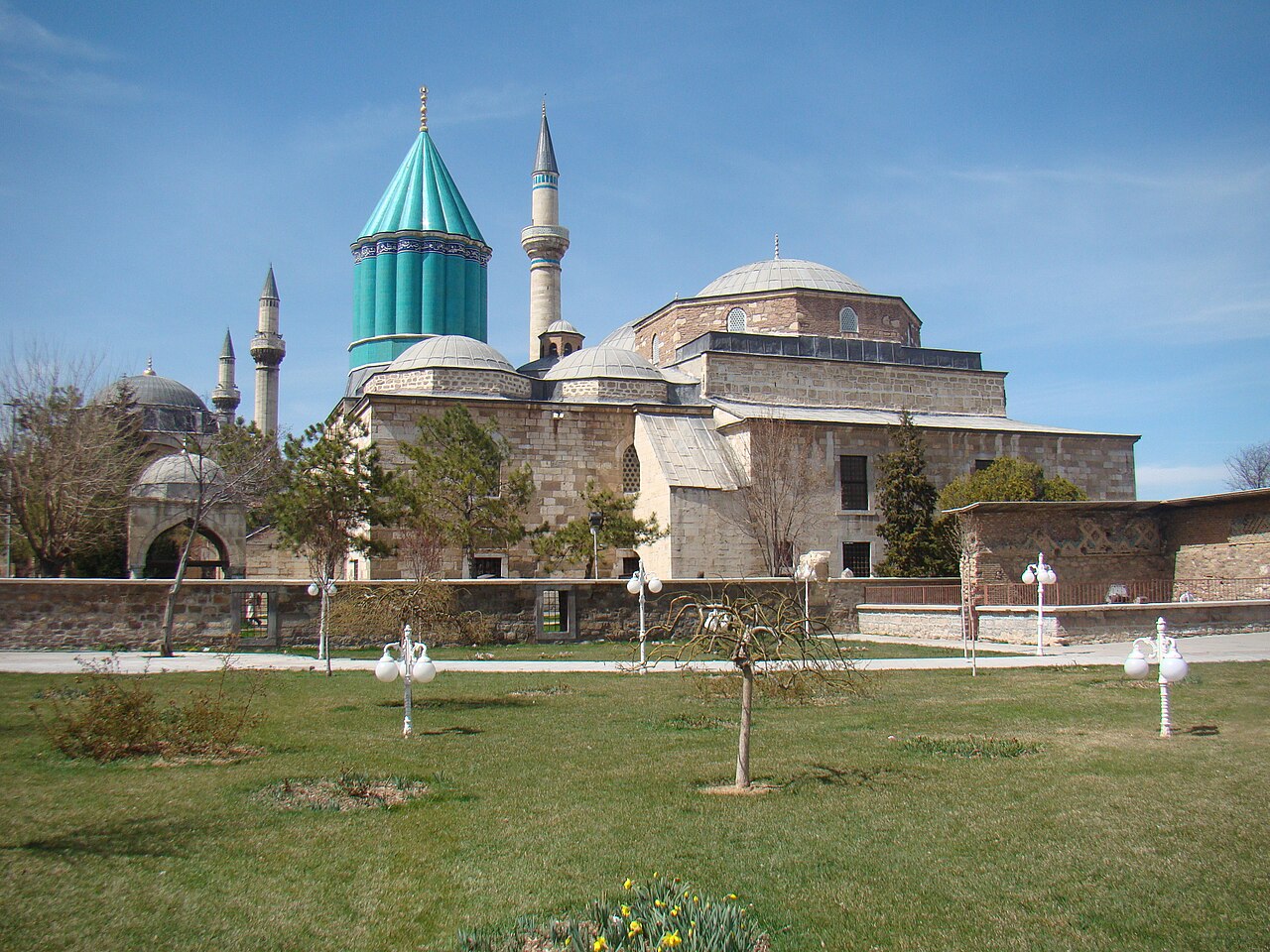
Mevlâna Museum
Badr al-Din Tabrizi (architect) · built soon after 1273; museum since 1926
Ready when you are
Start chatting with Rumi (Jalāl ad-Dīn Muhammad Rūmī) now.
20 messages free · No credit card · Available in 50+ languages.