


Primary sourceBookc. 41 BC
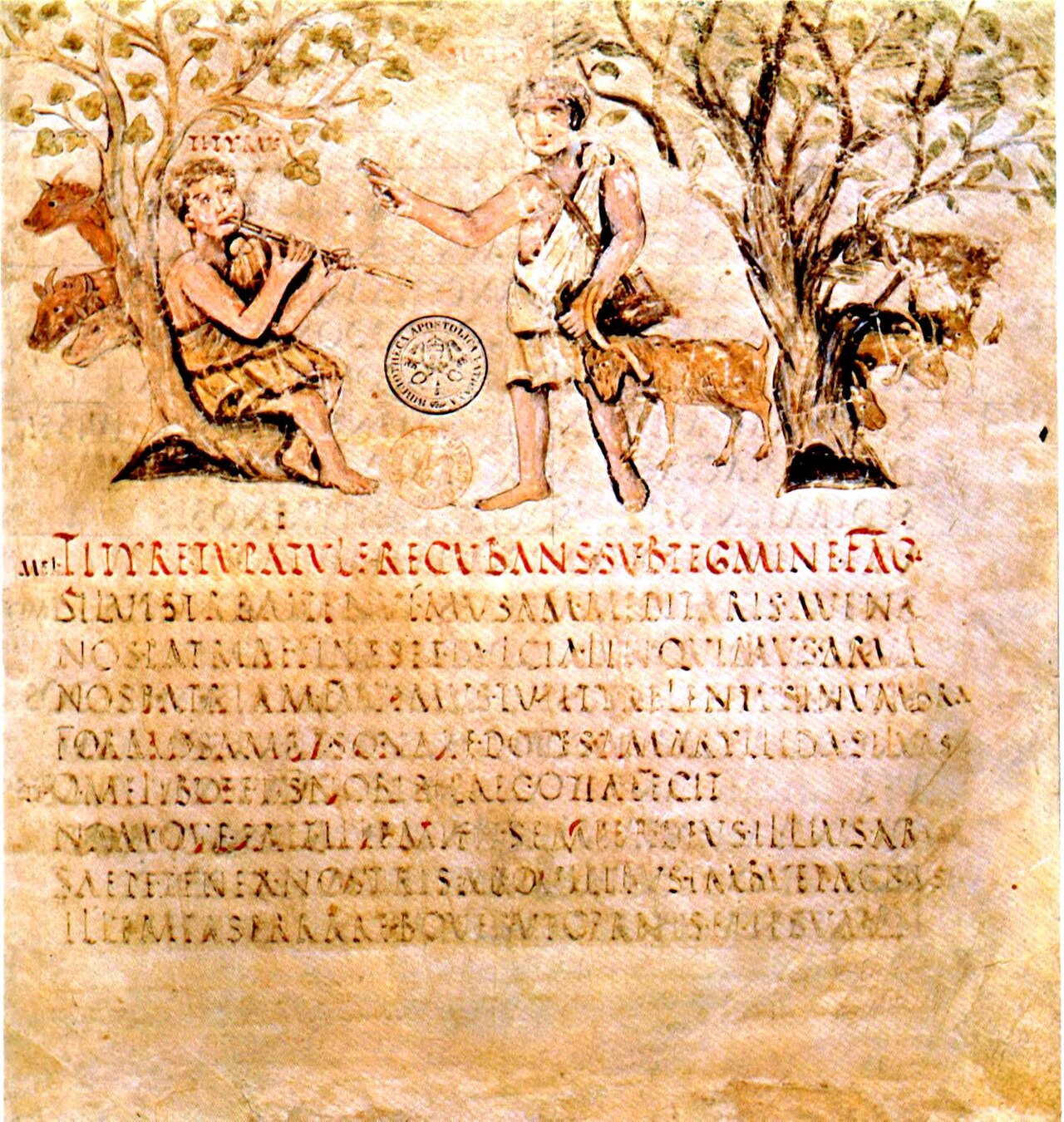
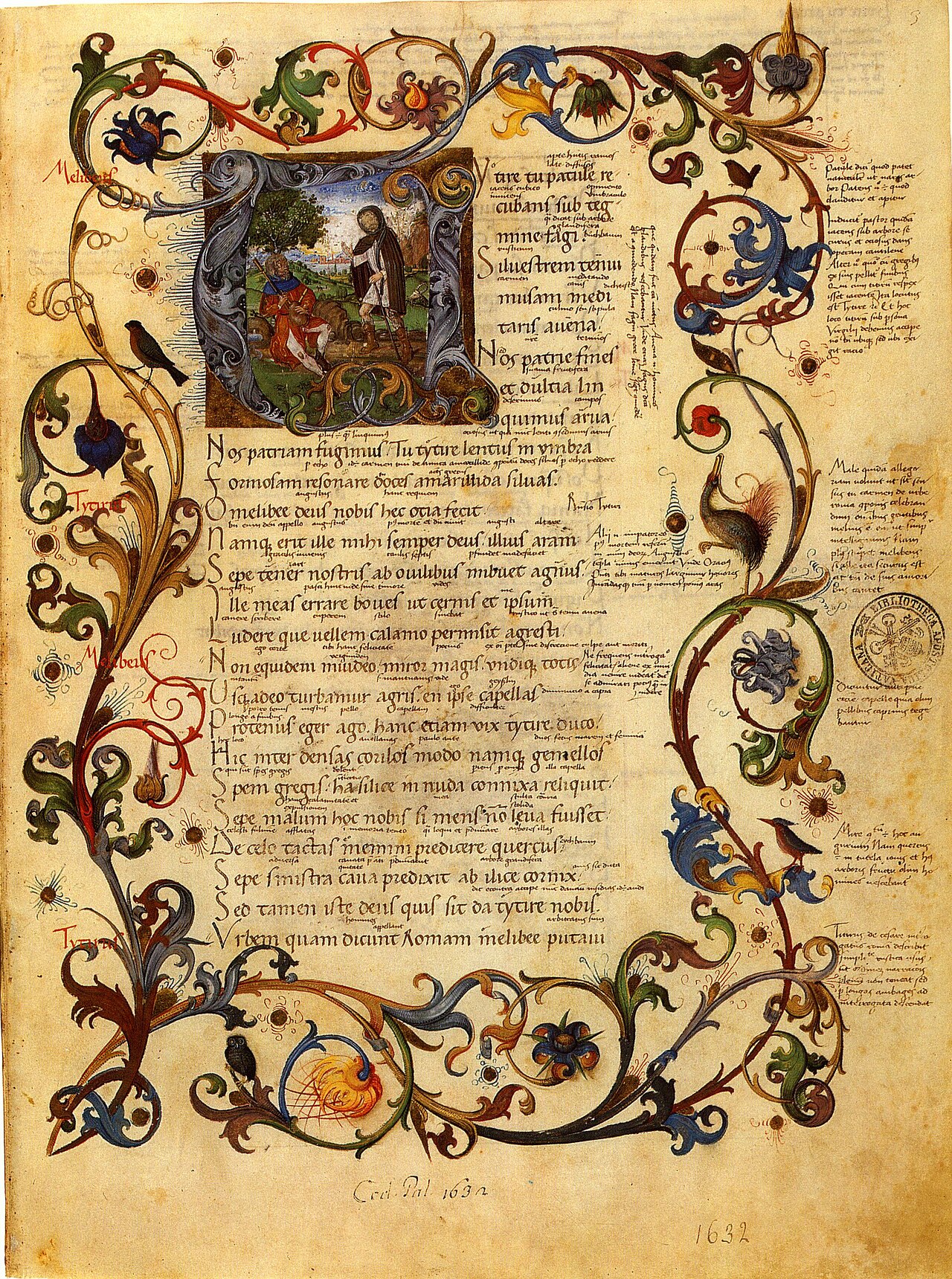
Eclogue 1
Virgil · c. 41 BC
Virgil's pastoral poem contrasting a farmer who keeps his land with one forced off it, reflecting real land confiscations near Virgil's home.
This poem is Virgil's own composition, reflecting the land confiscations that may have affected his own family.
About this source
What it is
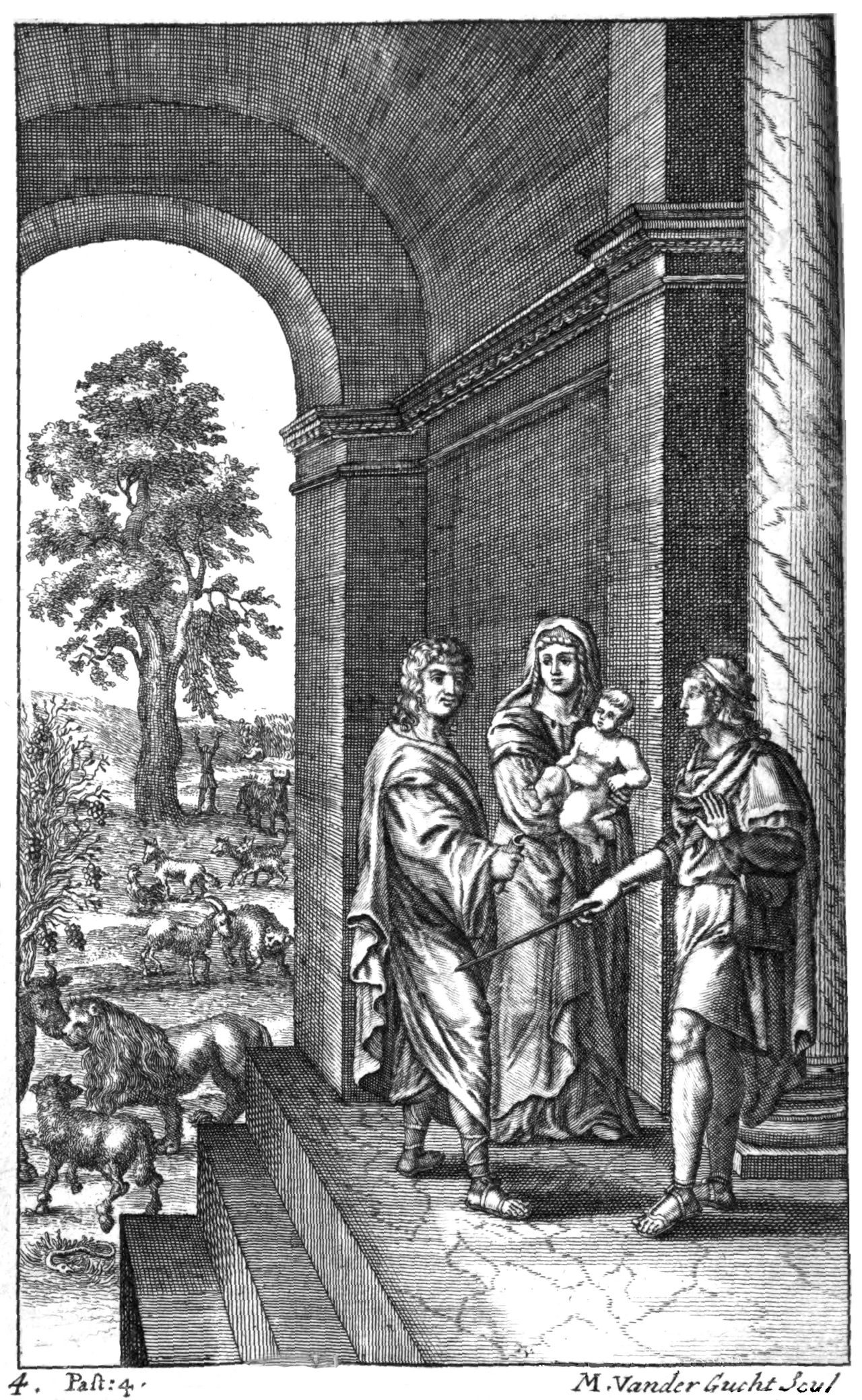
Eclogue 1 is a pastoral poem written in dactylic hexameter by Virgil, part of his collection the Eclogues. It is structured as a dialogue between two herdsmen, Tityrus, whose land has been restored by a powerful young man usually identified with Octavian, and Meliboeus, who has been forced off his land to make way for a soldier.
Why it matters
The poem is thought to reflect real land confiscations that took place around Virgil's home region of Mantua after civil war, when veterans' land settlements uprooted farmers. Scholars believe Virgil himself may have been personally affected. The poem shows Virgil both praising the young Octavian as a god-like benefactor and quietly voicing the grief of those dispossessed, revealing how poets navigated praise and criticism of those in power.
Look closer
- Why might Virgil present the powerful young man as a 'god' rather than naming him directly?
- What does Meliboeus's situation tell us about the human cost of the civil wars behind Rome's peace?
- How does writing in the voices of herdsmen let Virgil address political events indirectly?
This book is part of the curated material that grounds the AI version of Virgil on Humy.ai — when students ask about related events, the AI can quote it and cite it.
Ready when you are
Start chatting with Virgil now.
20 messages free · No credit card · Available in 50+ languages.