


Primary sourceSculpturec. 660-650 BC
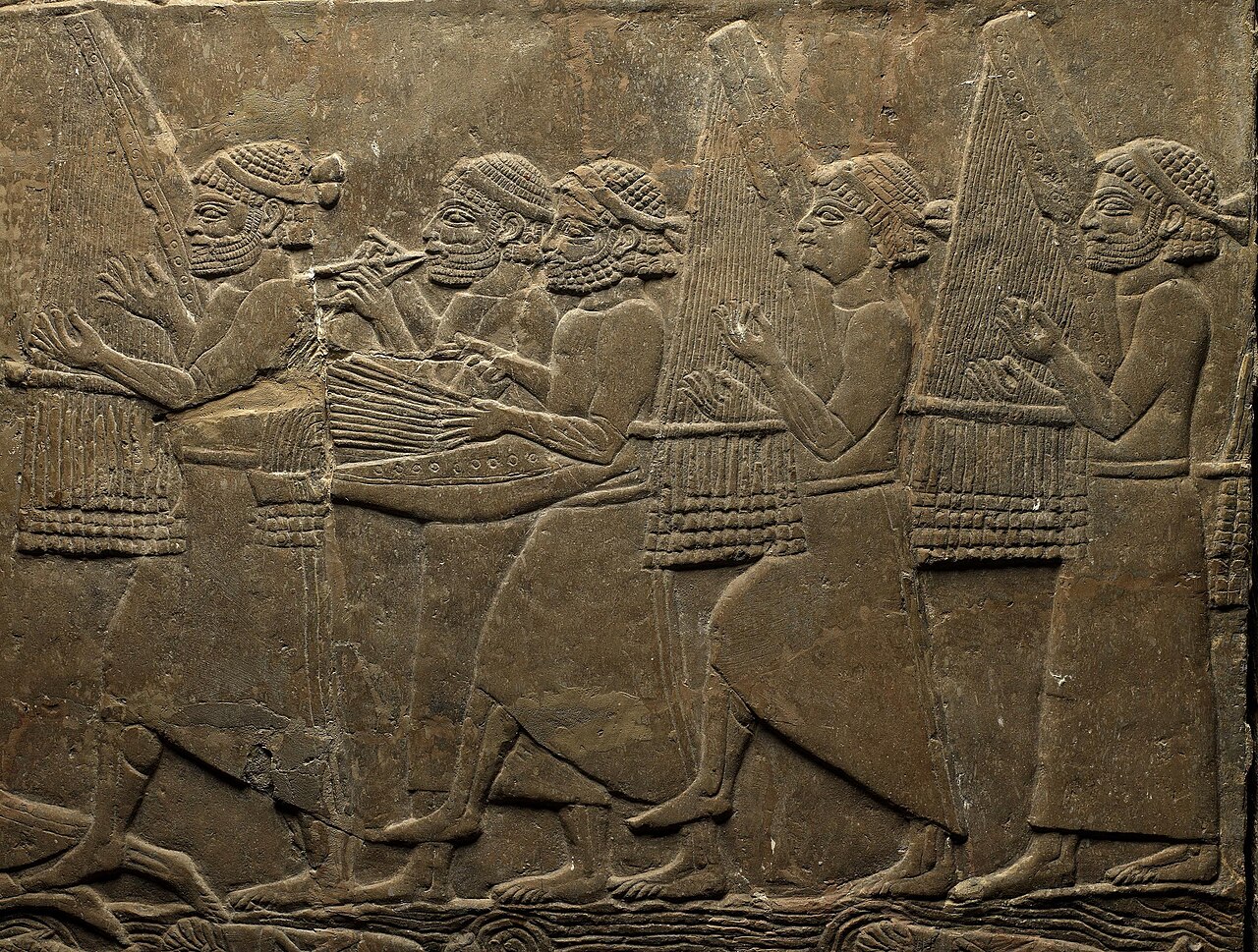
Elamite Royal Orchestra Relief
c. 660-650 BC
A carved stone relief showing Elamite musicians welcoming a ruler installed by Ashurbanipal, showing his control over Elam's succession.
Commissioned by Ashurbanipal, this relief shows his staged control over the succession of a neighbouring kingdom.
About this source
What it is
This is a detail of an incomplete gypsum wall panel relief, dated to around 660-650 BC, found in the South West Palace at Nineveh. It is now held by the British Museum.
The carving shows a procession of bearded figures wearing layered headdresses, some carrying long triangular or harp-like instruments and one playing a wind instrument.
Why it matters
The relief depicts Elamite musicians welcoming a ruler whom Ashurbanipal had installed in Elam. It shows how the Assyrian king used art in his palace to display his power over neighbouring kingdoms and his influence over who ruled them.
Look closer
- What do the instruments and headdresses tell you about the people shown?
- Why might Ashurbanipal want this scene carved into his palace walls?
- What does this relief leave out about how that ruler actually came to power?
This sculpture is part of the curated material that grounds the AI version of Ashurbanipal on Humy.ai — when students ask about related events, the AI can quote it and cite it.
More Ashurbanipal sources
Meet the AI Ashurbanipal →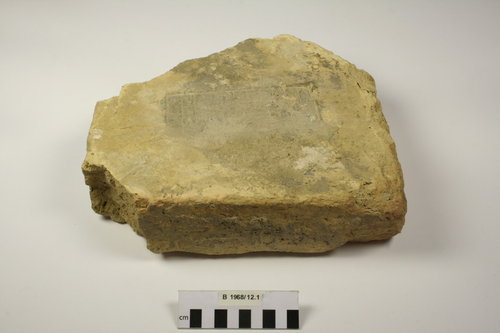 Artifact
Primary source
Baked Brick Naming King Ashurbanipal
7th century BCE
 Sculpture
Primary source
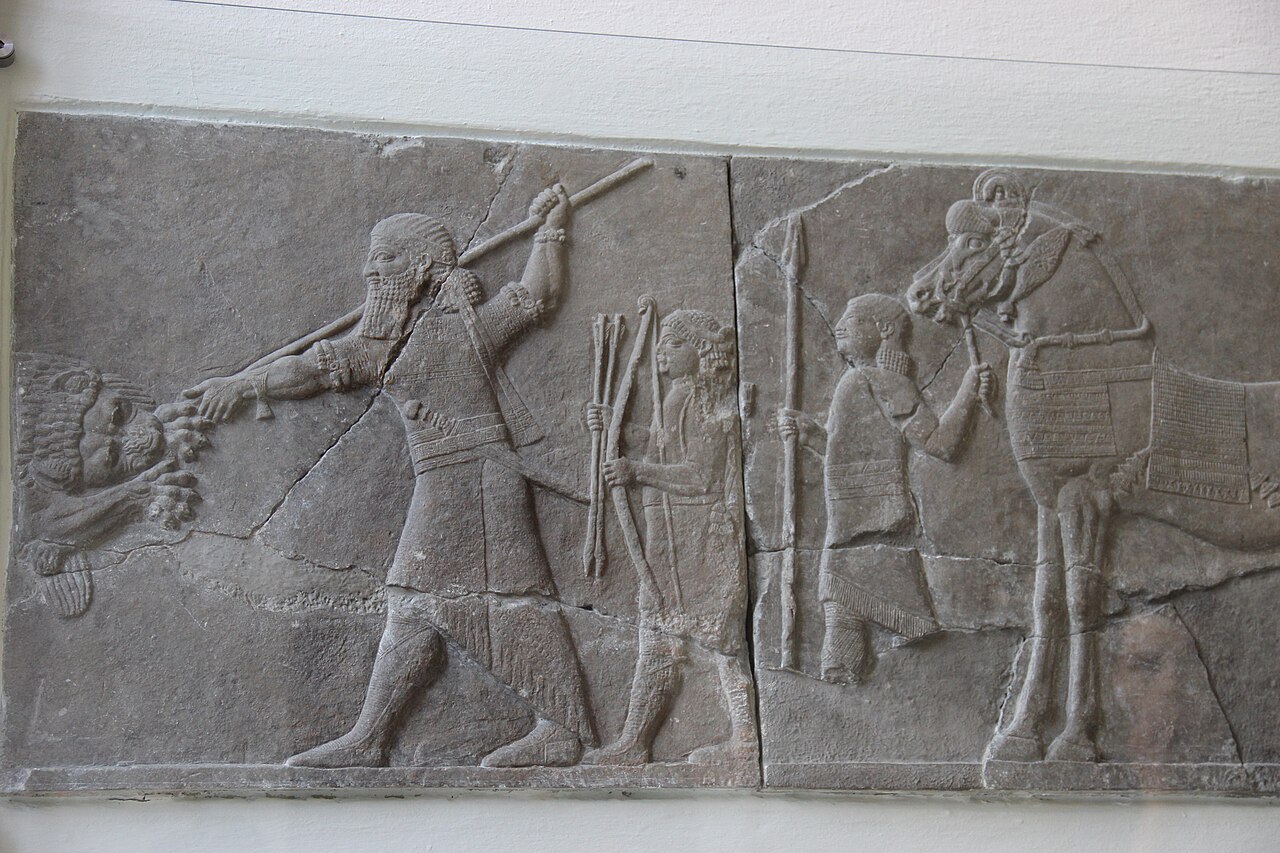
Lion Hunt of Ashurbanipal
Assyrian royal sculptors · c. 645–635 BCE
 Document
Primary source
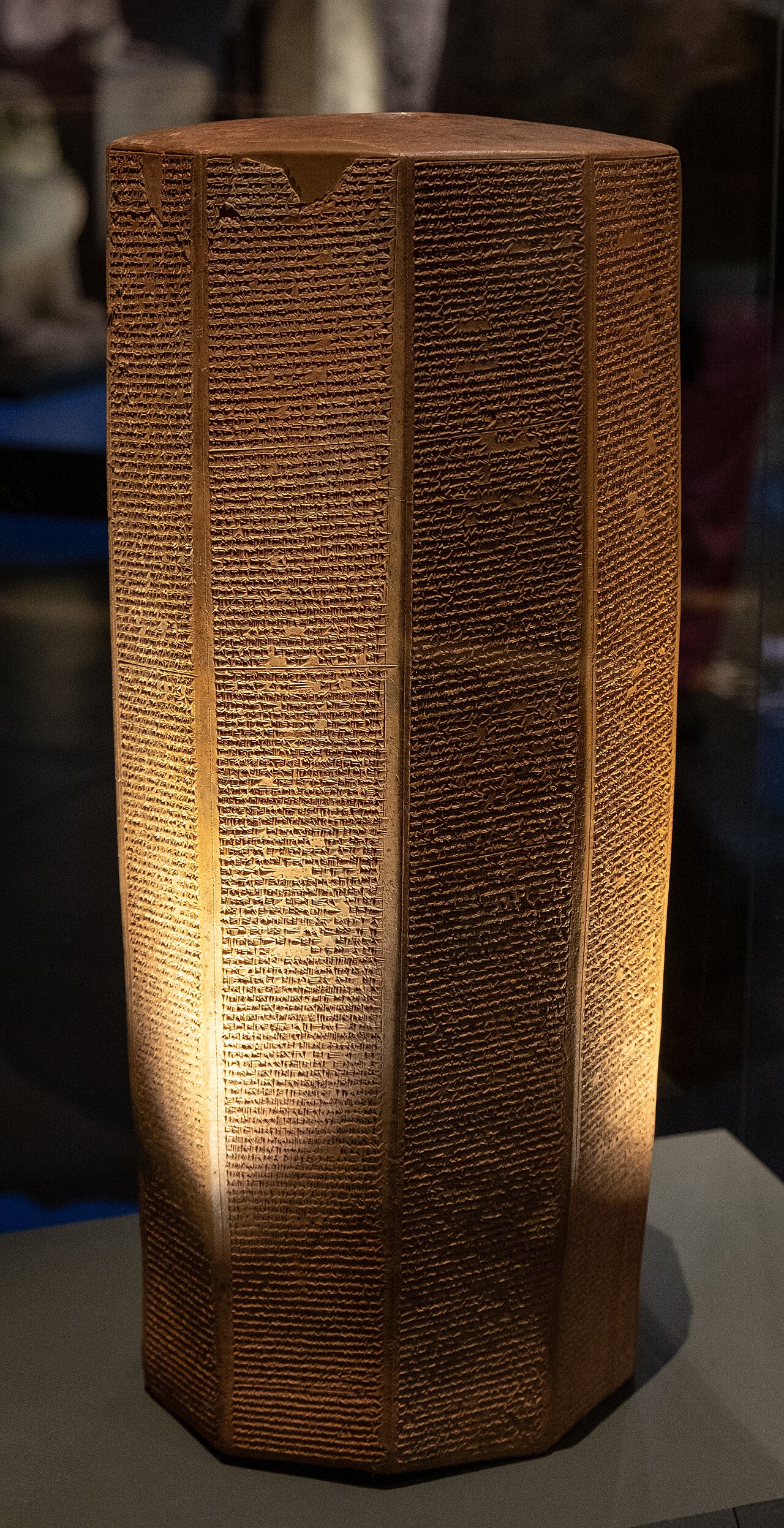
Rassam Prism of Ashurbanipal
643 BCE
 Painting
Secondary source
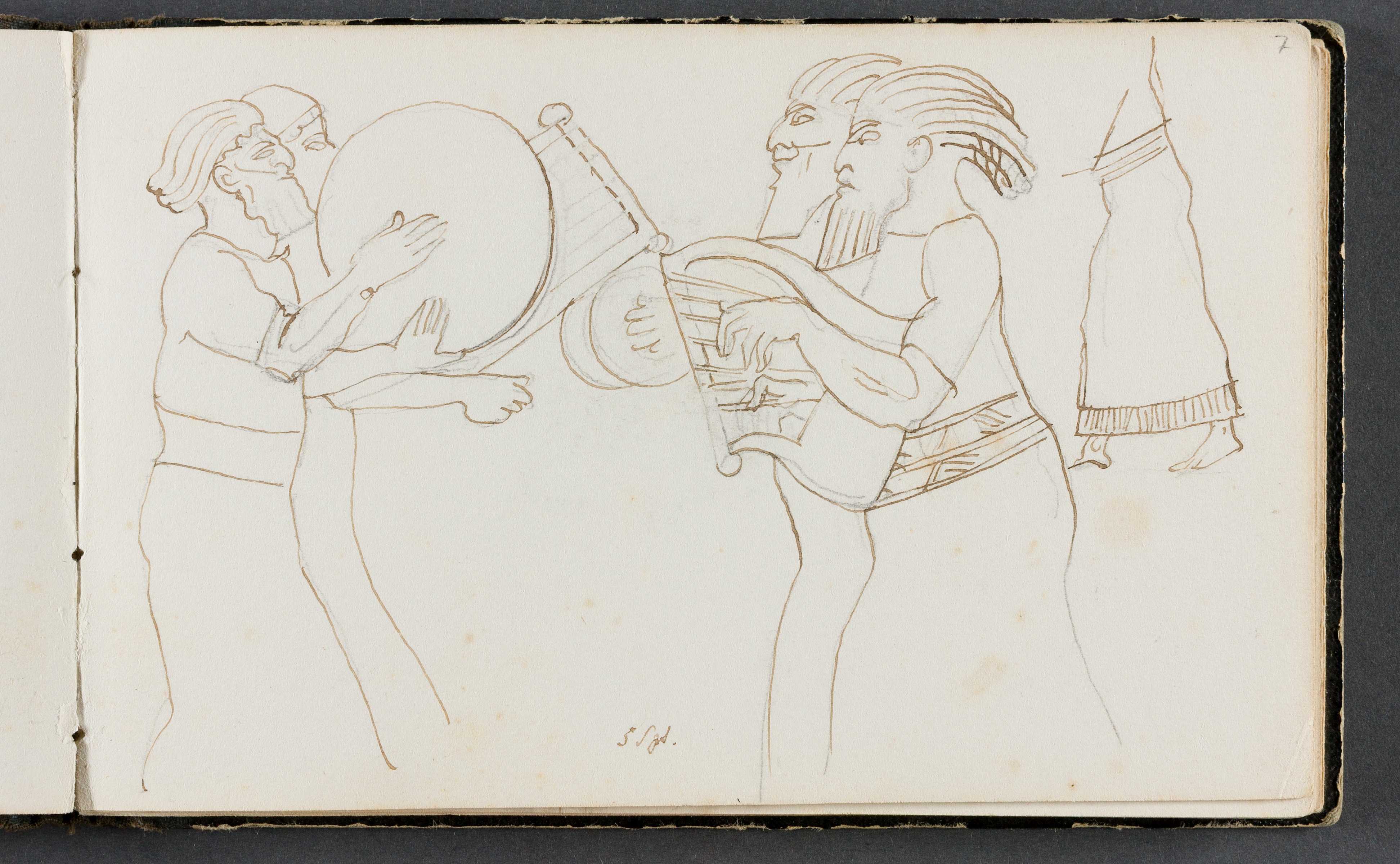
Relief with Musicians from the Palace of Ashurbanipal in Nineveh
 Document
Primary source
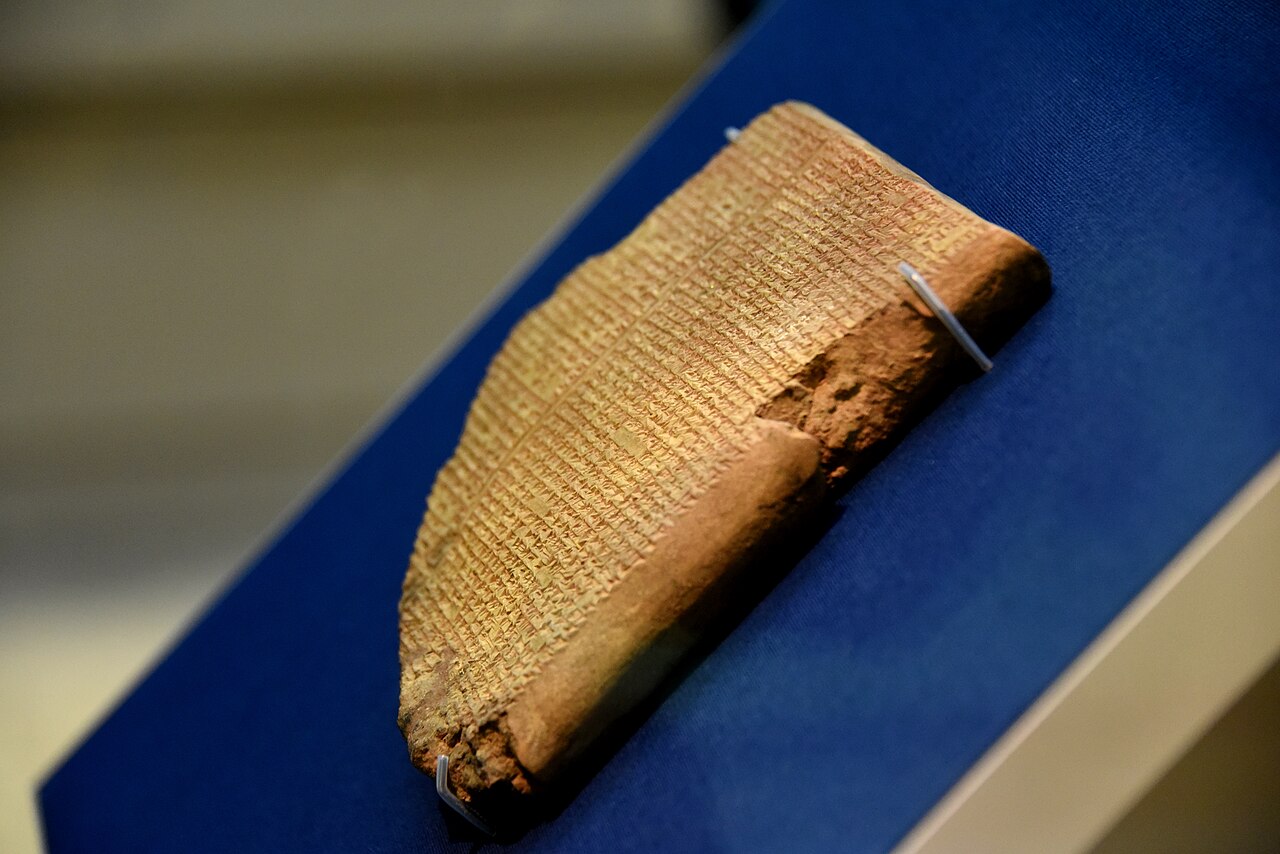
Flood Tablet
Scribes of Ashurbanipal's library · 7th century BCE
Ready when you are
Start chatting with Ashurbanipal now.
20 messages free · No credit card · Available in 50+ languages.