


Secondary sourceSculpturec. 15th century CE
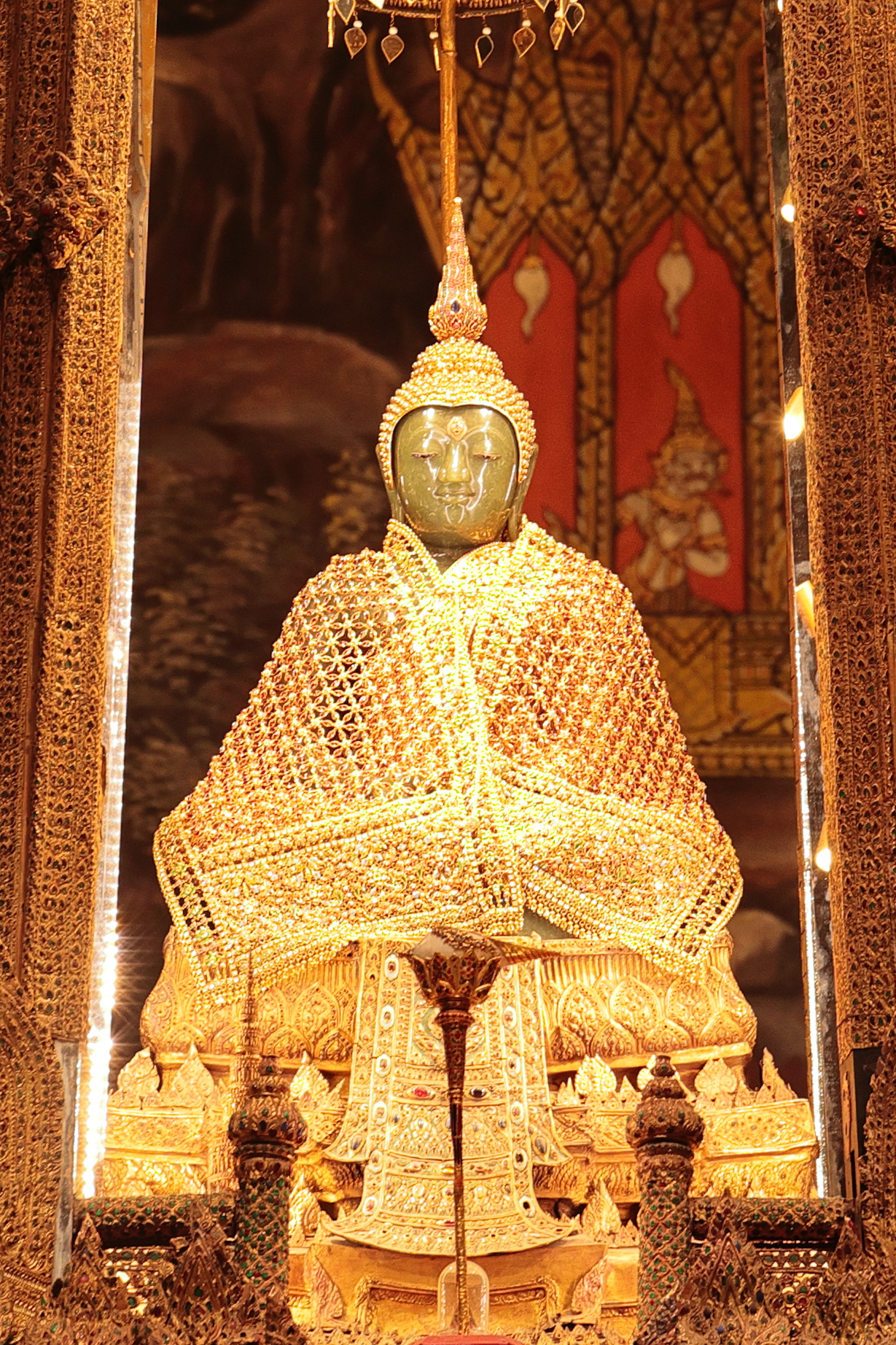
Emerald Buddha
c. 15th century CE
A small green stone statue of the meditating Buddha, considered the sacred palladium of Thailand and housed in Bangkok's Grand Palace.
As an image of the meditating Buddha, this statue became a national symbol tied to his teachings and to royal power in Thailand.
About this source
What it is
The Emerald Buddha is an image of the Buddha seated in meditation, carved from a semi-precious green stone (likely jade or jasper despite its name) and clothed in gold robes. About 66 centimetres tall, it is kept in the Temple of the Emerald Buddha within Bangkok's Grand Palace.
Why it matters
Though its exact origins are uncertain, the statue surfaced in northern Thailand in 1434 and was later carried between the kingdoms of Lan Na, Lan Xang, and Siam, becoming a powerful symbol of royal legitimacy. Kings including Setthathirath and Rama I moved or seized it to strengthen their claims to rule, showing how an image of the Buddha could become bound up with political power centuries after his life.
Look closer
- Why might rulers have wanted to possess this particular statue rather than any other image of the Buddha?
- What does the statue's journey across different kingdoms tell us about war and conquest in the region?
- Why do you think the statue is dressed in different robes for different seasons?
This sculpture is part of the curated material that grounds the AI version of Buddha on Humy.ai — when students ask about related events, the AI can quote it and cite it.
More Buddha sources
Meet the AI Buddha →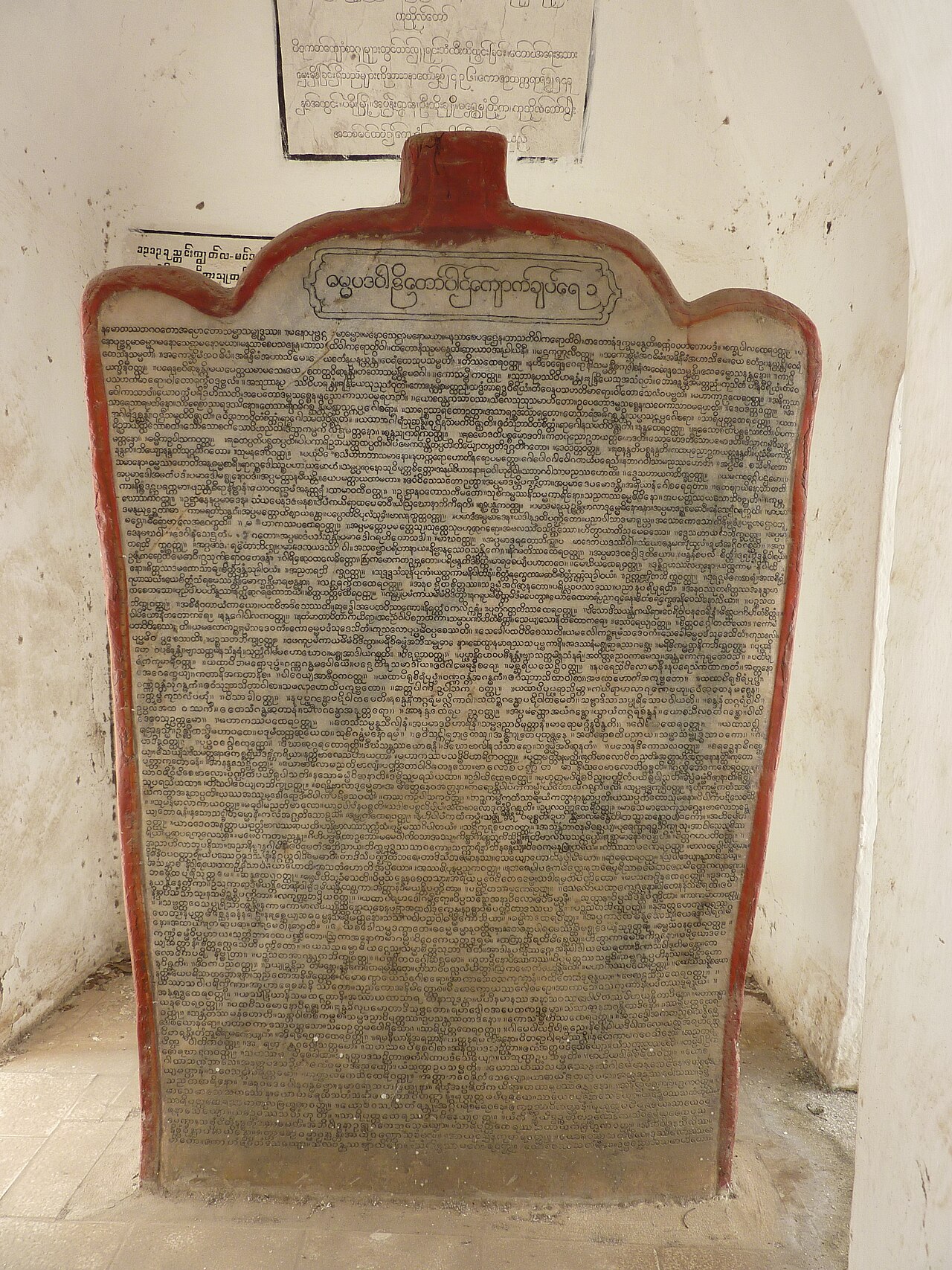 Book
Secondary source
Dhammapada
Attributed to the Buddha · c. 3rd century BCE compilation
 Painting
Secondary source
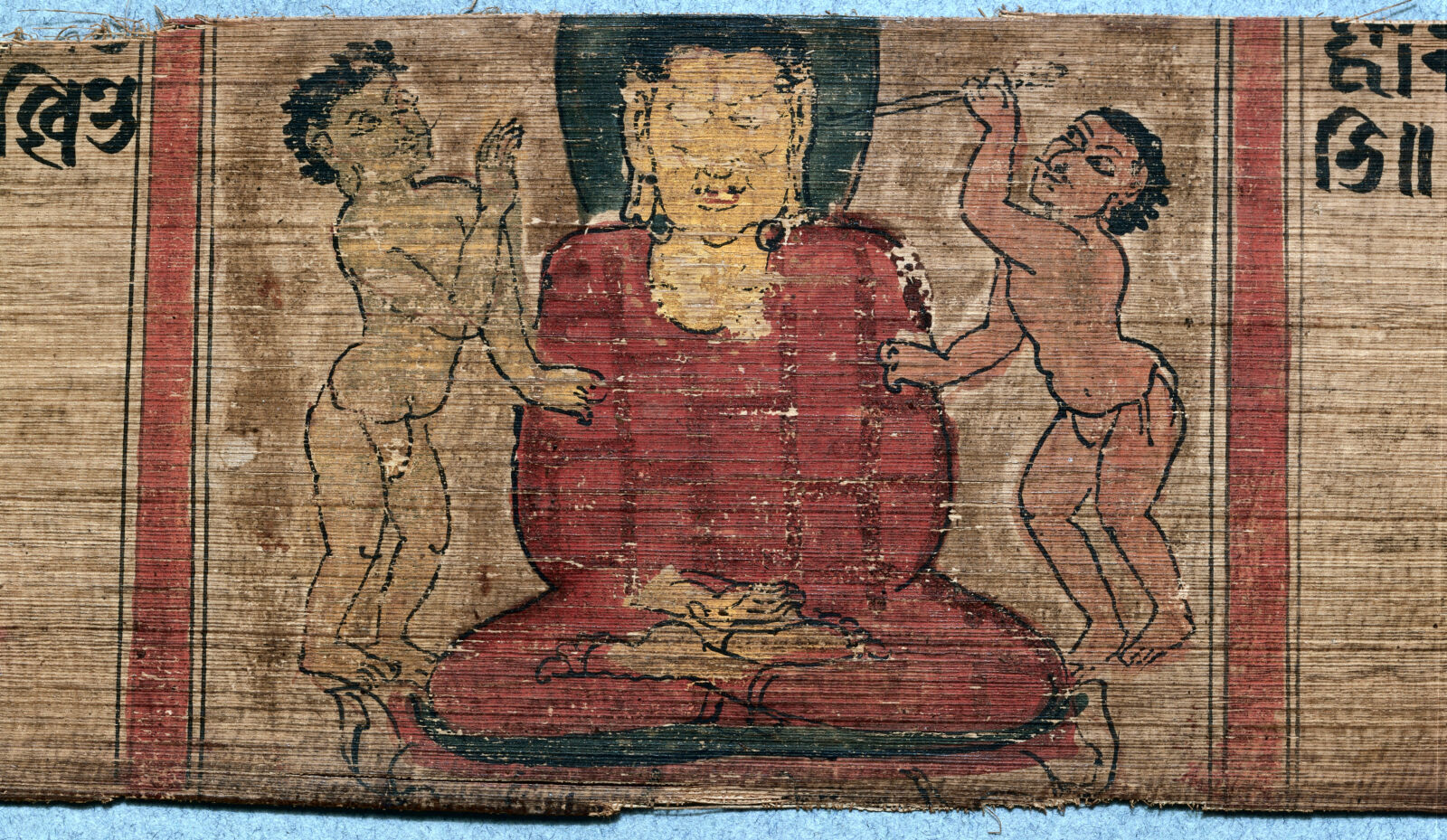
Buddha in Dhyana, Perfection of Wisdom Sutra Manuscript
1074
 Sculpture
Secondary source
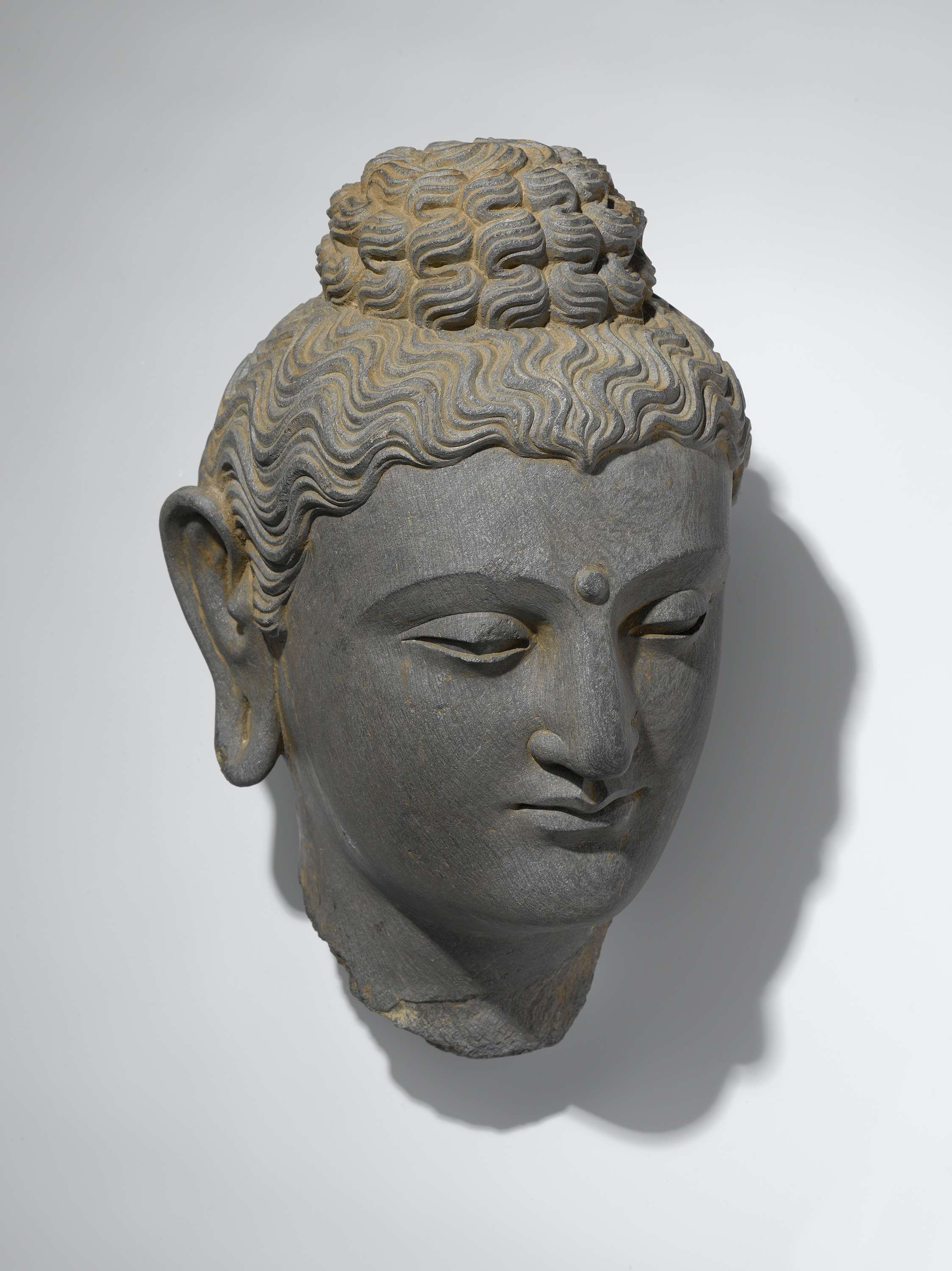
Head of the Buddha, Gandhara style
 Book
Secondary source
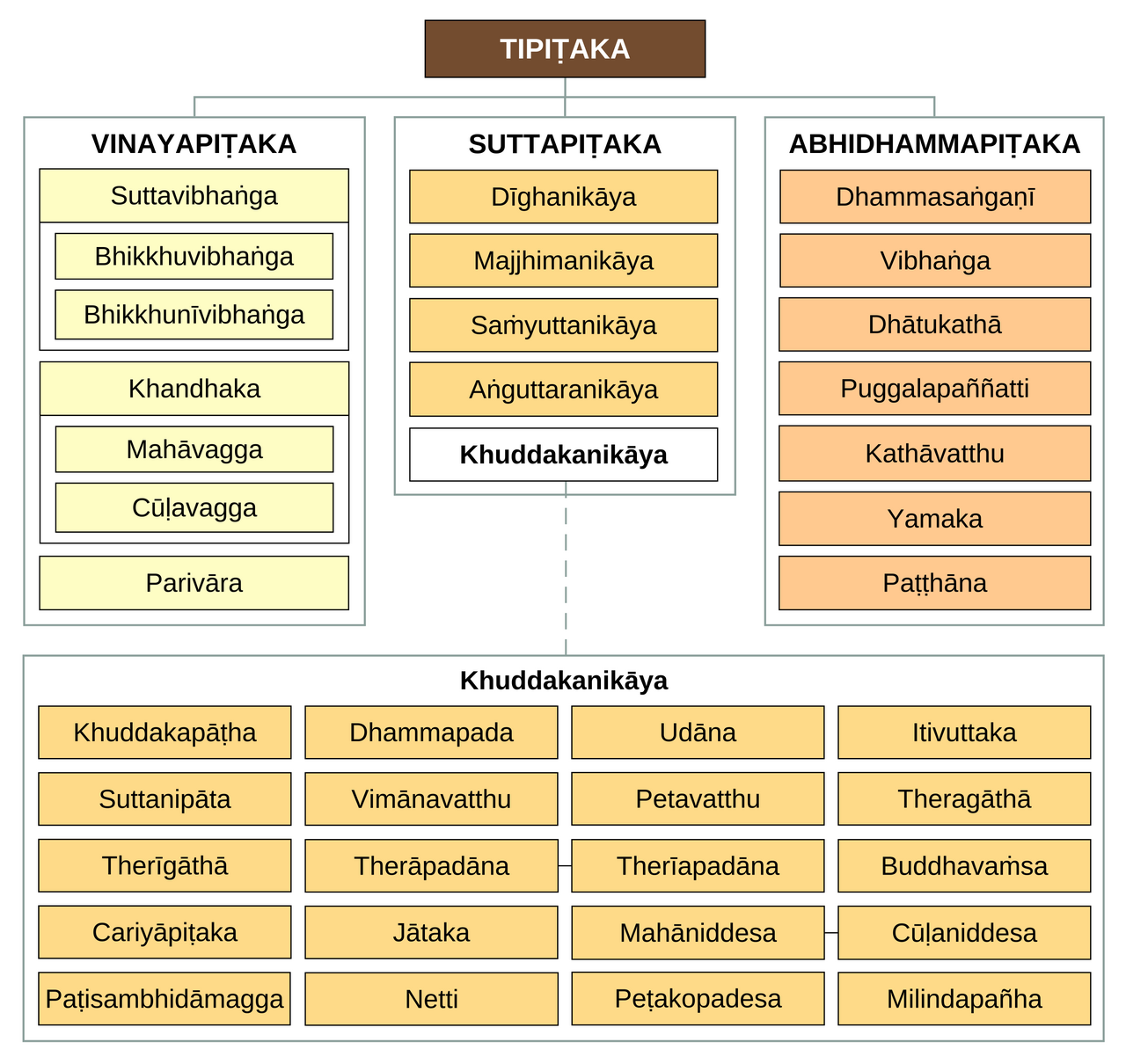
Pali Canon (Tipitaka)
Early Buddhist sangha · oral from 5th century BCE; written c. 29 BCE
 Document
Secondary source
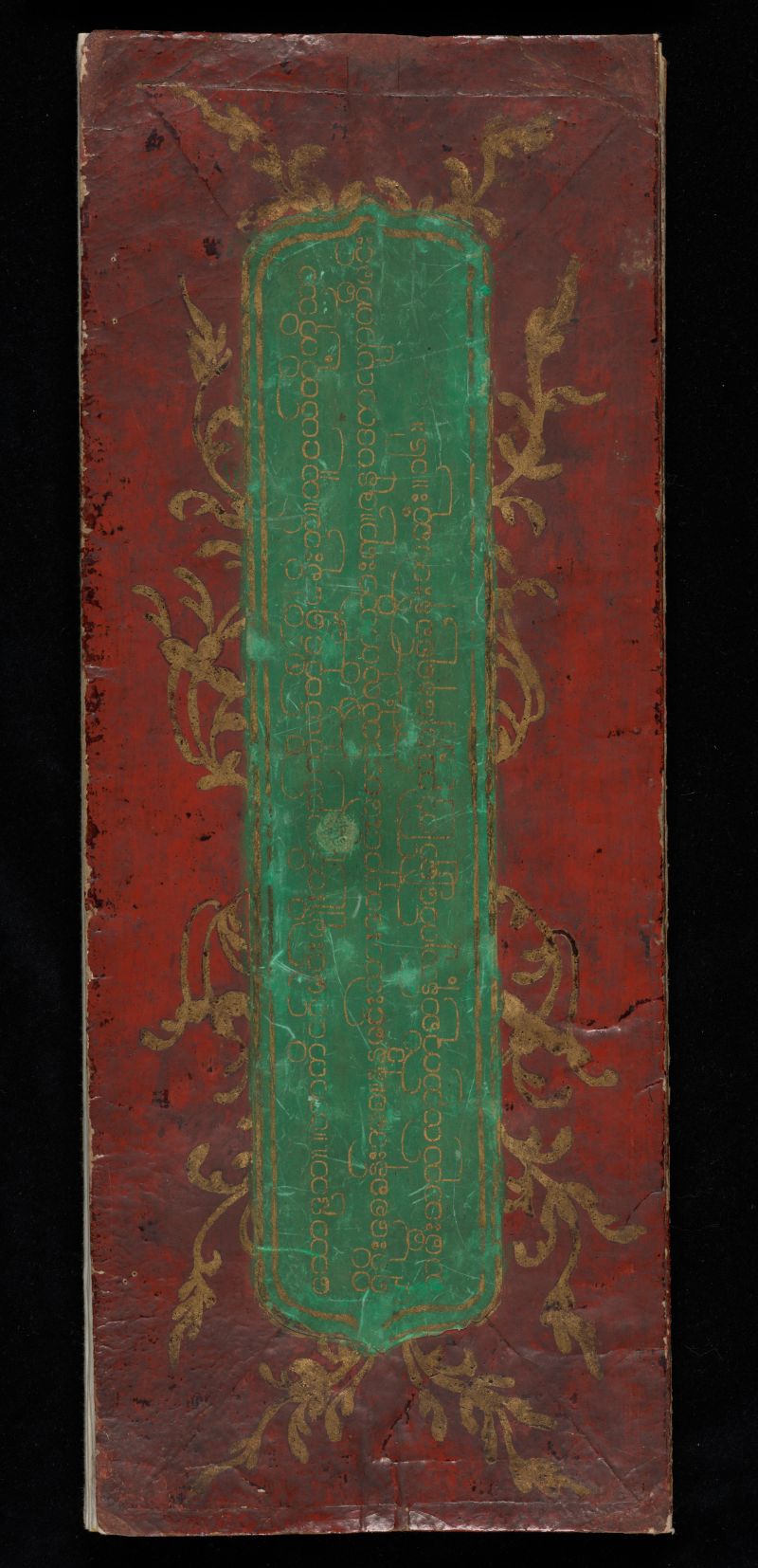
Life of the Buddha
19th century
Ready when you are
Start chatting with Buddha now.
20 messages free · No credit card · Available in 50+ languages.