


Primary sourcePainting1523
Erasmus
Hans Holbein the Younger · 1523
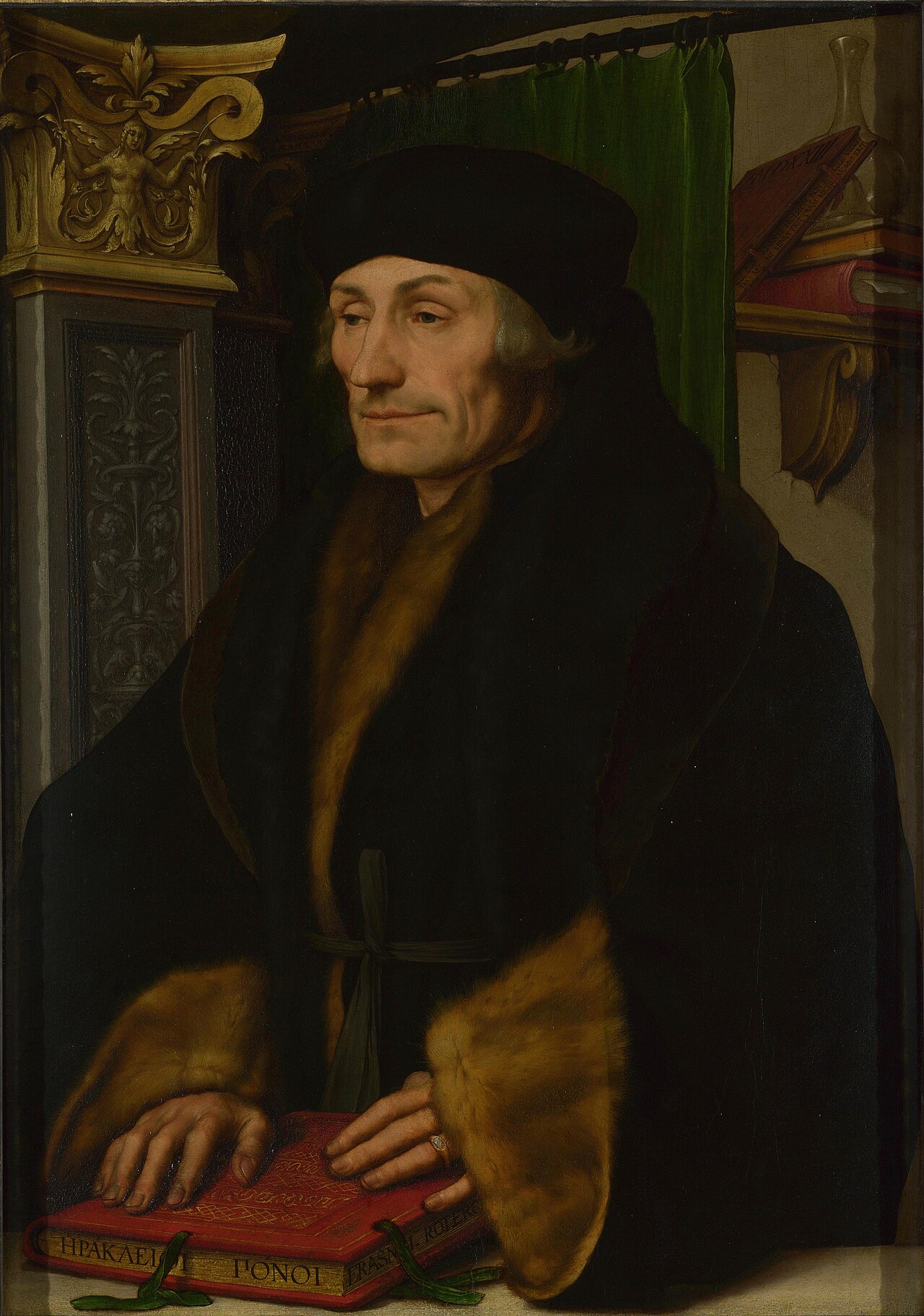
A 1523 portrait of Erasmus by Hans Holbein the Younger, painted from life to present him as Europe's leading scholar.
A life portrait of Erasmus that helped establish his public image as Europe's leading scholar.
About this source
What it is
This oil painting by Hans Holbein the Younger, made in 1523, shows Erasmus resting his hands on a book inscribed with words referring to "Herculean labours." It is now held by the National Gallery.
Why it matters
Holbein painted Erasmus from life, and the portrait helped shape how Europe saw its most famous humanist scholar: dignified, learned, and surrounded by the tools of study. The inscription comparing his work to the labours of Hercules reflects how Erasmus and his circle wanted his vast scholarly output to be understood.
Look closer
- What details in the painting (the book, the clothing, the setting) tell you this is meant to show a scholar rather than a noble or soldier?
- Why might Erasmus have wanted his image spread across Europe through paintings like this?
- What does the phrase "Herculean labours" suggest about how Erasmus saw his own work?
This painting is part of the curated material that grounds the AI version of Desiderius Erasmus on Humy.ai — when students ask about related events, the AI can quote it and cite it.
More Desiderius Erasmus sources
Meet the AI Desiderius Erasmus →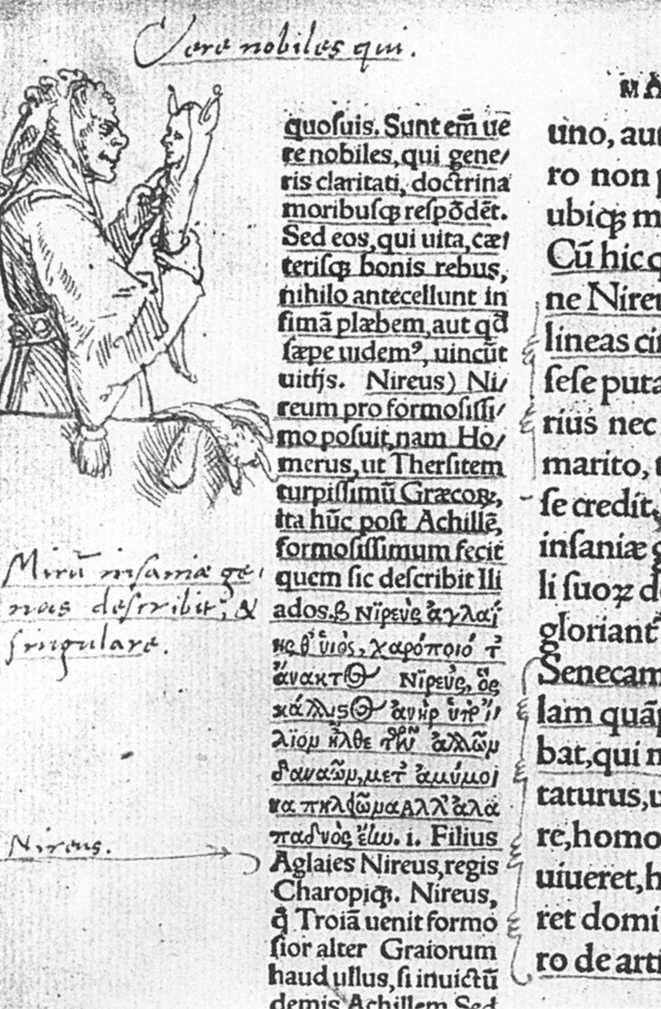 Book
Primary source
In Praise of Folly
Erasmus · 1511 (written 1509)
 Book
Primary source
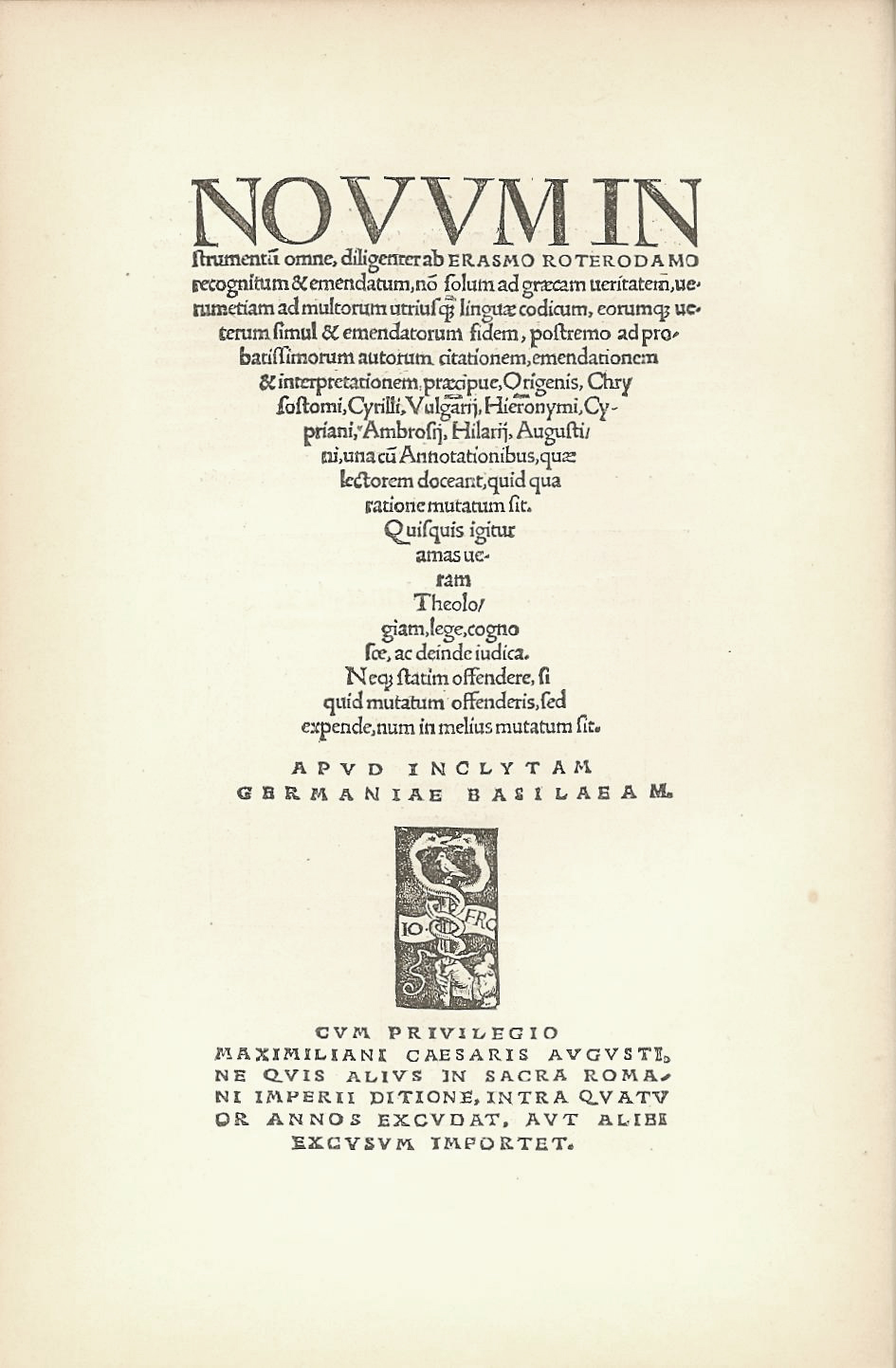
Novum Instrumentum omne
Erasmus · 1516
 Book
Primary source
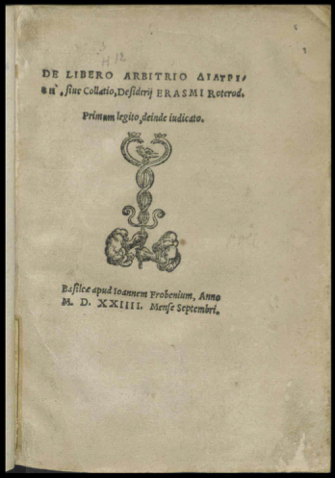
De libero arbitrio diatribe sive collatio
Erasmus · 1524
 Book
Primary source
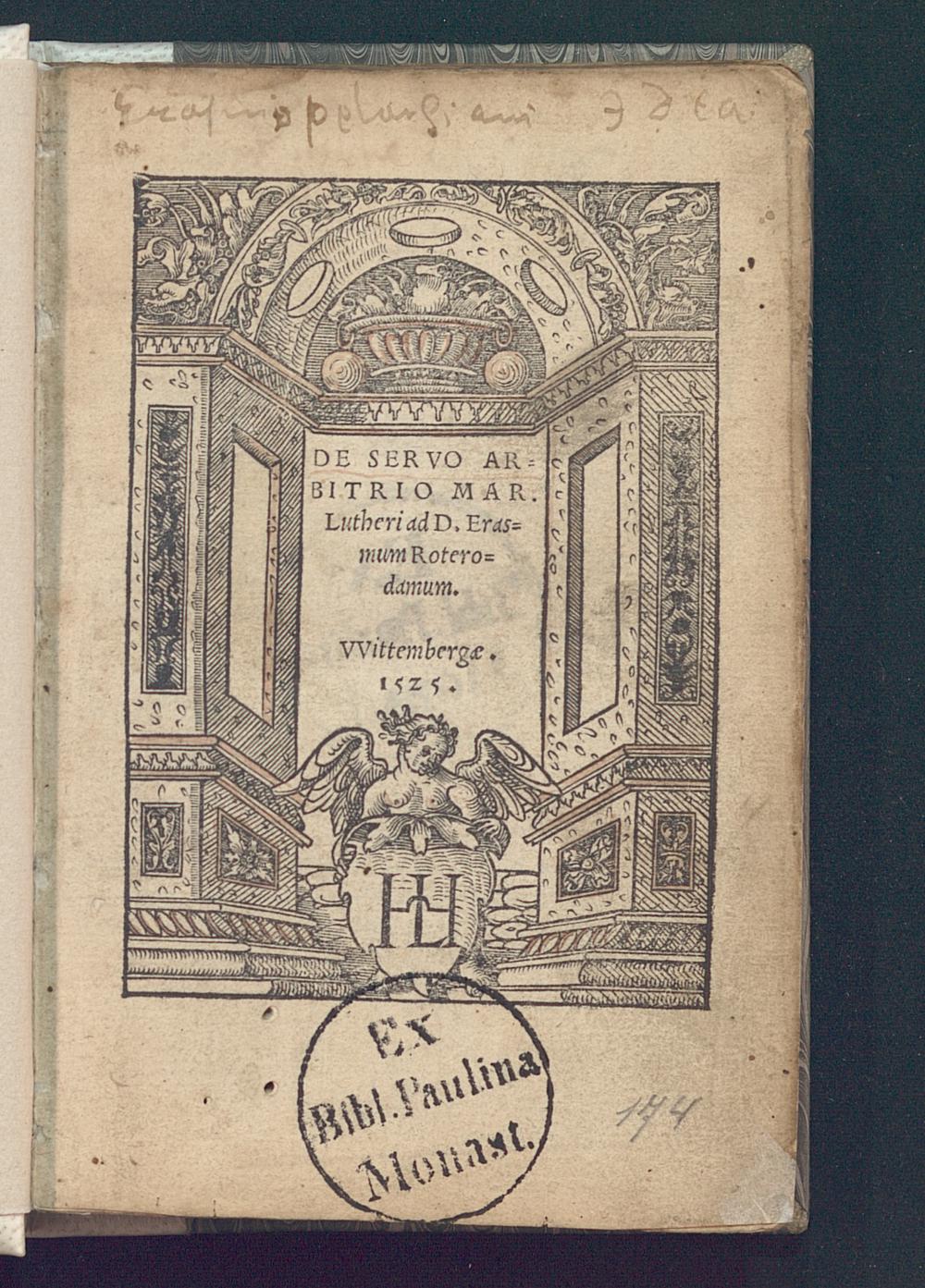
On the Bondage of the Will
Martin Luther · 1525
 Painting
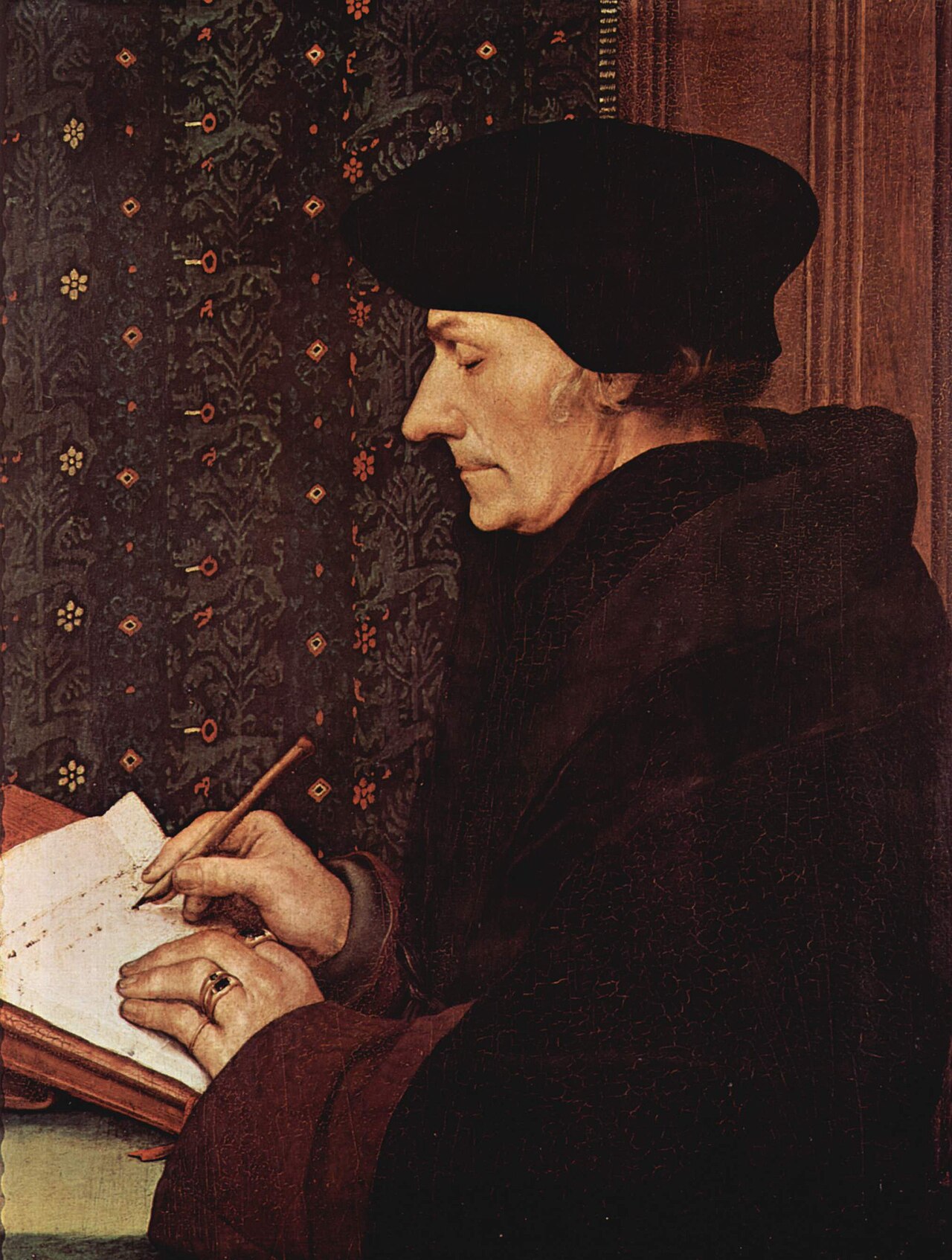
Primary source
Portrait of Erasmus Writing
Hans Holbein the Younger · 1528
Ready when you are
Start chatting with Desiderius Erasmus now.
20 messages free · No credit card · Available in 50+ languages.