


Primary sourceBook1516
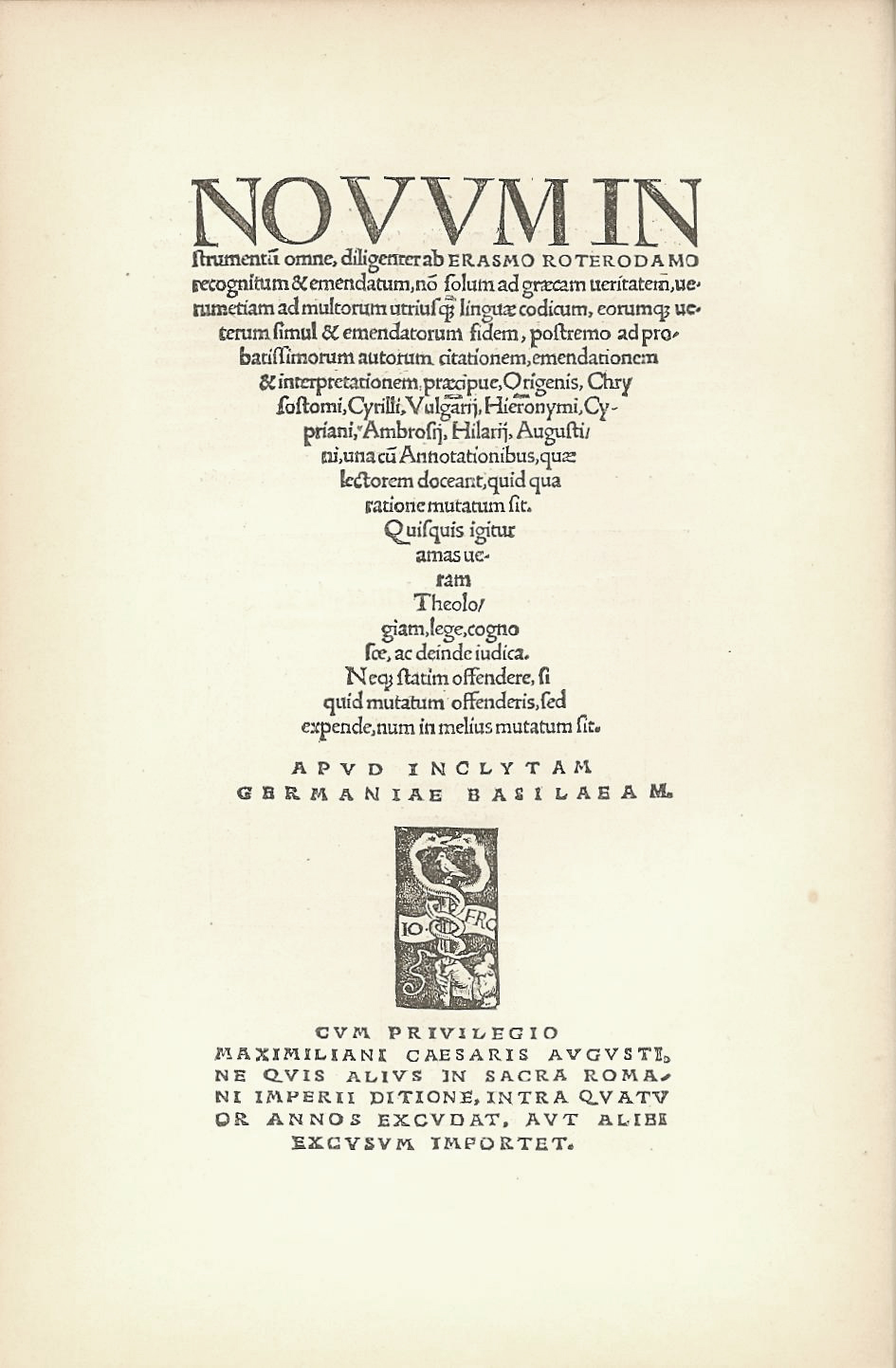
Novum Instrumentum omne
Erasmus · 1516
Erasmus's 1516 printed Greek New Testament with his own Latin translation, which became the basis for Luther's and Tyndale's Bible translations.
Erasmus's own Greek New Testament edition, his great scholarly achievement and the basis for later Reformation Bibles.
About this source
What it is
Novum Instrumentum omne was a bilingual Greek-Latin New Testament prepared by Erasmus and printed by Johann Froben in Basel in 1516. Erasmus corrected the standard Latin Vulgate text and set it beside the Greek, with extensive scholarly notes; later editions added his own fresh Latin translation.
Why it matters
It was the first printed Greek New Testament to reach a wide audience, published just before the rival Complutensian Polyglot was released. Up to 300,000 copies were printed in Erasmus's lifetime. His Greek text underlay the Textus Receptus used by Martin Luther, William Tyndale and the King James Bible, making Erasmus's scholarship central to the Reformation even though he himself stayed within the Catholic Church.
Look closer
- Why might having the Greek and Latin side by side matter to scholars and translators?
- Why was this book rushed into print, and what problems did that cause?
- What does the book's huge influence on later Bible translations tell you about the power of printing in this period?
This book is part of the curated material that grounds the AI version of Desiderius Erasmus on Humy.ai — when students ask about related events, the AI can quote it and cite it.
More Desiderius Erasmus sources
Meet the AI Desiderius Erasmus →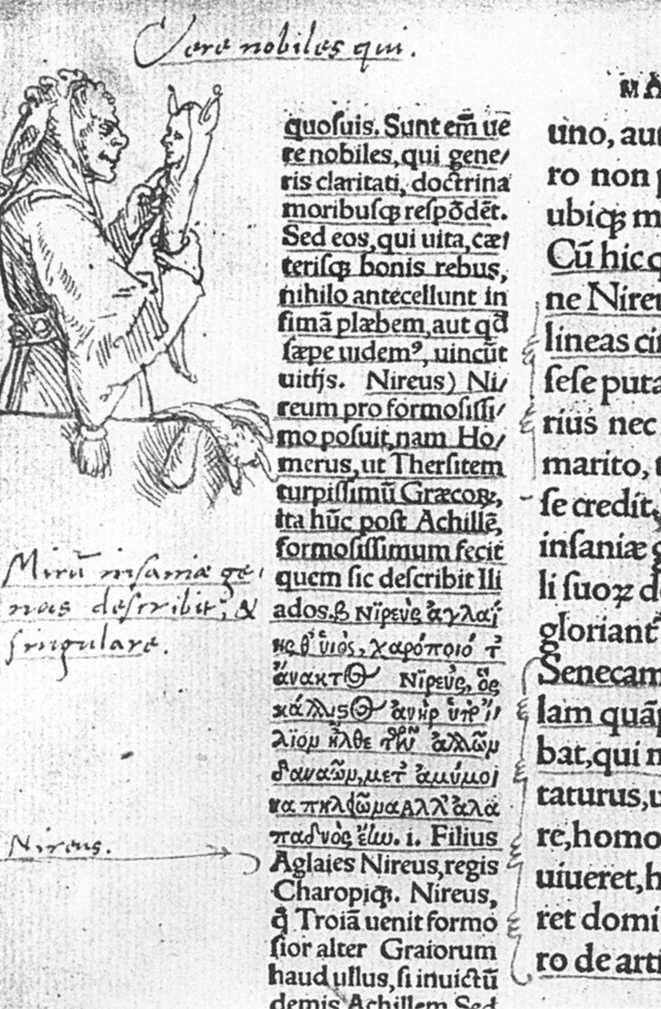 Book
Primary source
In Praise of Folly
Erasmus · 1511 (written 1509)
 Book
Primary source
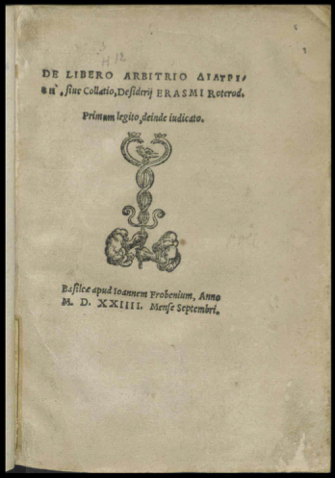
De libero arbitrio diatribe sive collatio
Erasmus · 1524
 Book
Primary source
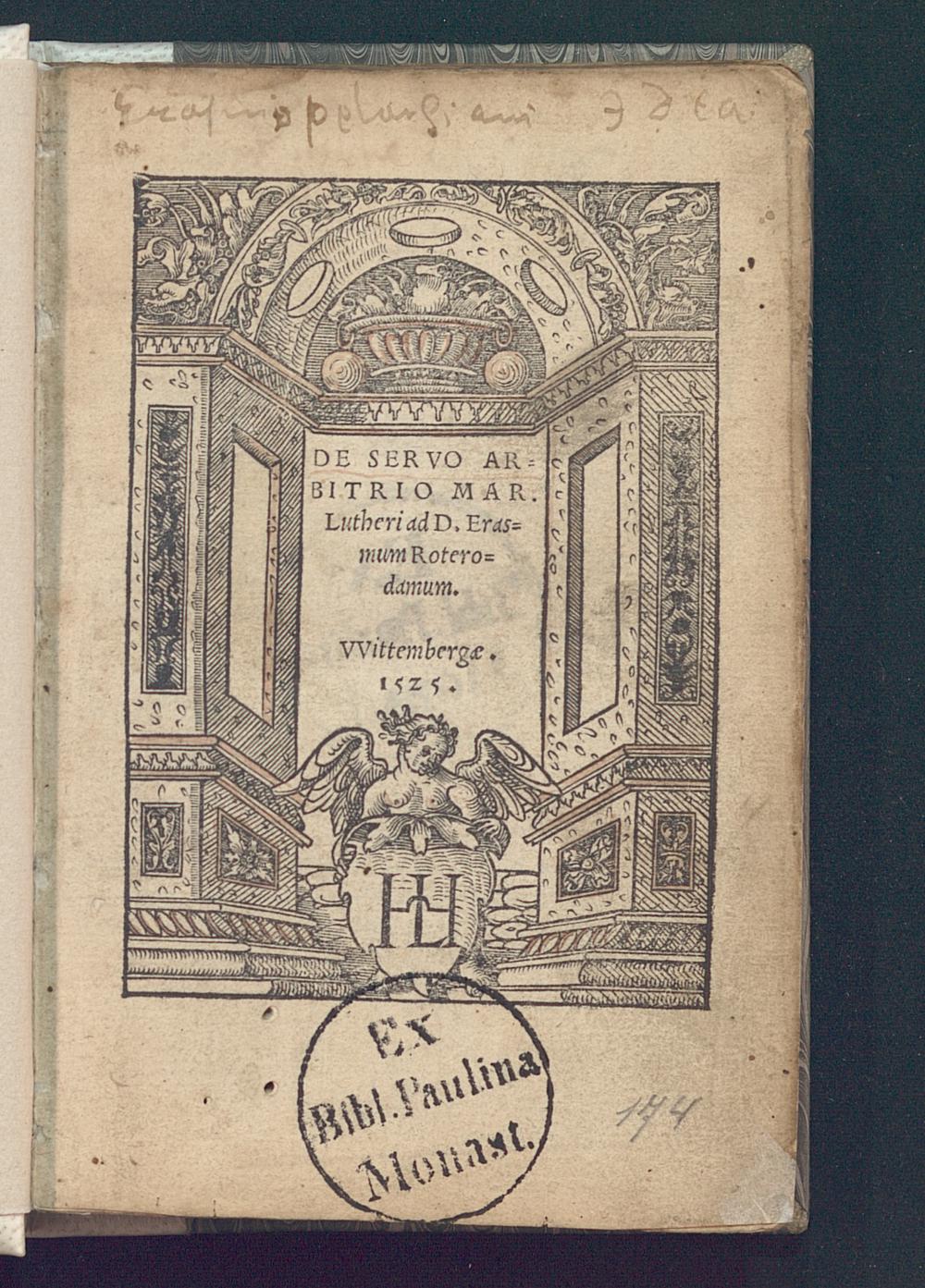
On the Bondage of the Will
Martin Luther · 1525
 Painting
Primary source
Erasmus
Hans Holbein the Younger · 1523
 Painting
Primary source
Portrait of Erasmus Writing
Hans Holbein the Younger · 1528
Ready when you are
Start chatting with Desiderius Erasmus now.
20 messages free · No credit card · Available in 50+ languages.