


Primary sourceBook1511 (written 1509)
In Praise of Folly
Erasmus · 1511 (written 1509)
Erasmus's famous satire, written at Thomas More's house, mocking monks, theologians and popes while calling for a simpler, inward Christianity.
Erasmus's most famous satirical work, written by him and central to his humanist reputation.
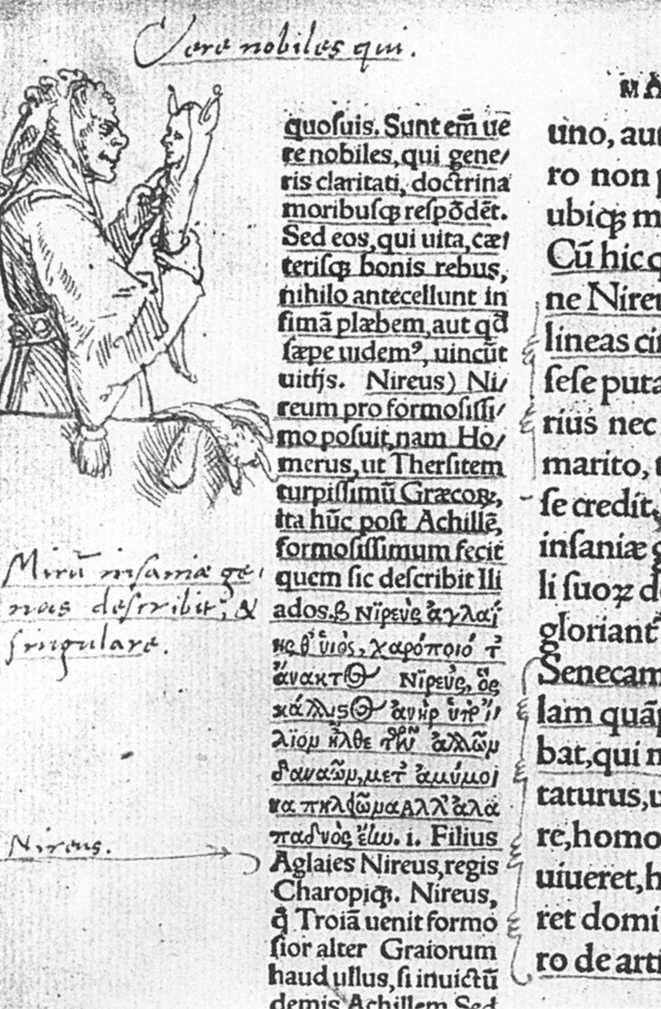
About this source
What it is
In Praise of Folly is a satirical oration written in Latin by Desiderius Erasmus, first printed in 1511. Erasmus said he wrote it while staying at the London house of his friend Sir Thomas More. The work is spoken by the goddess Folly, who praises herself and mocks every part of society, from princes to priests.
Why it matters
The book is one of the most famous works of the Renaissance and influenced the early Reformation, even though Erasmus remained a loyal Catholic. Its title plays on the name of Erasmus's friend Thomas More. It shows Erasmus's humanist belief that true Christianity should be simple and inward, not tied up in superstition or corrupt church practices.
Look closer
- Why might Erasmus have chosen a joke-filled satire, rather than a serious treatise, to criticise the church?
- What does the friendship with Thomas More suggest about the circles Erasmus moved in?
- What parts of society does Folly mock, and what does that tell you about Erasmus's own concerns?
This book is part of the curated material that grounds the AI version of Desiderius Erasmus on Humy.ai — when students ask about related events, the AI can quote it and cite it.
More Desiderius Erasmus sources
Meet the AI Desiderius Erasmus →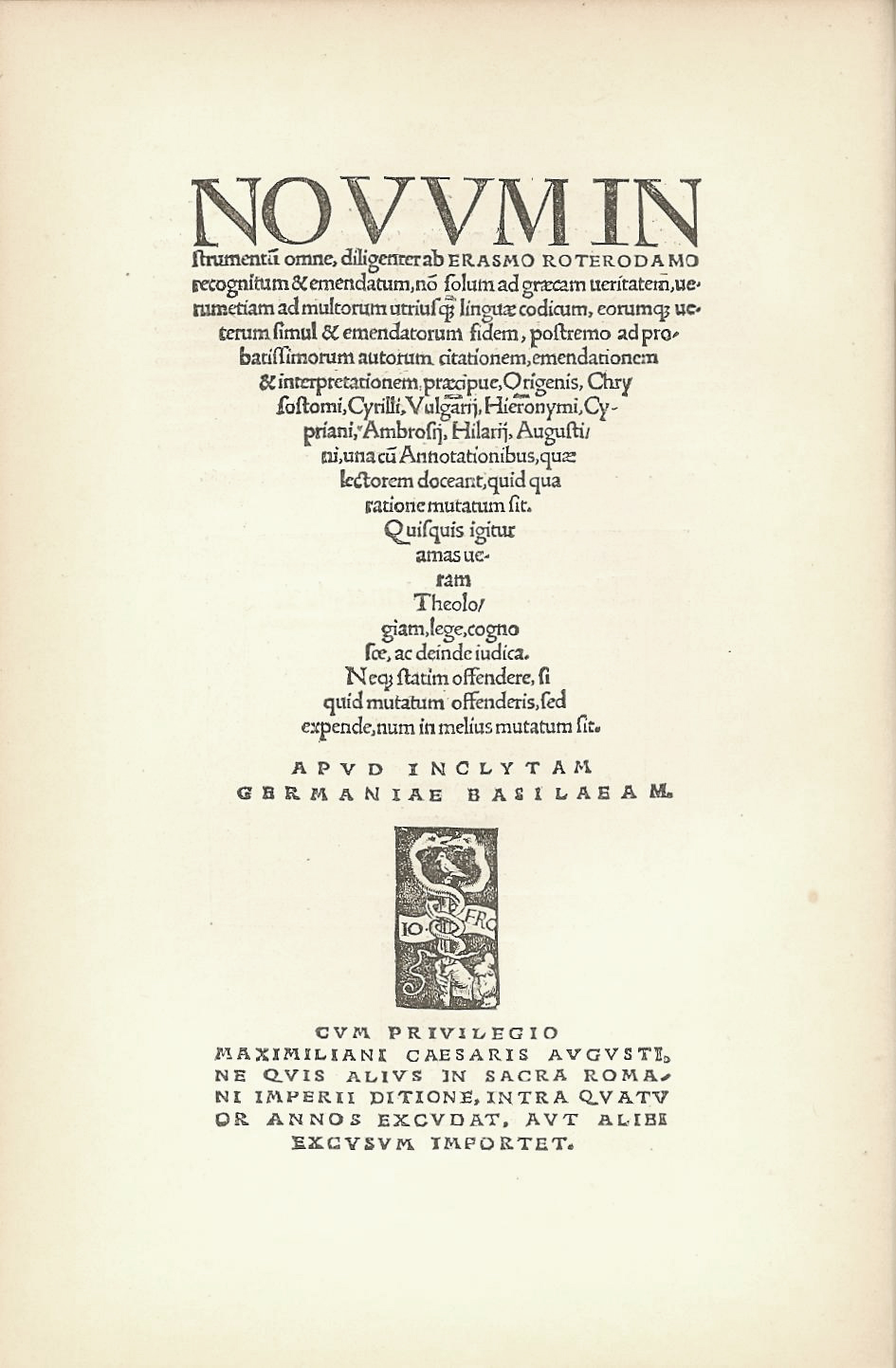 Book
Primary source
Novum Instrumentum omne
Erasmus · 1516
 Book
Primary source
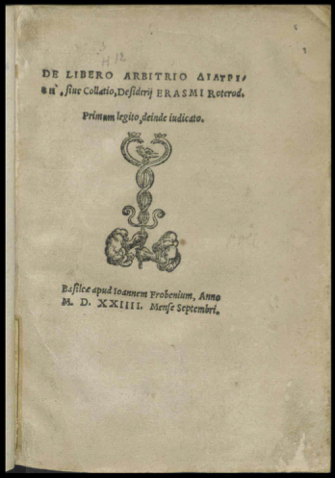
De libero arbitrio diatribe sive collatio
Erasmus · 1524
 Book
Primary source
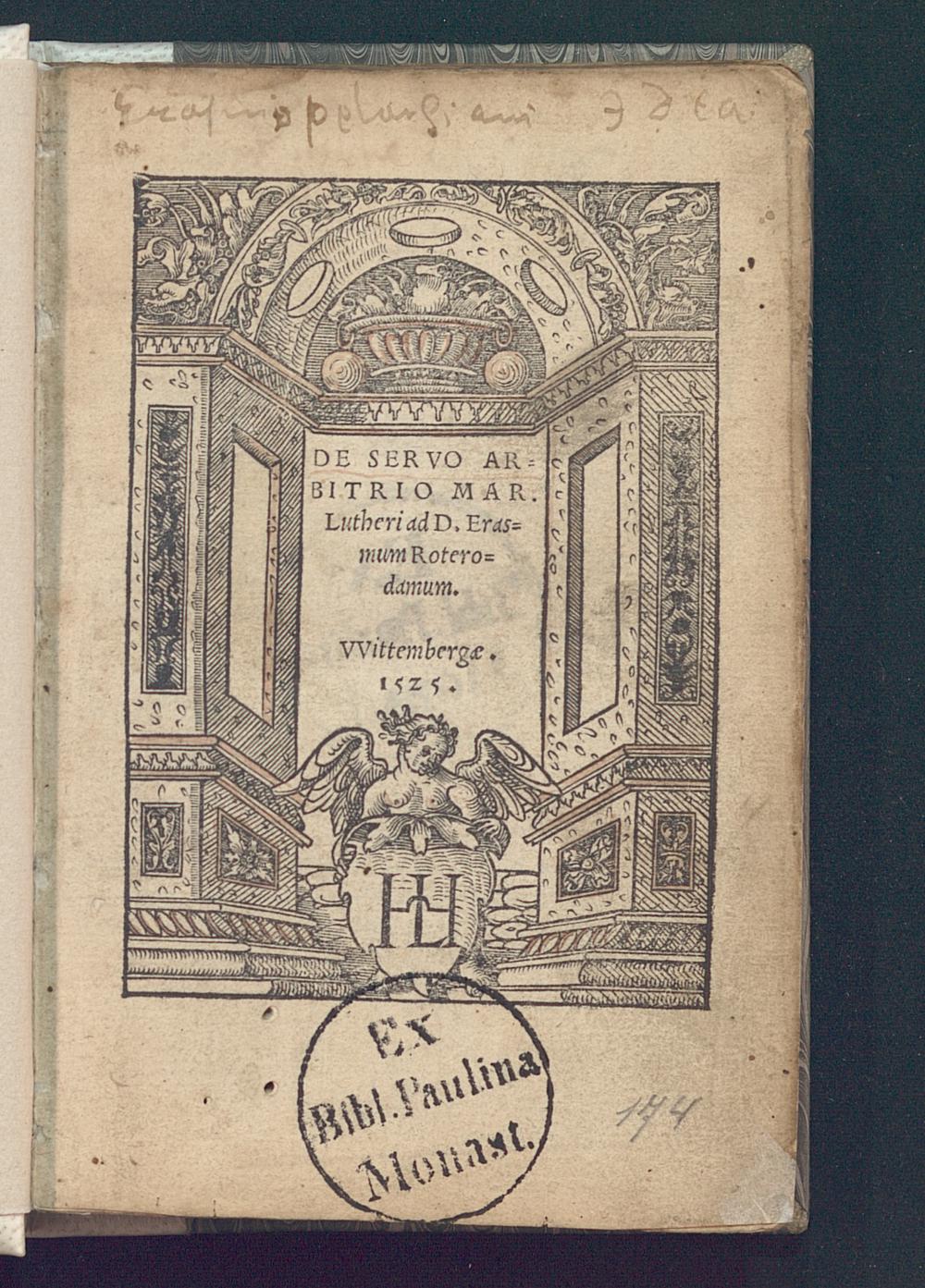
On the Bondage of the Will
Martin Luther · 1525
 Painting
Primary source
Erasmus
Hans Holbein the Younger · 1523
 Painting
Primary source
Portrait of Erasmus Writing
Hans Holbein the Younger · 1528
Ready when you are
Start chatting with Desiderius Erasmus now.
20 messages free · No credit card · Available in 50+ languages.