


Primary sourceDocument15 June 1917
Espionage Act of 1917
15 June 1917
A wartime law signed by Wilson that criminalized interference with military operations and was used to suppress dissent.
Wilson requested this law and signed it, using it to suppress wartime dissent.
About this source
What it is
The Espionage Act of 1917 is a United States federal law enacted on 15 June 1917, shortly after the U.S. entered World War I. President Woodrow Wilson requested the legislation and signed it into law.
Why it matters
The Act aimed to prevent interference with military operations and support for enemies during wartime, but it was also used to prosecute dissenters such as Eugene V. Debs and Emma Goldman. The Supreme Court upheld it in Schenck v. United States in 1919, a case still central to debates about free speech limits in wartime. It shows how Wilson's wartime government expanded federal power over speech and dissent, with effects reaching far beyond his own era, to later cases like the Rosenbergs and Edward Snowden.
Look closer
- What kinds of actions does the law make illegal?
- Why might a government want such broad power during war?
- What tensions does this law reveal between national security and free speech?
This document is part of the curated material that grounds the AI version of Woodrow Wilson on Humy.ai — when students ask about related events, the AI can quote it and cite it.
More Woodrow Wilson sources
Meet the AI Woodrow Wilson →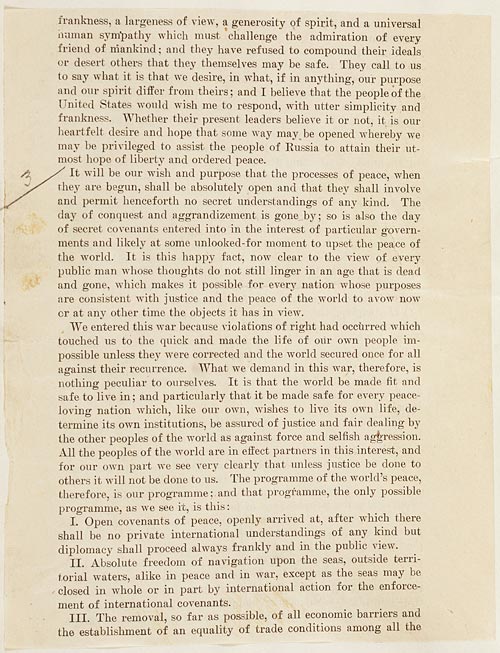 Speech
Primary source
President Woodrow Wilson's 14 Points
Woodrow Wilson · 8 January 1918
 Speech
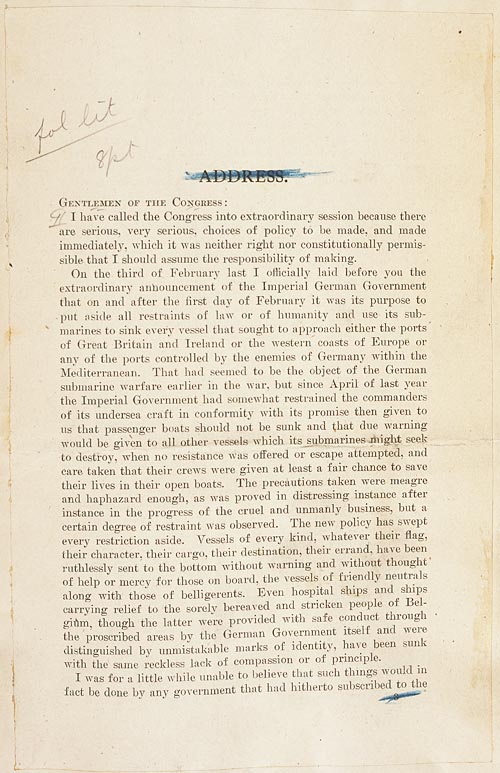
Primary source
Joint Address to Congress Leading to a Declaration of War Against Germany
Woodrow Wilson · 2 April 1917
 Document
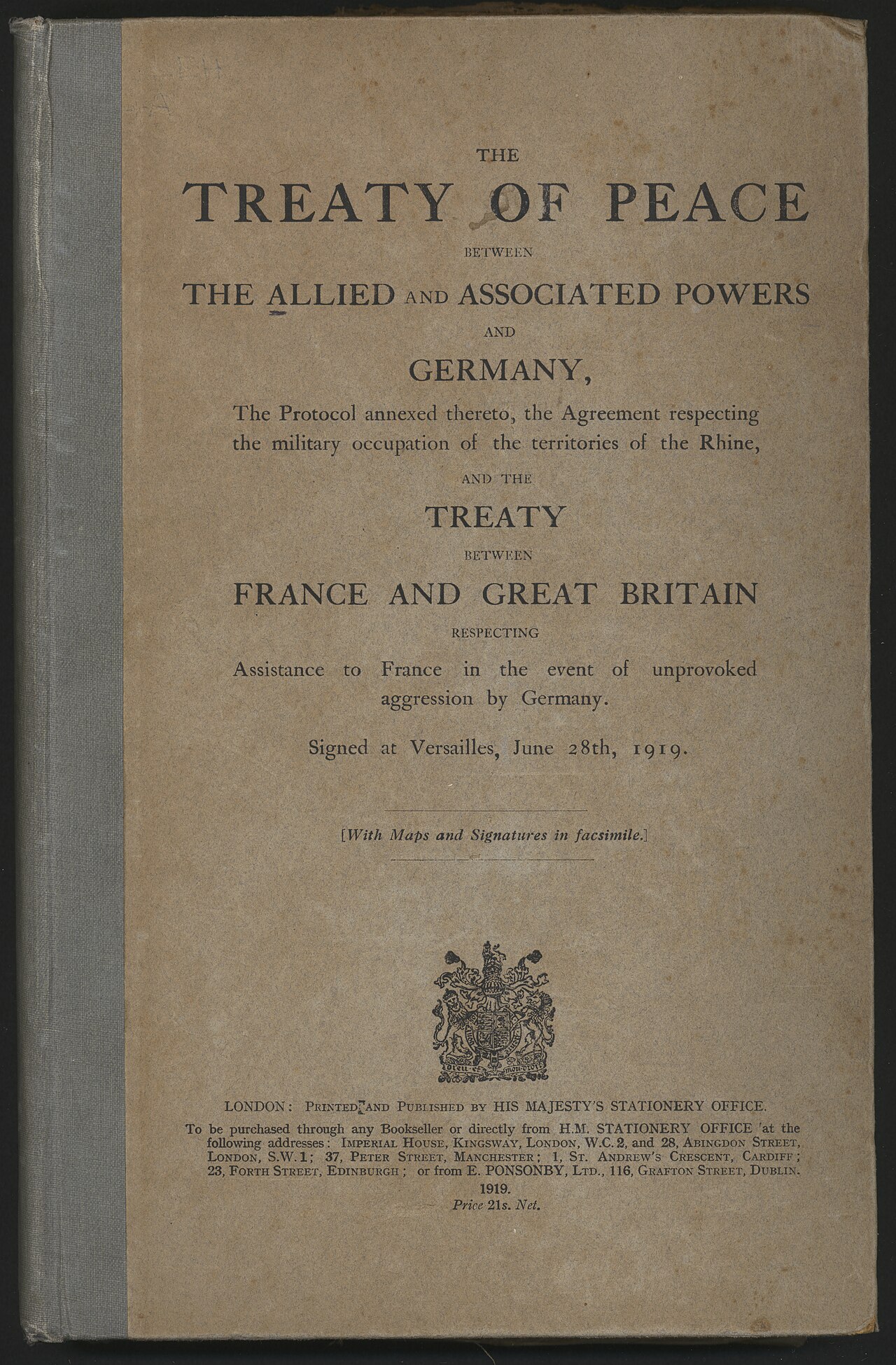
Primary source
Treaty of Versailles
28 June 1919
Primary source
Covenant of the League of Nations
28 June 1919
 Document
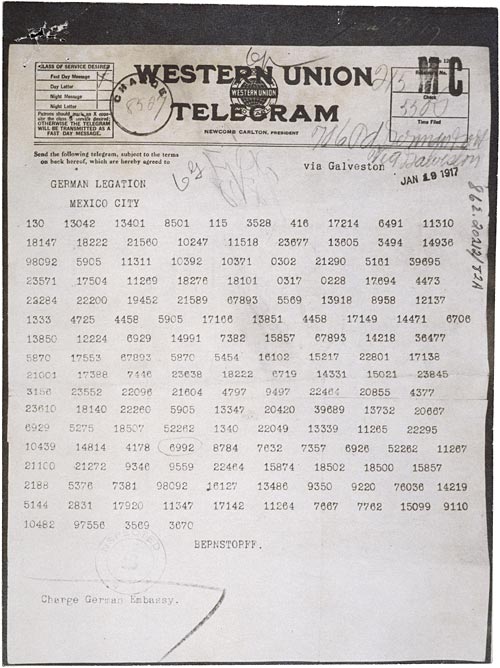
Primary source
Zimmermann Telegram
Arthur Zimmermann · 1917
Ready when you are
Start chatting with Woodrow Wilson now.
20 messages free · No credit card · Available in 50+ languages.