


Primary sourcePaintingc. 1630s
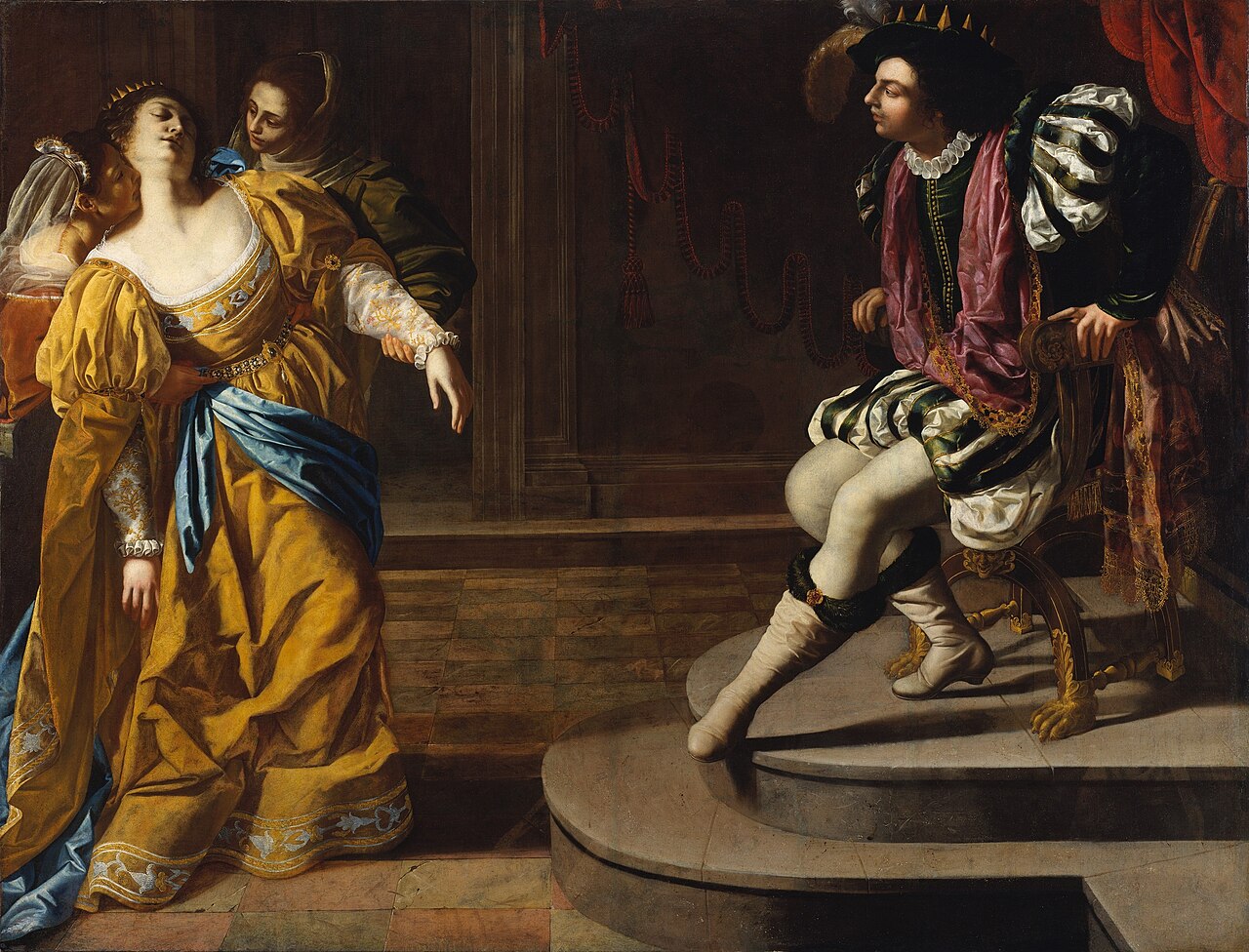
Esther before Ahasuerus
Artemisia Gentileschi · c. 1630s
A painting by Artemisia Gentileschi depicting the biblical heroine Esther fainting before King Ahasuerus.
A painting by Gentileschi showing her recurring theme of heroic biblical women and her distinctive style.
About this source
What it is
A painting by Artemisia Gentileschi, not precisely dated but thought by many scholars to come from the 1630s, during her first Neapolitan period. It is now held by the Metropolitan Museum of Art, having been donated in 1969.
Why it matters
The painting shows the biblical heroine Esther, who risked death by approaching King Ahasuerus unsummoned to beg him to spare her people. Gentileschi, trained by her father Orazio Gentileschi in the style of Caravaggio, gives Esther dignity and agency as the protagonist while portraying the king in a less flattering, almost comic light. The work reflects her consistent interest in depicting strong female biblical figures.
Look closer
- How does the lighting direct your eye toward Esther rather than the king?
- What do the clothes and poses of Esther and Ahasuerus tell you about who holds power in the scene?
- Why might Gentileschi have chosen to paint biblical heroines so often?
This painting is part of the curated material that grounds the AI version of Artemisia Gentileschi on Humy.ai — when students ask about related events, the AI can quote it and cite it.
More Artemisia Gentileschi sources
Meet the AI Artemisia Gentileschi →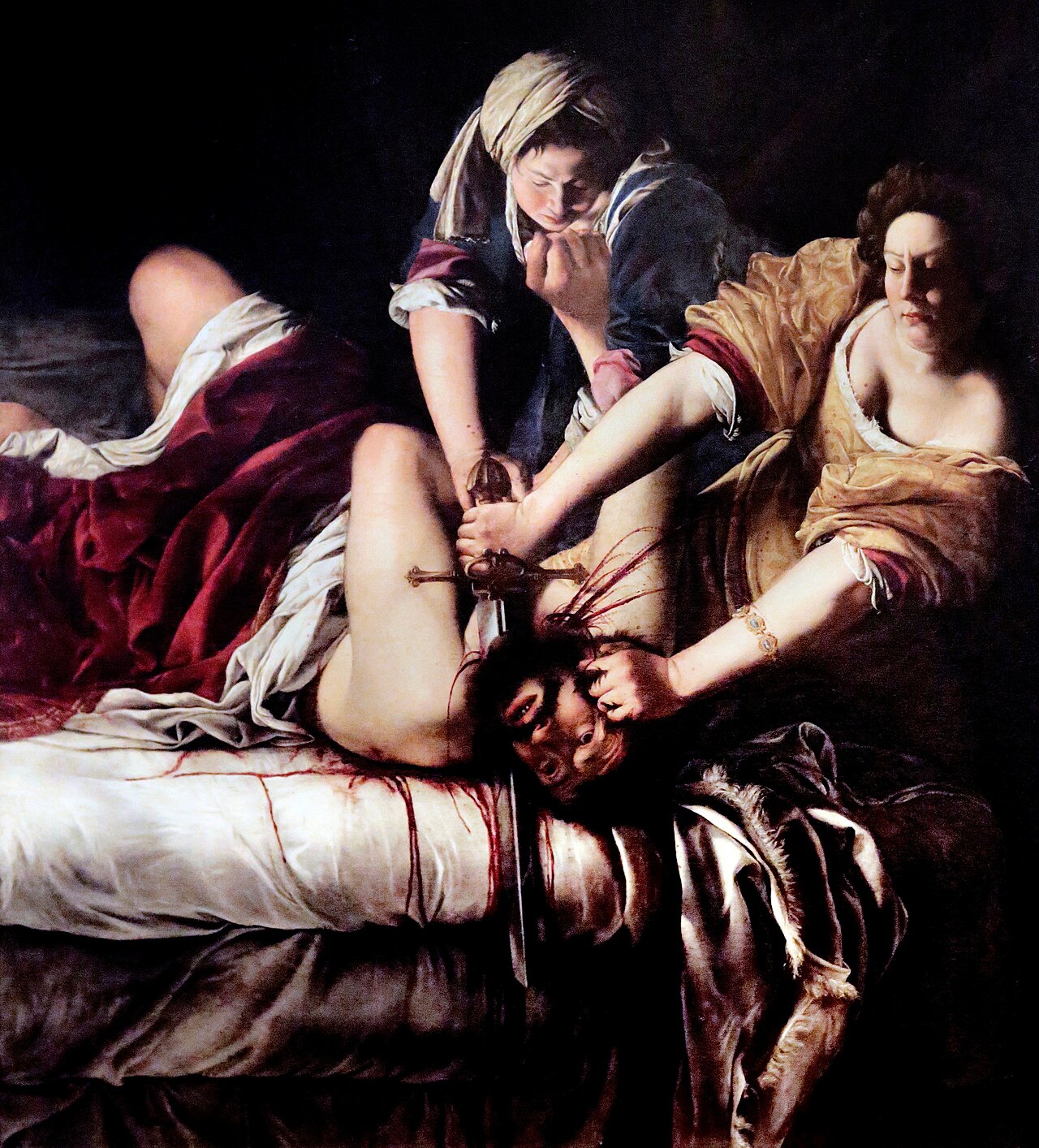 Painting
Primary source
Judith Beheading Holofernes
Artemisia Gentileschi · c. 1620
 Painting
Primary source
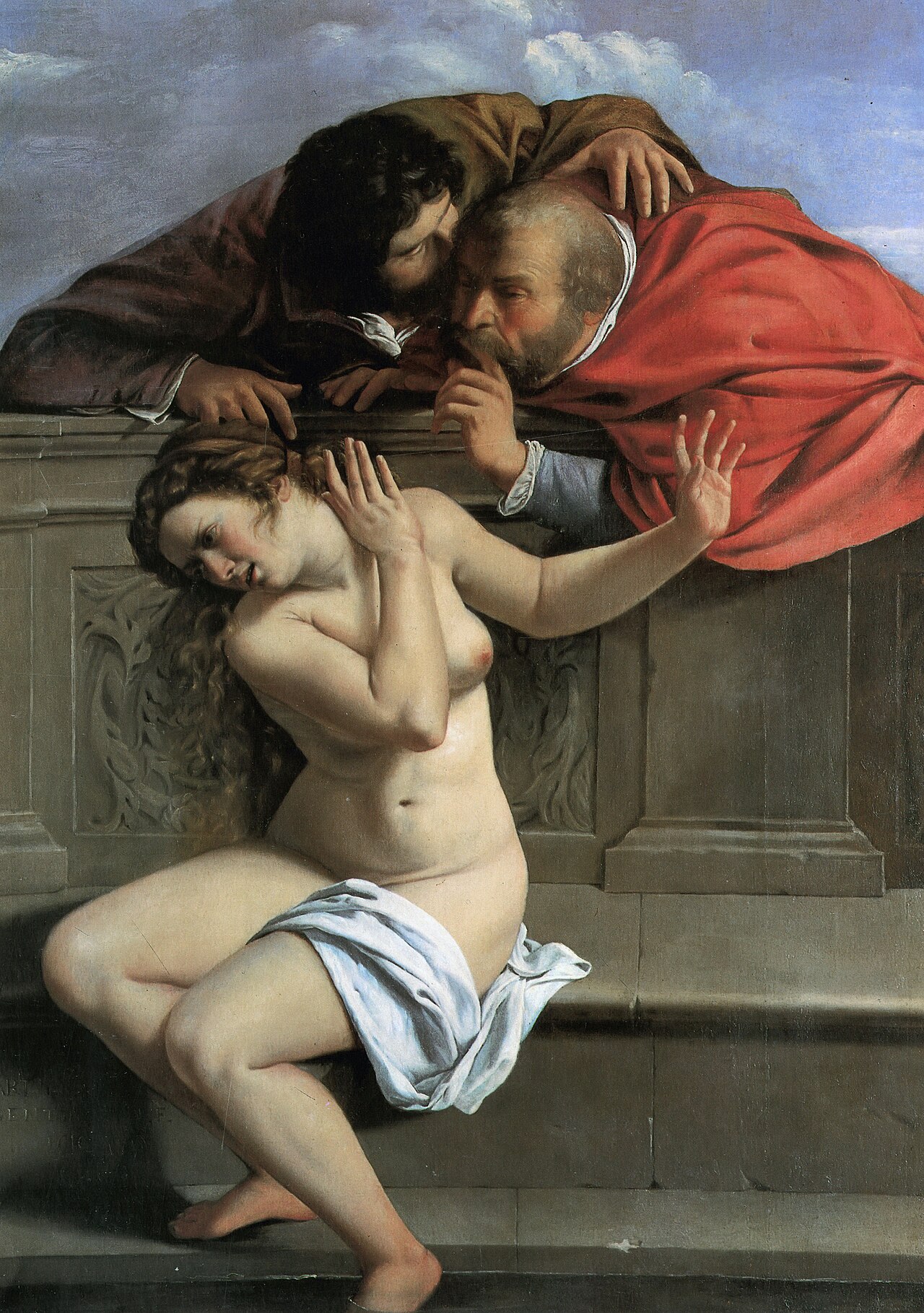
Susanna and the Elders
Artemisia Gentileschi · 1610
 Painting
Primary source
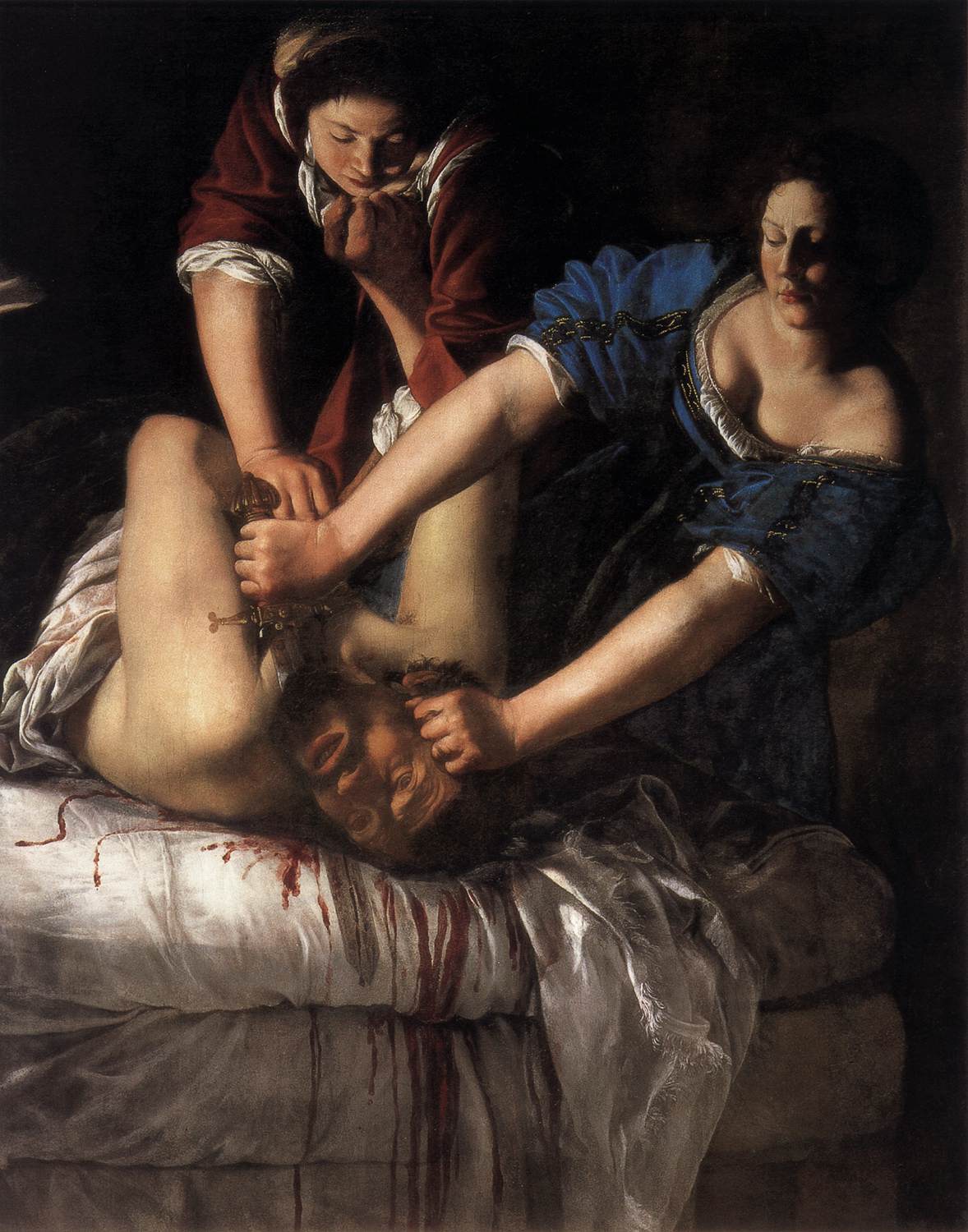
Judith Slaying Holofernes
Artemisia Gentileschi · 1612-1613
 Painting
Primary source
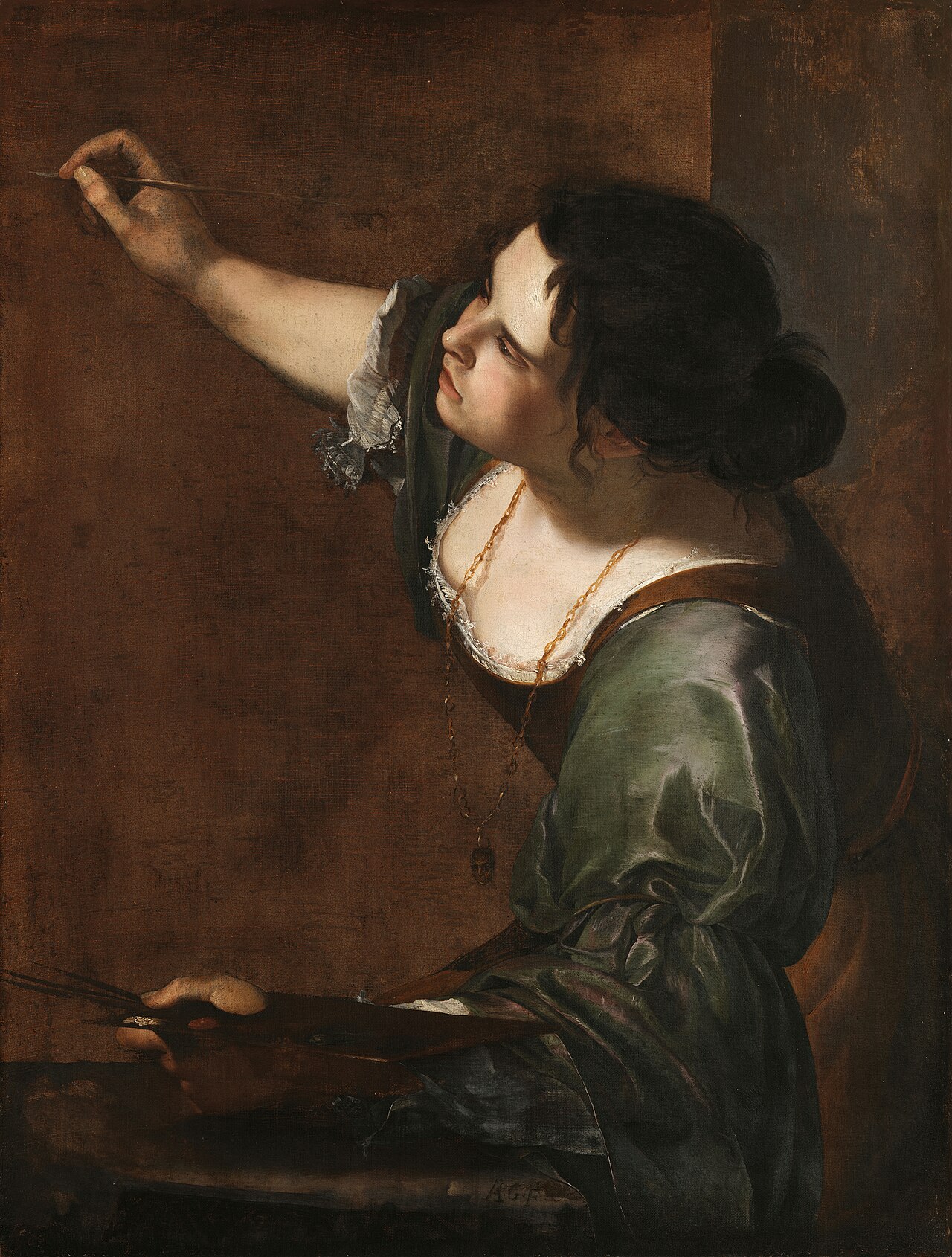
Self-Portrait as the Allegory of Painting
Artemisia Gentileschi · c. 1638-1639
 Painting
Primary source
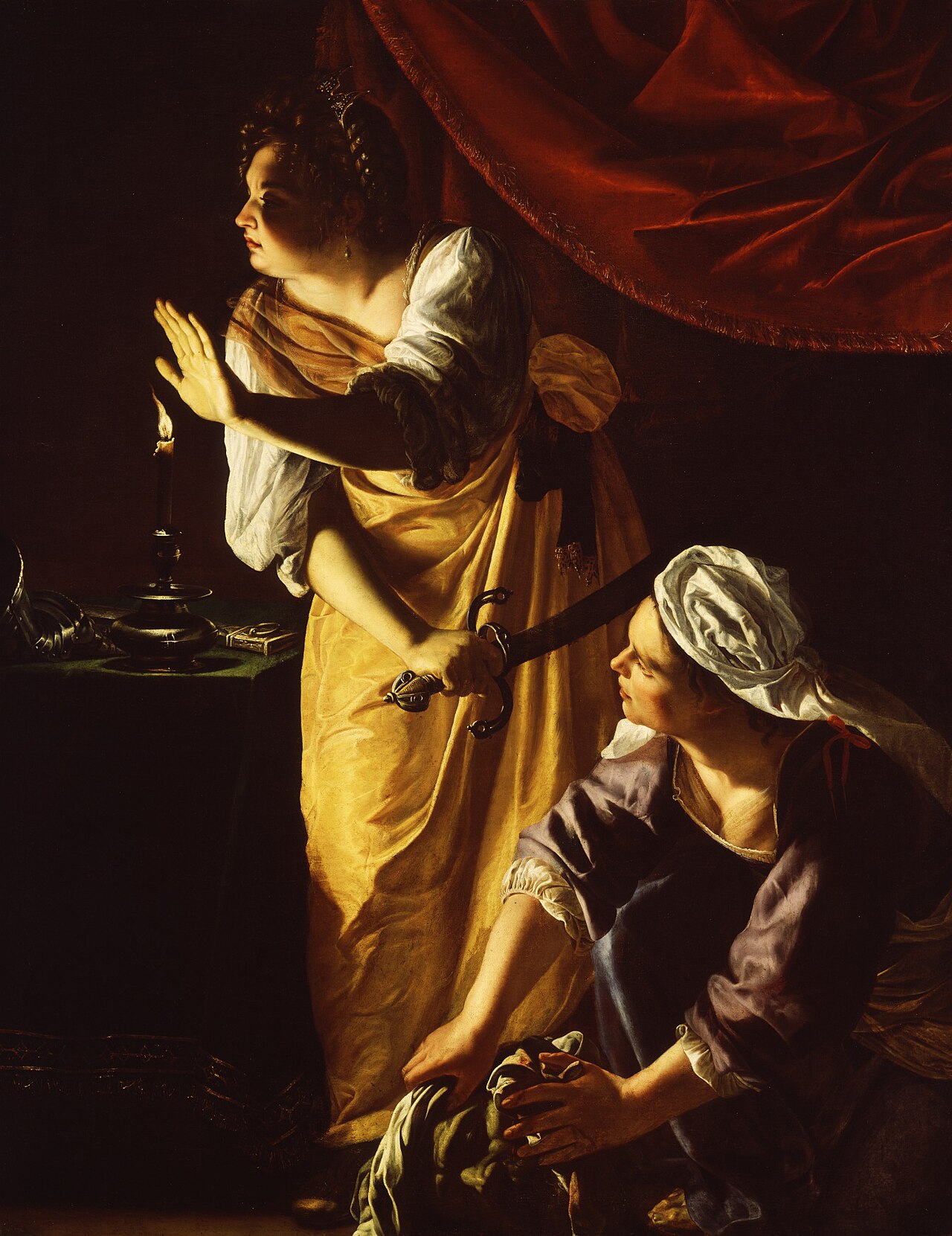
Judith and Maidservant with Head of Holofernes
Artemisia Gentileschi · c. 1623-1625
Ready when you are
Start chatting with Artemisia Gentileschi now.
20 messages free · No credit card · Available in 50+ languages.