


Primary sourceBook4th century BC
Eudemian Ethics
Aristotle · 4th century BC
An early version of Aristotle's ethical lectures, named after his pupil Eudemus, showing the development of his moral thought.
This treatise records Aristotle's own lectures on ethics and happiness, an early stage of his moral philosophy.
About this source
What it is
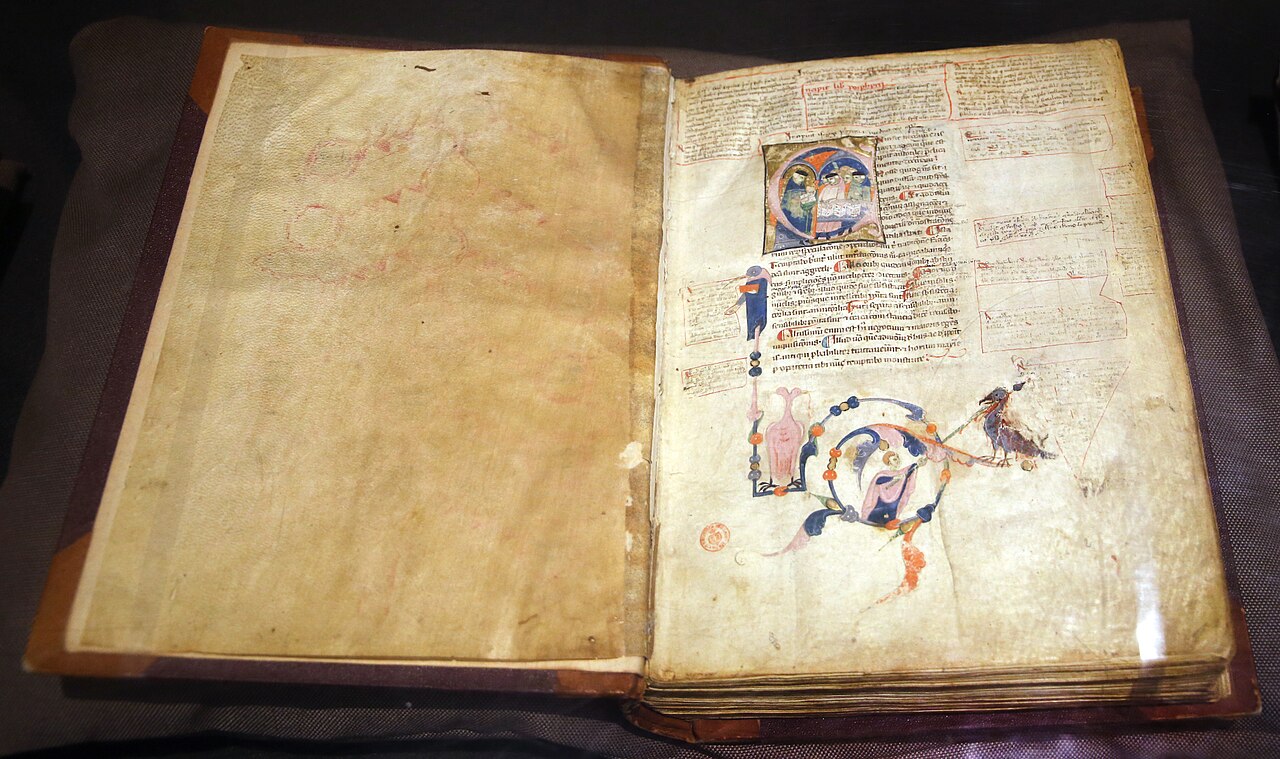
The Eudemian Ethics is a work of philosophy attributed to Aristotle, named for his pupil Eudemus of Rhodes, who may have helped edit it. It is believed to have been written before his better-known Nicomachean Ethics and shares several books with it.
Why it matters
The text is one of the main sources for understanding Aristotle's ethics, including his ideas about happiness, virtue and good fortune. Comparing it with the Nicomachean Ethics lets historians see how Aristotle's thinking on moral philosophy changed over time, and some scholars argue it was the more widely used text in antiquity.
Look closer
- Why might Aristotle have written two versions of his ethics lectures?
- What role might his pupil Eudemus have played in shaping the text we have today?
- How does comparing two versions of an argument help historians understand how an idea developed?
This book is part of the curated material that grounds the AI version of Aristotle on Humy.ai — when students ask about related events, the AI can quote it and cite it.
More Aristotle sources
Meet the AI Aristotle →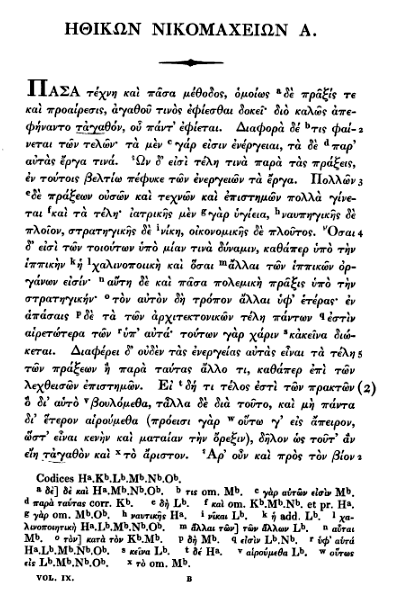
Ready when you are
Start chatting with Aristotle now.
20 messages free · No credit card · Available in 50+ languages.