


Secondary sourceBookc. 384 BC
Euthydemus
Plato · c. 384 BC
A dialogue by Plato in which Socrates describes a debate with two sophists who use tricky, misleading arguments.
Plato wrote this dialogue himself, and it shows his views on how real philosophy differs from the tricks of the sophists.
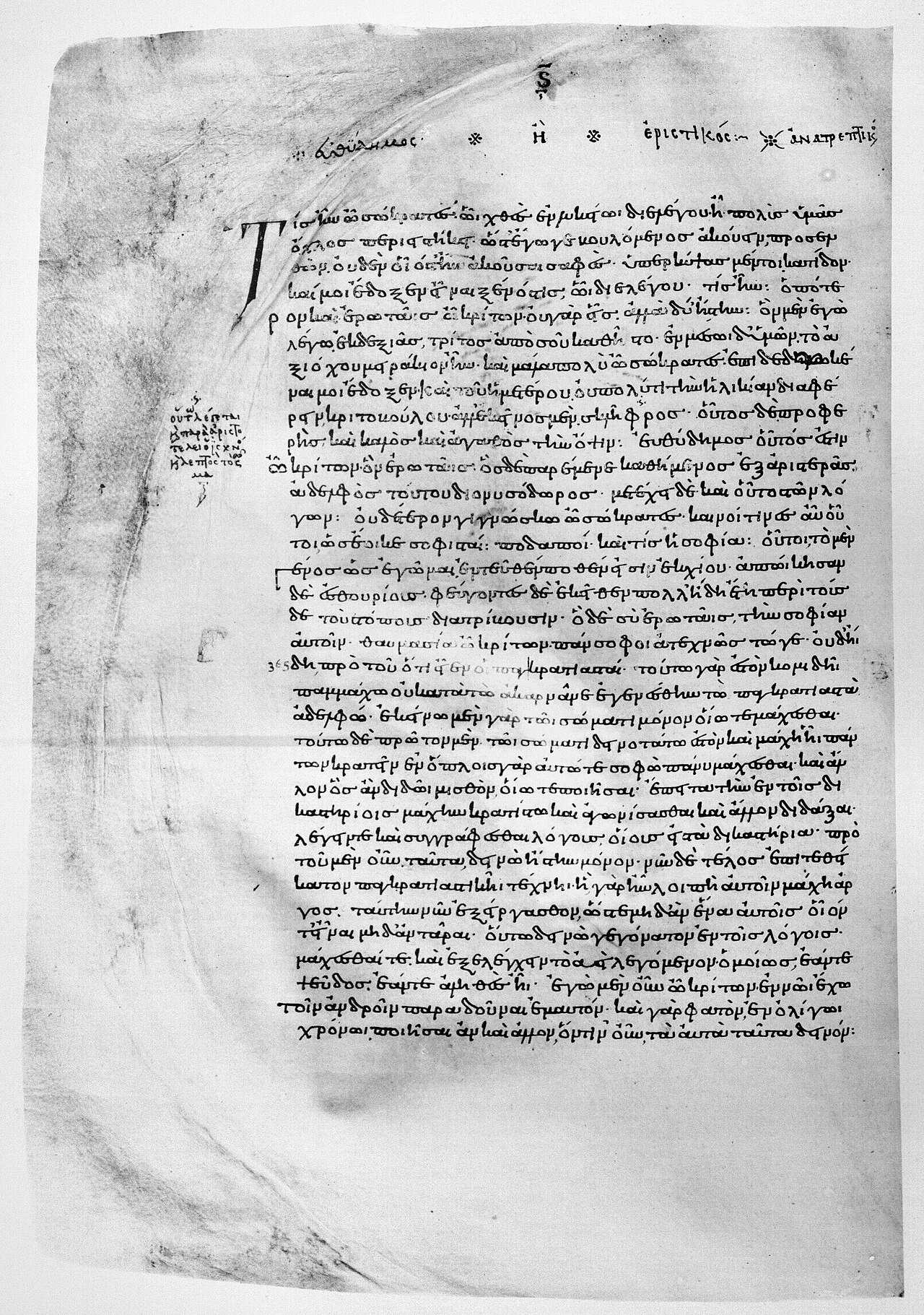
About this source
What it is
Plato wrote this dialogue, in which Socrates tells his friend Crito about a visit he and some young men made to two professional sophists, Euthydemus and Dionysodorus. These two were real people known from other ancient sources.
Why it matters
The dialogue contrasts Socrates' sincere way of questioning with the confusing, trick arguments called 'eristic' used by the sophists. This kind of confusion about what counted as honest argument was part of the atmosphere that made some Athenians suspicious of Socrates, fueling mockery like that of the playwright Aristophanes and even feeding into the charges brought against him later.
Look closer
- Why does Plato show Socrates as different from the sophists in how he argues?
- Can you spot how the sophists' argument about lying is designed to trap, not to find truth?
- Why might ancient Athenians have struggled to tell honest questioning apart from clever wordplay?
This book is part of the curated material that grounds the AI version of Plato and Socrates on Humy.ai — when students ask about related events, the AI can quote it and cite it.
More Plato sources
Meet the AI Plato →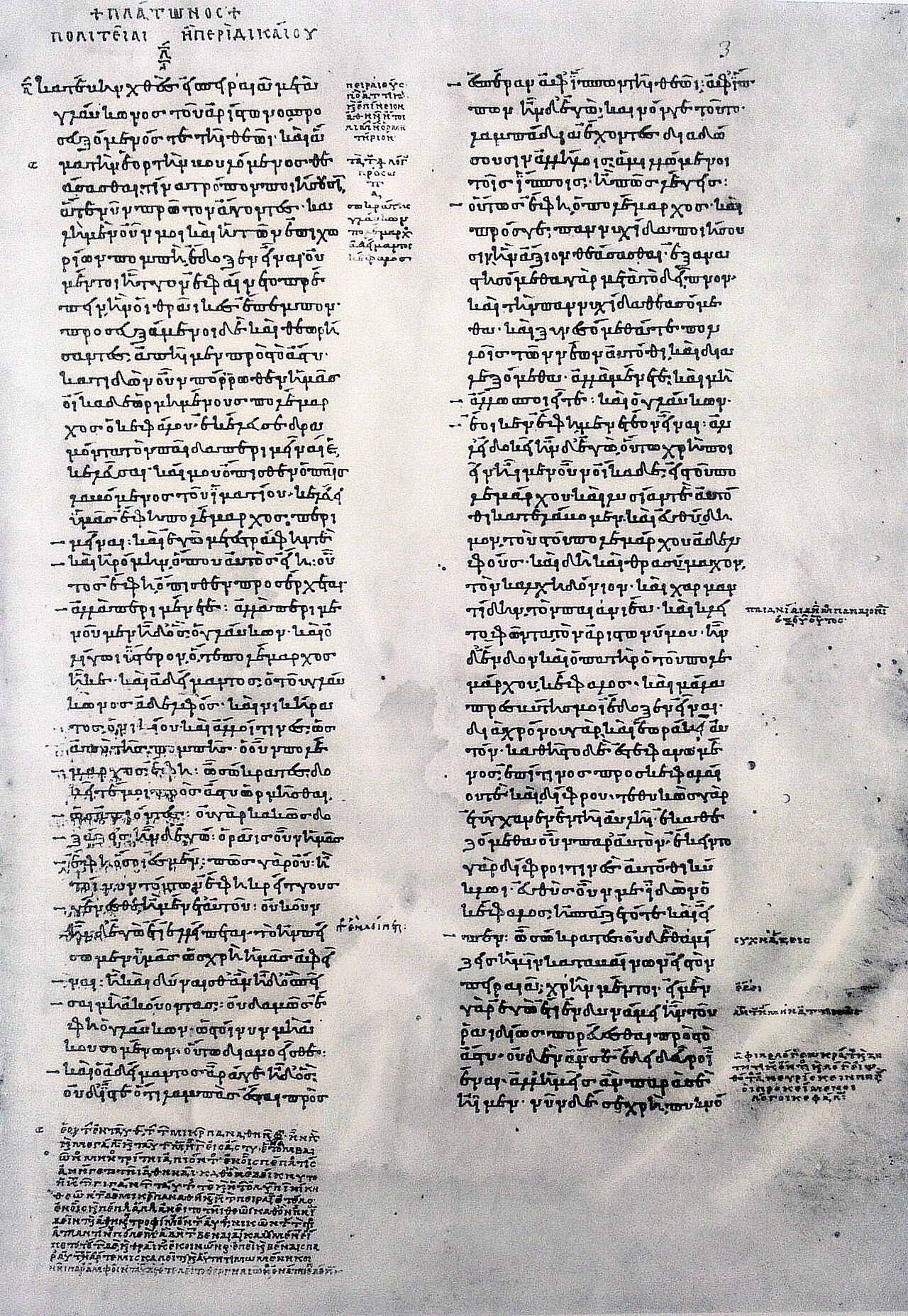 Book
Secondary source
The Republic
Plato · c. 375 BC
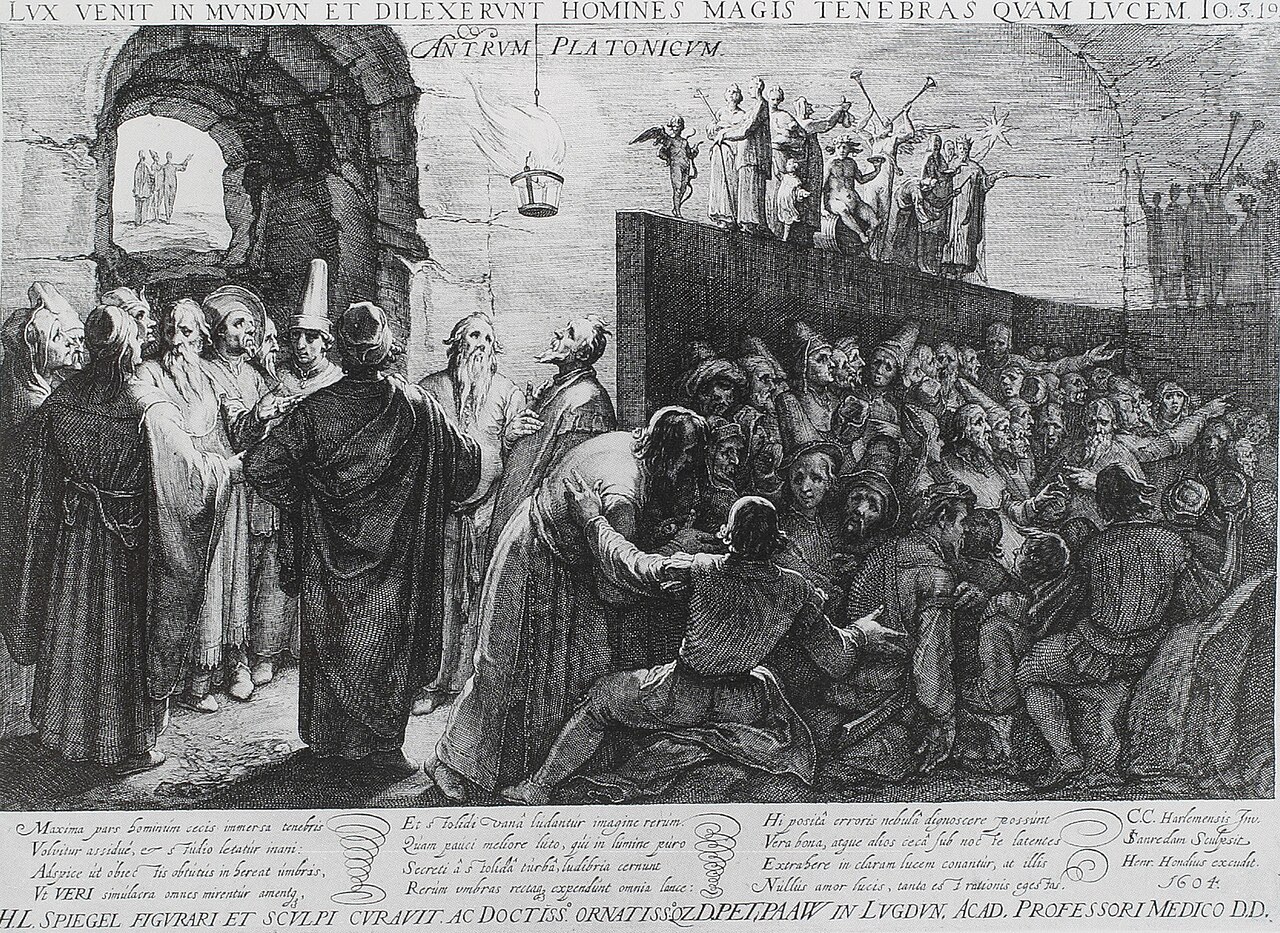 Book
Primary source
Allegory of the Cave
Plato · c. 400 BC
Secondary source
Apology
Plato · c. 395 BC
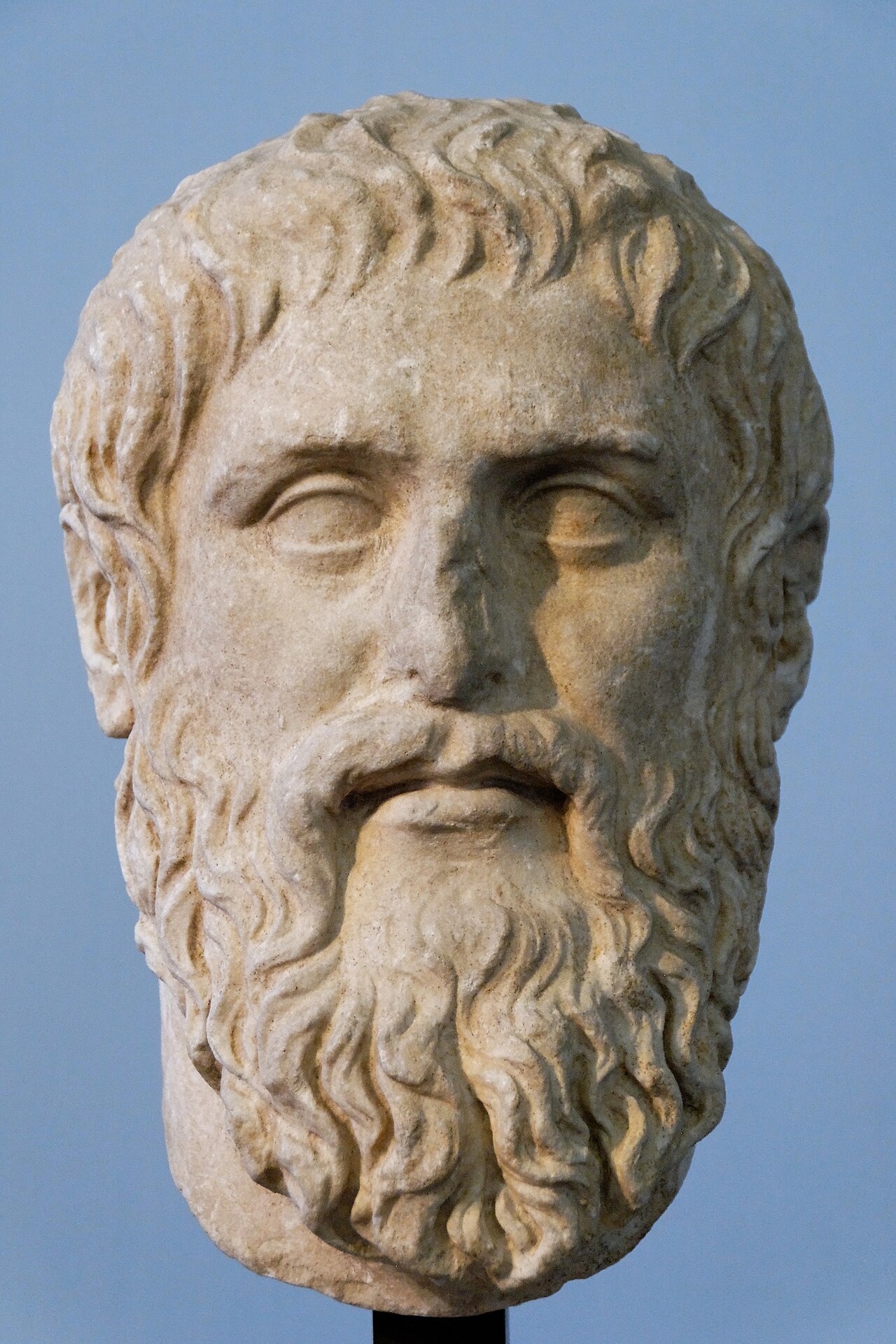 Sculpture
Secondary source
Portrait of Plato
Silanion (original type) · ca. 370 BC (original type); this copy Roman era
 Book
Secondary source
Phaedo
Plato · c. 360 BC
Ready when you are
Start chatting with Plato now.
20 messages free · No credit card · Available in 50+ languages.