


Secondary sourceBookc. 400 BCE
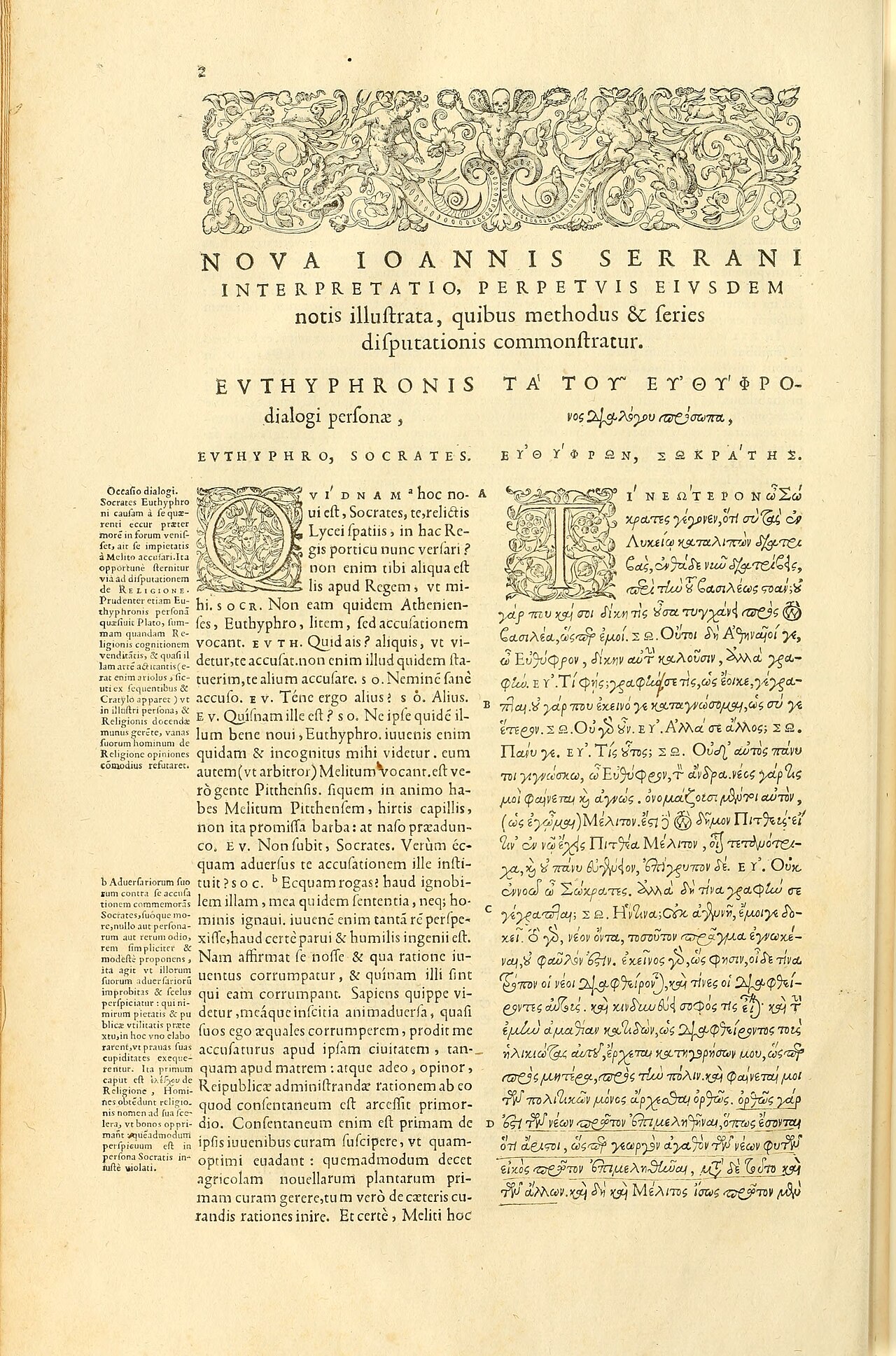
Euthyphro
Plato · c. 400 BCE
A Socratic dialogue by Plato set outside the court just before Socrates' trial, where he and Euthyphro debate the definition of piety.
Written by Plato, this dialogue depicts Socrates' search for the definition of piety shortly before his trial.
About this source
What it is
Euthyphro is a short philosophical dialogue written by Plato around 400 BCE. It shows Socrates meeting the prophet Euthyphro outside the court of the King Archon in Athens, where Socrates is waiting for the preliminary hearing of his trial for impiety.
Why it matters
The dialogue is the classic example of the Socratic method: Socrates questions Euthyphro's confident claims about piety until Euthyphro cannot give a satisfying definition, ending in puzzlement (aporia). It introduces the famous Euthyphro dilemma, still debated in philosophy and religion today. The text reveals how Plato used his teacher Socrates as a character to explore deep ethical questions, set against the real background of Socrates' own trial.
Look closer
- Why does Socrates keep rejecting Euthyphro's answers instead of giving his own definition?
- What does the setting, right before a trial, add to the conversation?
- Why might Plato have chosen a dialogue, rather than a treatise, to explore this question?
This book is part of the curated material that grounds the AI version of Plato and Socrates on Humy.ai — when students ask about related events, the AI can quote it and cite it.
More Plato sources
Meet the AI Plato →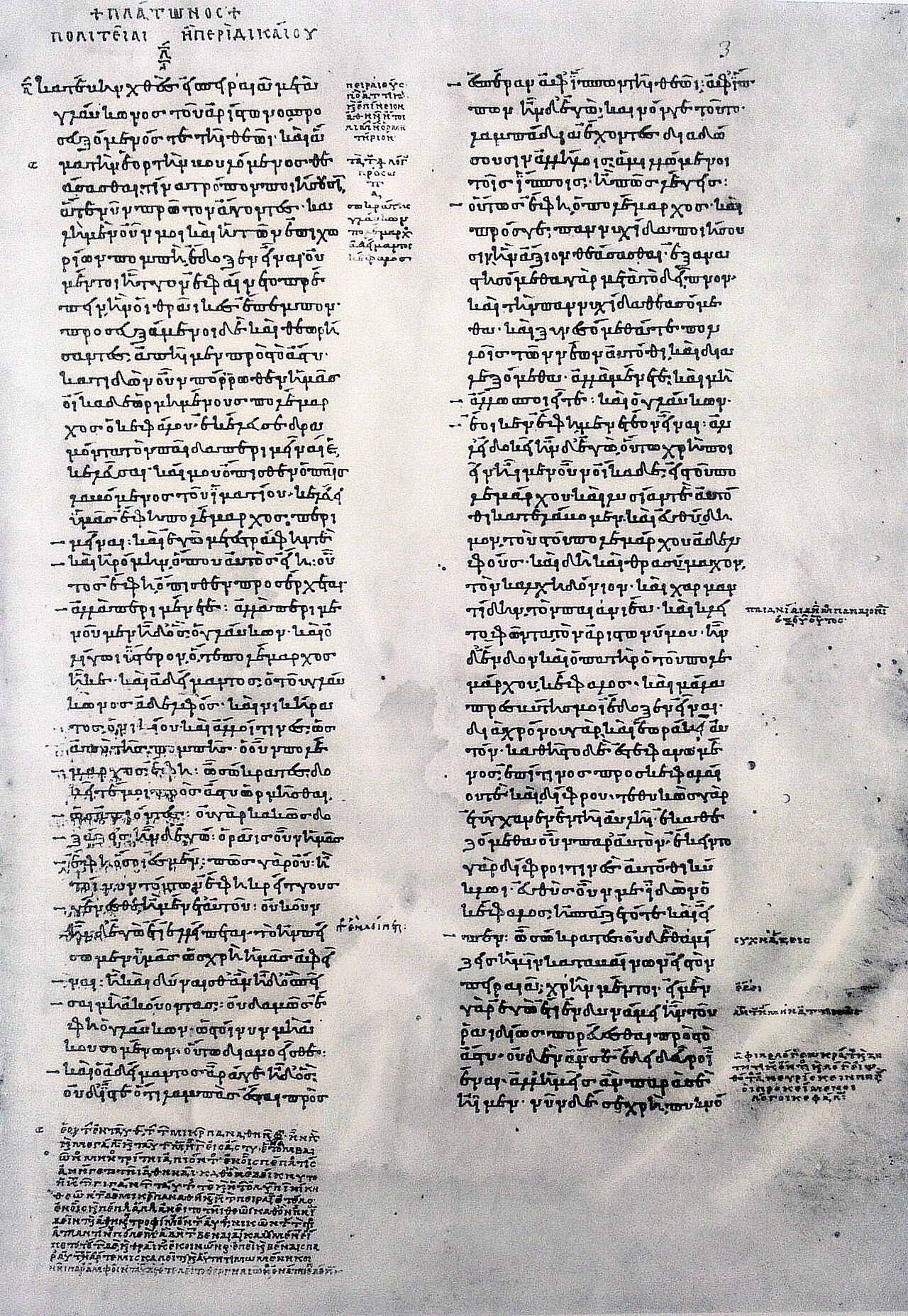 Book
Secondary source
The Republic
Plato · c. 375 BC
 Book
Primary source
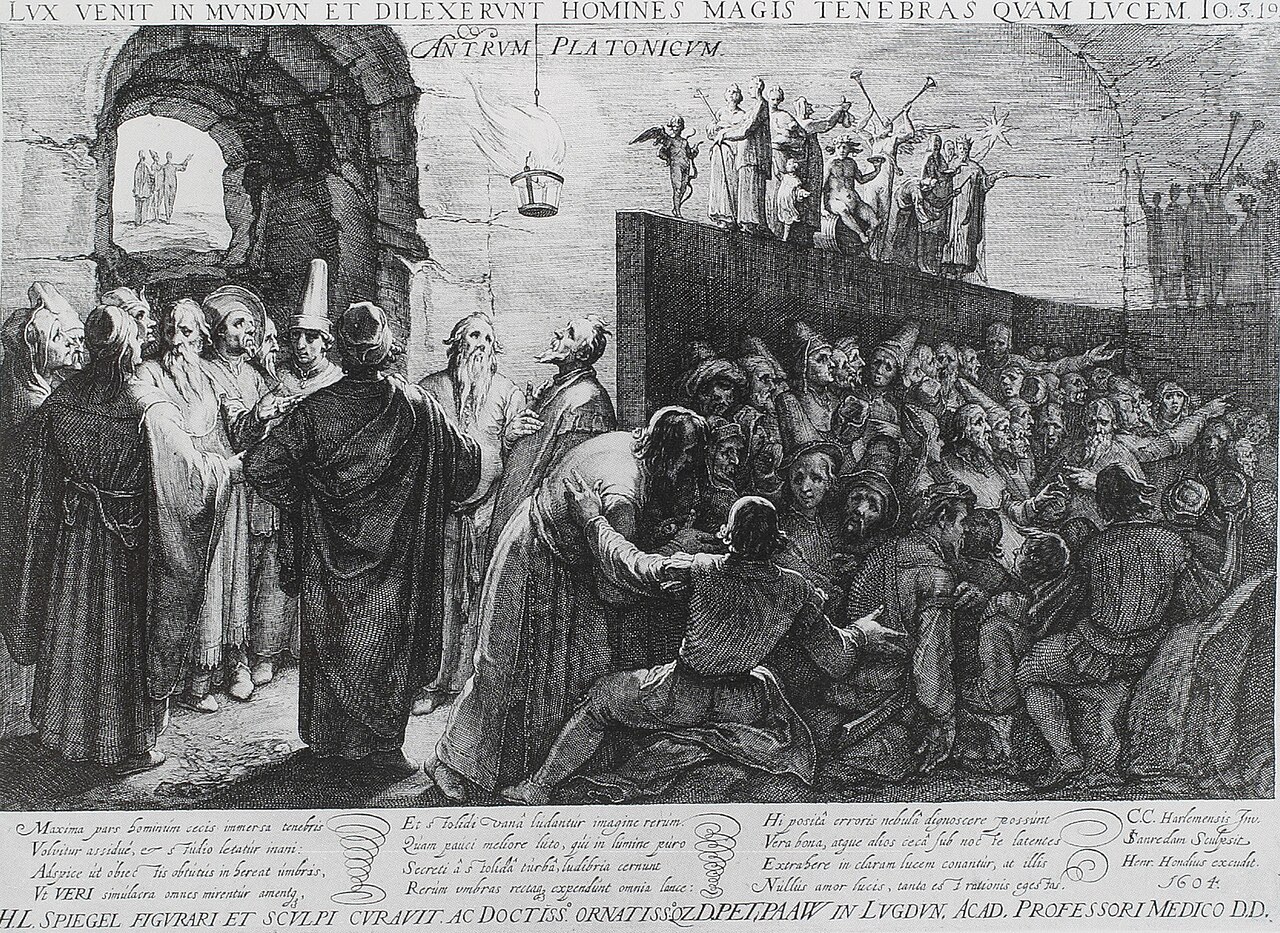
Allegory of the Cave
Plato · c. 400 BC
Secondary source
Apology
Plato · c. 395 BC
 Sculpture
Secondary source
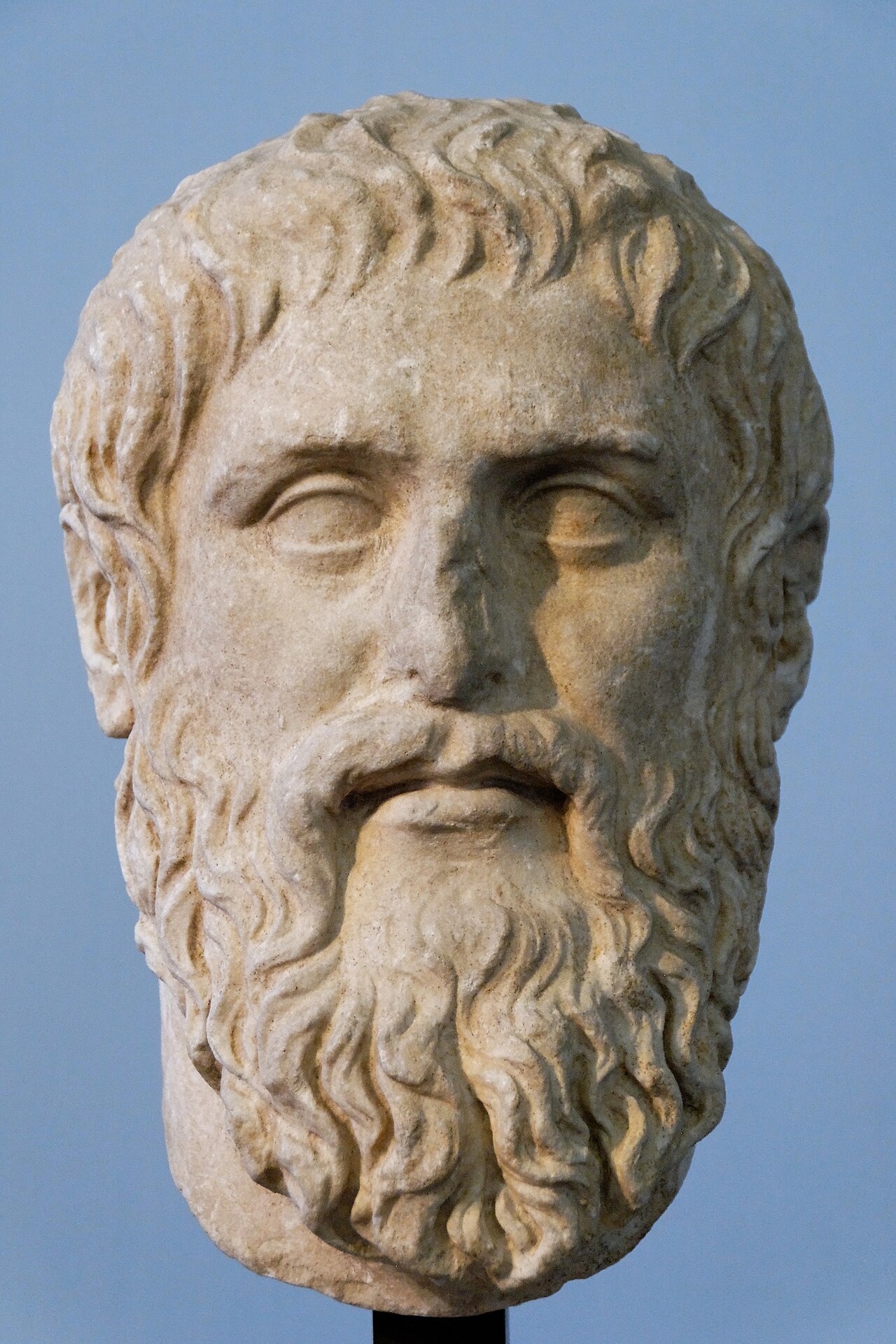
Portrait of Plato
Silanion (original type) · ca. 370 BC (original type); this copy Roman era
 Book
Secondary source
Phaedo
Plato · c. 360 BC
Ready when you are
Start chatting with Plato now.
20 messages free · No credit card · Available in 50+ languages.