


Secondary sourceSculpturec. 2nd–3rd century CE
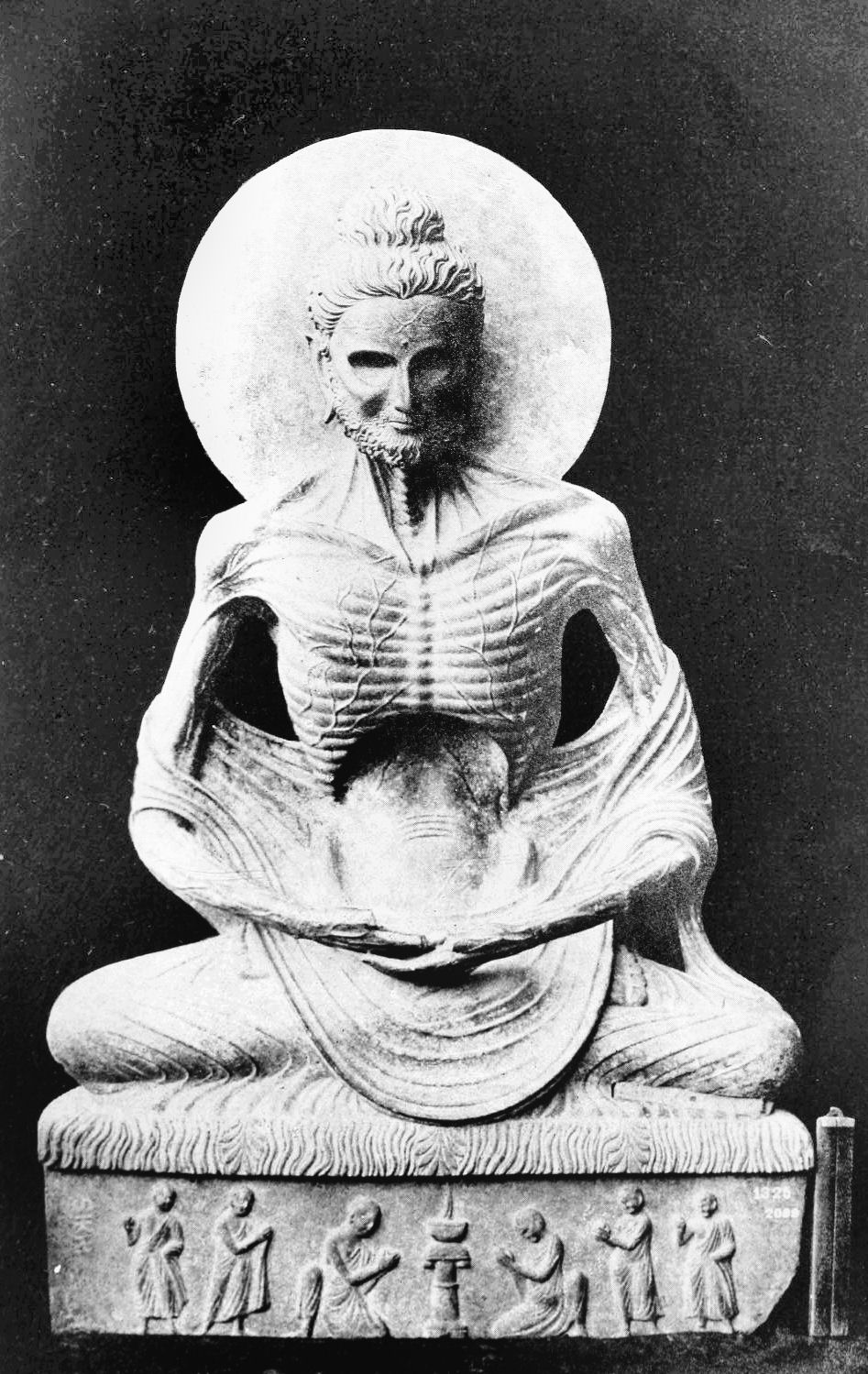
Fasting Buddha from Gandhara
Gandharan sculptor · c. 2nd–3rd century CE
A Gandharan stone sculpture showing the emaciated Siddhartha during his extreme ascetic fasting.
Shows the emaciated Siddhartha during the severe fasting he later rejected for the Middle Way.
About this source
What it is
This grey schist sculpture, made by a Gandharan sculptor around the 2nd–3rd century CE, was discovered at the Sikri Stupa near Taxila and is now held in the Lahore Museum, Pakistan.
Why it matters
The statue shows Siddhartha Gautama in a state of extreme fasting and emaciation, before he achieved enlightenment and before he rejected severe asceticism in favor of what he called the Middle Way. It is considered one of the finest examples of Gandhara art, a style that blended Greek and Indian artistic traditions, and it shows how artists chose to depict a difficult and painful period in the Buddha's story.
Look closer
- Why might an artist choose to show the Buddha at his most physically extreme rather than at a moment of triumph?
- What details in the carving communicate suffering or hardship?
- What does the sculpture's survival and discovery during British colonial excavation tell you about how historical objects travel and get studied?
This sculpture is part of the curated material that grounds the AI version of Buddha on Humy.ai — when students ask about related events, the AI can quote it and cite it.
More Buddha sources
Meet the AI Buddha →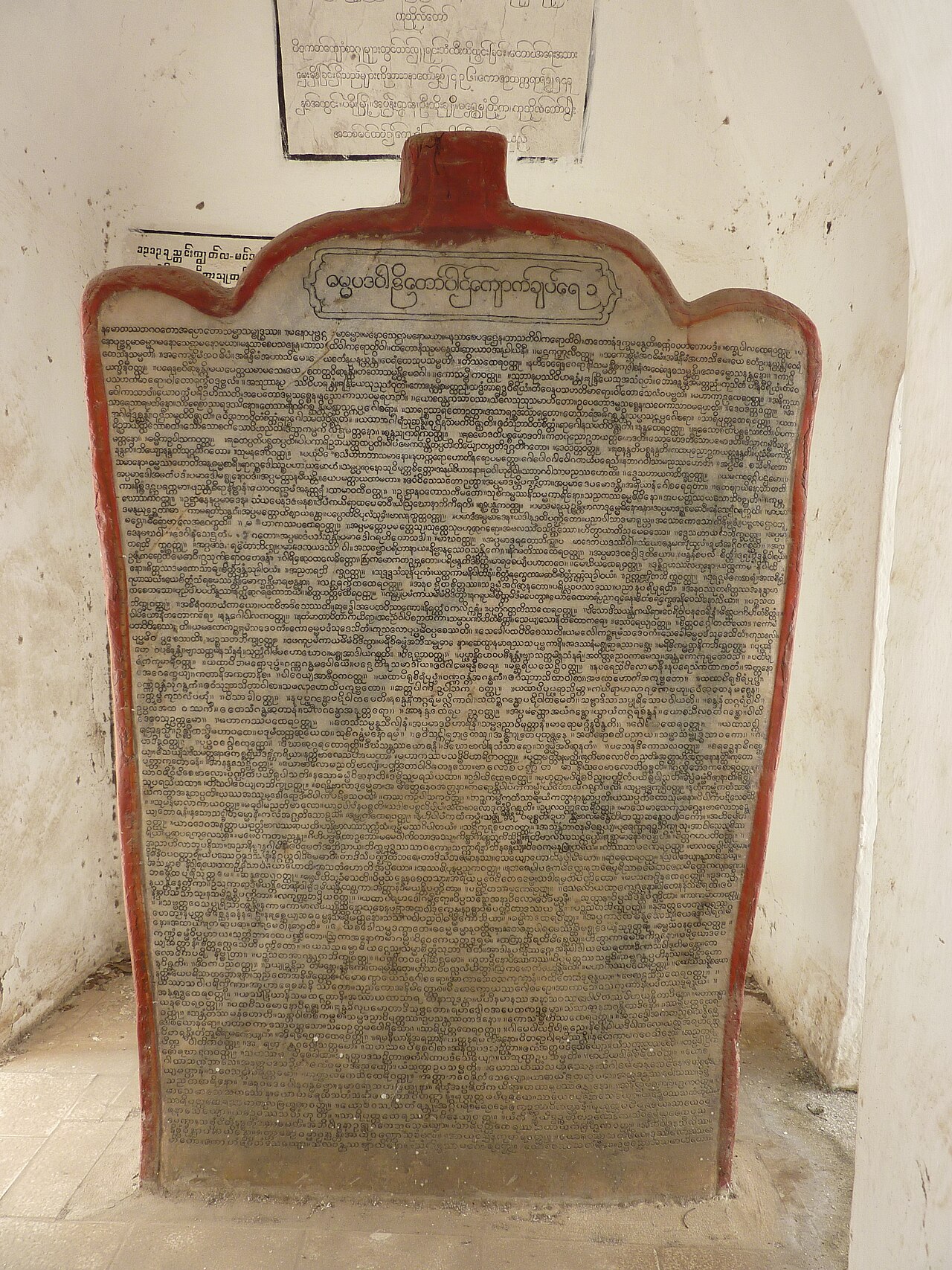 Book
Secondary source
Dhammapada
Attributed to the Buddha · c. 3rd century BCE compilation
 Painting
Secondary source
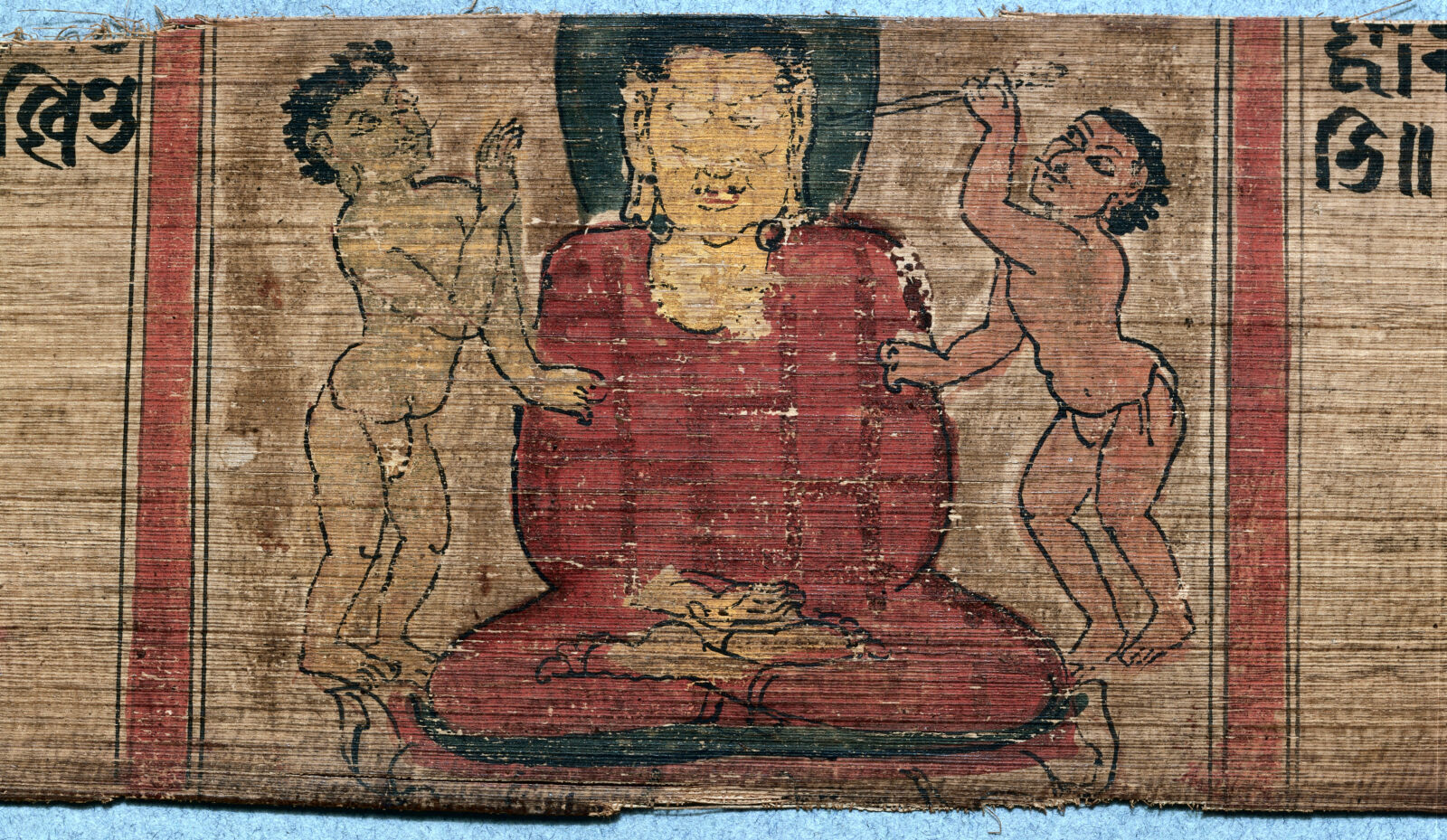
Buddha in Dhyana, Perfection of Wisdom Sutra Manuscript
1074
 Sculpture
Secondary source
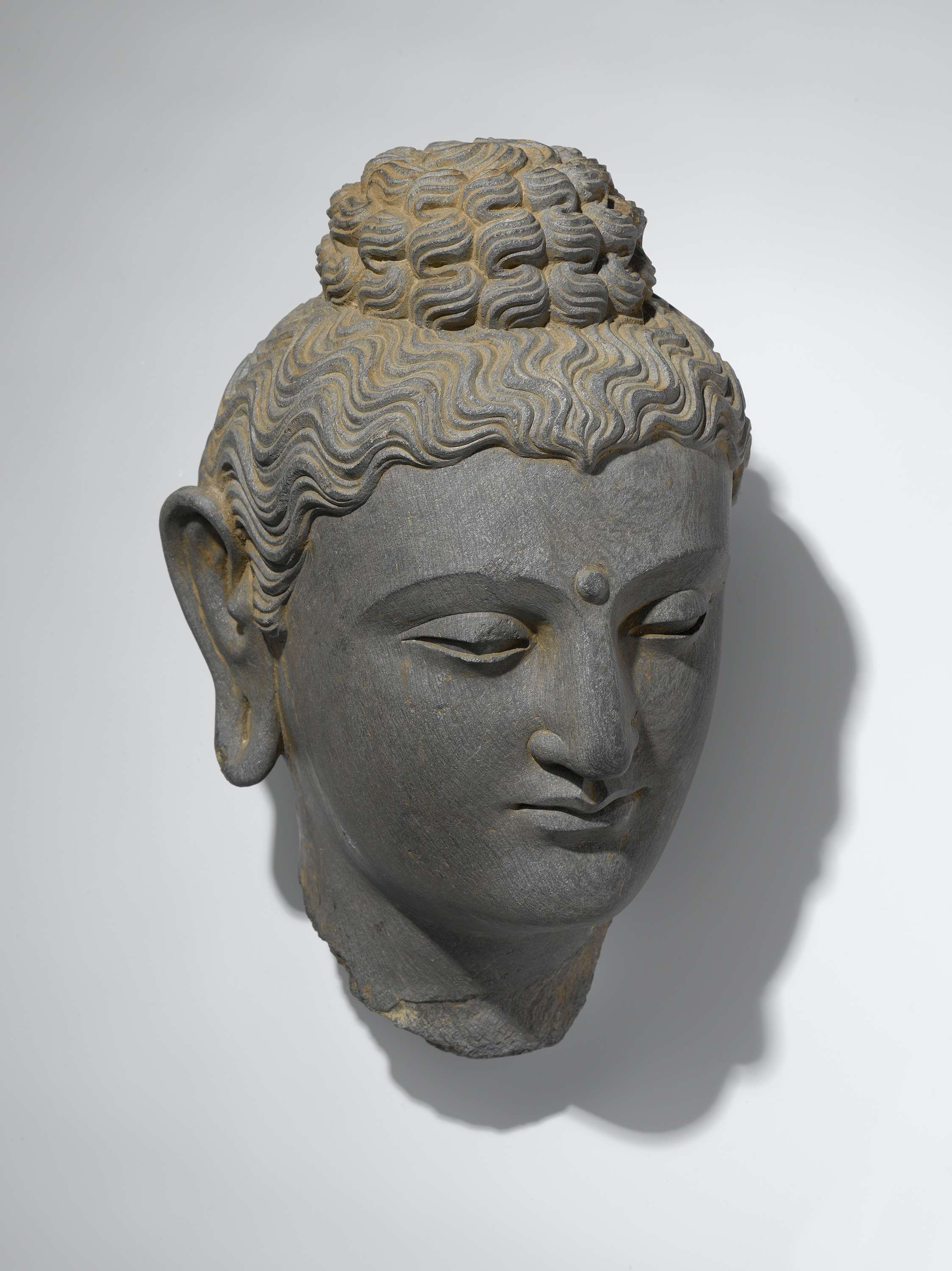
Head of the Buddha, Gandhara style
 Book
Secondary source
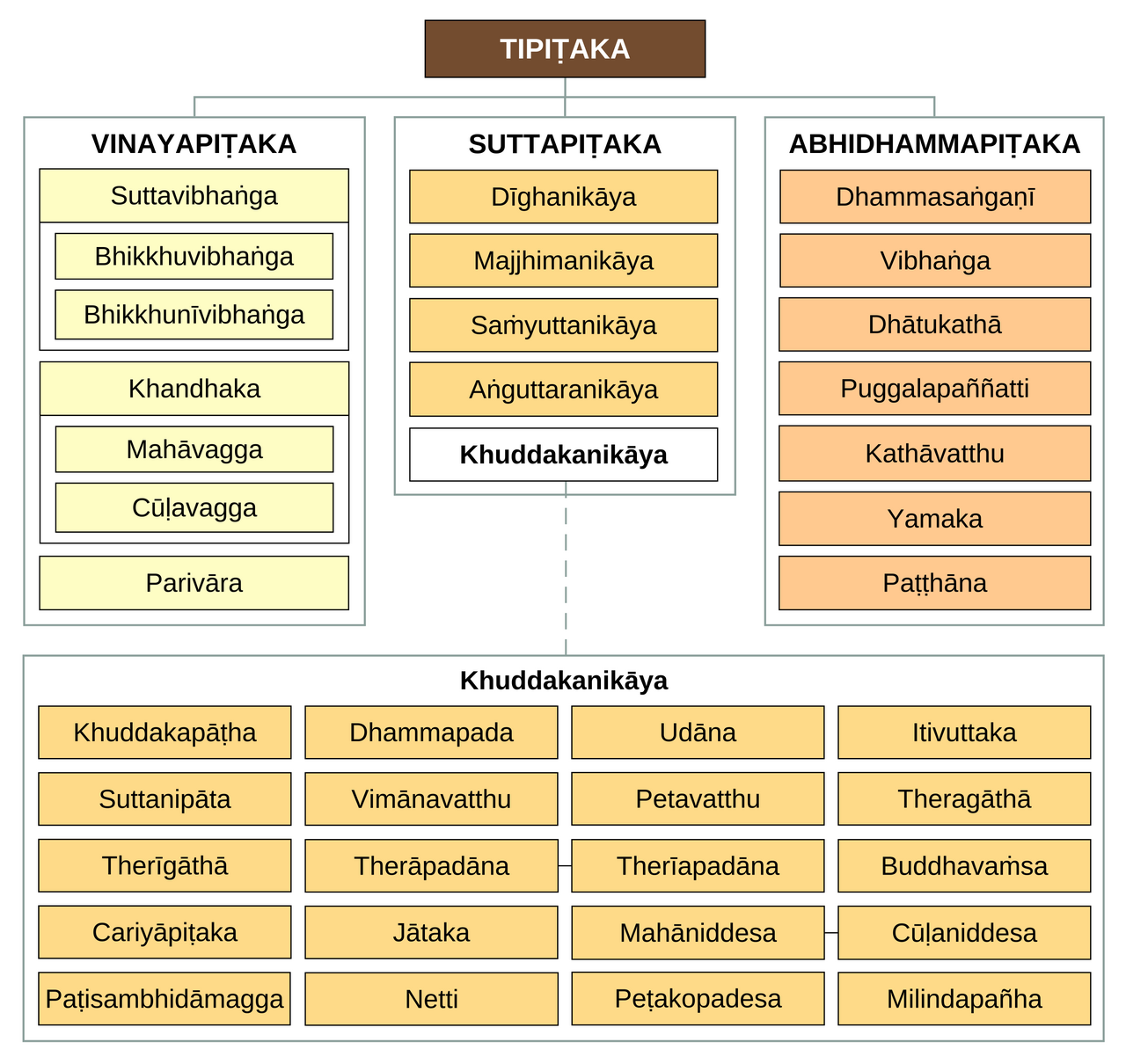
Pali Canon (Tipitaka)
Early Buddhist sangha · oral from 5th century BCE; written c. 29 BCE
 Document
Secondary source
Life of the Buddha
19th century
Ready when you are
Start chatting with Buddha now.
20 messages free · No credit card · Available in 50+ languages.