


Secondary sourceSculpture12th century CE
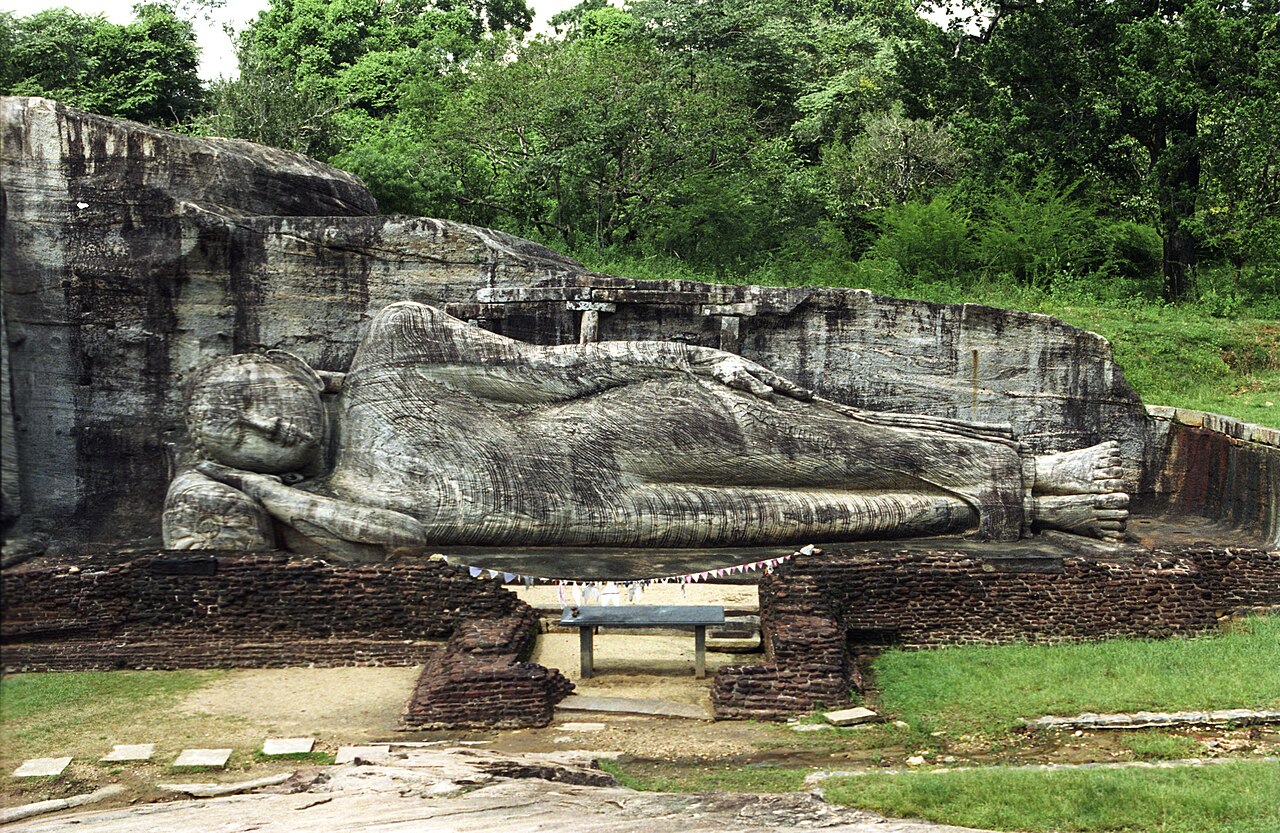
Gal Vihara Reclining Buddha
Parakramabahu I (patron) · 12th century CE
A colossal 12th-century rock-cut reclining Buddha in Sri Lanka showing the Buddha's death, commissioned by King Parakramabahu I.
This colossal rock-cut statue depicts the Buddha's death and reflects royal devotion to his teachings.
About this source
What it is
Gal Vihara is a group of rock-cut Buddha images at Polonnaruwa, Sri Lanka, created in the 12th century under the patronage of King Parakramabahu I. Among the images is a colossal reclining Buddha carved directly from granite rock.
Why it matters
The reclining figure depicts the Buddha's parinirvana, or death, a key moment in Buddhist teaching. The scale and craftsmanship of the carving show the devotion of Sri Lankan royalty to Theravada Buddhism and their role in promoting the faith through grand public monuments.
Look closer
- Why might a king choose to sponsor such an enormous religious sculpture?
- What does the setting, carved directly from a rock face, suggest about the relationship between nature and religious art here?
- What can the scale of the statue tell us about the importance of this moment in Buddhist belief?
This sculpture is part of the curated material that grounds the AI version of Buddha on Humy.ai — when students ask about related events, the AI can quote it and cite it.
More Buddha sources
Meet the AI Buddha →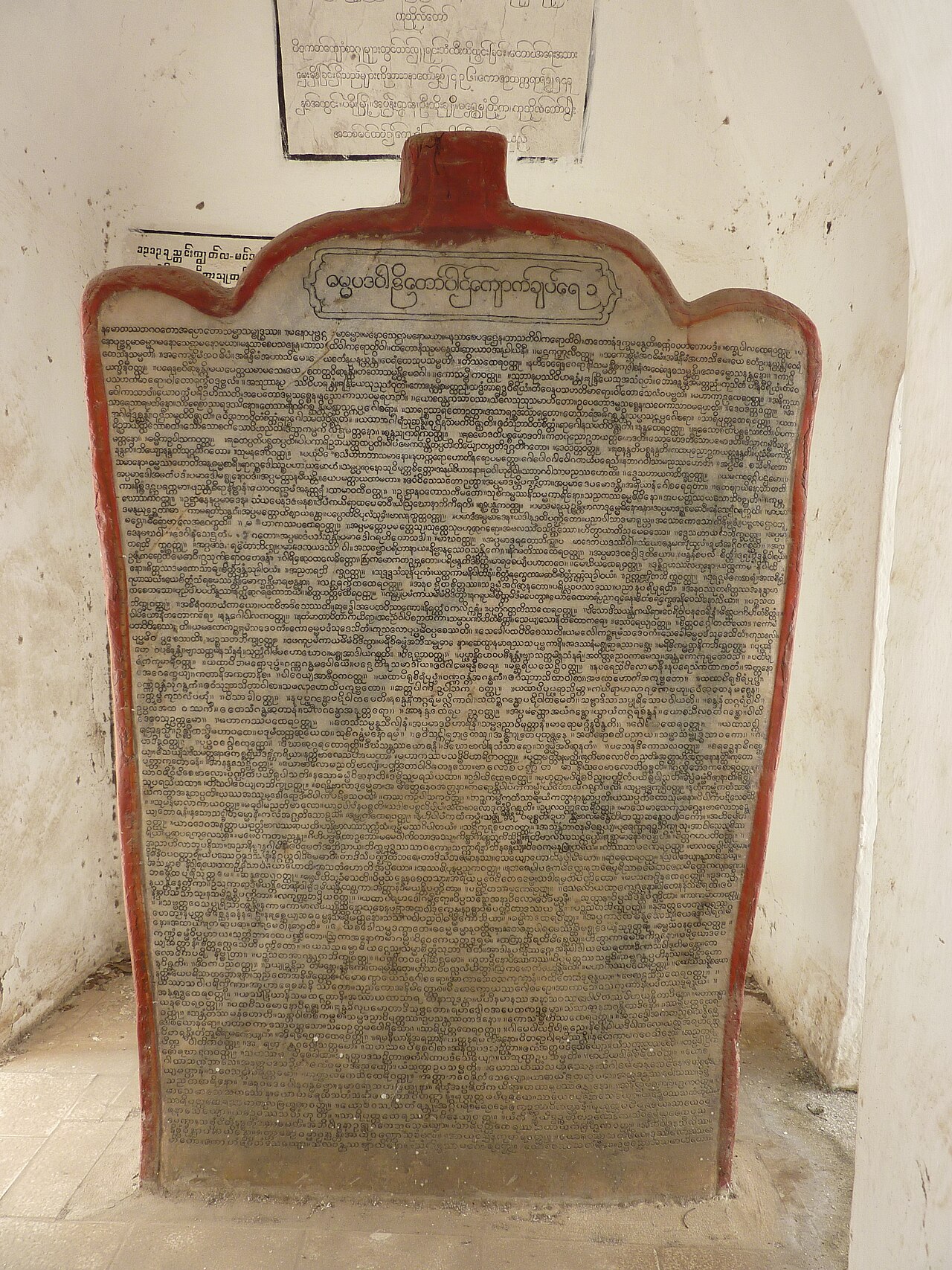 Book
Secondary source
Dhammapada
Attributed to the Buddha · c. 3rd century BCE compilation
 Painting
Secondary source
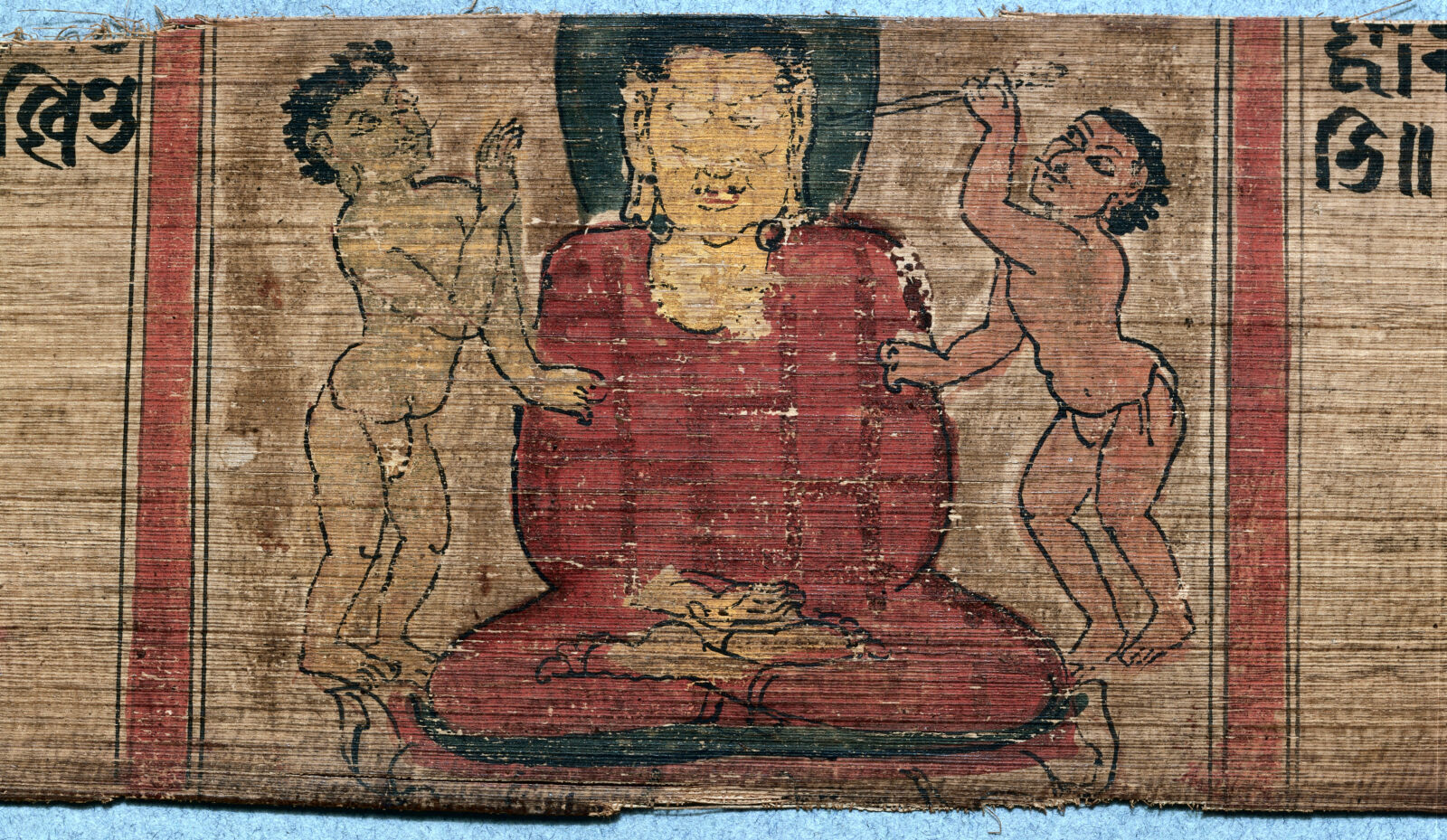
Buddha in Dhyana, Perfection of Wisdom Sutra Manuscript
1074
 Sculpture
Secondary source
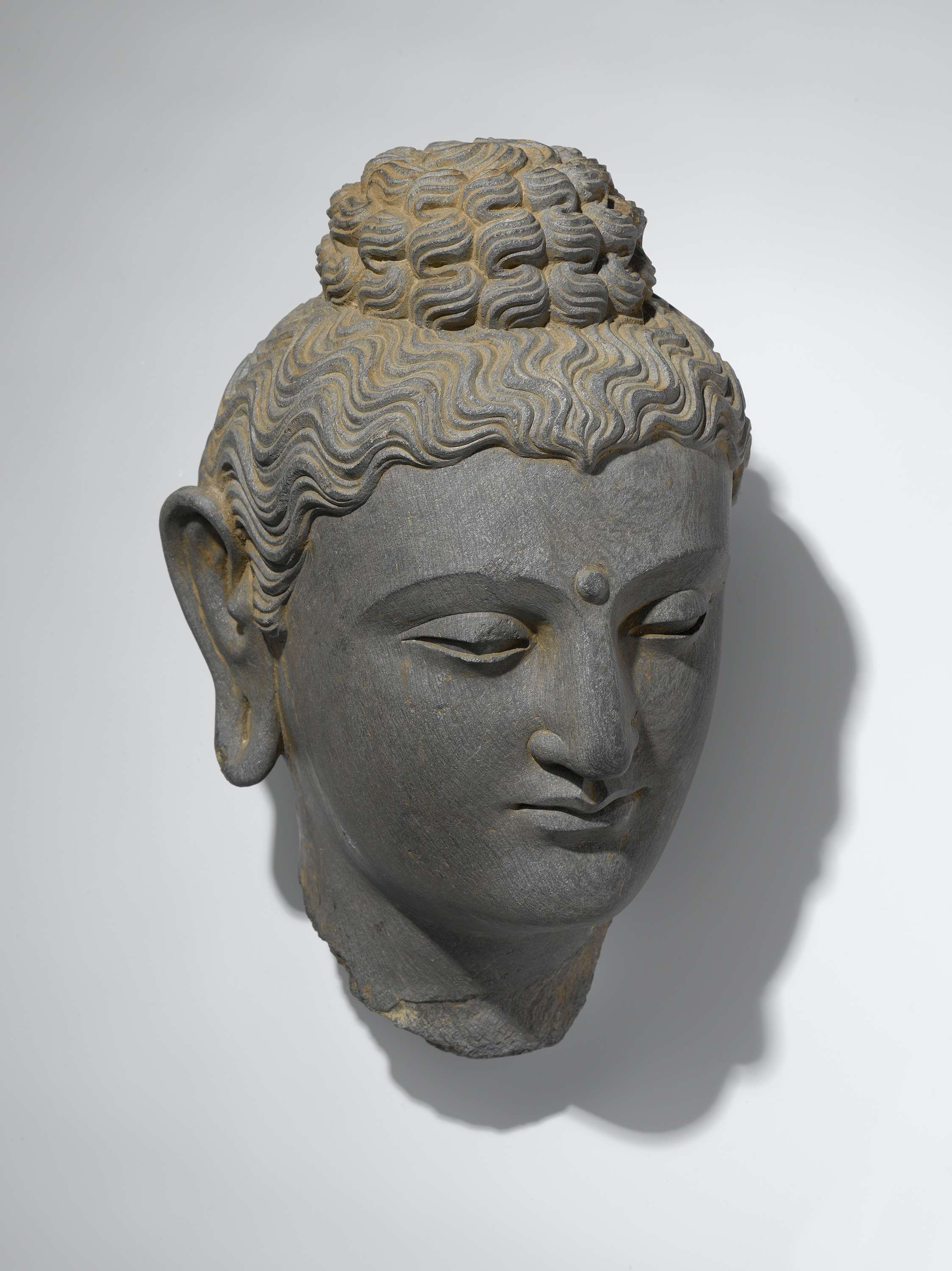
Head of the Buddha, Gandhara style
 Book
Secondary source
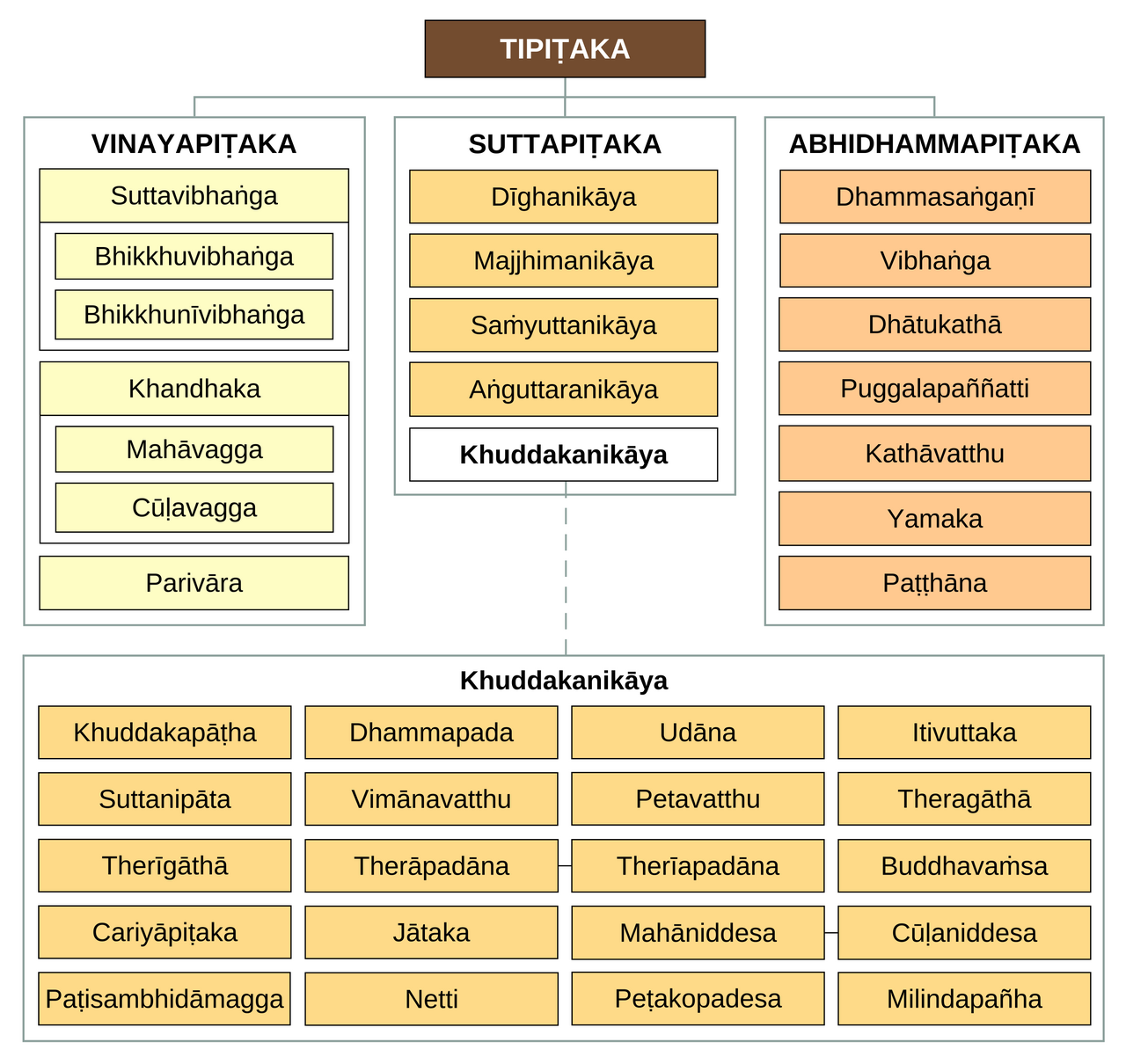
Pali Canon (Tipitaka)
Early Buddhist sangha · oral from 5th century BCE; written c. 29 BCE
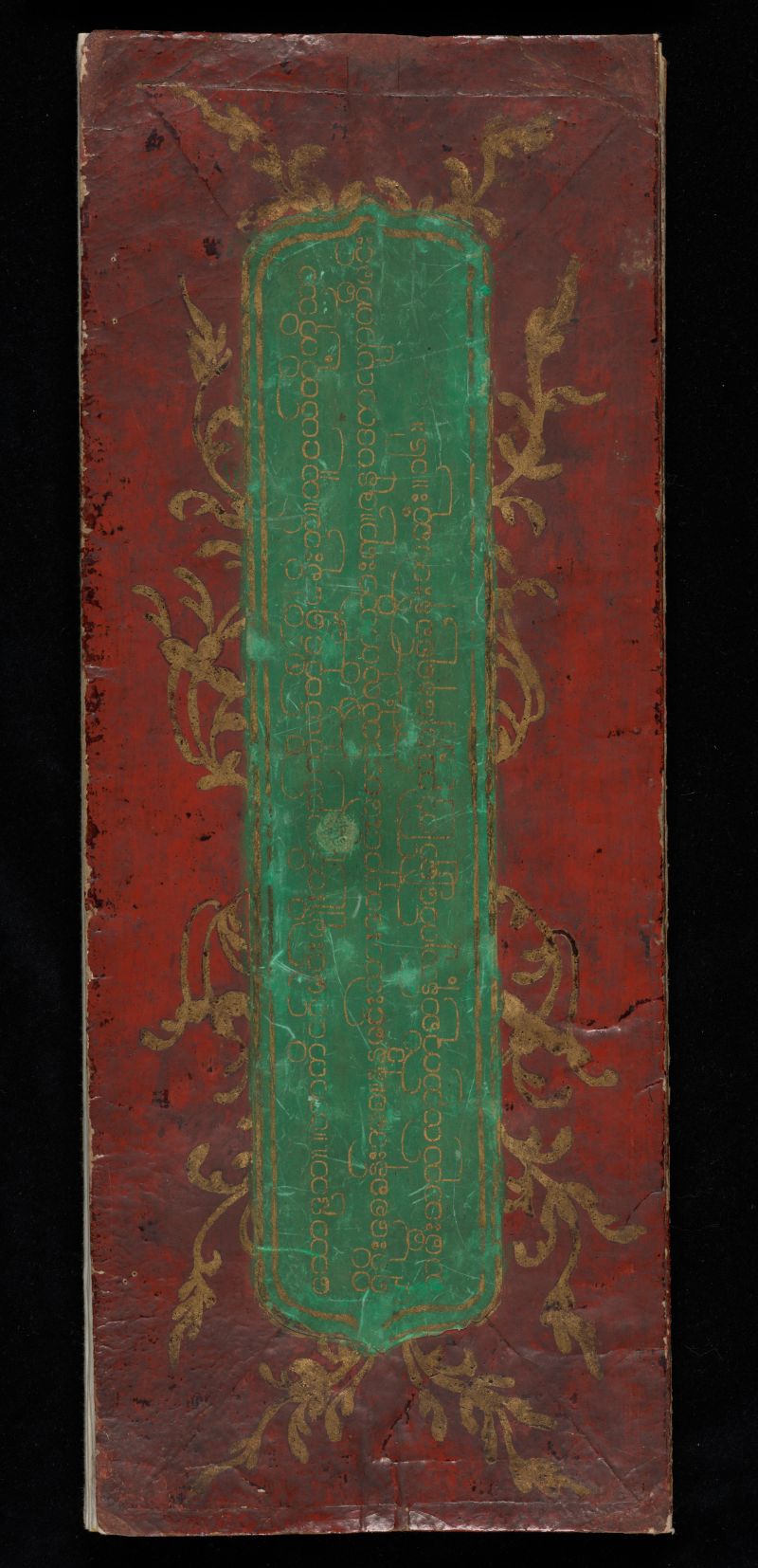 Document
Secondary source
Life of the Buddha
19th century
Ready when you are
Start chatting with Buddha now.
20 messages free · No credit card · Available in 50+ languages.