


Primary sourceBookc. 320 BC
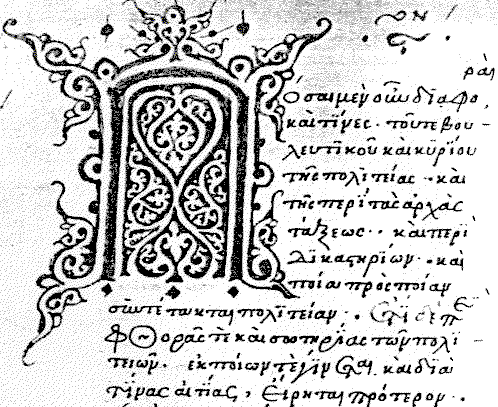
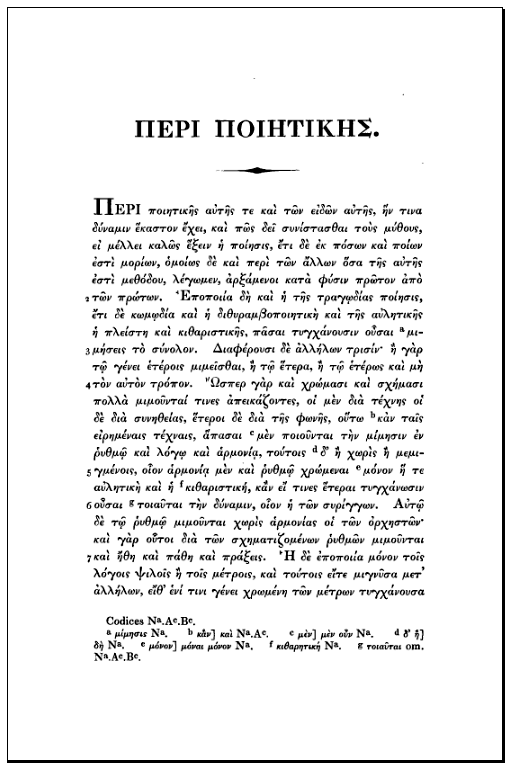
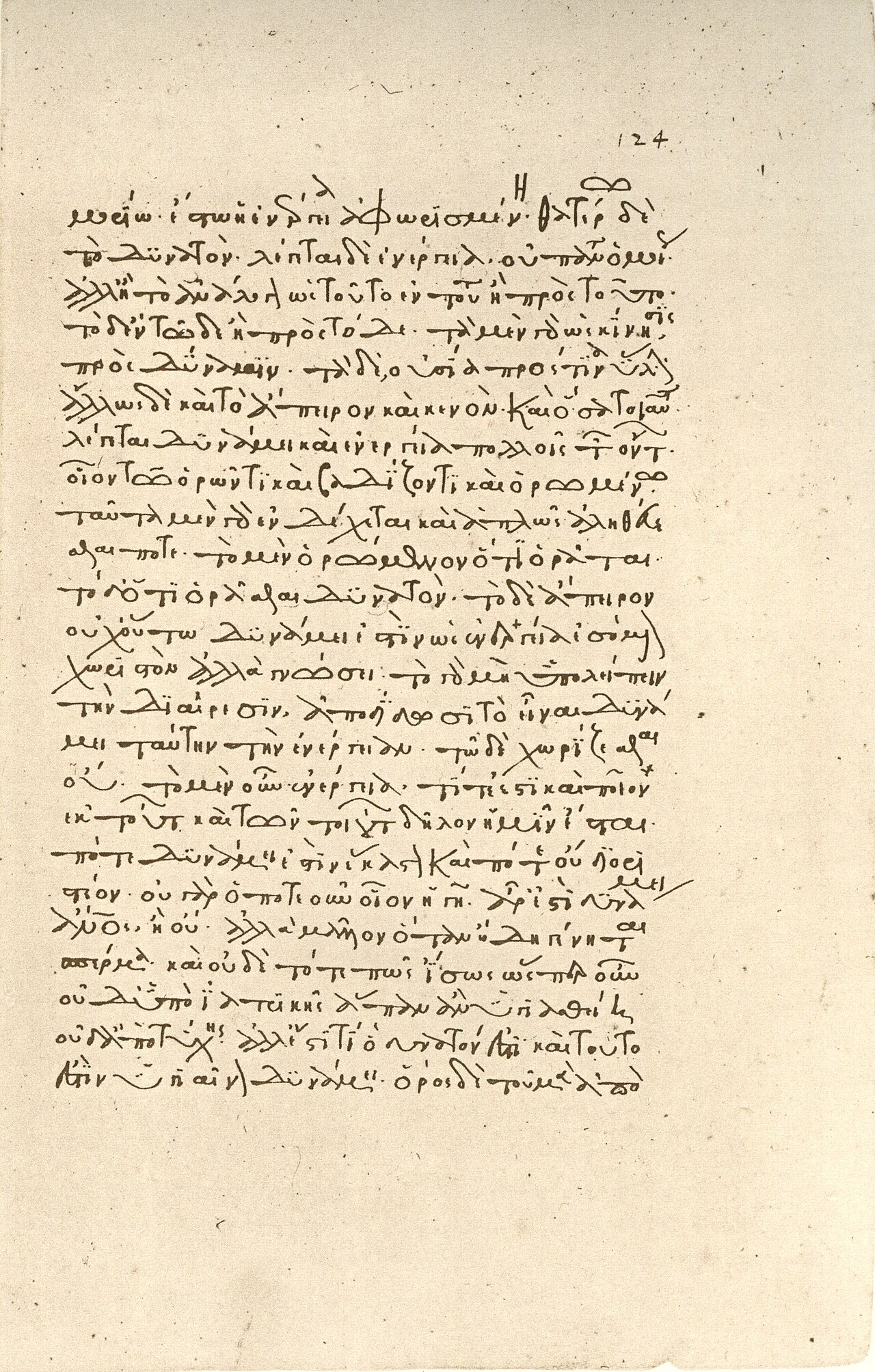
Generation of Animals
Aristotle · c. 320 BC
Aristotle's treatise on reproduction, heredity and embryology, revealing his views on male and female roles in nature.
This is Aristotle's own theory of reproduction, showing his biological reasoning and his views on sex differences.
About this source
What it is
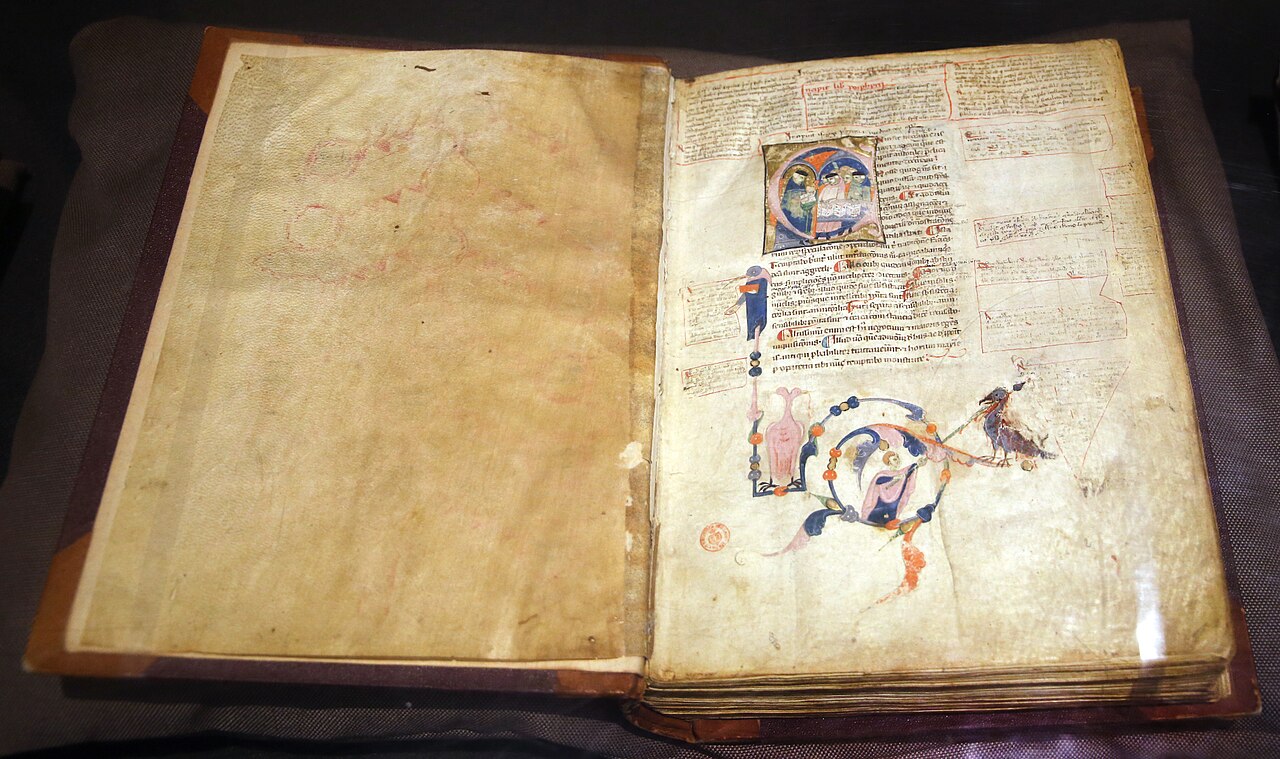
Generation of Animals is a biological work by Aristotle, part of the collection of texts attributed to him, dated to around 320 BC. Across five books it discusses reproduction, gestation, heredity and the development of embryos in many species.
Why it matters
The text shows Aristotle applying his theory of causes to living bodies, arguing that semen provides the active principle for forming offspring while female residue supplies material. This reveals both his observational skill and the gendered assumptions of his biology, which shaped Western ideas about reproduction for centuries.
Look closer
- What does Aristotle's explanation of semen and female 'residue' tell us about his view of male and female roles?
- Where does Aristotle rely on observation, and where does he rely on reasoning alone?
- Why might later scientists have accepted these ideas for so long without testing them?
This book is part of the curated material that grounds the AI version of Aristotle on Humy.ai — when students ask about related events, the AI can quote it and cite it.
More Aristotle sources
Meet the AI Aristotle →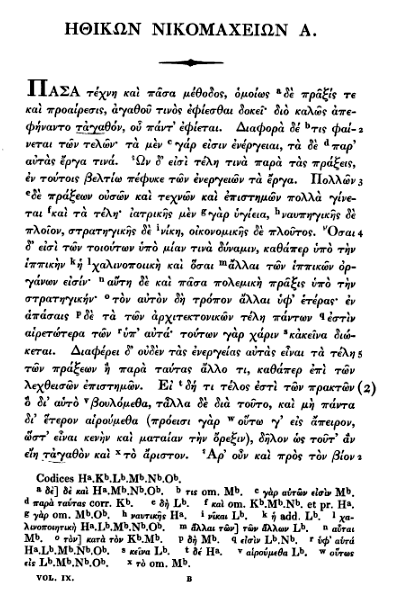
Ready when you are
Start chatting with Aristotle now.
20 messages free · No credit card · Available in 50+ languages.