


Secondary sourceBookc. 380 BC
Gorgias
Plato · c. 380 BC
Plato's dialogue showing Socrates debating rhetoric with Gorgias and his followers, including a warning that Socrates could not defend himself in court.
Written by Plato, this dialogue shows his critique of rhetoric and democratic oratory through the character of Socrates.
About this source
What it is
Gorgias is a Socratic dialogue written by Plato around 380 BC. It depicts a conversation at a dinner gathering between Socrates and a group of self-proclaimed rhetoricians, including Gorgias, Polus and Callicles.
Why it matters
The dialogue explores whether rhetoric is a true art or just a knack for pleasing an audience, and whether persuasion can exist without concern for justice. Callicles warns Socrates that his style of questioning could leave him unable to defend himself if brought to court, a moment often read as foreshadowing Socrates' eventual trial and execution.
Look closer
- Why might Plato have included Callicles' warning about courtroom danger in a dialogue about rhetoric?
- What does Socrates' argument against rhetoric as flattery suggest about his view of truth and persuasion?
- How does this dialogue help explain the suspicion and conflict Socrates faced in Athens?
This book is part of the curated material that grounds the AI version of Plato, Socrates and Pericles on Humy.ai — when students ask about related events, the AI can quote it and cite it.
More Plato sources
Meet the AI Plato → Book
Secondary source
The Republic
Plato · c. 375 BC
 Book
Primary source
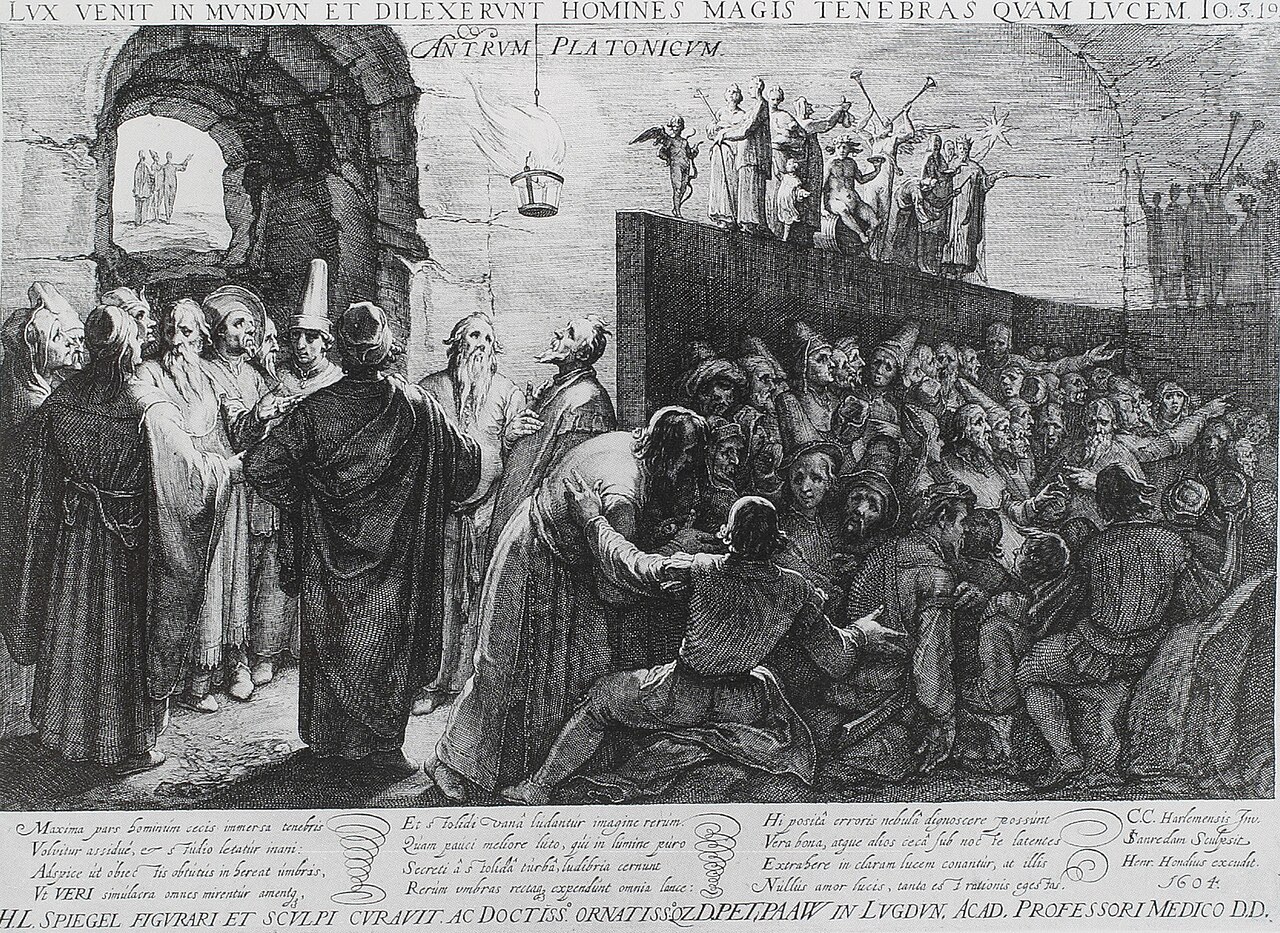
Allegory of the Cave
Plato · c. 400 BC
Secondary source
Apology
Plato · c. 395 BC
 Sculpture
Secondary source
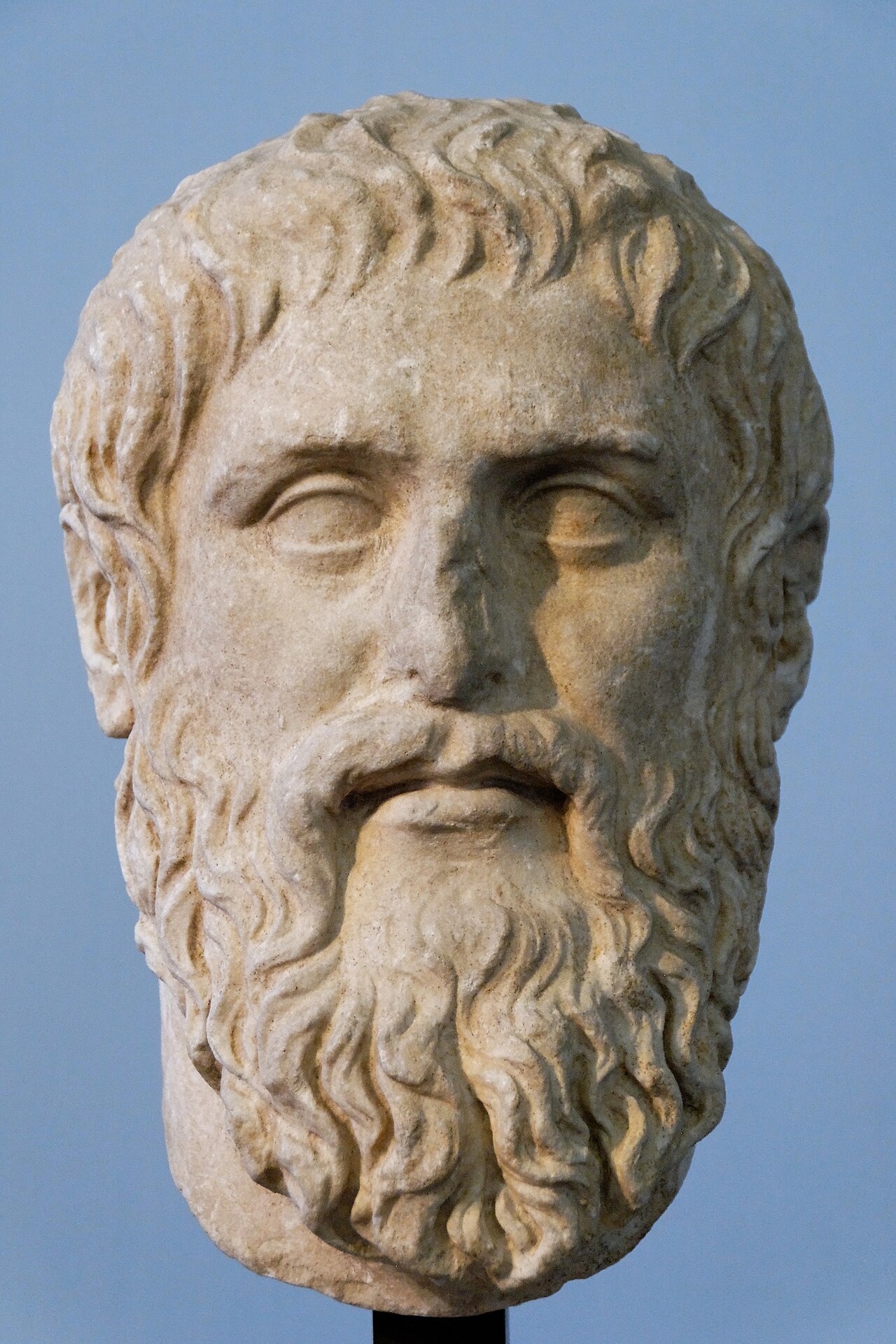
Portrait of Plato
Silanion (original type) · ca. 370 BC (original type); this copy Roman era
 Book
Secondary source
Phaedo
Plato · c. 360 BC
Ready when you are
Start chatting with Plato now.
20 messages free · No credit card · Available in 50+ languages.