


Primary sourcePainting23 January 1915
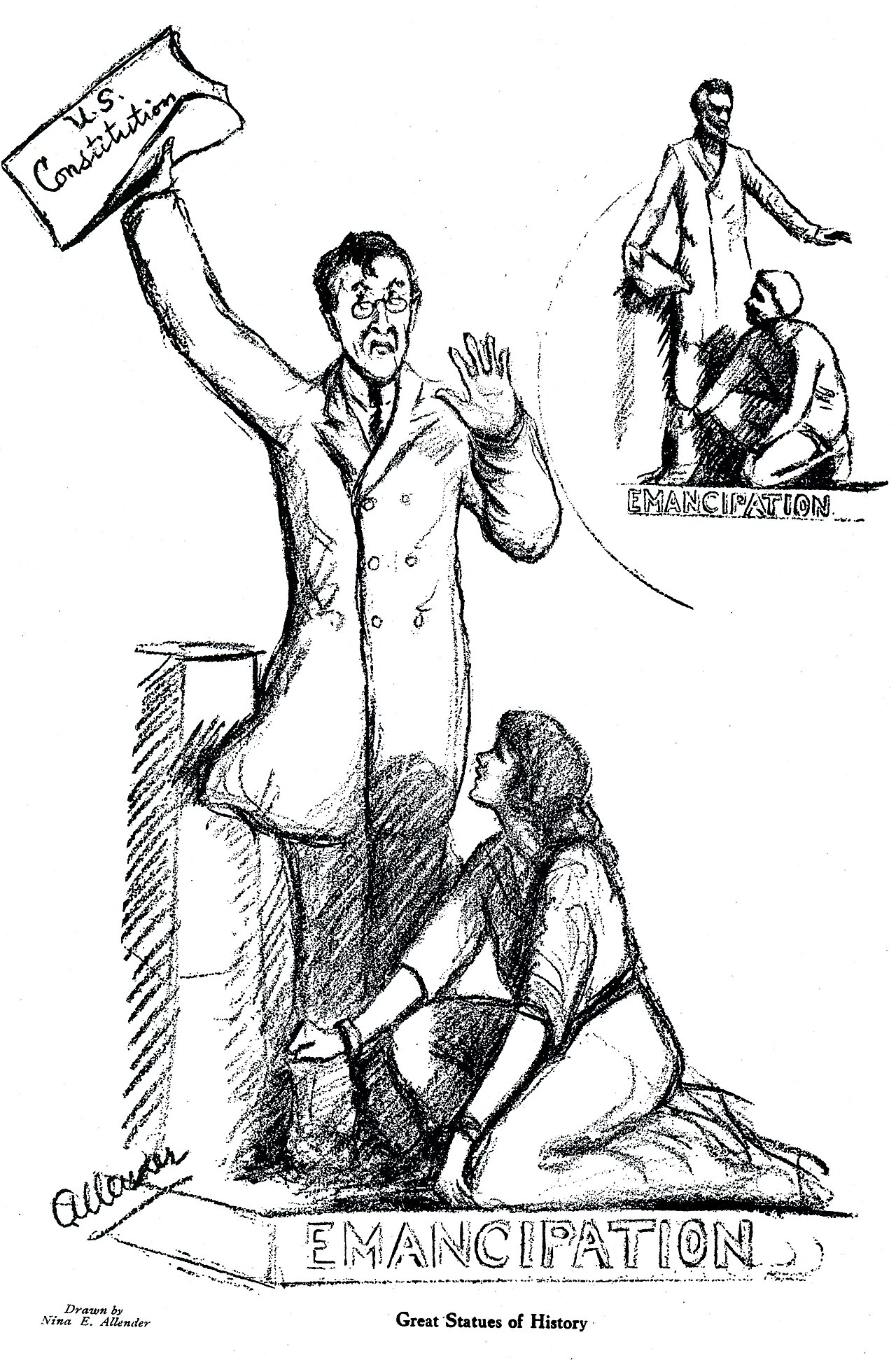
Great Statues of History: Lincoln and Wilson on Suffrage
Nina Allender · 23 January 1915
A 1915 suffragist cartoon by Nina Allender contrasting Abraham Lincoln's support for emancipation with Wilson's opposition to women's suffrage.
This cartoon criticizes Wilson for opposing women's suffrage, contrasting him unfavorably with Lincoln.
About this source
What it is
This editorial cartoon, titled Great Statues of History, was drawn by Nina Allender and published in The Suffragist on January 23, 1915. It shows a large figure holding a sign reading "U.S. Constitution" above a kneeling woman, with a smaller inset of Abraham Lincoln in a similar pose.
Why it matters
The cartoon contrasts Lincoln, remembered for ending slavery, with Wilson, who at the time opposed extending voting rights to women. It is a key source for understanding the suffrage movement's criticism of Wilson and how activists used historical comparison as political argument.
Look closer
- Why did the artist choose Lincoln as a comparison point for Wilson?
- What does the kneeling woman symbolize, and how does her pose shape the cartoon's message?
- Who was the intended audience of The Suffragist, and how might that shape the cartoon's tone?
This painting is part of the curated material that grounds the AI version of Woodrow Wilson on Humy.ai — when students ask about related events, the AI can quote it and cite it.
More Woodrow Wilson sources
Meet the AI Woodrow Wilson →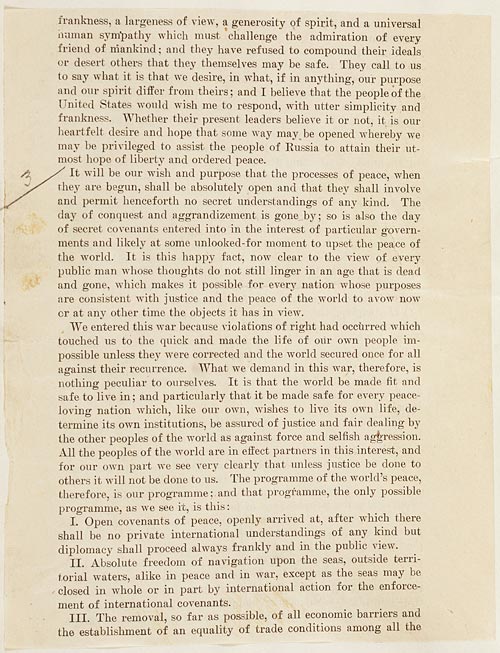 Speech
Primary source
President Woodrow Wilson's 14 Points
Woodrow Wilson · 8 January 1918
 Speech
Primary source
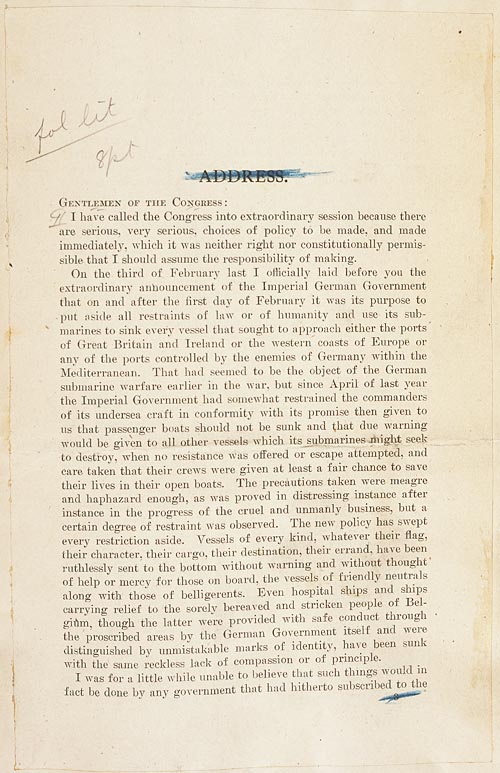
Joint Address to Congress Leading to a Declaration of War Against Germany
Woodrow Wilson · 2 April 1917
 Document
Primary source
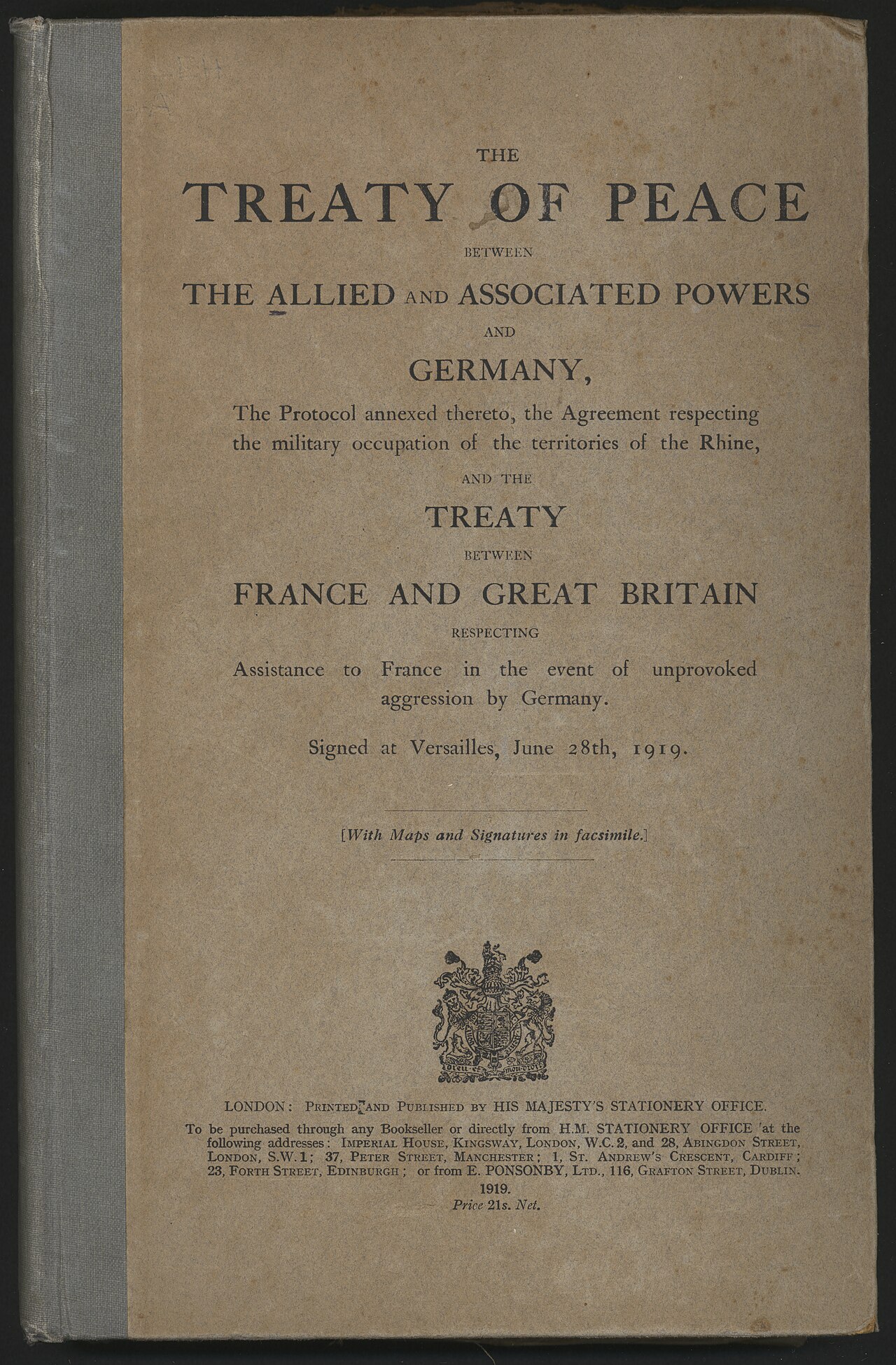
Treaty of Versailles
28 June 1919
Primary source
Covenant of the League of Nations
28 June 1919
 Document
Primary source
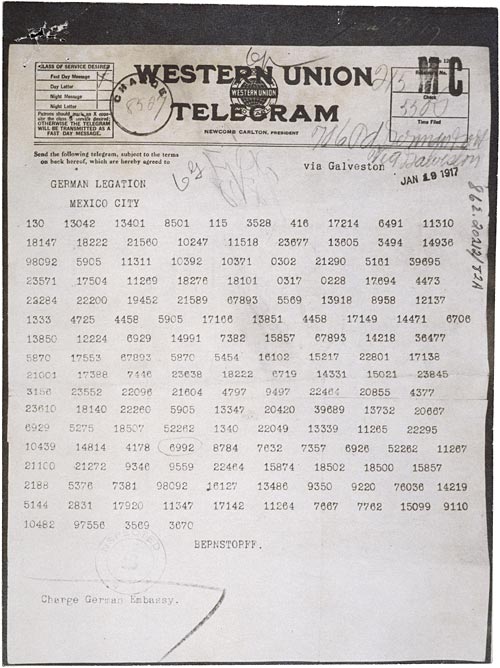
Zimmermann Telegram
Arthur Zimmermann · 1917
Ready when you are
Start chatting with Woodrow Wilson now.
20 messages free · No credit card · Available in 50+ languages.