


Secondary sourceSculpturec. 300 CE
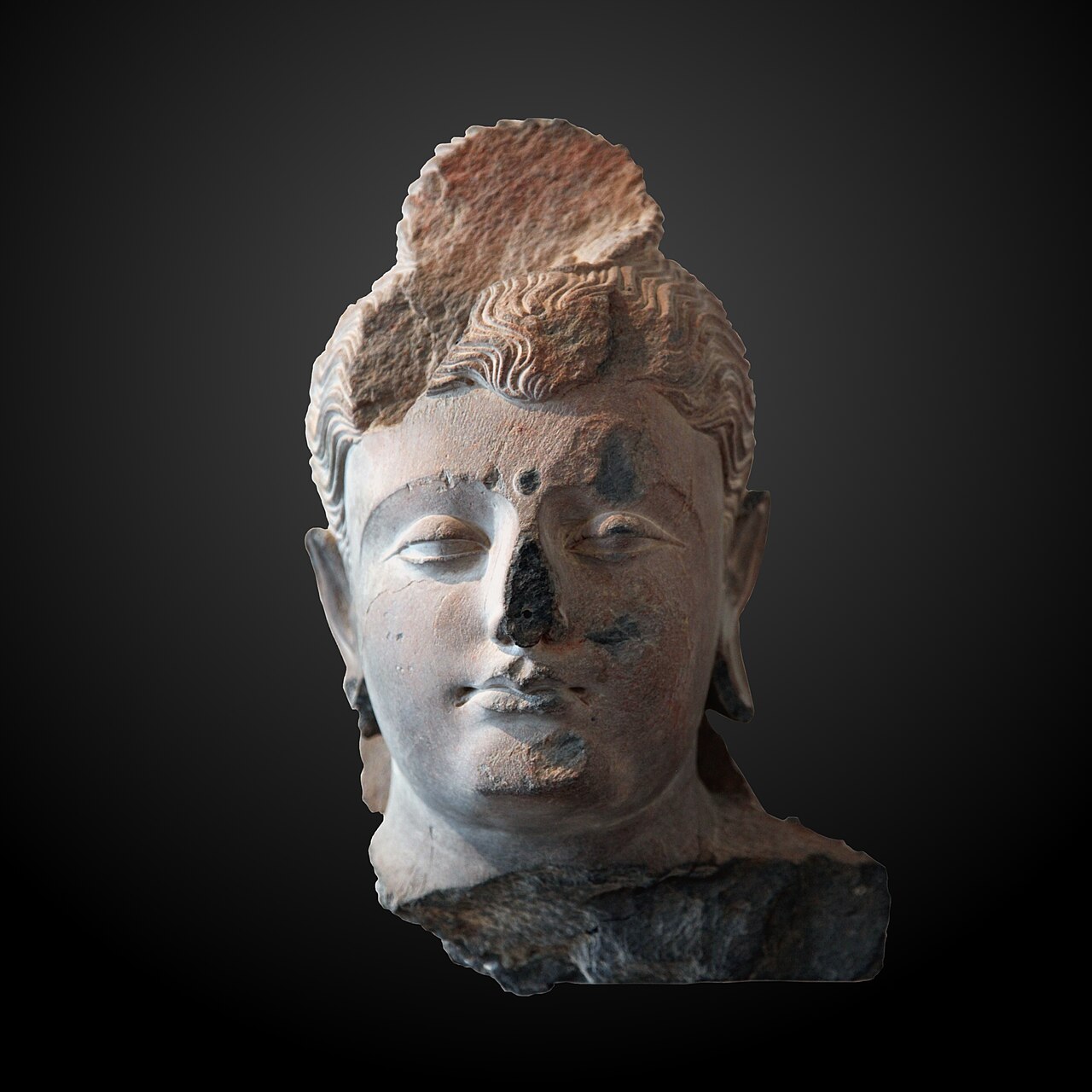
Head of Buddha, Kharkai Monastery
c. 300 CE
A carved stone head of the Buddha from Gandhara, excavated by Alfred Foucher's mission in the 1890s, now in the Guimet Museum.
This Gandharan head is an artistic depiction of the Buddha, showing how his image was portrayed centuries after his life.
About this source
What it is
This is a carved stone head of the Buddha found at the Kharkai Monastery during the Alfred Foucher archaeological mission (1895-1897). It dates to around the 3rd century CE and is kept today at the Guimet Museum in Paris.
Why it matters
The head comes from the Gandhara region, where early sculptors blended Greek and Buddhist artistic traditions to create some of the first human-like images of the Buddha. It shows how far Buddhist art had spread and changed centuries after the Buddha's lifetime, and how archaeologists like Foucher helped recover this history.
Look closer
- What details in the hair and face remind you of Greek sculpture?
- Why do you think early artists chose to show the Buddha with calm, downcast eyes?
- What might be missing or damaged, and what does that tell us about the object's age?
This sculpture is part of the curated material that grounds the AI version of Buddha on Humy.ai — when students ask about related events, the AI can quote it and cite it.
More Buddha sources
Meet the AI Buddha →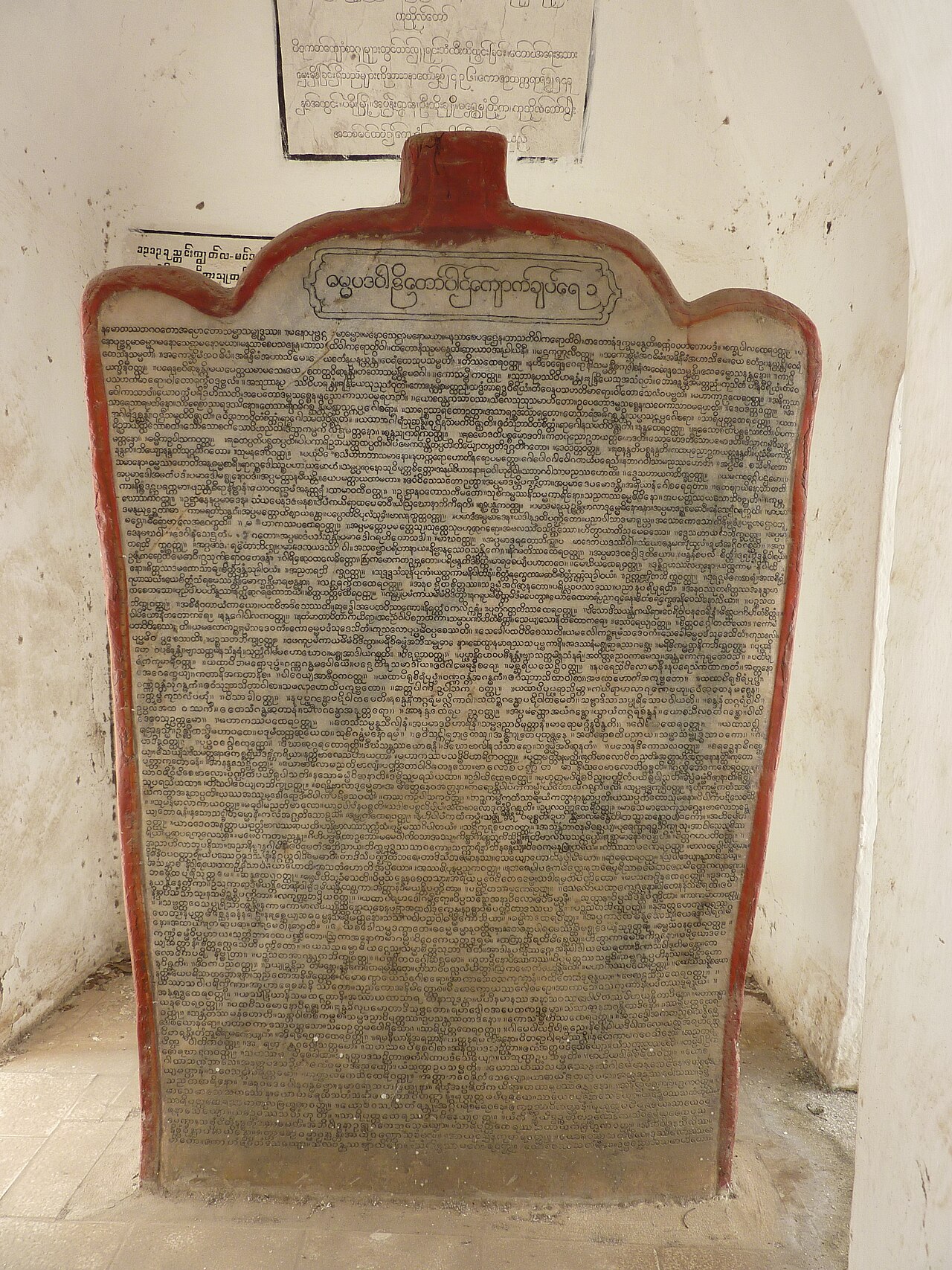 Book
Secondary source
Dhammapada
Attributed to the Buddha · c. 3rd century BCE compilation
 Painting
Secondary source
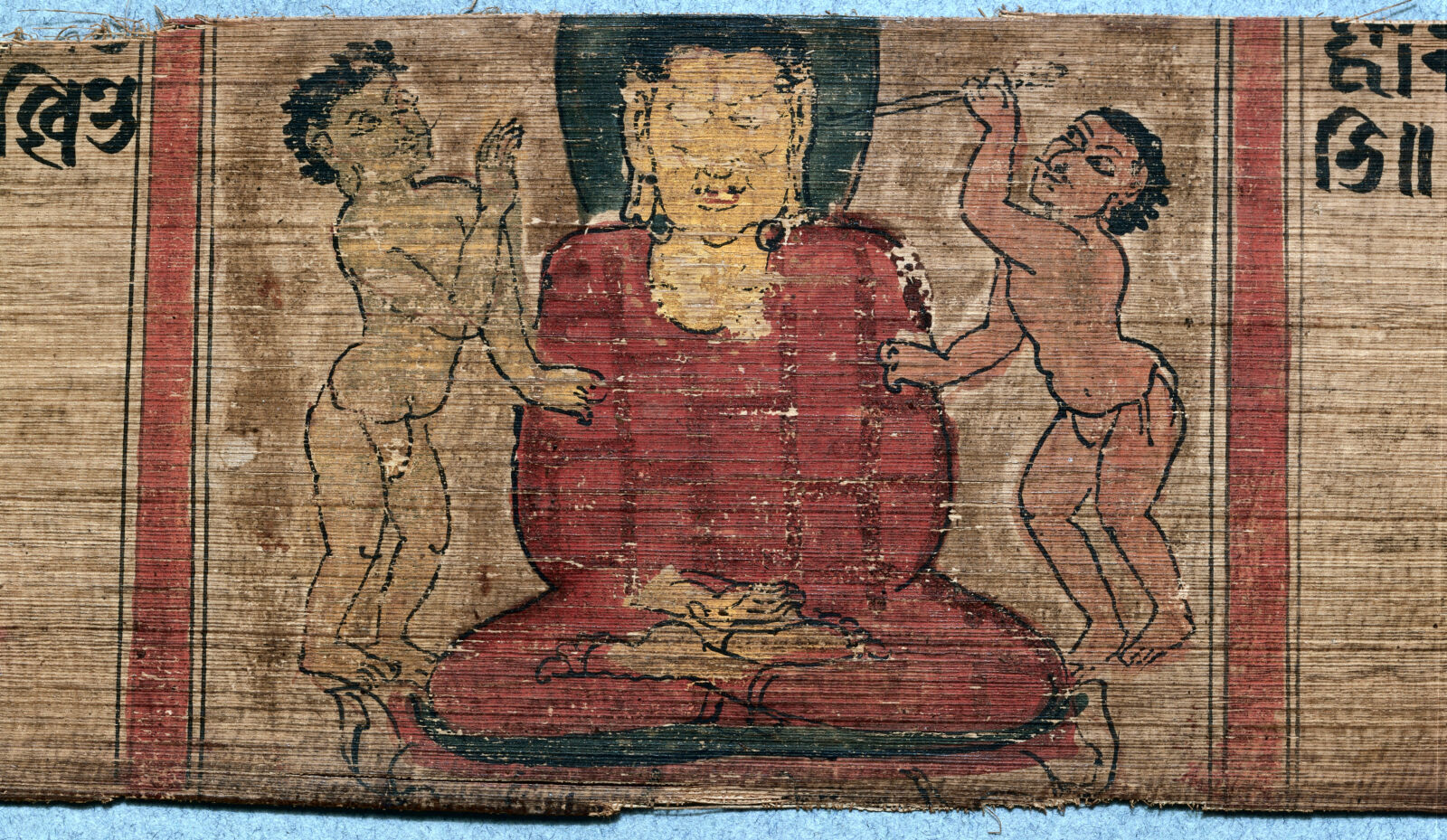
Buddha in Dhyana, Perfection of Wisdom Sutra Manuscript
1074
 Sculpture
Secondary source
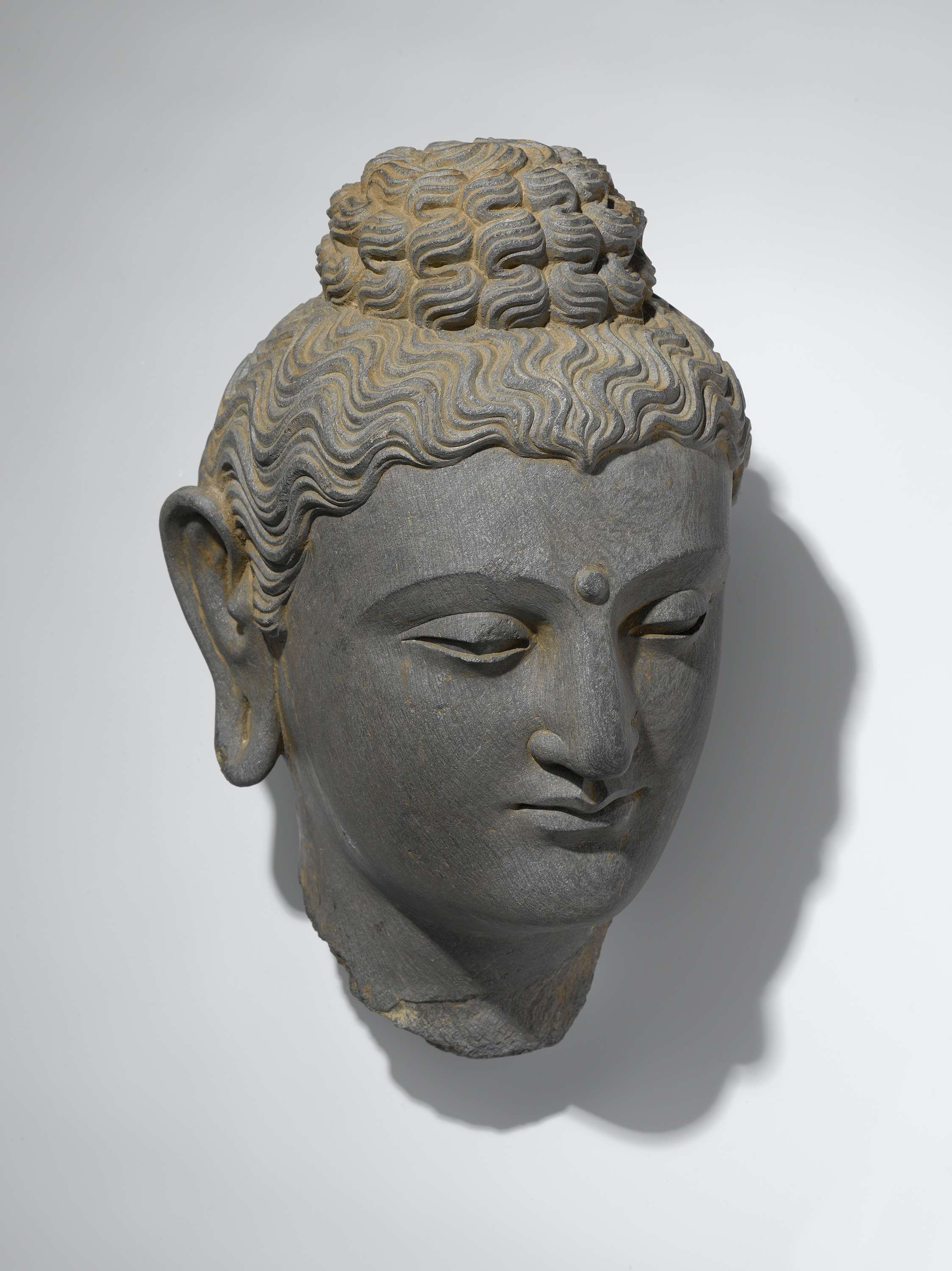
Head of the Buddha, Gandhara style
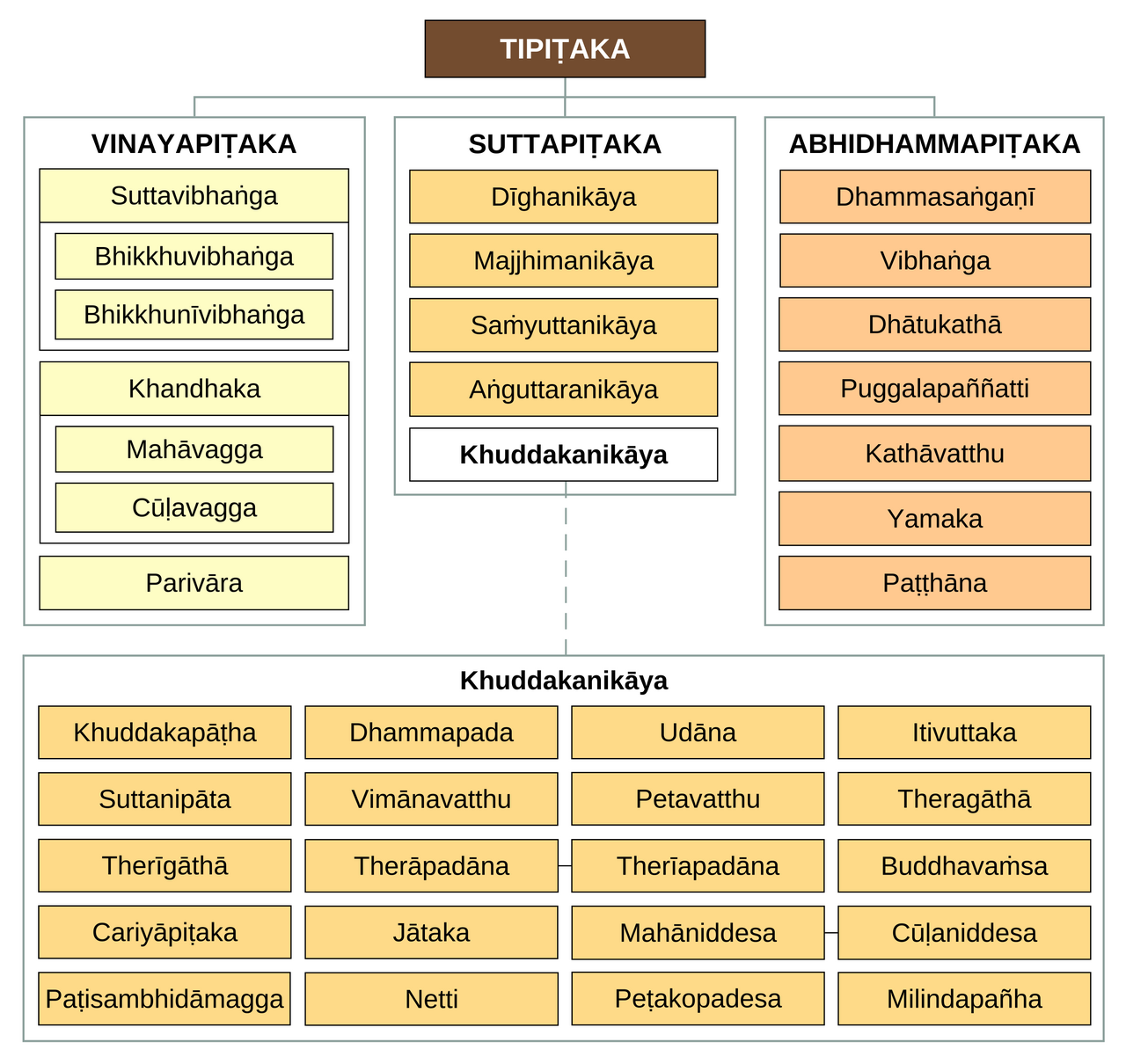 Book
Secondary source
Pali Canon (Tipitaka)
Early Buddhist sangha · oral from 5th century BCE; written c. 29 BCE
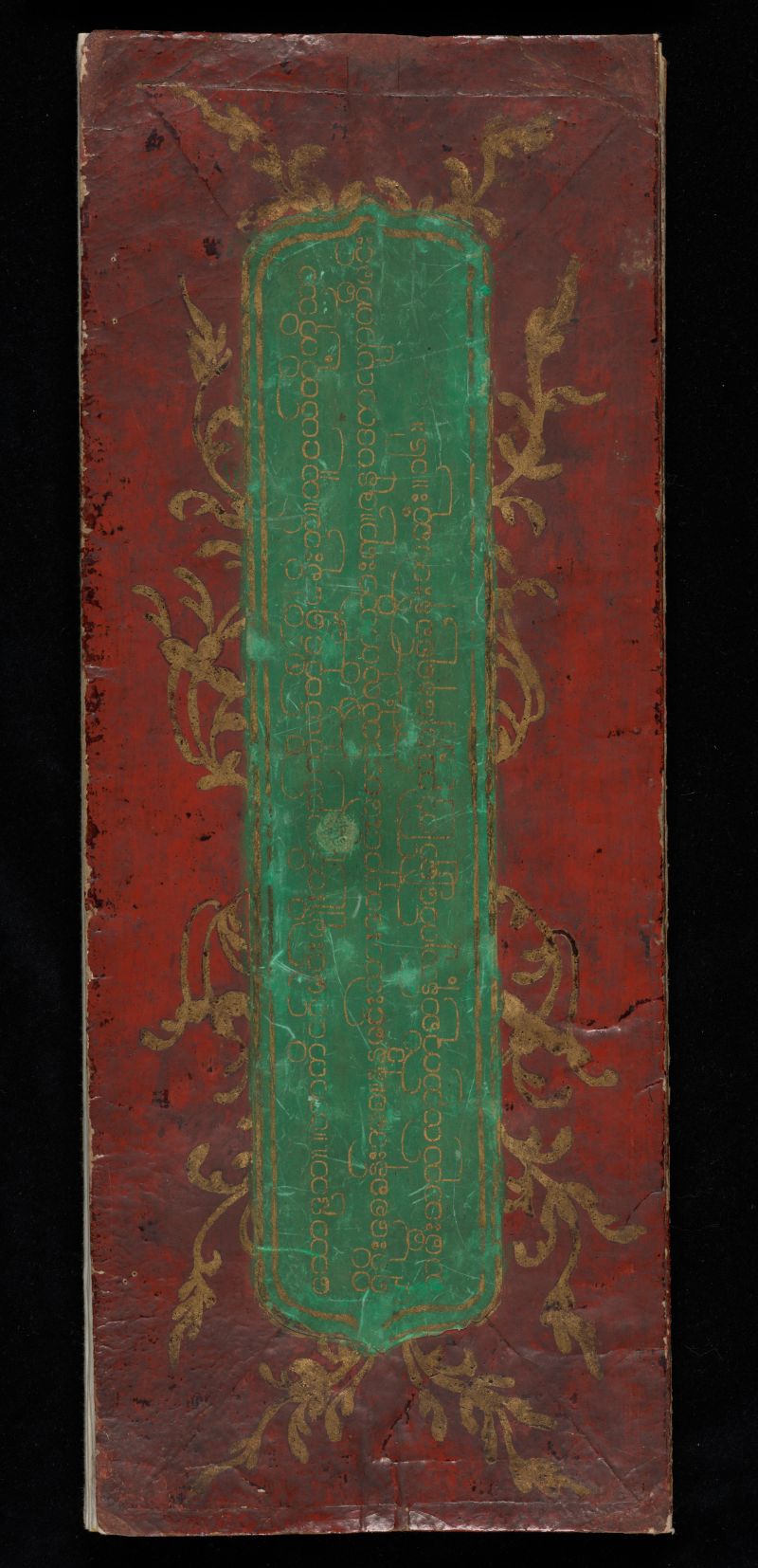 Document
Secondary source
Life of the Buddha
19th century
Ready when you are
Start chatting with Buddha now.
20 messages free · No credit card · Available in 50+ languages.