


Secondary sourceBookDated by translations from the 3rd century CE onward
Heart Sutra
Attributed to the Buddha; Mahayana authors · Dated by translations from the 3rd century CE onward
A short Mahayana Buddhist text attributed to the Buddha's teaching, among the most recited scriptures in East Asian Buddhism.
Although framed as the Buddha's words, this sutra reflects a later Mahayana development of his teaching.

About this source
What it is
The Heart Sūtra is a brief Mahayana sutra surviving in Sanskrit, Chinese, and Tibetan. It is set as a teaching given in the Buddha's assembly, where the bodhisattva Avalokiteśvara explains the emptiness of all things to the disciple Śāriputra.
Why it matters
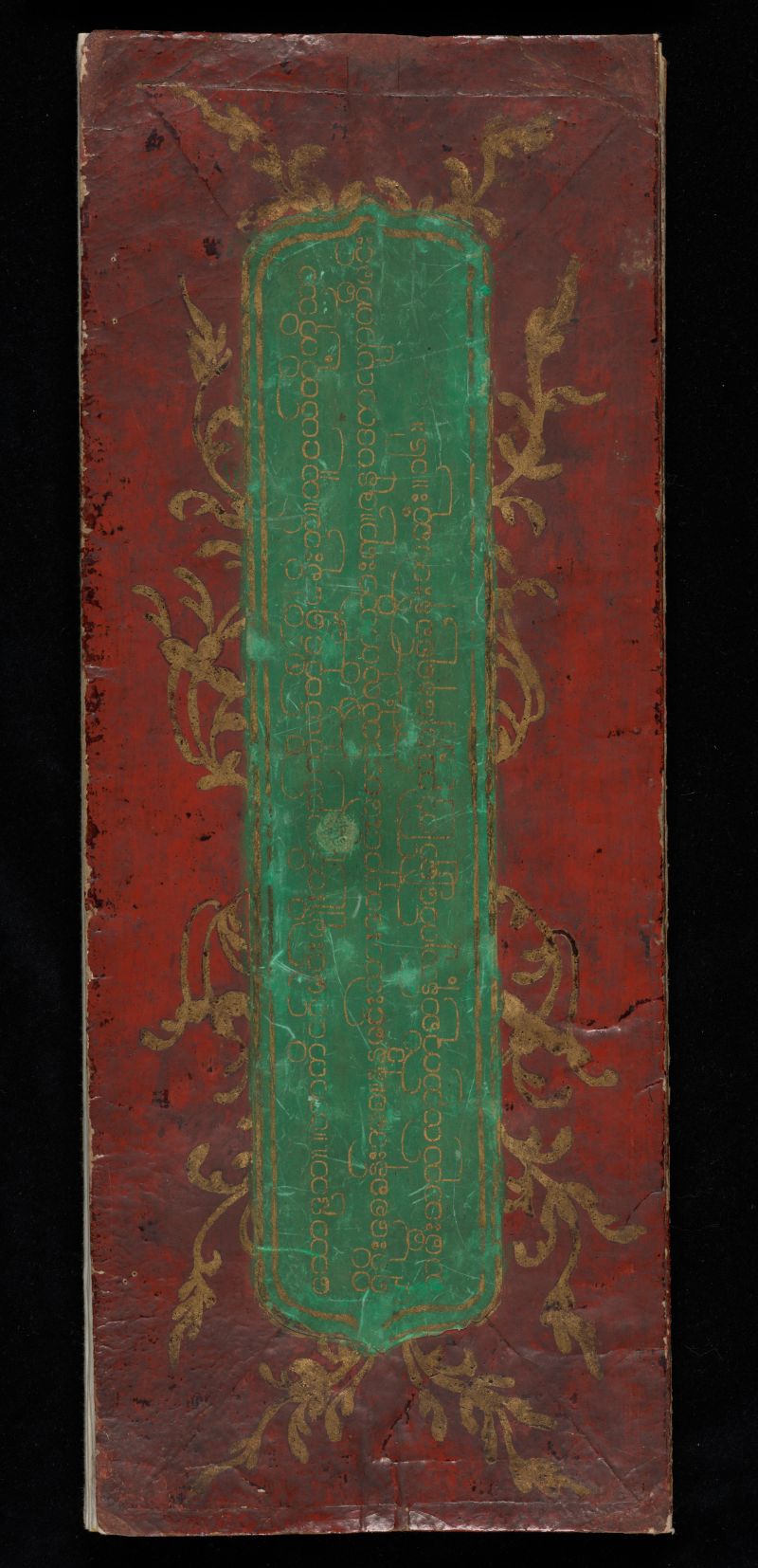
This text is called the most frequently recited scripture in the Mahayana tradition. It shows how later Buddhist communities developed and reinterpreted the Buddha's teaching, especially the idea that all phenomena are empty of fixed, independent existence. The image shown here is a page of Tibetan block-print text, an example of how the sutra was transmitted across Asia.
Look closer
- Who is actually speaking in this sutra, and how does that shape its authority?
- Why might a short, easily memorized text become so widely recited?
- What does translation into many languages suggest about how far Buddhism spread?
This book is part of the curated material that grounds the AI version of Buddha on Humy.ai — when students ask about related events, the AI can quote it and cite it.
More Buddha sources
Meet the AI Buddha →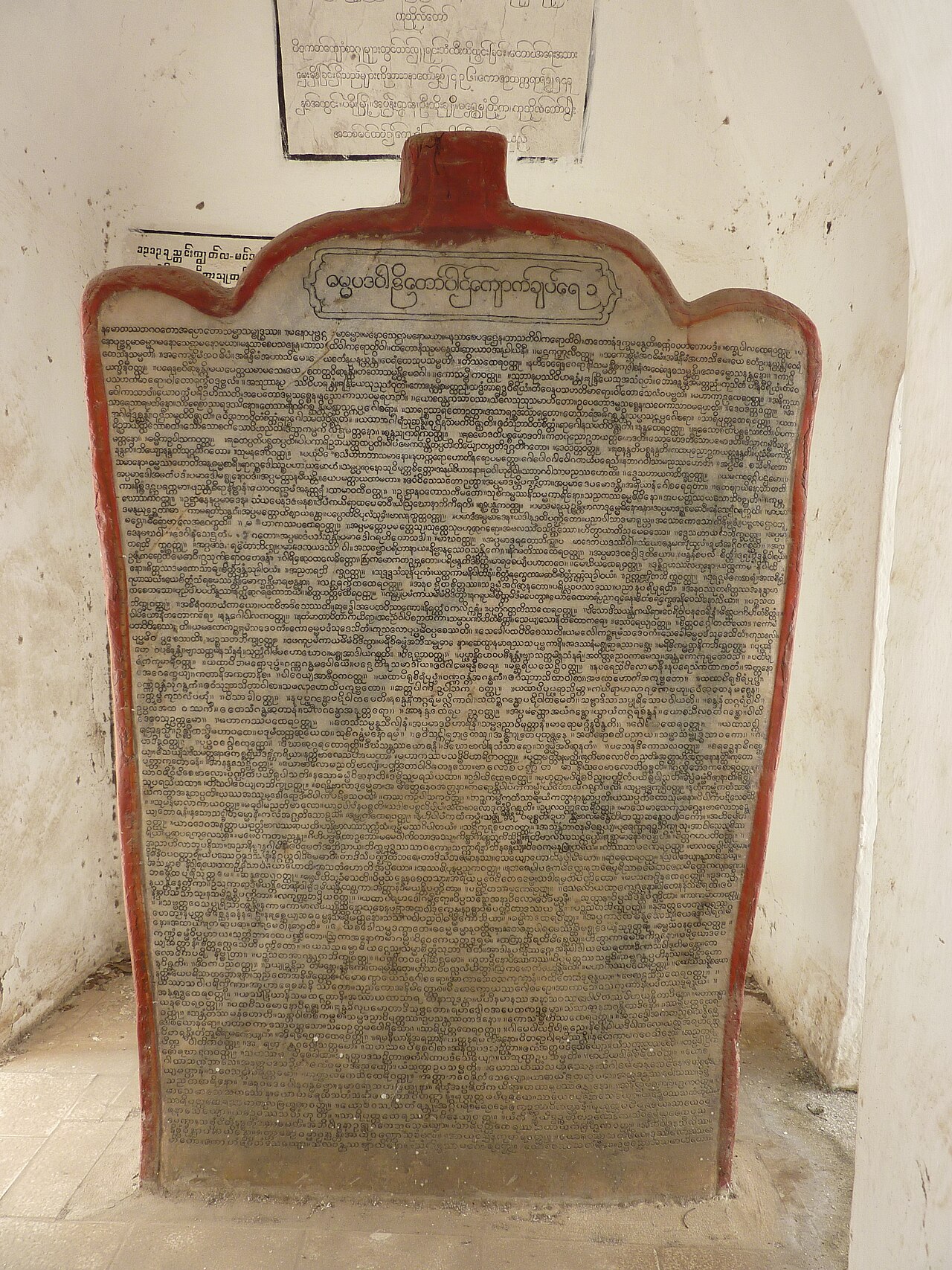 Book
Secondary source
Dhammapada
Attributed to the Buddha · c. 3rd century BCE compilation
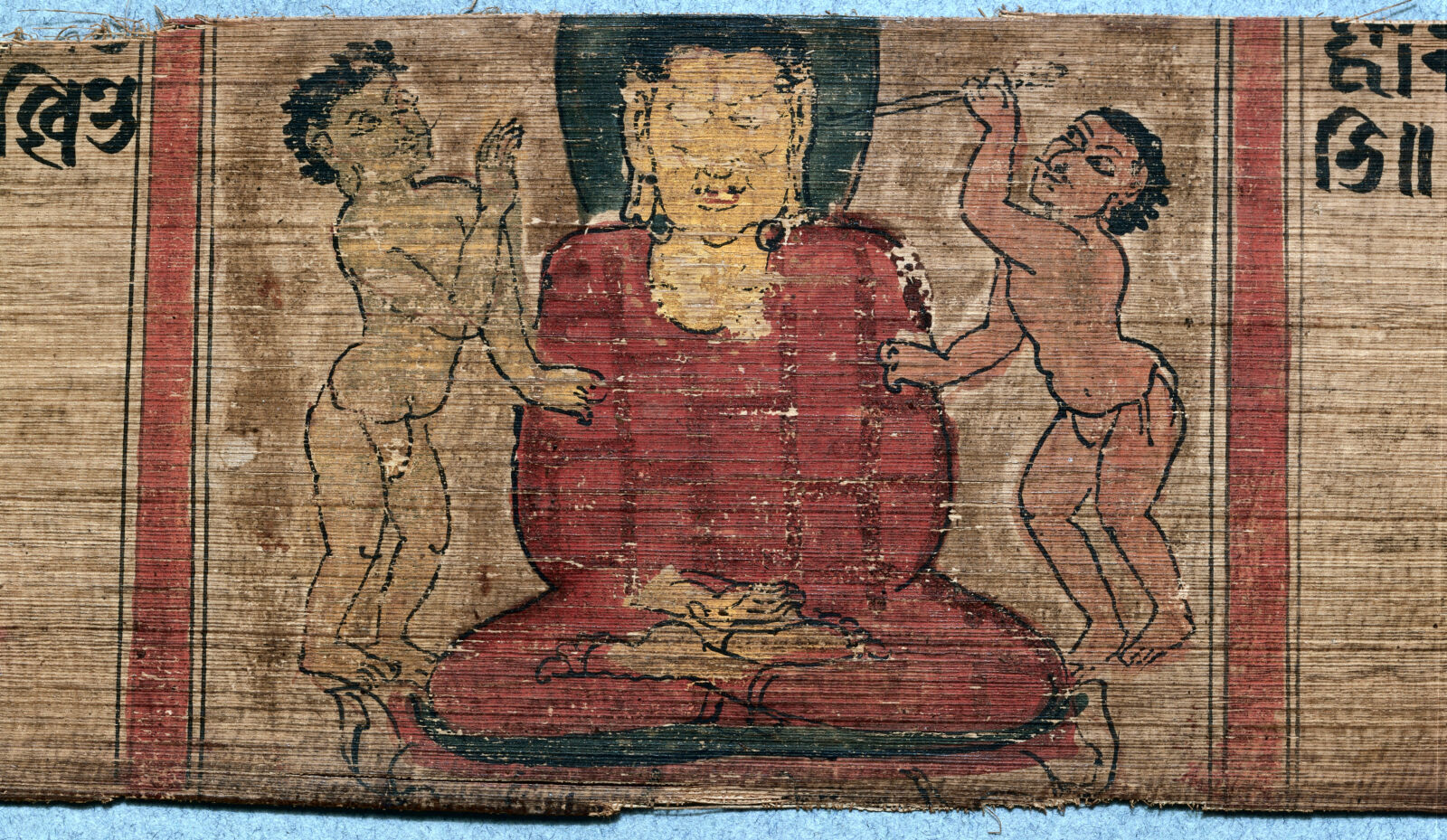 Painting
Secondary source
Buddha in Dhyana, Perfection of Wisdom Sutra Manuscript
1074
 Sculpture
Secondary source
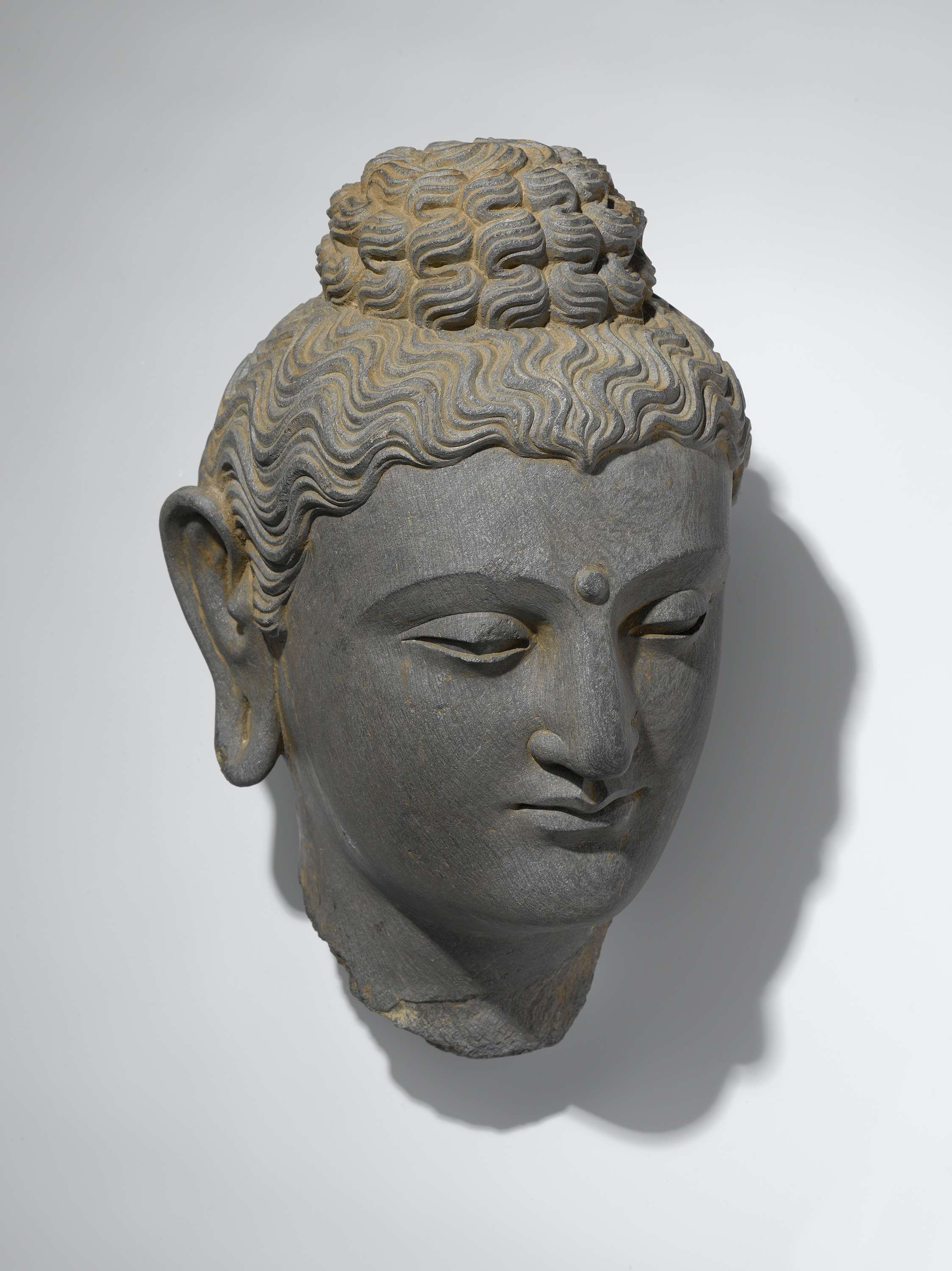
Head of the Buddha, Gandhara style
 Book
Secondary source
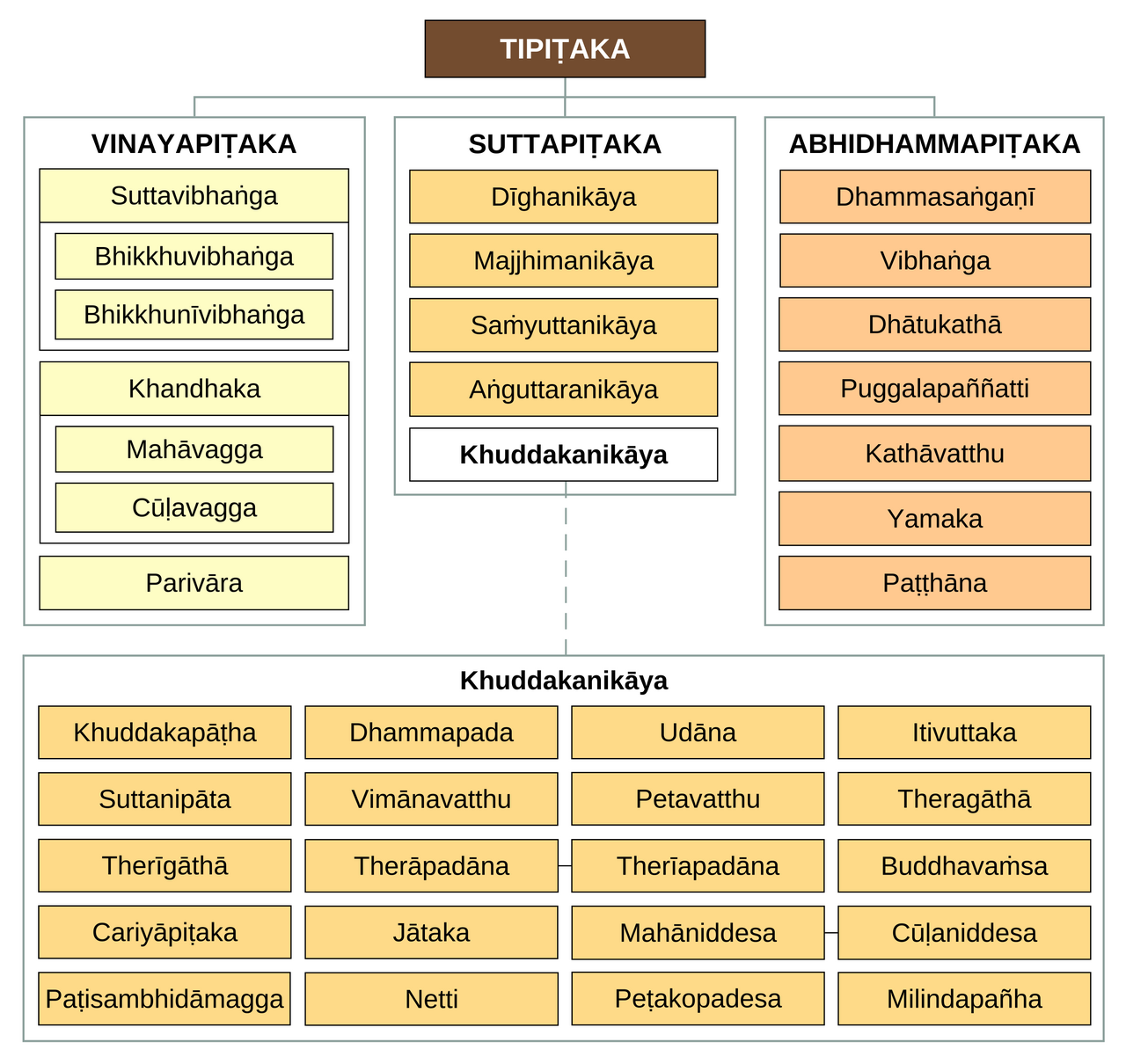
Pali Canon (Tipitaka)
Early Buddhist sangha · oral from 5th century BCE; written c. 29 BCE
 Document
Secondary source
Life of the Buddha
19th century
Ready when you are
Start chatting with Buddha now.
20 messages free · No credit card · Available in 50+ languages.