


Secondary sourceBook1st century CE (disputed), manuscript copy 15th century
Hercules Oetaeus
Seneca (disputed) · 1st century CE (disputed), manuscript copy 15th century
A tragedy on Hercules' death and apotheosis, transmitted among Seneca's plays though scholars doubt he wrote it.
Traditionally attributed to Seneca, this play's disputed authorship raises questions about his true literary output.
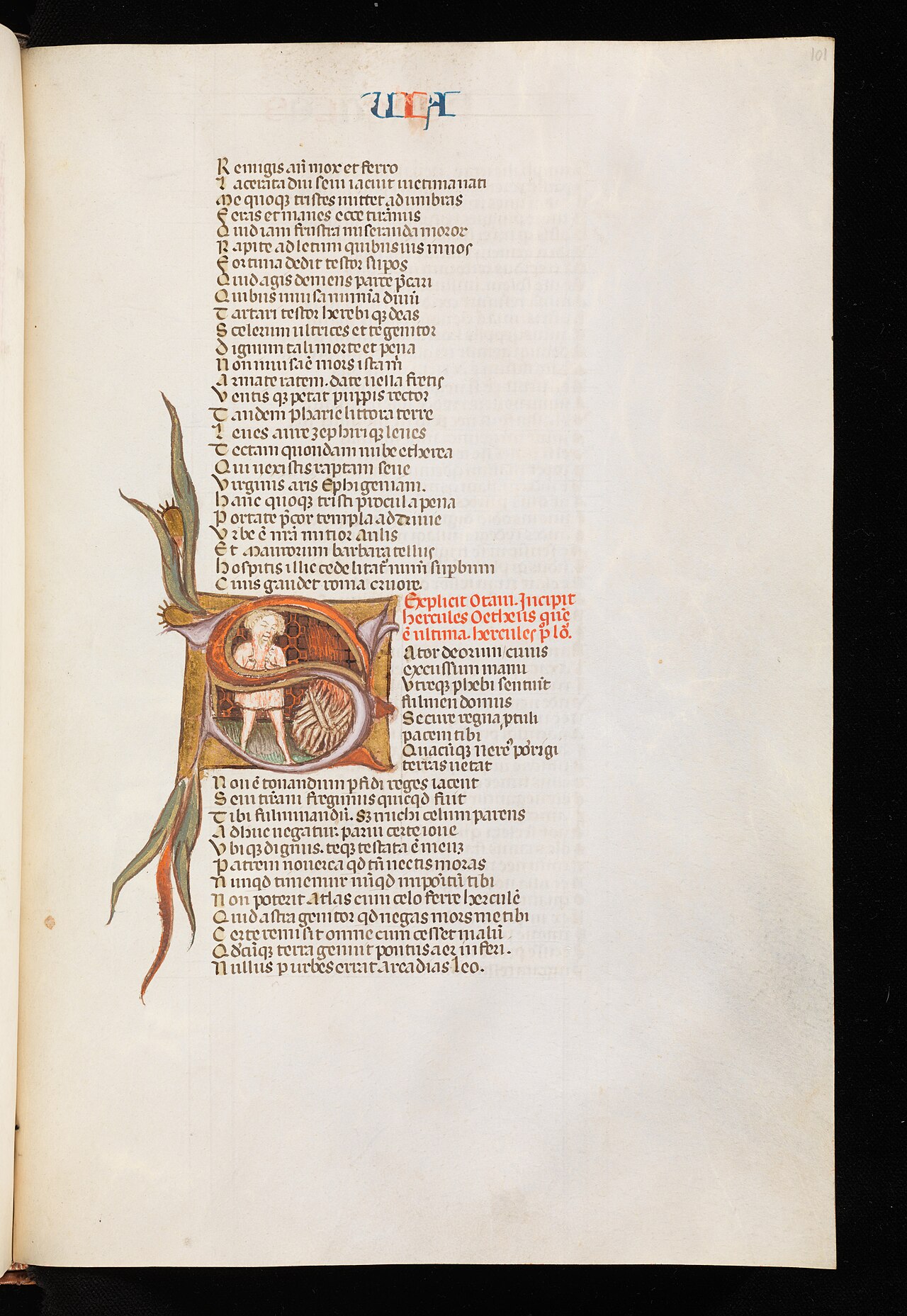
About this source
What it is
Hercules Oetaeus tells the story of Hercules' betrayal by his wife Deianira and his death and rise to godhood. It is the longest surviving tragedy from antiquity and has come down to us grouped with Seneca's other plays, though most modern scholars think it is not actually by Seneca, but written in close imitation of his style. The copy shown is from a 15th-century Italian manuscript.
Why it matters
Whether or not Seneca wrote it, the play borrows heavily from his genuine tragedies and ends with a strongly Stoic message about enduring suffering, the philosophy Seneca himself championed. The dispute over its authorship shows how historians must question which ancient texts truly belong to a writer.
Look closer
- Why might someone imitate Seneca's style so closely that readers believed it was genuinely his?
- What details in the manuscript illustration connect to the story of Hercules?
- How might scholars tell a genuine text from an imitation?
This book is part of the curated material that grounds the AI version of Seneca on Humy.ai — when students ask about related events, the AI can quote it and cite it.
More Seneca sources
Meet the AI Seneca →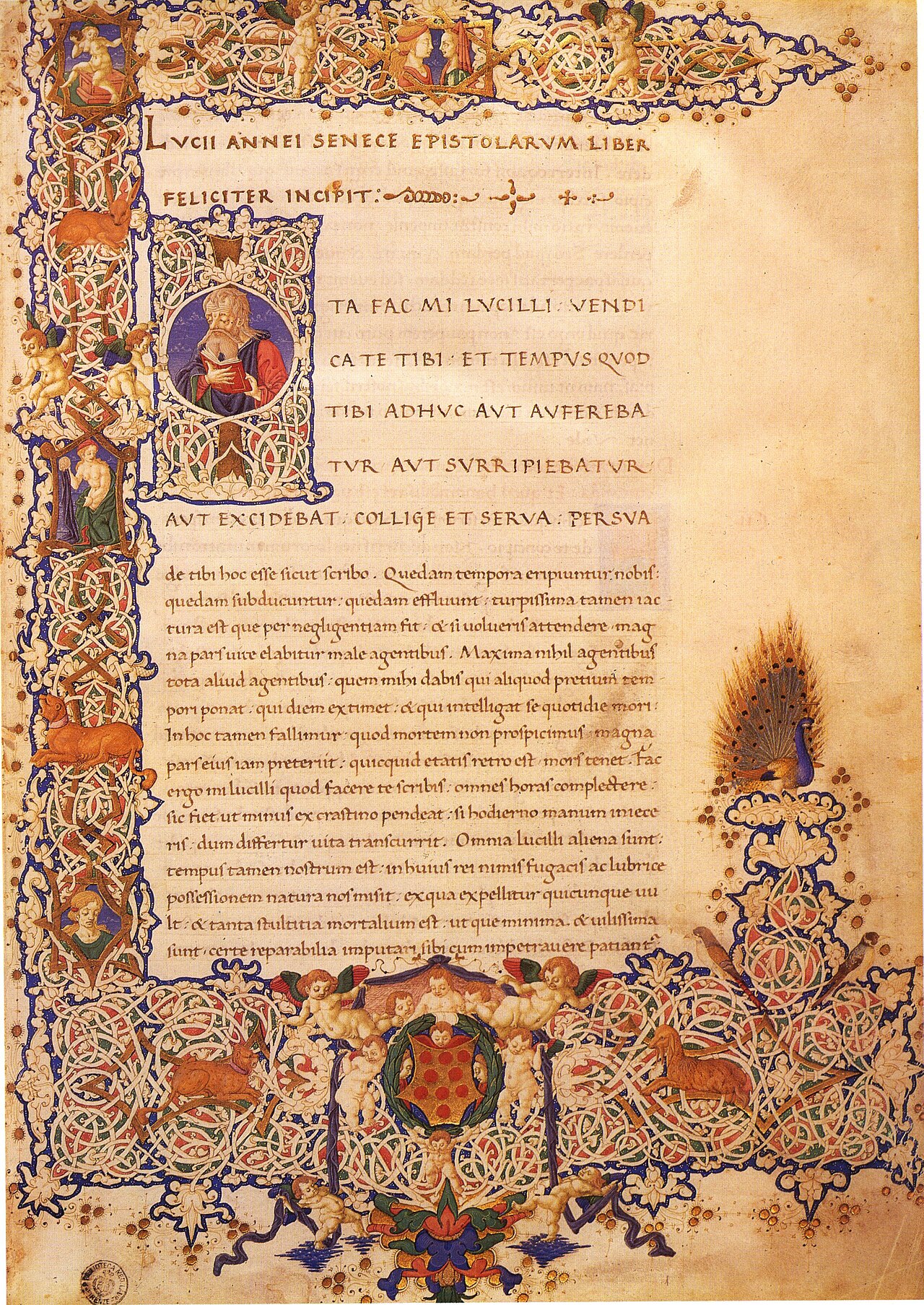 Letter
Primary source
Epistulae Morales ad Lucilium
Seneca · c. 62-65 CE
 Book
Primary source
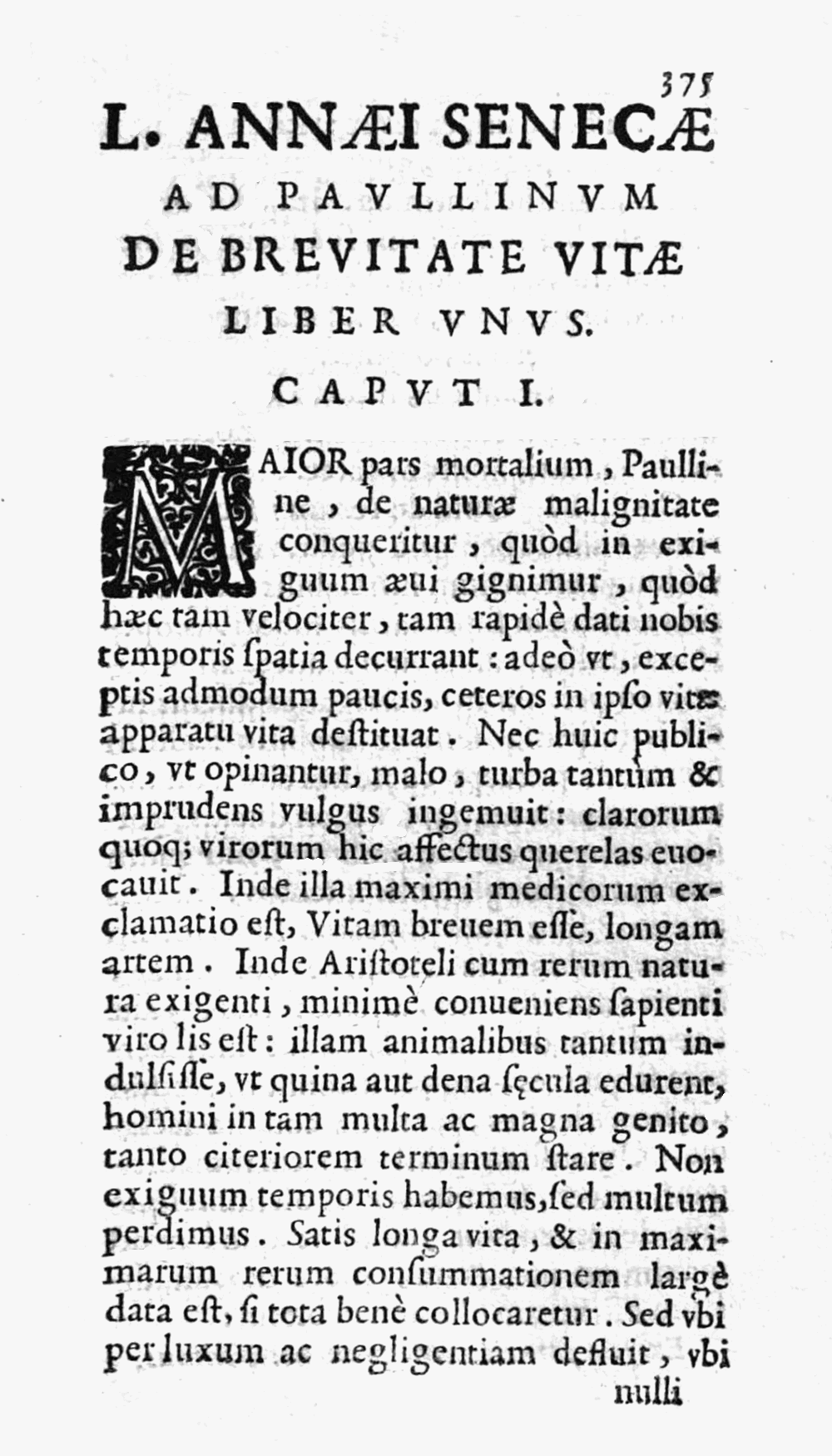
De Brevitate Vitae
Seneca · c. 49 CE
 Book
Secondary source
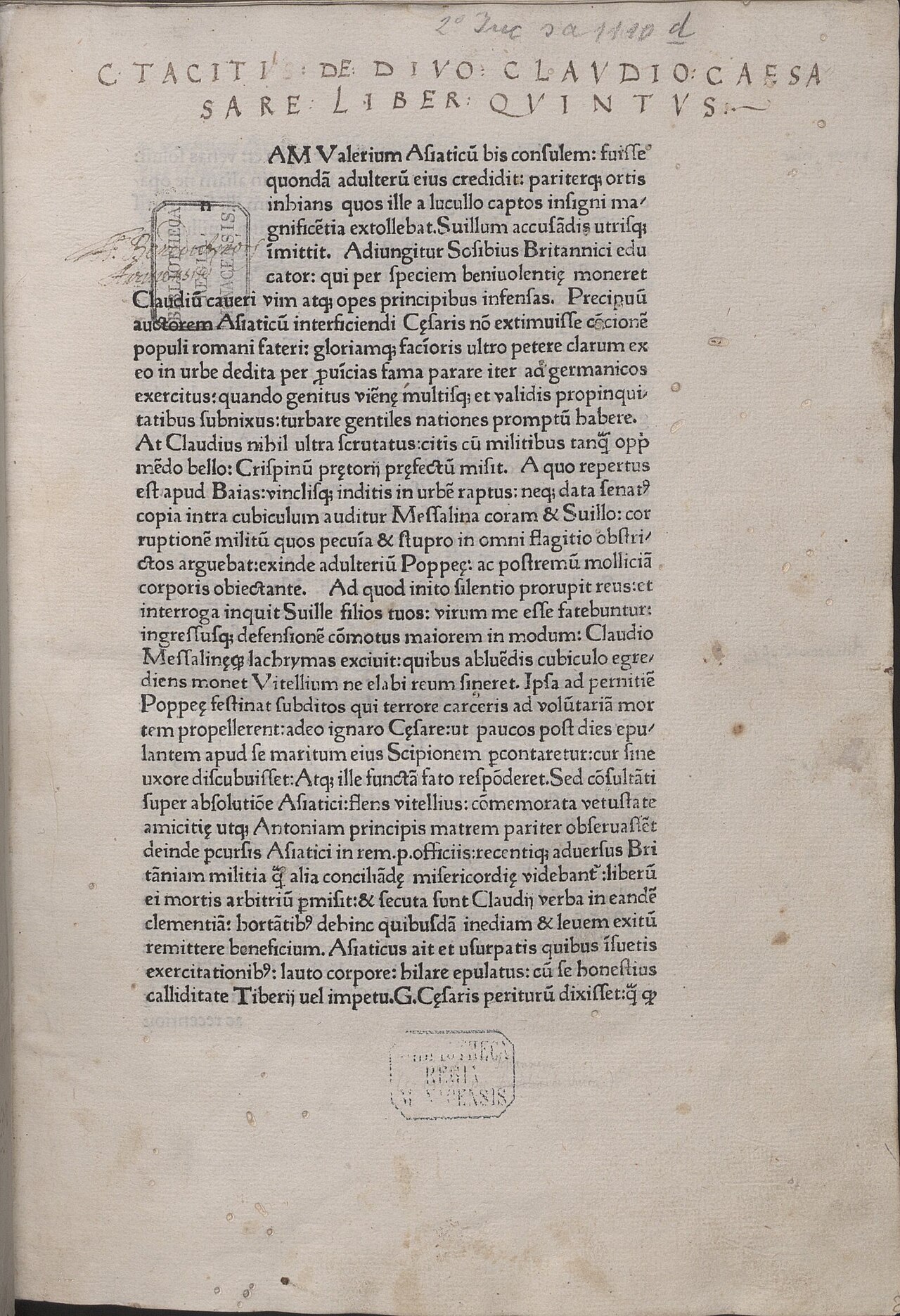
Annals
Tacitus · c. AD 116 or later
 Book
Primary source
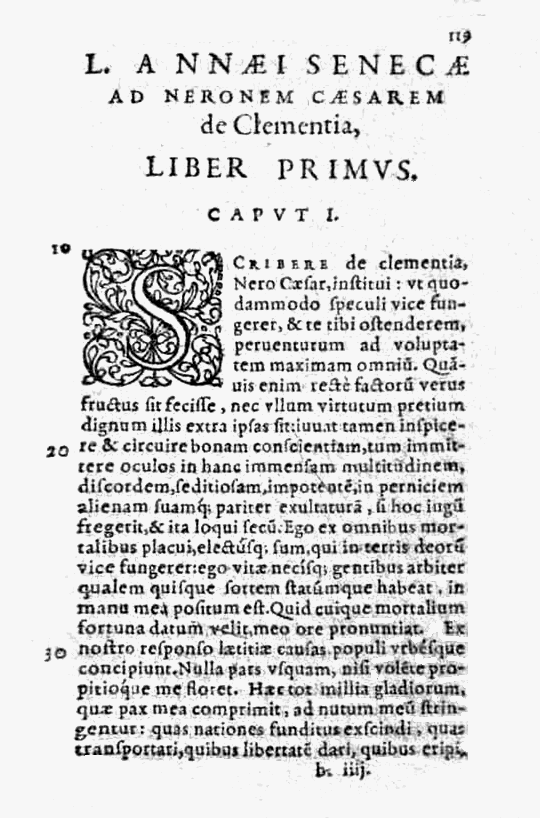
De Clementia
Seneca · 55-56 CE
 Sculpture
Secondary source
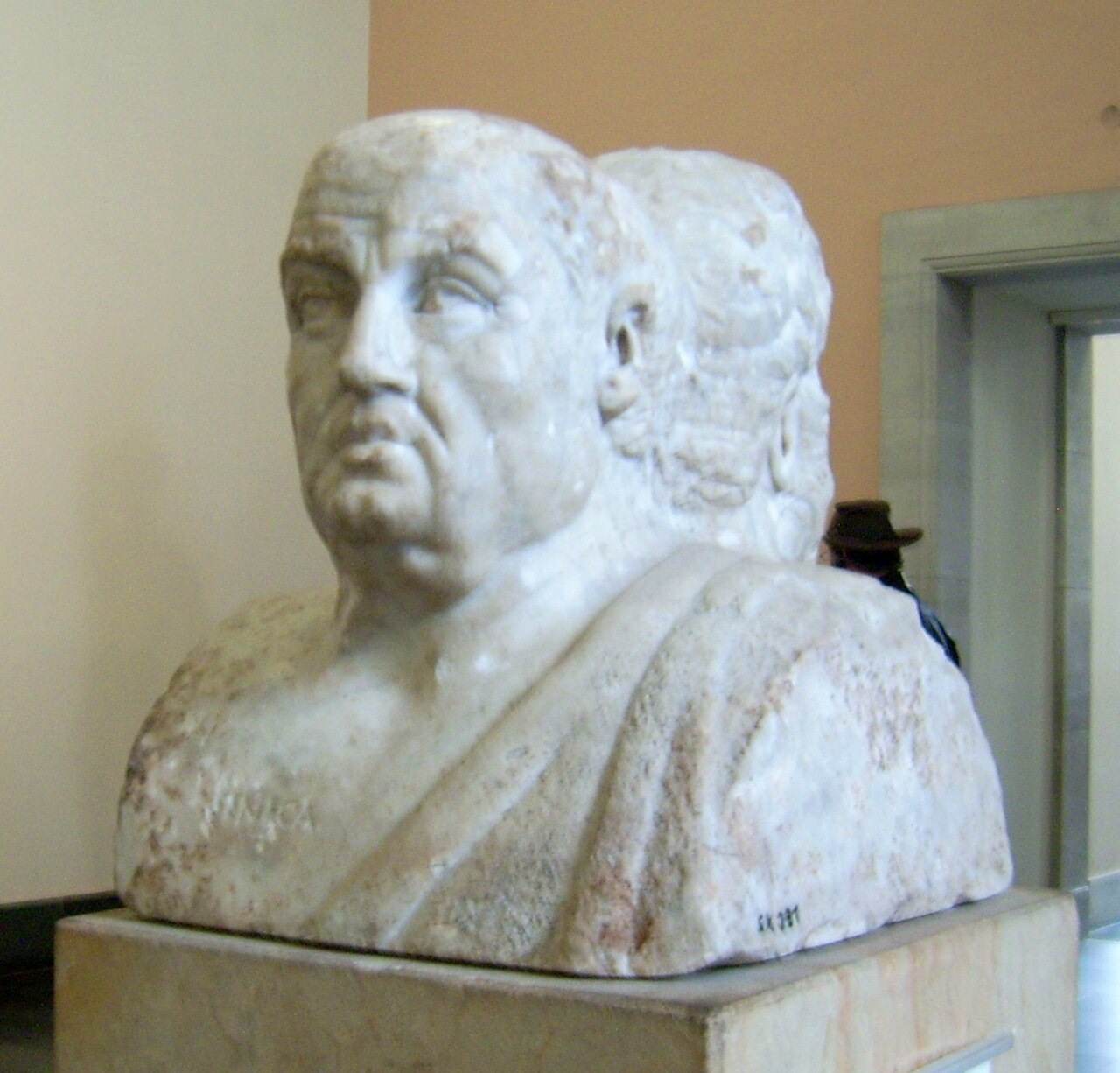
Double Herm of Socrates and Seneca
first half of the 3rd century AD
Ready when you are
Start chatting with Seneca now.
20 messages free · No credit card · Available in 50+ languages.