


Secondary sourceBook1871
History of Assurbanipal, Translated from the Cuneiform Inscriptions
George Smith · 1871
George Smith's 1871 book, the first translation of Ashurbanipal's own royal inscriptions, launching modern study of his reign.
This 1871 translation of Ashurbanipal's annals began the modern scholarly reconstruction of his reign.

About this source
What it is
This 1871 book by George Smith presents the first translation of cuneiform inscriptions recording the history of Ashurbanipal. It drew directly on clay tablets and inscriptions excavated from Assyria.
Why it matters
Before this book, knowledge of Ashurbanipal came mainly from later Greek legends. Smith's translation let scholars read the king's own words for the first time in modern history, beginning the reconstruction of his reign from genuine Assyrian records rather than secondhand stories.
Look closer
- Why is a translation directly from the king's own inscriptions more reliable than a Greek legend written centuries later?
- What kinds of events might a king choose to record about himself, and what might he leave out?
- How did the rediscovery of cuneiform writing change what people could know about ancient rulers?
This book is part of the curated material that grounds the AI version of Ashurbanipal on Humy.ai — when students ask about related events, the AI can quote it and cite it.
More Ashurbanipal sources
Meet the AI Ashurbanipal →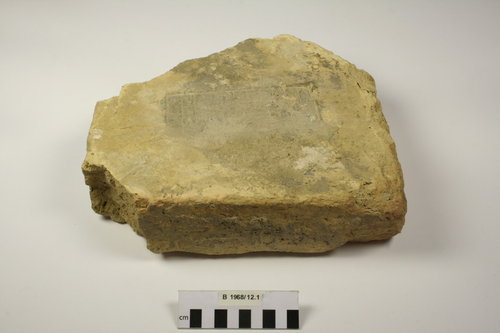 Artifact
Primary source
Baked Brick Naming King Ashurbanipal
7th century BCE
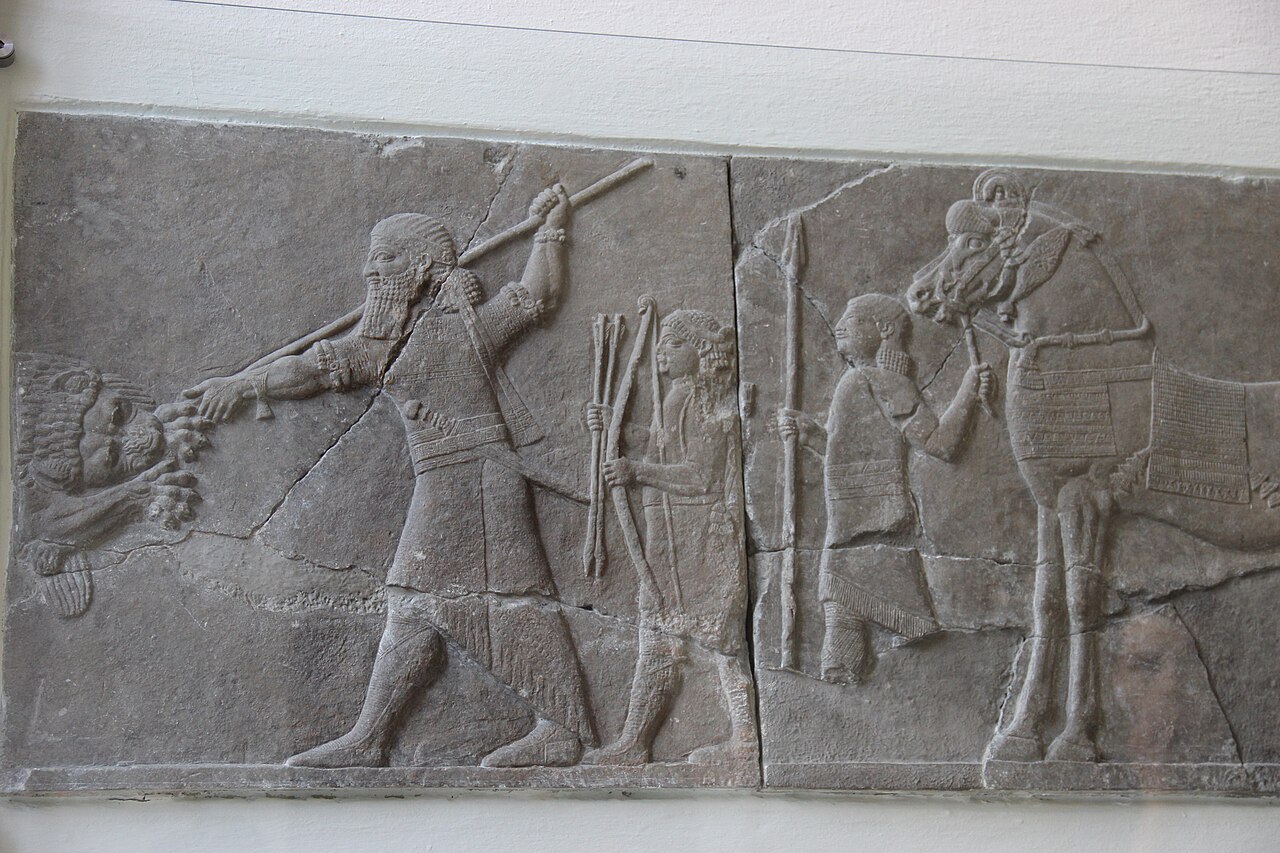 Sculpture
Primary source
Lion Hunt of Ashurbanipal
Assyrian royal sculptors · c. 645–635 BCE
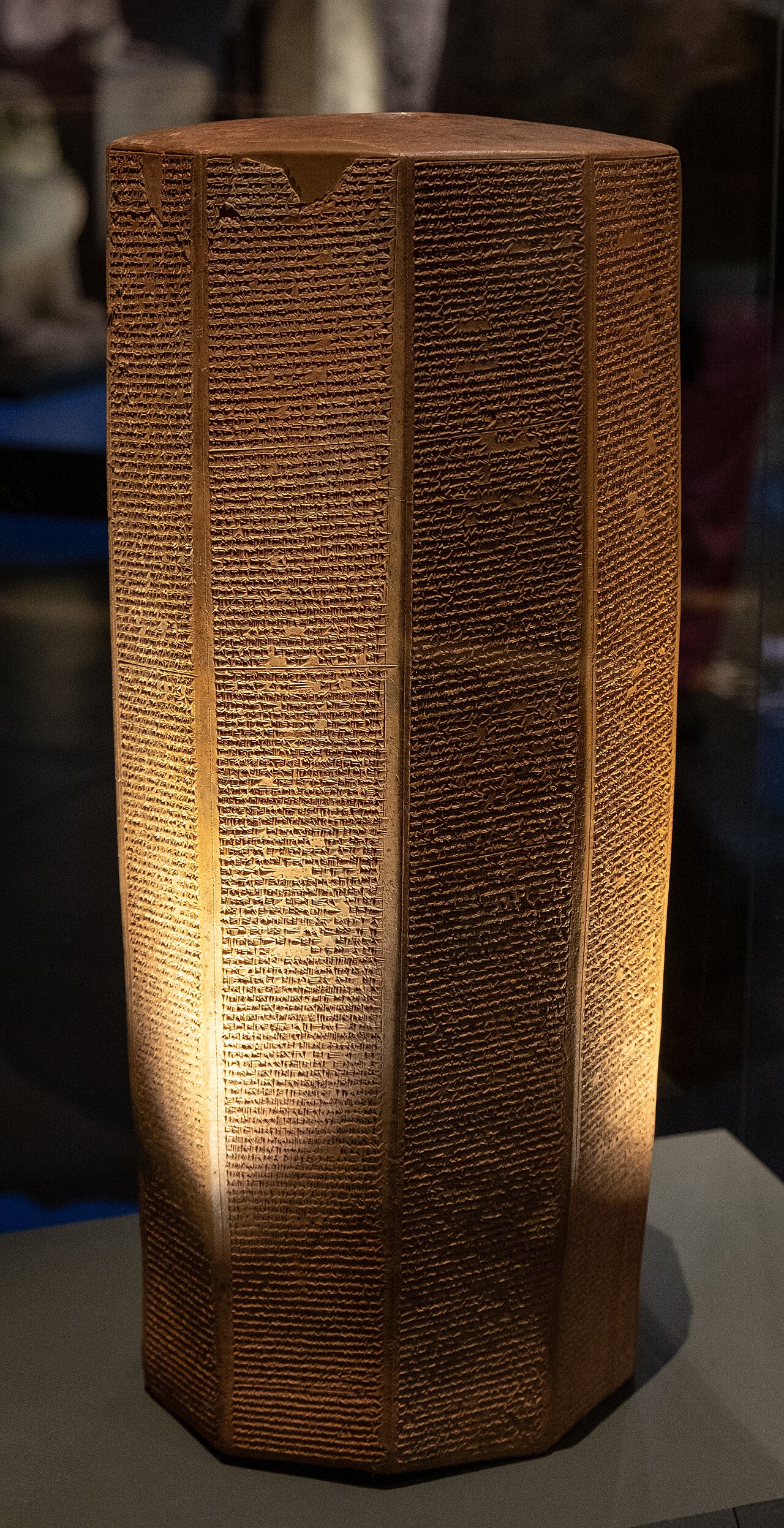 Document
Primary source
Rassam Prism of Ashurbanipal
643 BCE
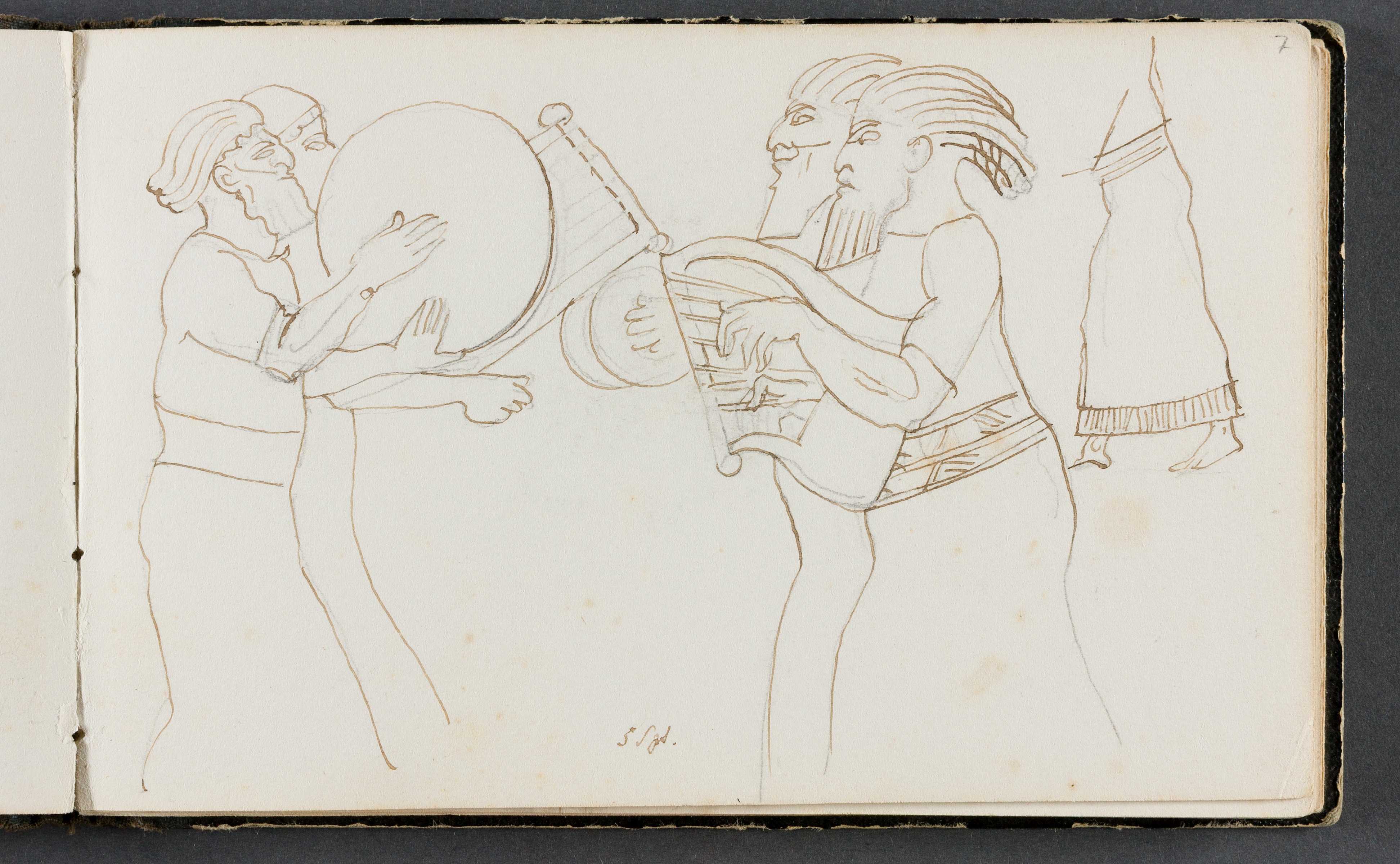 Painting
Secondary source
Relief with Musicians from the Palace of Ashurbanipal in Nineveh
 Document
Primary source
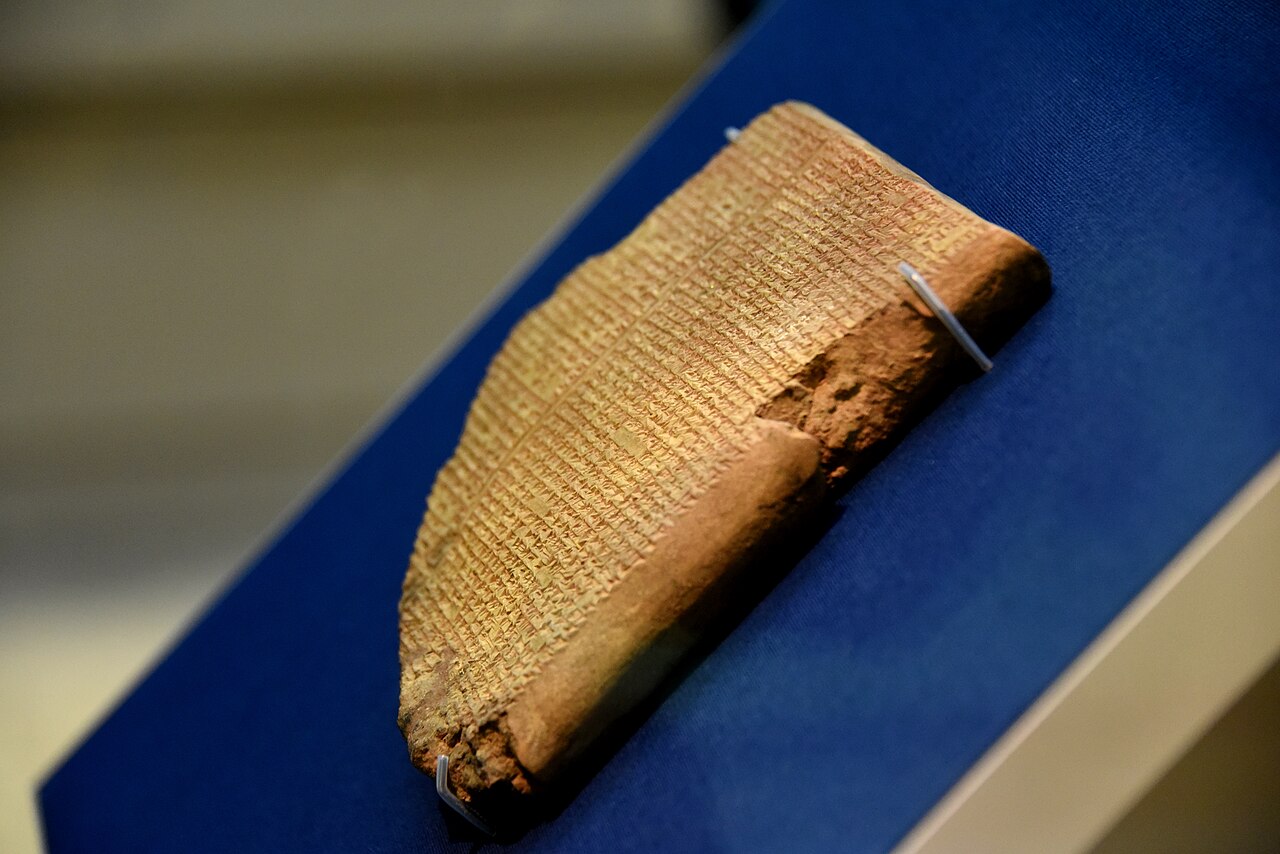
Flood Tablet
Scribes of Ashurbanipal's library · 7th century BCE
Ready when you are
Start chatting with Ashurbanipal now.
20 messages free · No credit card · Available in 50+ languages.