


Primary sourceDocument1461 AD (865 AH)
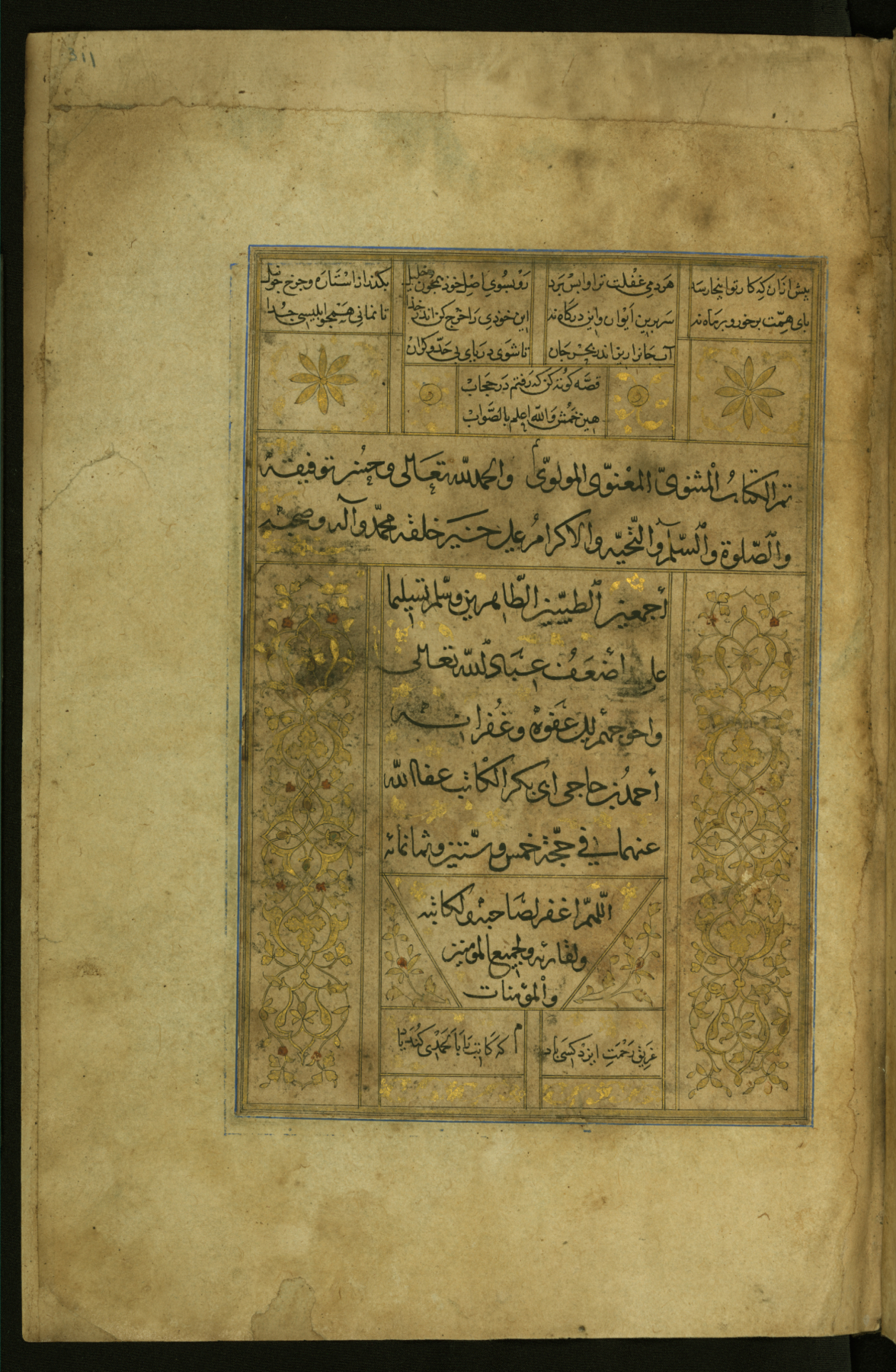
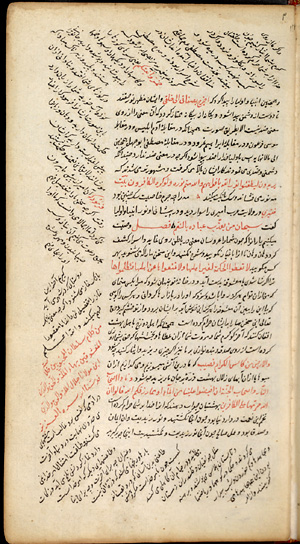
Illuminated Colophon of the Masnavi Manuscript
Ahmad ibn Hajji Abi Bakr al-Katib · 1461 AD (865 AH)
The closing page of a 1461 copy of Rumi's Masnavi, recording when and by whom it was copied.
This colophon closes a manuscript copy of Rumi's own poem, showing how his work was transmitted after his death.
About this source
What it is
This is the colophon, or closing page, of a manuscript copy of the Masnavi, the long poem written by Jalal al-Din Rumi. The copy was finished in 1461 (865 AH) by the scribe Ahmad ibn Hajji Abi Bakr al-Katib. The page is decorated with gold floral borders and blue-ruled margins, with the Arabic text written in black ink.
Why it matters
Colophons are where scribes recorded their work, asking for God's mercy on themselves and on future readers. This one shows how Rumi's poetry, written two centuries earlier, kept being copied by hand and valued long after his death. It is evidence of the chain of copying that carried his words forward.
Look closer
- What details does the scribe give about himself and his work?
- Why might a scribe decorate a closing page so richly?
- What does this page tell you about how texts spread before printing?
This document is part of the curated material that grounds the AI version of Rumi (Jalāl ad-Dīn Muhammad Rūmī) on Humy.ai — when students ask about related events, the AI can quote it and cite it.
More Rumi (Jalāl ad-Dīn Muhammad Rūmī) sources
Meet the AI Rumi (Jalāl ad-Dīn Muhammad Rūmī) →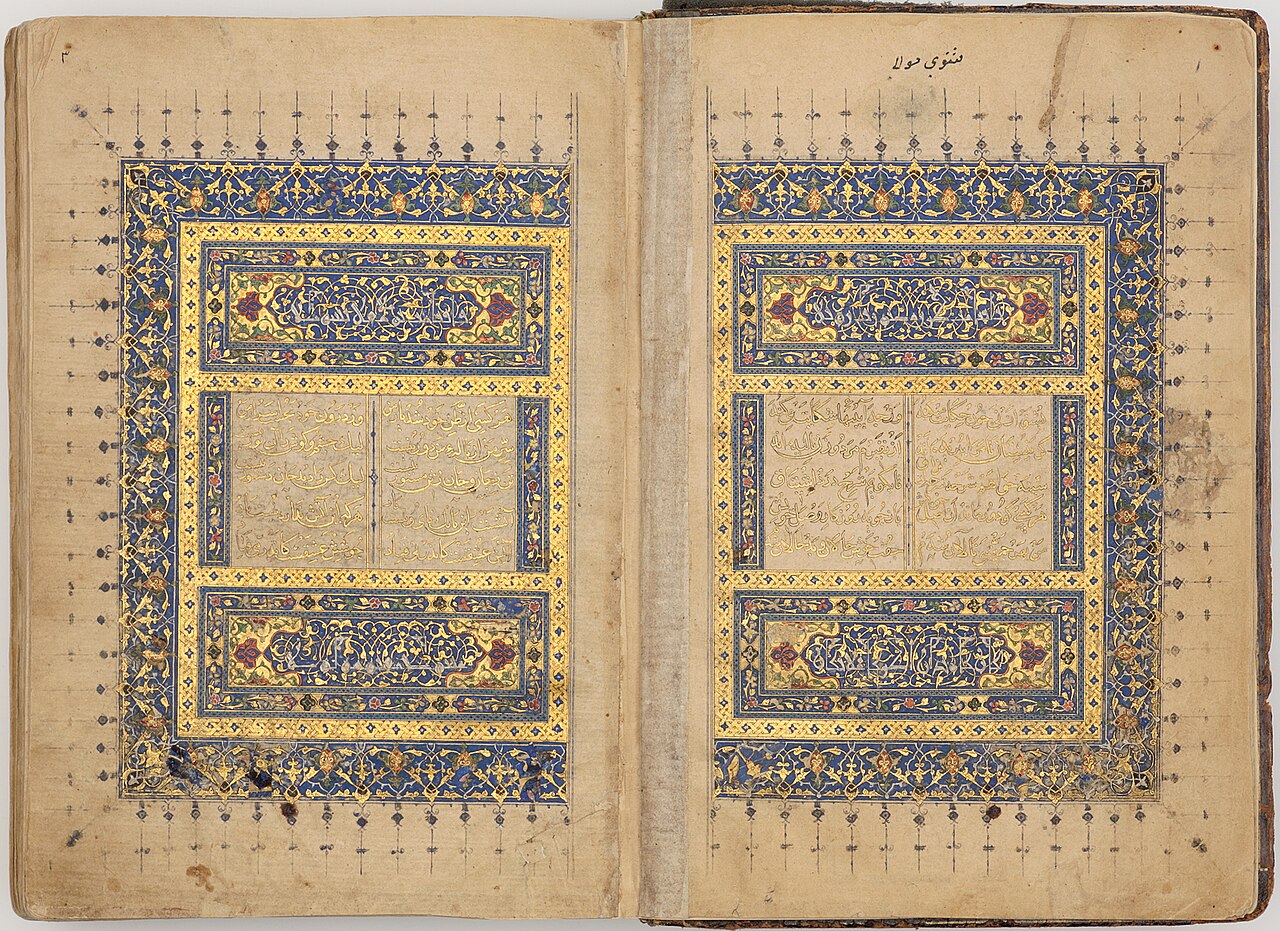 Book
Primary source
Masnavi
Rumi · c. 1258-1273
 Book
Primary source
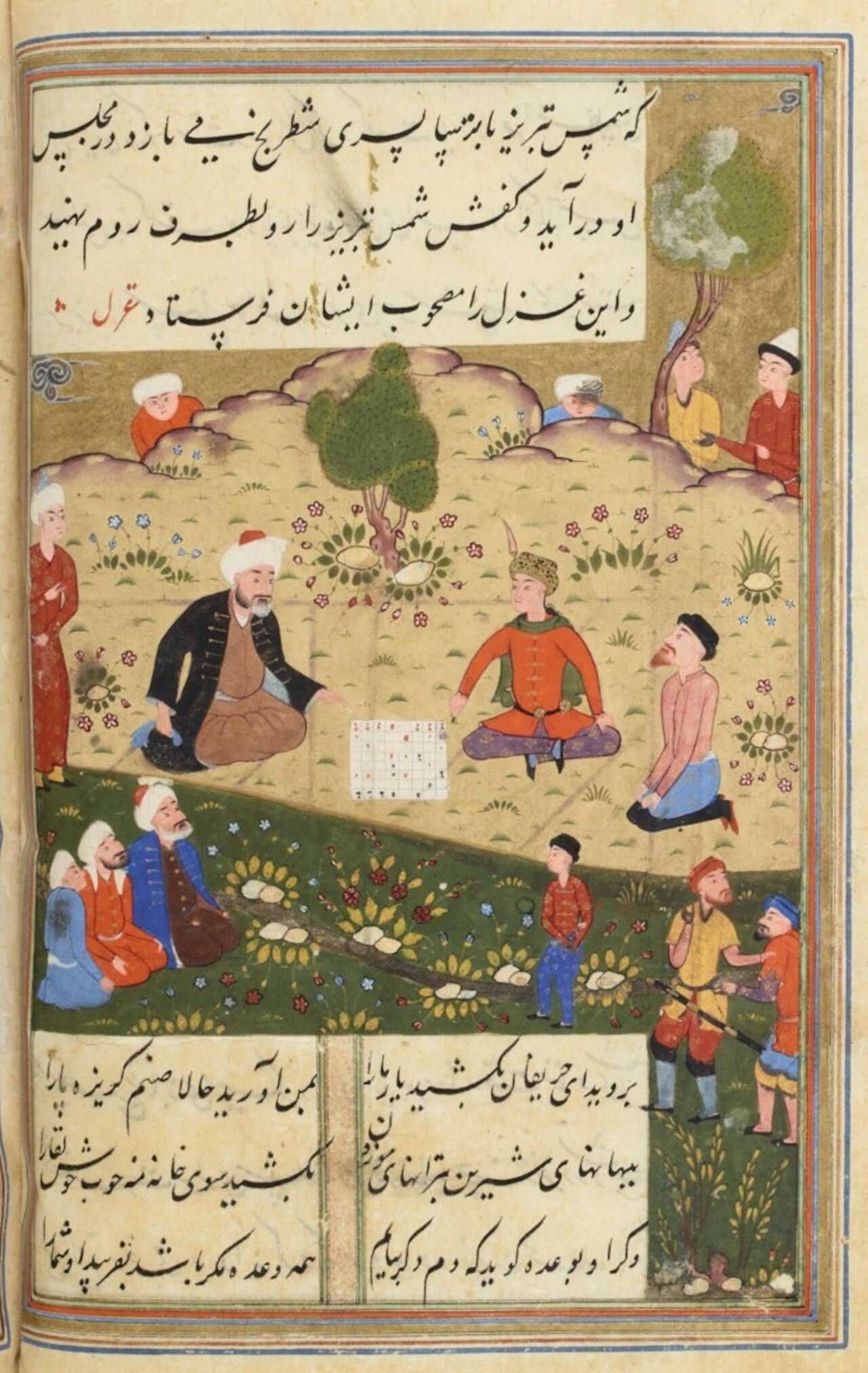
Diwan-e Shams-e Tabrizi
Rumi · c. 1247 onward
 Artifact
Secondary source
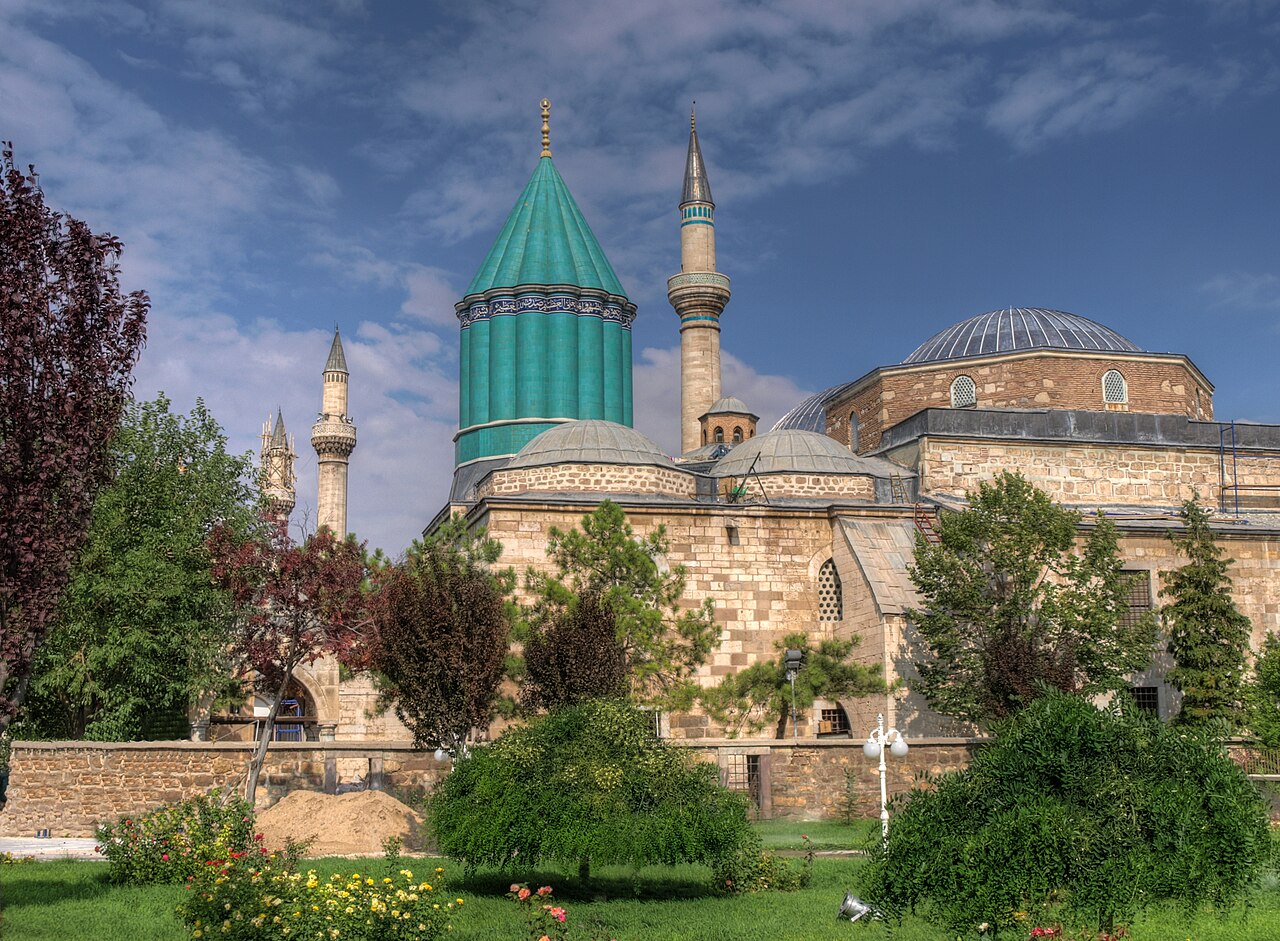
Grave of Rumi
soon after 1273
 Book
Primary source
Fihi Ma Fihi
Rumi · c. 1260-1273
 Artifact
Secondary source
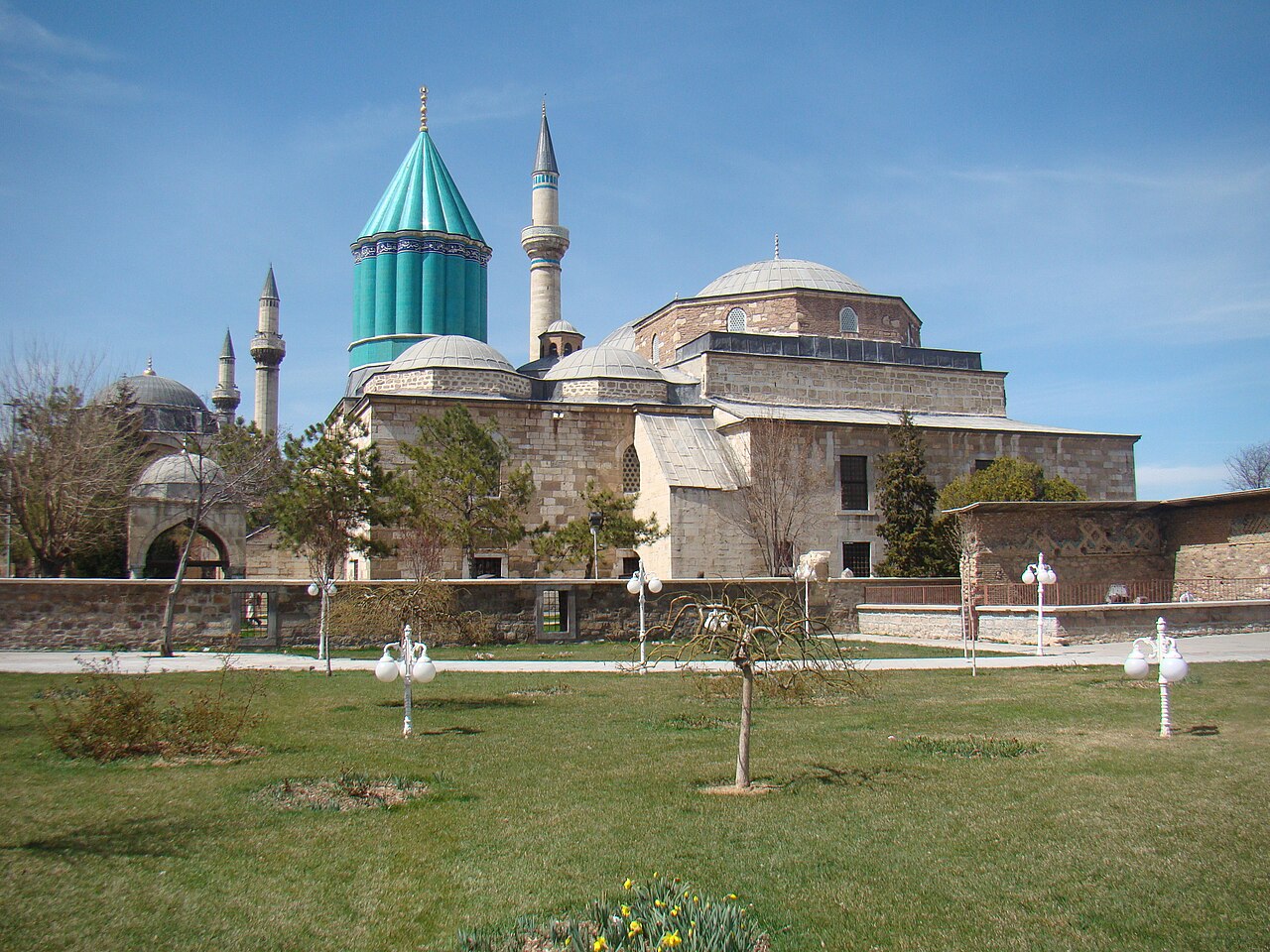
Mevlâna Museum
Badr al-Din Tabrizi (architect) · built soon after 1273; museum since 1926
Ready when you are
Start chatting with Rumi (Jalāl ad-Dīn Muhammad Rūmī) now.
20 messages free · No credit card · Available in 50+ languages.