


Primary sourcePainting1663
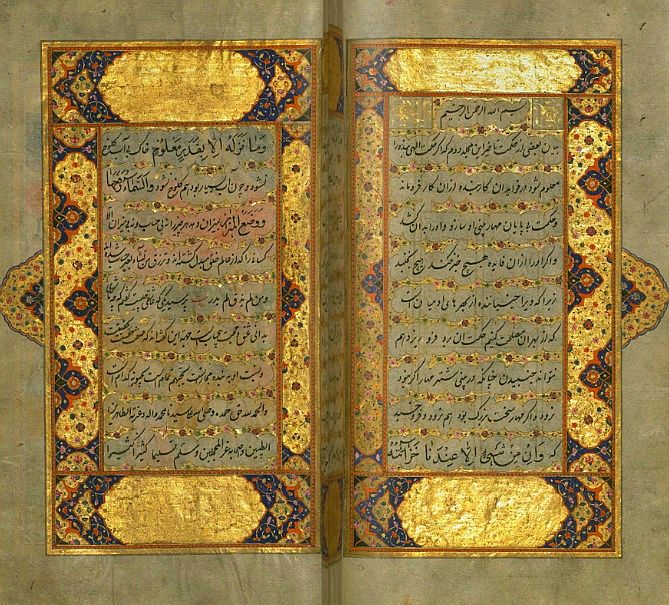
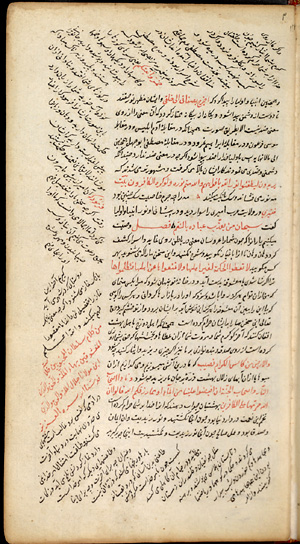
Illuminated Masnavi Manuscript in Nastaliq Script, India, 1663
Rumi · 1663
A double-page spread from an illuminated 1663 Indian manuscript of Rumi's Masnavi, written in elegant Nastaliq script.
A decorated manuscript copy of Rumi's own poem, showing how richly his work was preserved after his death.
About this source
What it is
This is a double-page spread from an illuminated manuscript of Rumi's Masnavi-ye Manavi, copied in India in 1663 in Nastaliq script. The page is decorated with gold and blue borders and corner medallions surrounding the Persian calligraphy.
Why it matters
The careful decoration and fine script show the high value placed on Rumi's poetry by later copyists and patrons in India. It demonstrates how his work traveled far from its original Persian-speaking context and was treasured as both literature and art.
- What details in the decoration suggest this manuscript was made for someone wealthy or important?
- How does the appearance of the page affect how you think about the words it contains?
- What is missing from this image that would help you understand what the text actually says?
This painting is part of the curated material that grounds the AI version of Rumi (Jalāl ad-Dīn Muhammad Rūmī) on Humy.ai — when students ask about related events, the AI can quote it and cite it.
More Rumi (Jalāl ad-Dīn Muhammad Rūmī) sources
Meet the AI Rumi (Jalāl ad-Dīn Muhammad Rūmī) →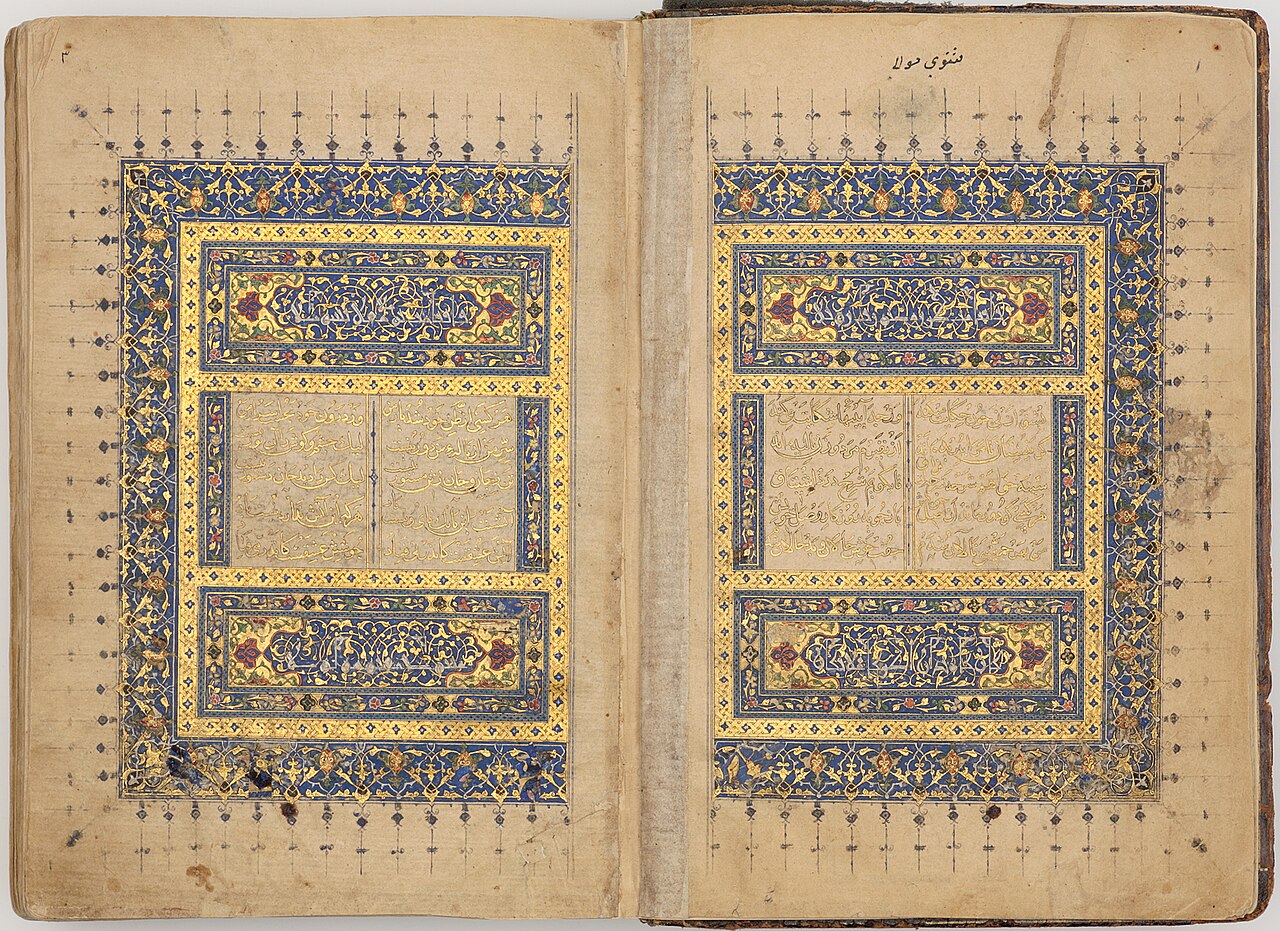 Book
Primary source
Masnavi
Rumi · c. 1258-1273
 Book
Primary source
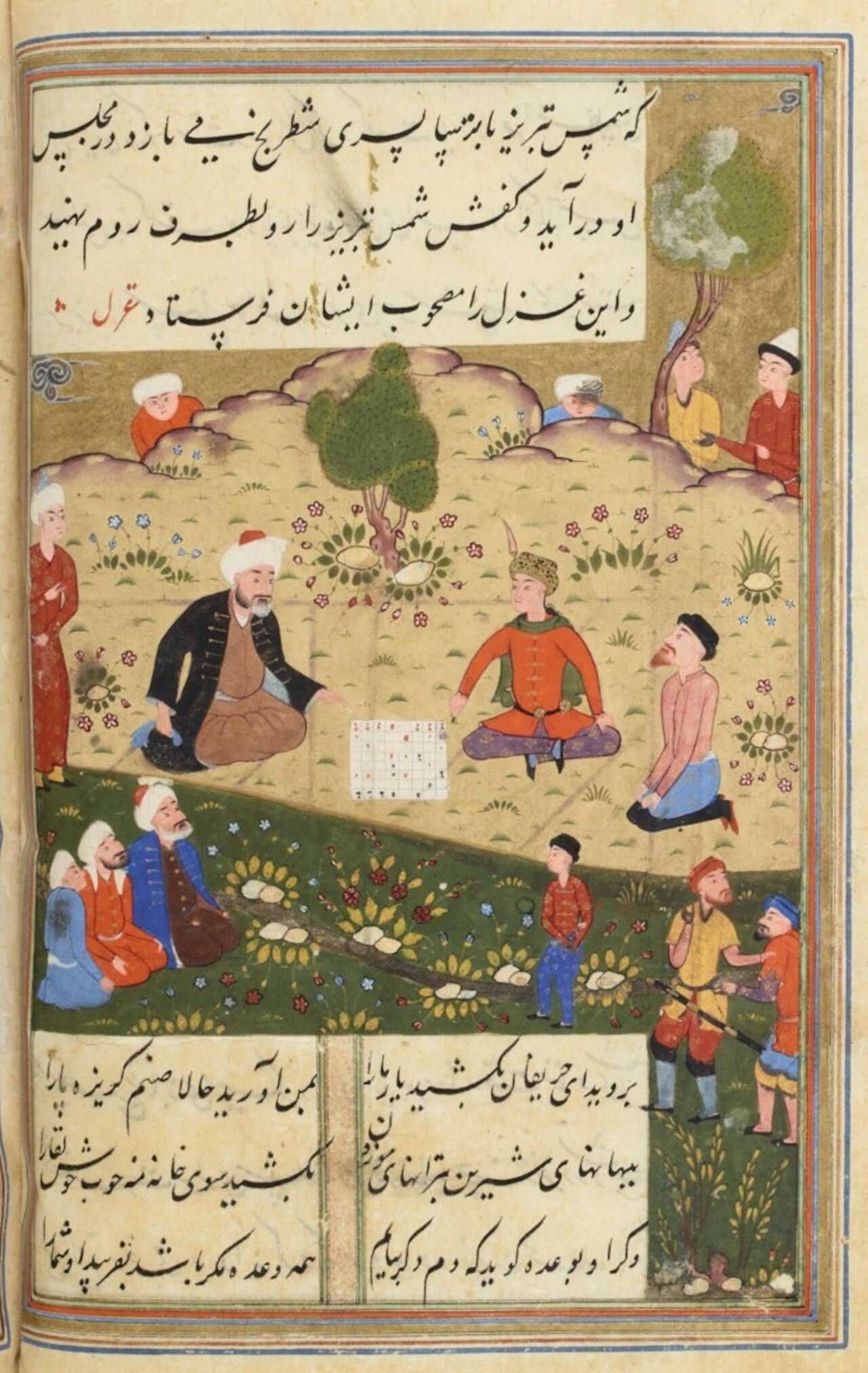
Diwan-e Shams-e Tabrizi
Rumi · c. 1247 onward
 Artifact
Secondary source
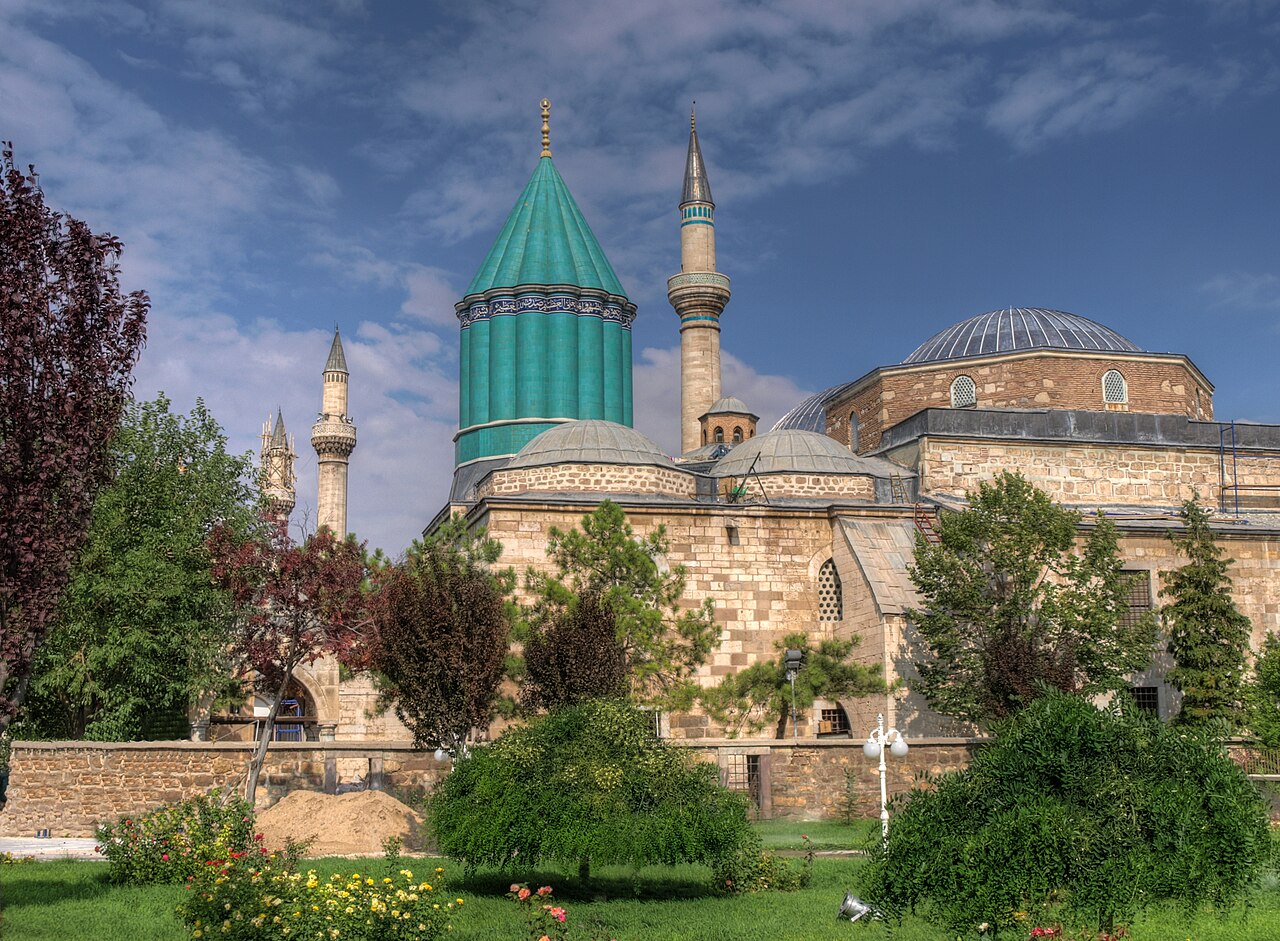
Grave of Rumi
soon after 1273
 Book
Primary source
Fihi Ma Fihi
Rumi · c. 1260-1273
 Artifact
Secondary source
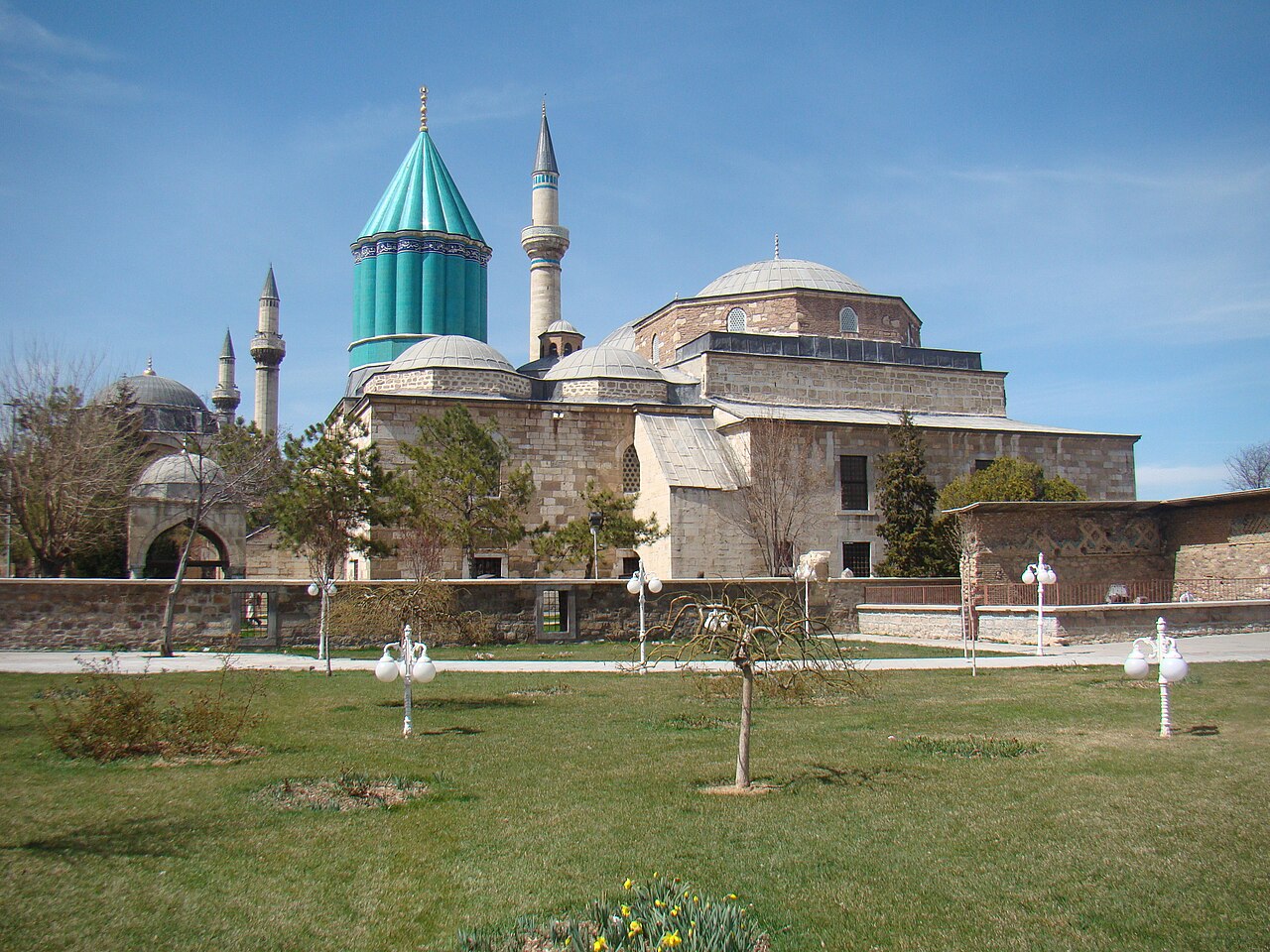
Mevlâna Museum
Badr al-Din Tabrizi (architect) · built soon after 1273; museum since 1926
Ready when you are
Start chatting with Rumi (Jalāl ad-Dīn Muhammad Rūmī) now.
20 messages free · No credit card · Available in 50+ languages.