


Secondary sourcePainting1961
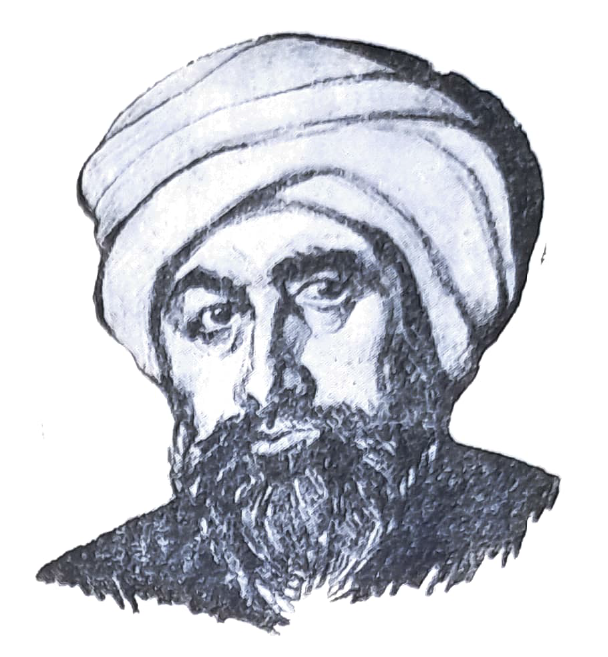
Imaginary Sketch of Jalal al-Din Rumi
Unknown author · 1961
A 1961 imagined portrait of Rumi, created centuries after his death with no basis in a real likeness.
An imagined, non-historical portrait created in 1961 to represent Rumi, as no real likeness of him survives.
About this source
What it is
This is a black-and-white engraved-style sketch made in 1961, imagining what Jalal al-Din Rumi might have looked like. It shows a bearded man in a large white turban, created by an unknown artist long after Rumi's lifetime.
Why it matters
Because Rumi lived in the thirteenth century, no contemporary portrait of him exists. Images like this one reveal how later artists and cultures imagined and represented famous historical figures, often using symbols like the turban to signal religious or scholarly status, rather than recording an actual likeness.
Look closer
- Since no real portrait of Rumi survives, what clues tell us this image is imagined rather than historical?
- Why might an artist in 1961 choose to create such an image, and for what purpose?
- What assumptions about Rumi's appearance does the artist seem to be making?
This painting is part of the curated material that grounds the AI version of Rumi (Jalāl ad-Dīn Muhammad Rūmī) on Humy.ai — when students ask about related events, the AI can quote it and cite it.
More Rumi (Jalāl ad-Dīn Muhammad Rūmī) sources
Meet the AI Rumi (Jalāl ad-Dīn Muhammad Rūmī) →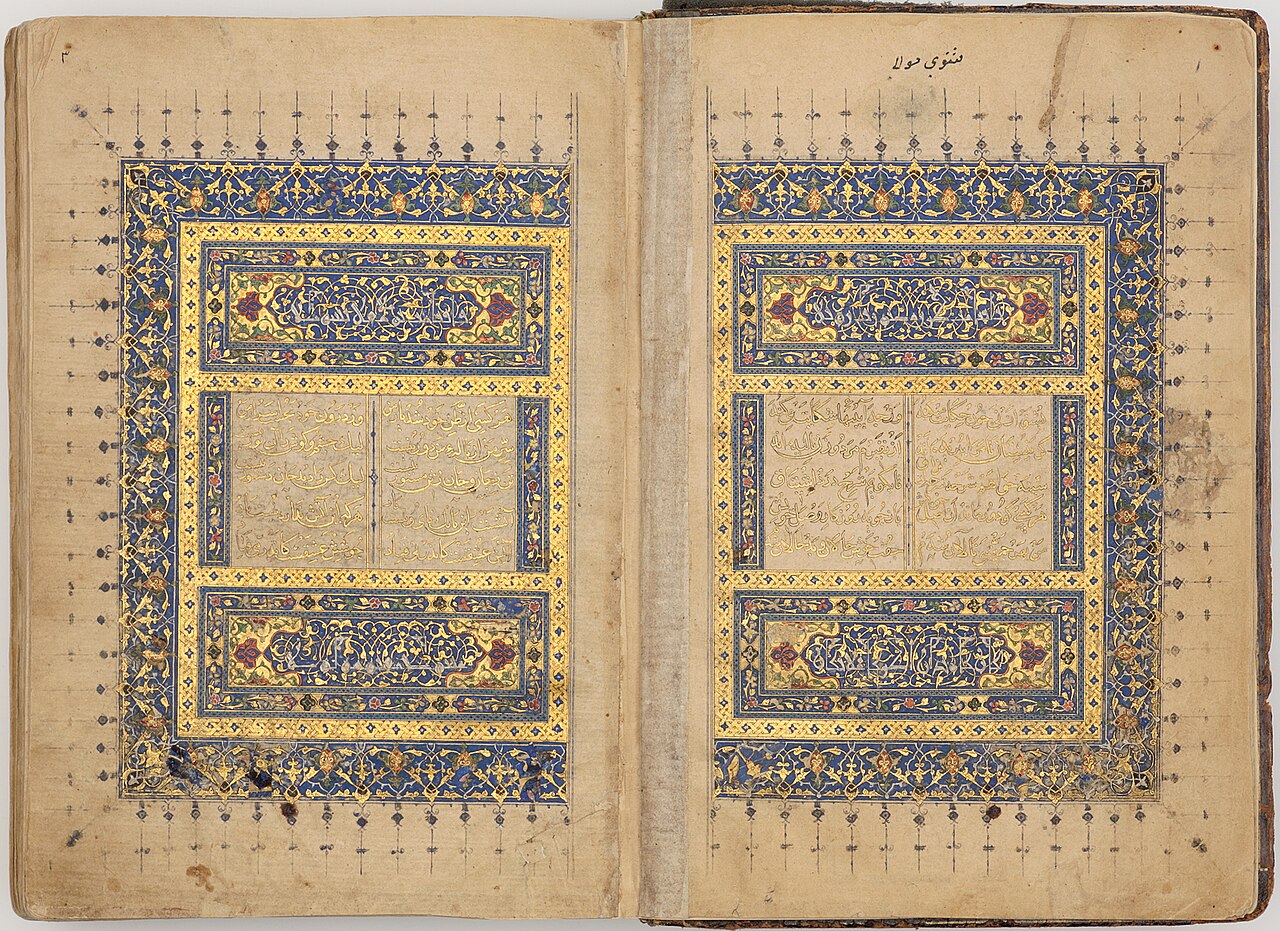 Book
Primary source
Masnavi
Rumi · c. 1258-1273
 Book
Primary source
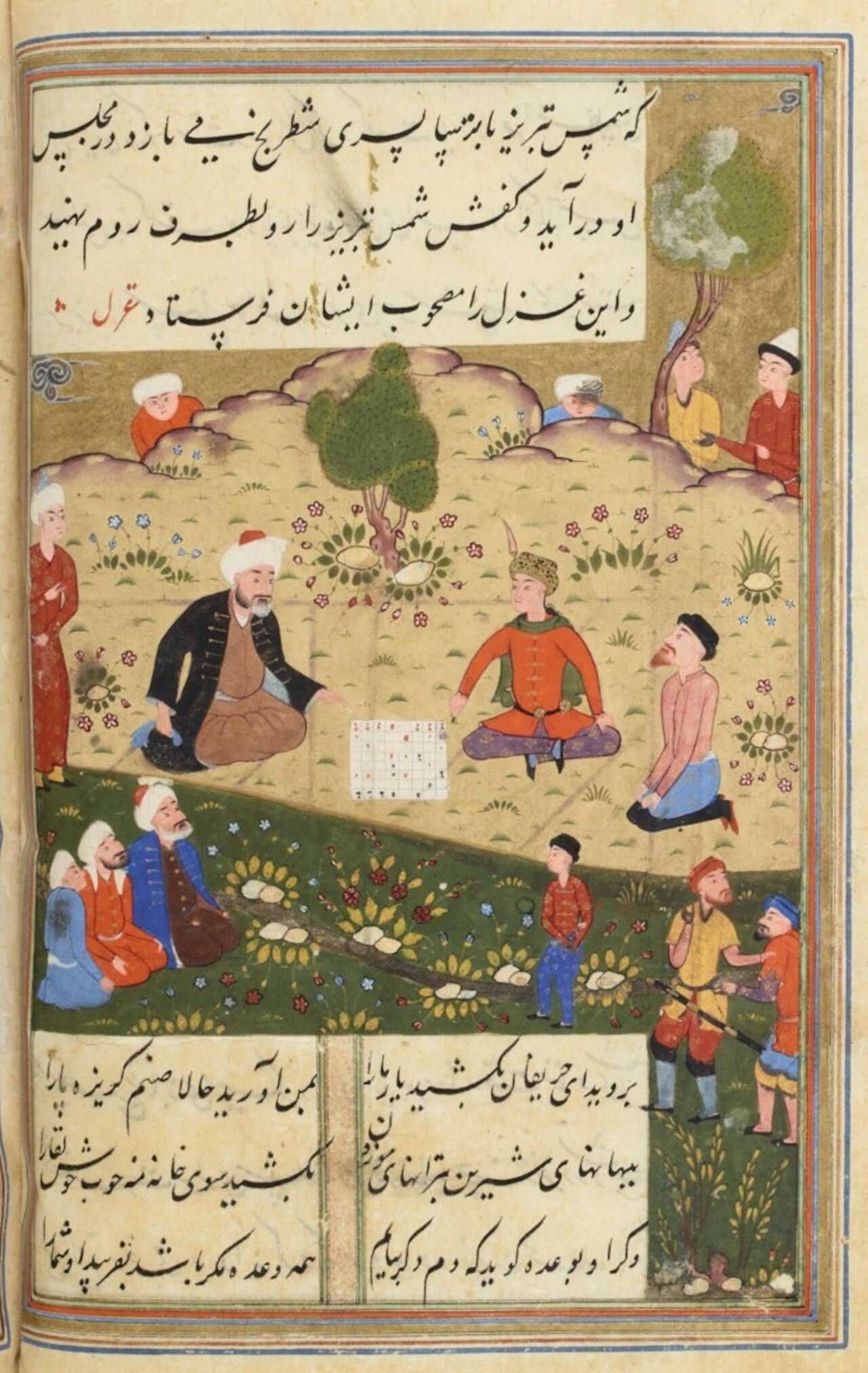
Diwan-e Shams-e Tabrizi
Rumi · c. 1247 onward
 Artifact
Secondary source
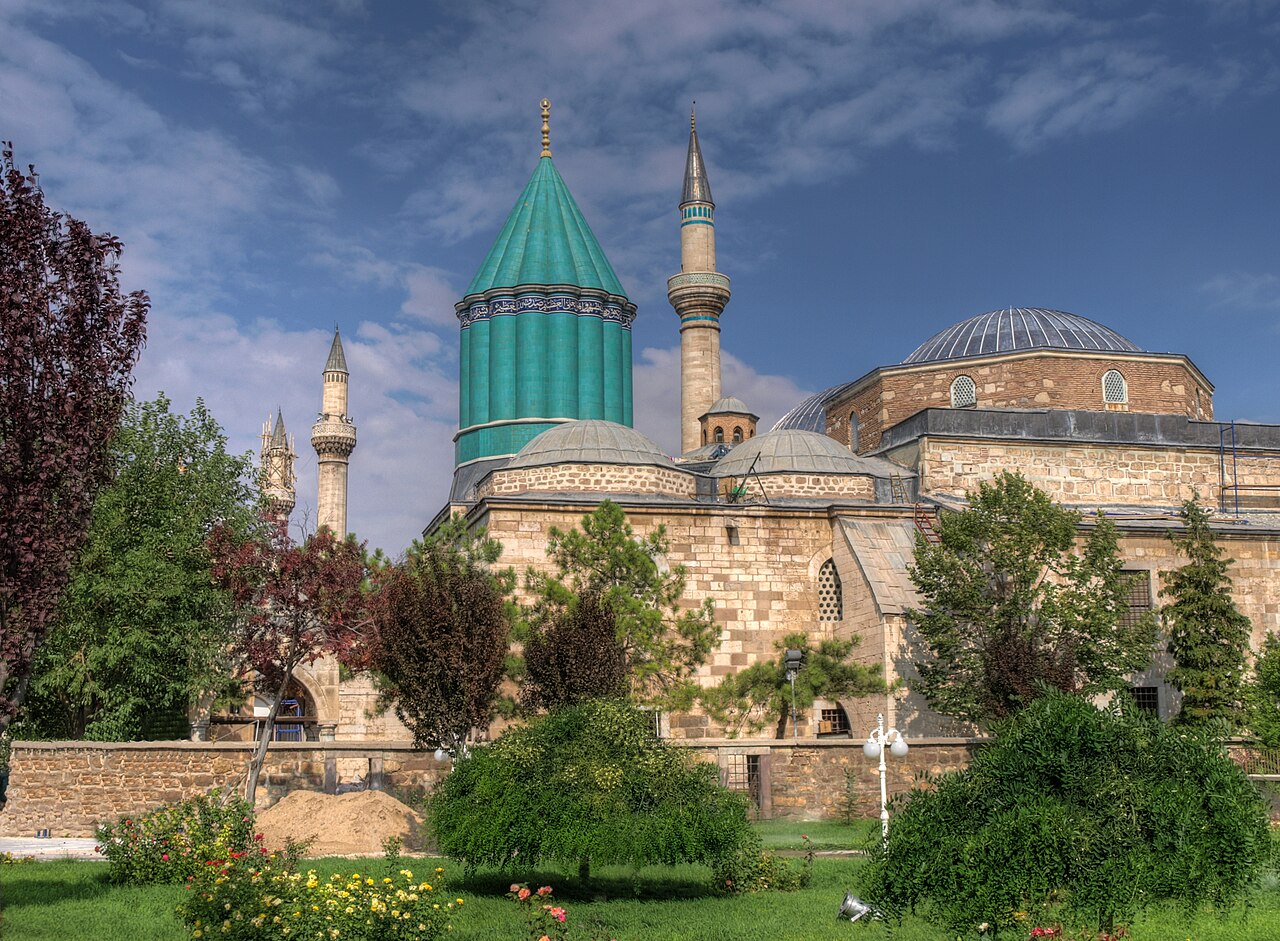
Grave of Rumi
soon after 1273
 Book
Primary source
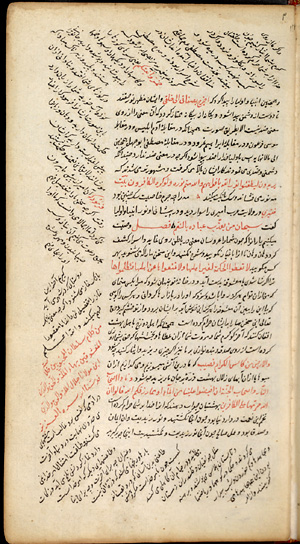
Fihi Ma Fihi
Rumi · c. 1260-1273
 Artifact
Secondary source
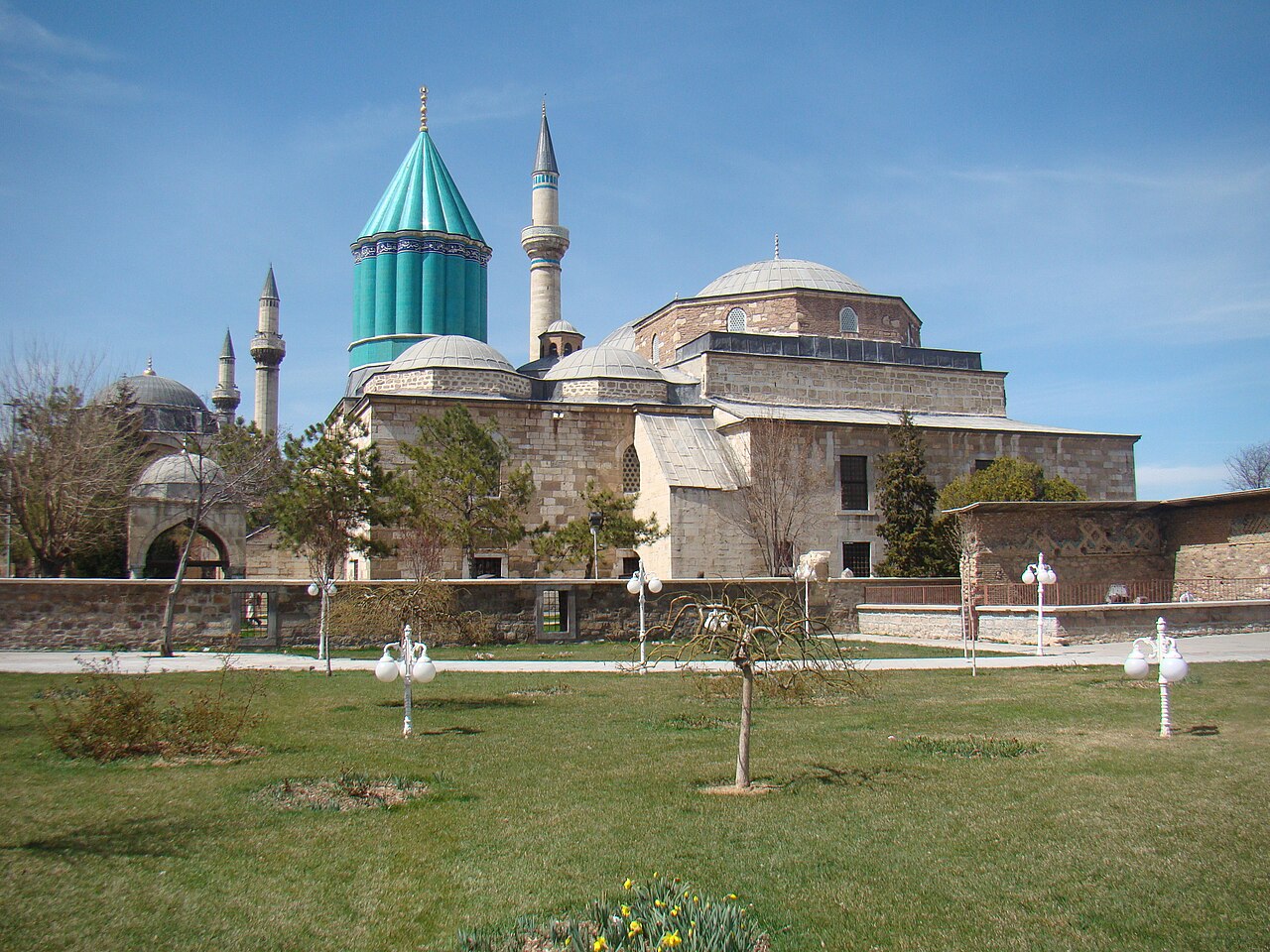
Mevlâna Museum
Badr al-Din Tabrizi (architect) · built soon after 1273; museum since 1926
Ready when you are
Start chatting with Rumi (Jalāl ad-Dīn Muhammad Rūmī) now.
20 messages free · No credit card · Available in 50+ languages.