


Secondary sourceBookEarly 20th century
Introduction to Moral Letters to Lucilius
Richard Mott Gummere · Early 20th century
A scholarly introduction by Richard Mott Gummere explaining the purpose and style of Seneca's letters to Lucilius.
This introduction summarizes Seneca's biography and explains the significance of his surviving letters.
About this source
What it is
This is an introductory essay written by Richard Mott Gummere to accompany his translation of Seneca's Moral Letters to Lucilius. It was published on Wikisource and summarizes Seneca's life and the nature of his famous letters.
Why it matters
The introduction explains why Seneca remains interesting to readers: born in Spain, educated in Rome, he rose to become a trusted advisor to the emperor and was eventually forced into exile before being targeted by the unpredictable Emperor Caligula. It connects Seneca's personal story—his family, his career, and his brother Gallio, mentioned in the New Testament—to the turbulent politics of early Imperial Rome.
Look closer
- Why does the author call Seneca's life 'dramatic'? What events might justify that description?
- How does learning about Seneca's family and career help us understand his writings?
- This essay was written long after Seneca died—what might it get right, and what might it miss?
This book is part of the curated material that grounds the AI version of Seneca on Humy.ai — when students ask about related events, the AI can quote it and cite it.
More Seneca sources
Meet the AI Seneca →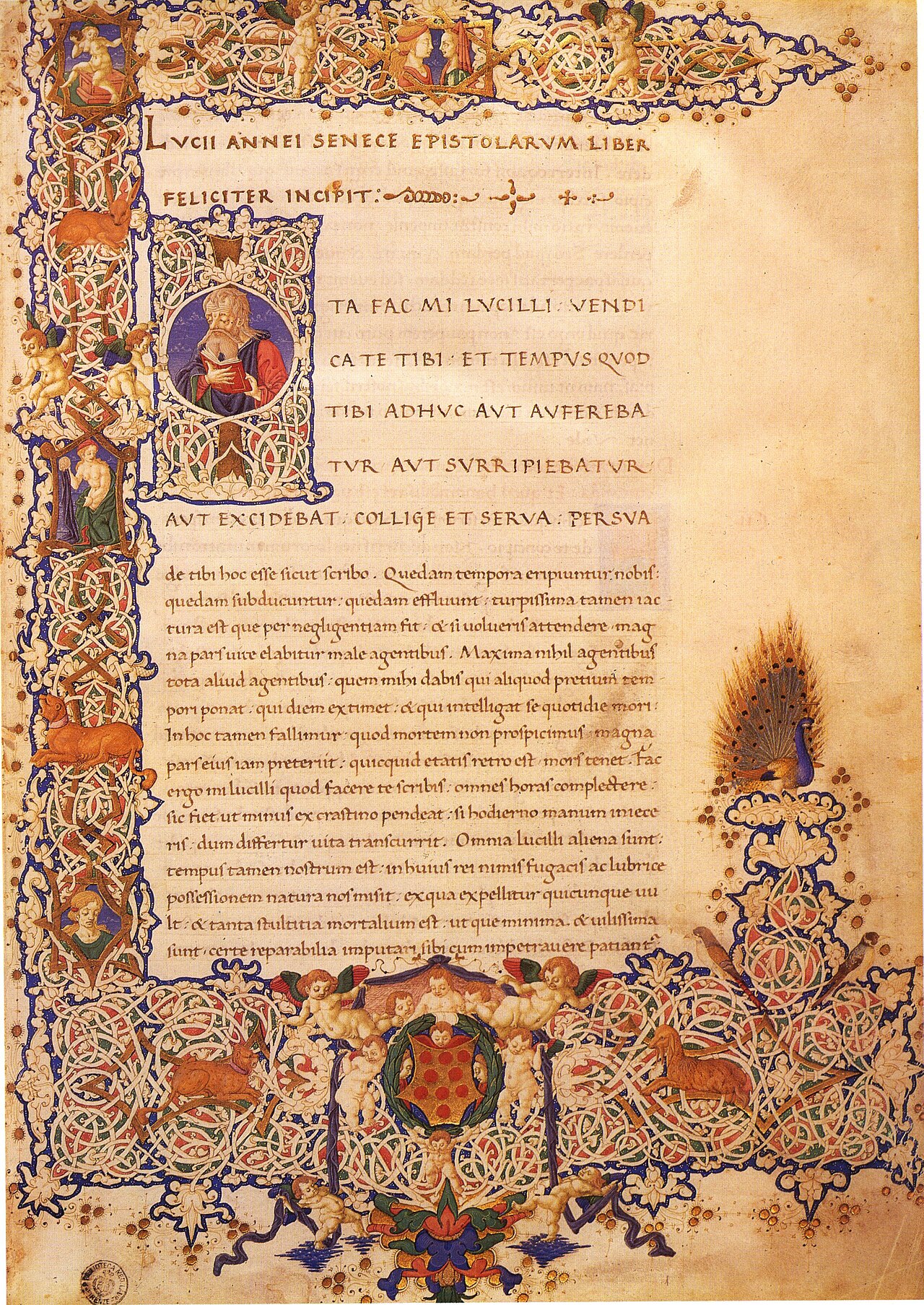 Letter
Primary source
Epistulae Morales ad Lucilium
Seneca · c. 62-65 CE
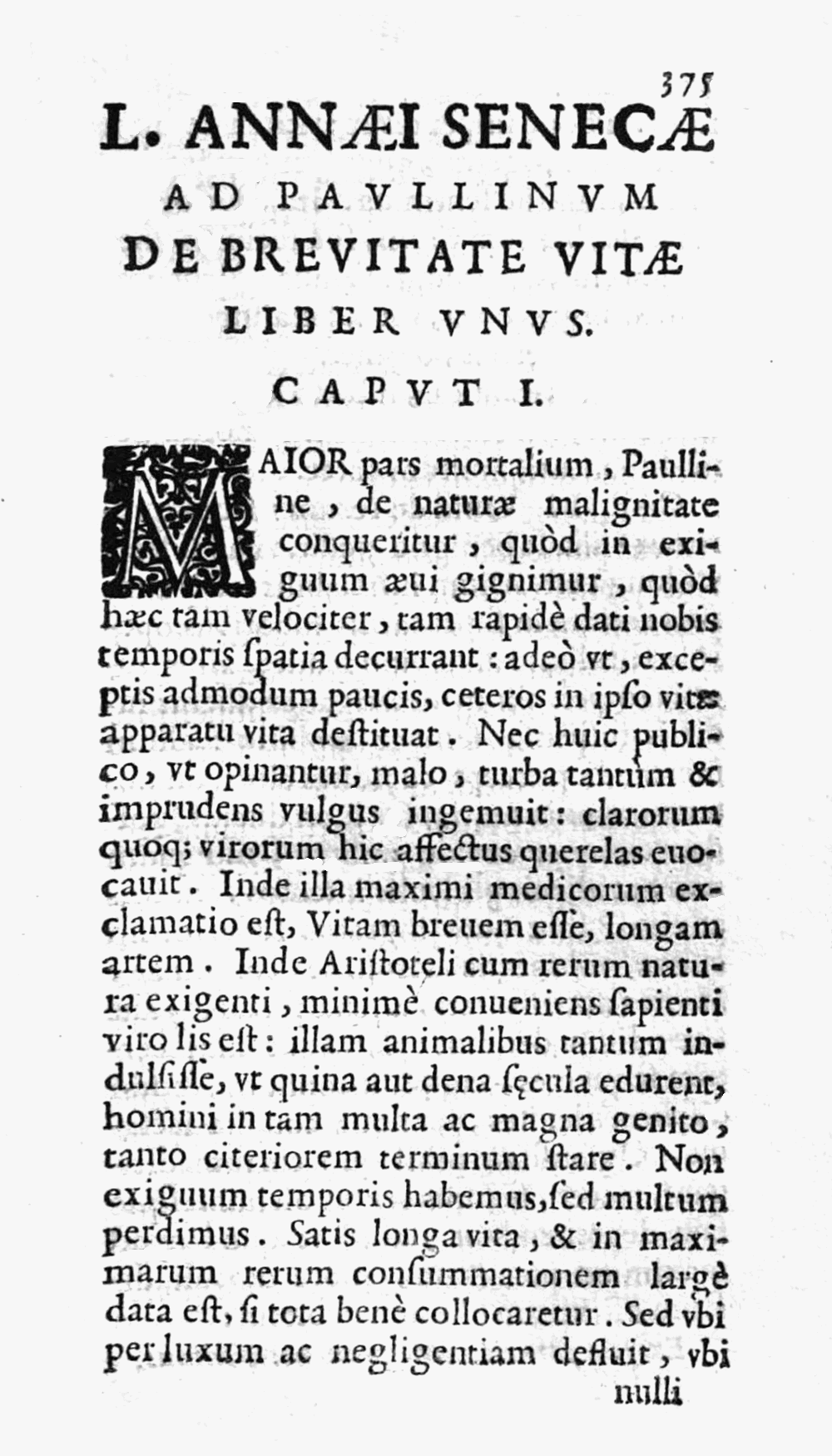 Book
Primary source
De Brevitate Vitae
Seneca · c. 49 CE
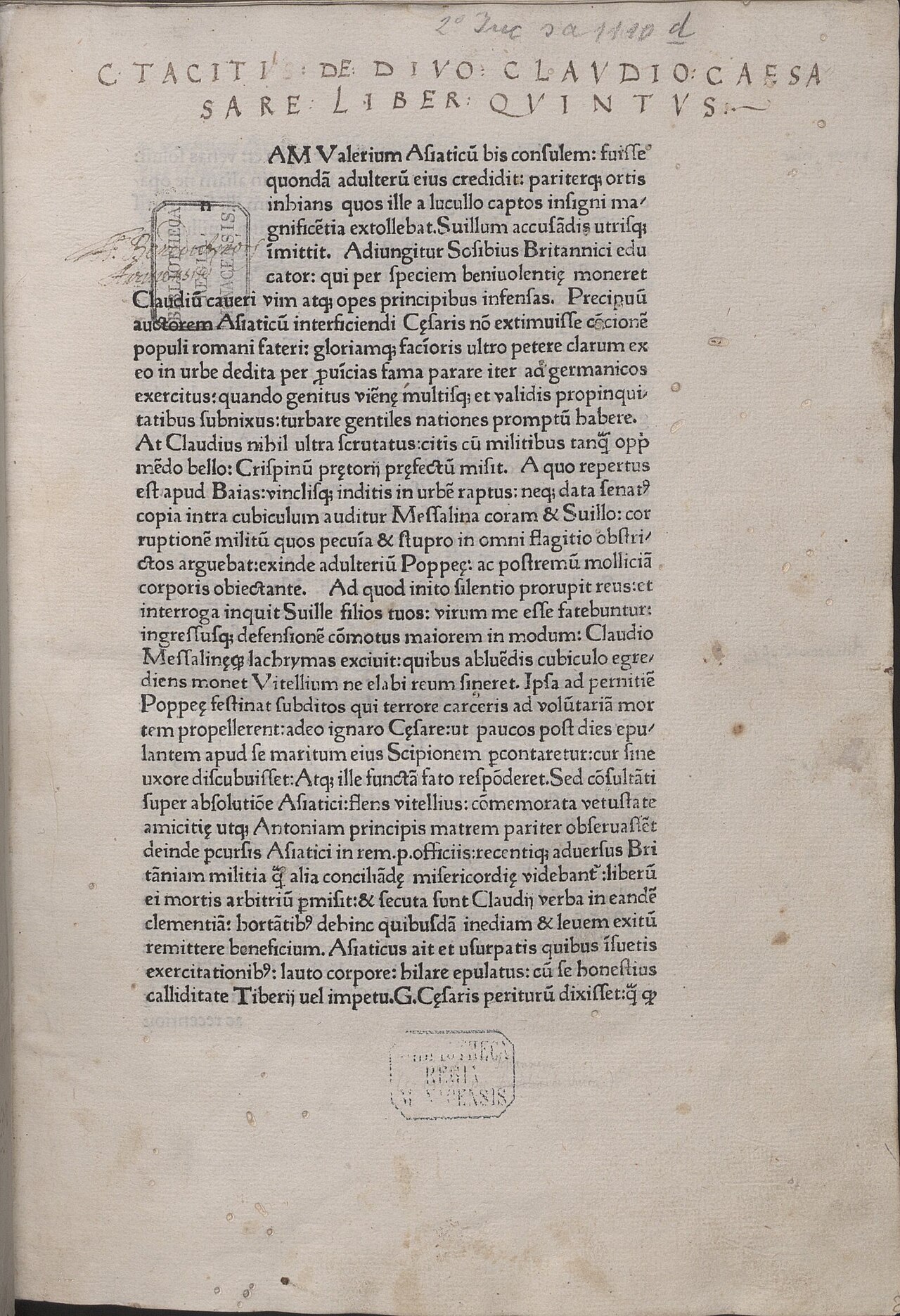 Book
Secondary source
Annals
Tacitus · c. AD 116 or later
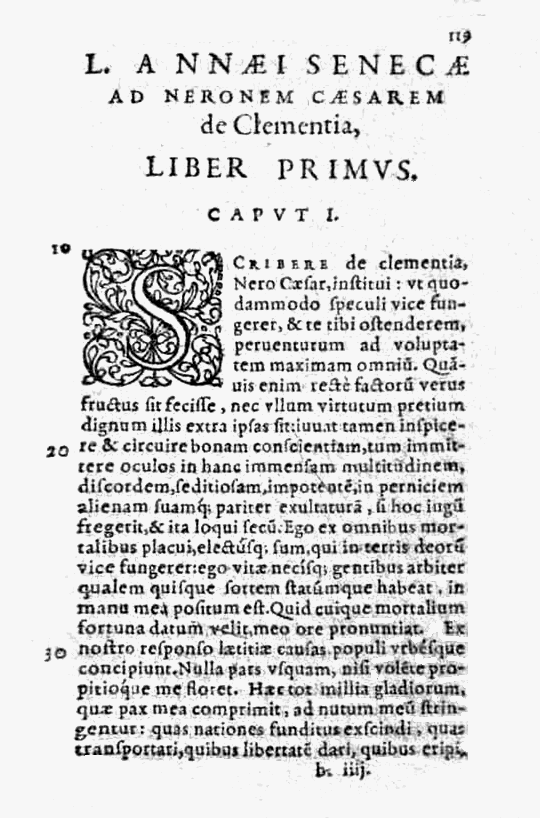 Book
Primary source
De Clementia
Seneca · 55-56 CE
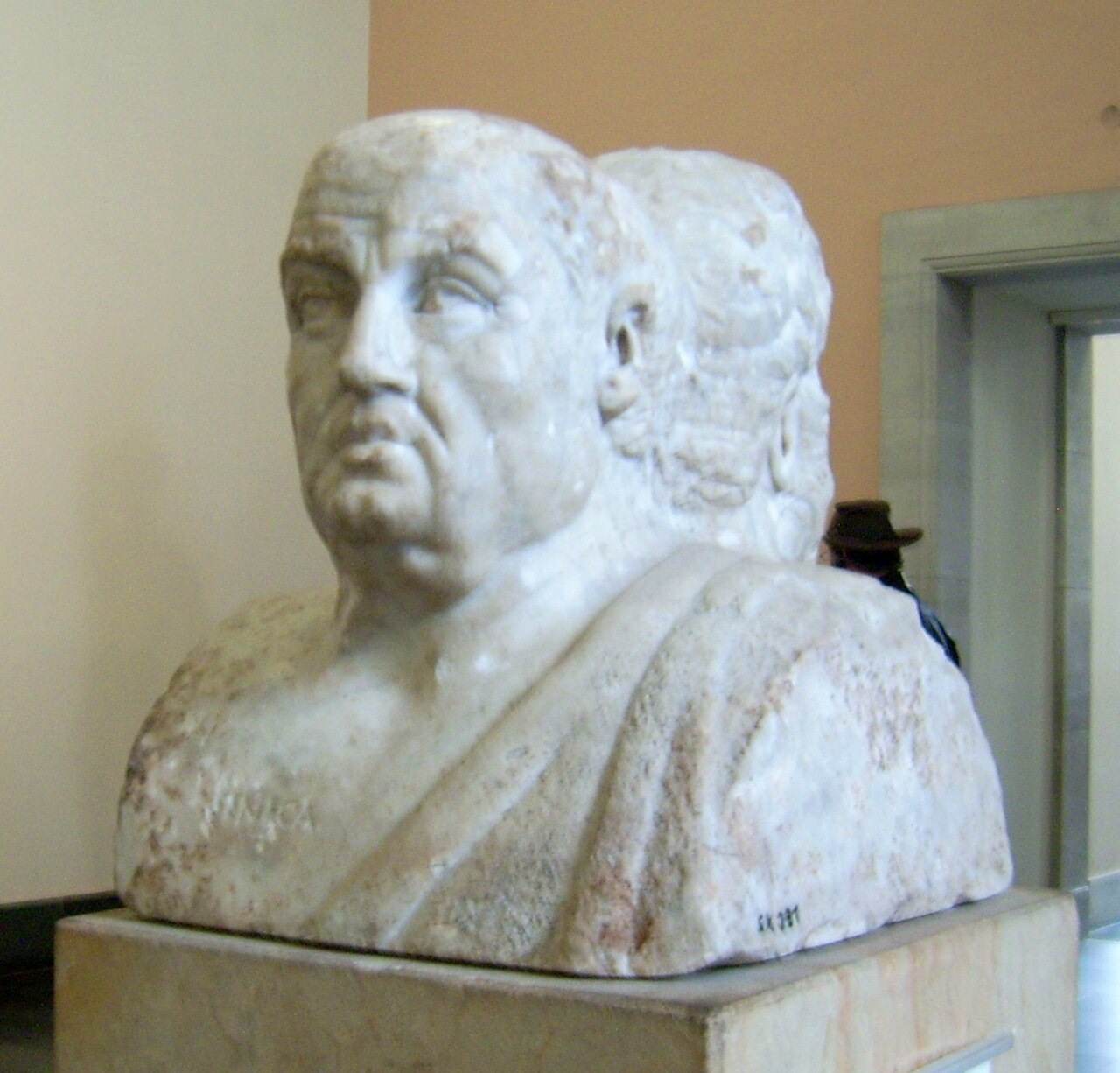 Sculpture
Secondary source
Double Herm of Socrates and Seneca
first half of the 3rd century AD
Ready when you are
Start chatting with Seneca now.
20 messages free · No credit card · Available in 50+ languages.