


Primary sourceBook
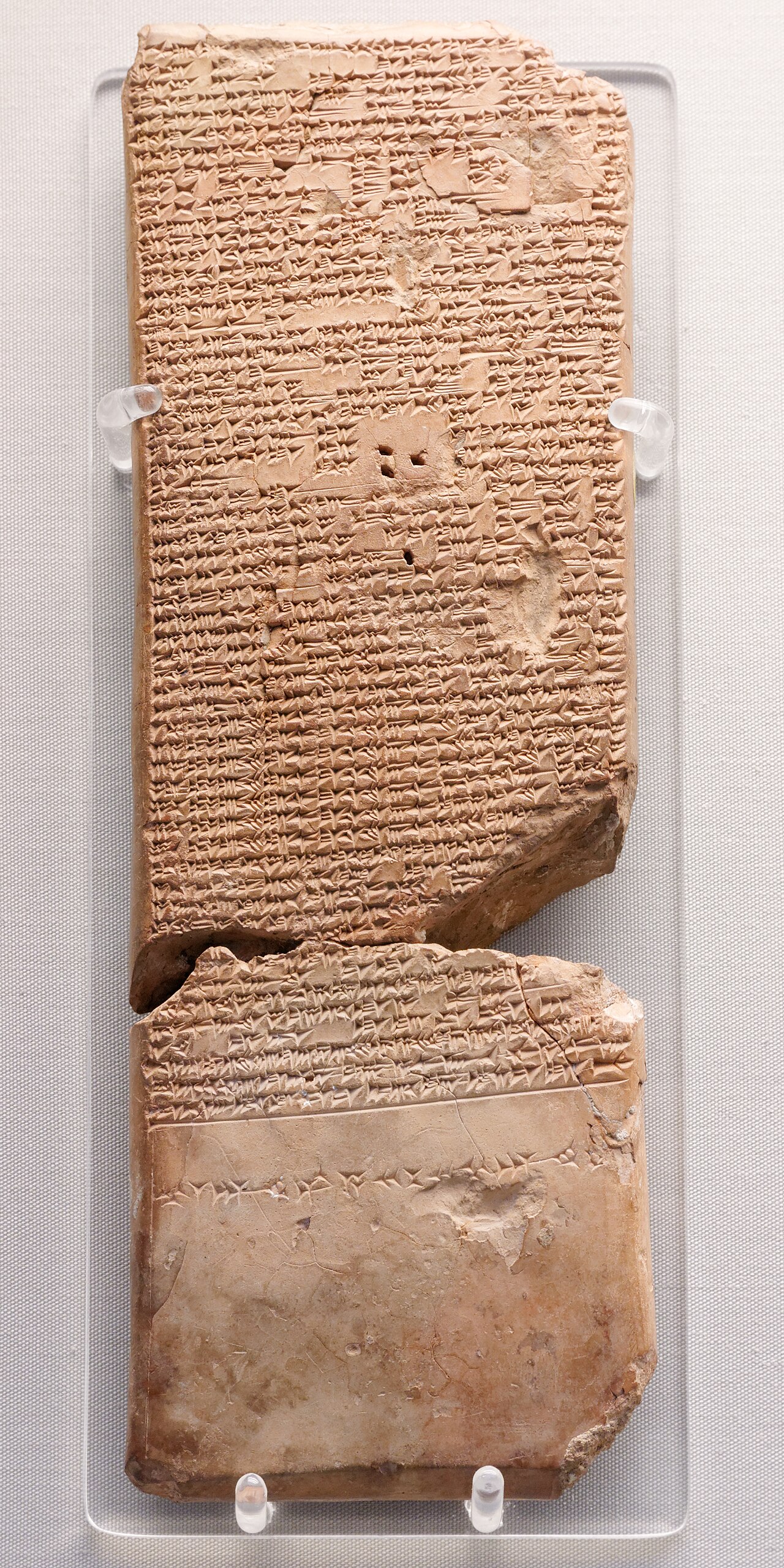
Ishtar's Descent to the Underworld tablet
A cuneiform tablet copy of the Akkadian story of Ishtar's Descent into the Underworld, from the library of Ashurbanipal, now in the British Museum.
This tablet comes from Ashurbanipal's own library, showing the texts he collected and kept.
About this source
What it is
This is a clay tablet copy of the Akkadian version of Ishtar's Descent into the Underworld, from the library of Ashurbanipal. The tablet is broken into an upper and lower piece. The upper section is densely covered in wedge-shaped script, and the lower piece has a ruled line and fewer marks. It is held in the British Museum in London. The photograph was taken by Marie-Lan Nguyen and uploaded on 11 December 2012.
Why it matters
Ashurbanipal, who ruled Assyria from 685 to 631 BCE, collected and copied texts, and this tablet shows that his library preserved older Mesopotamian stories. Copying these tales helped scribes keep them alive for later readers.
Look closer
- How is the tablet broken, and how does the damage affect what can be read?
- Why would a king keep a copy of a story about a goddess?
- What might be missing from a tablet that survives only in pieces?
This book is part of the curated material that grounds the AI version of Ashurbanipal on Humy.ai — when students ask about related events, the AI can quote it and cite it.
More Ashurbanipal sources
Meet the AI Ashurbanipal →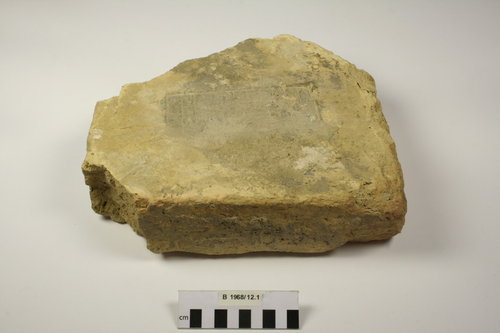 Artifact
Primary source
Baked Brick Naming King Ashurbanipal
7th century BCE
 Sculpture
Primary source
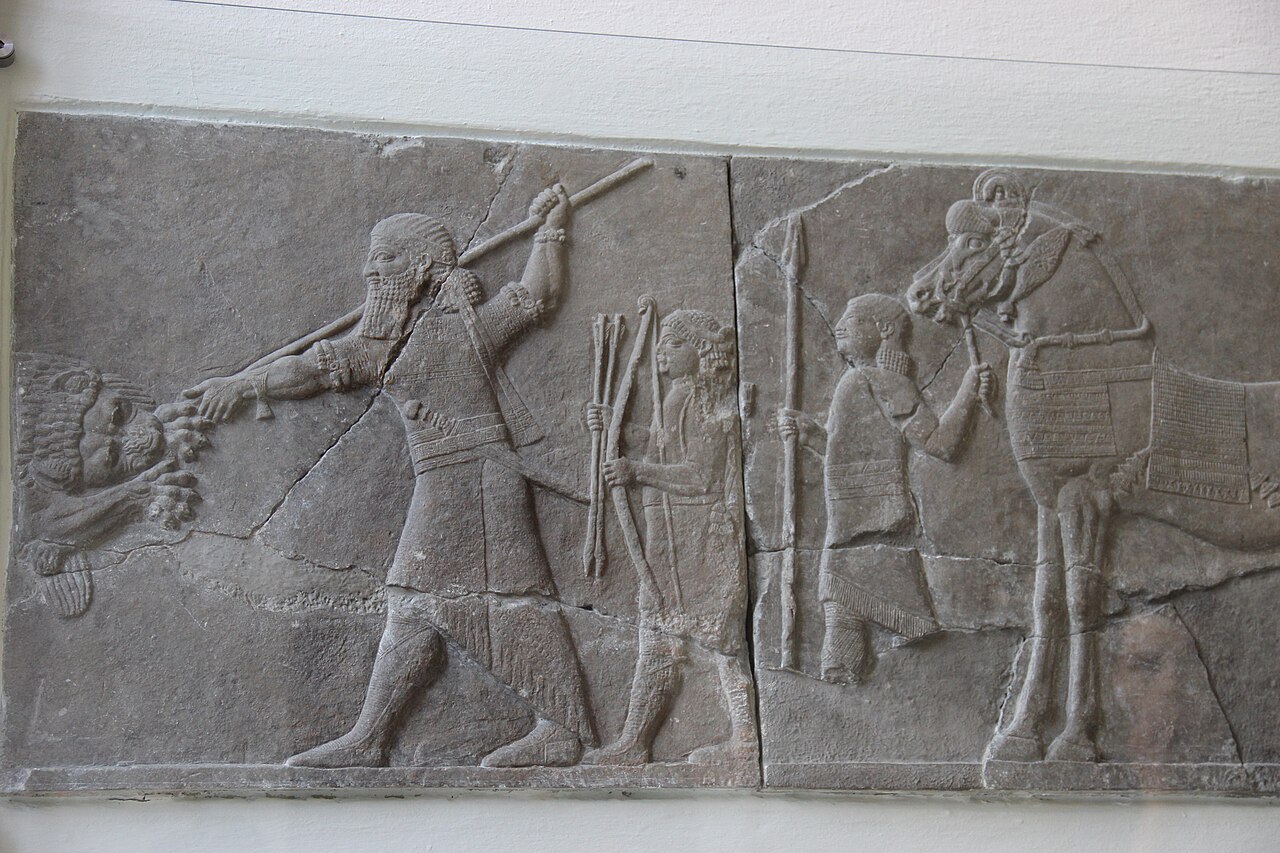
Lion Hunt of Ashurbanipal
Assyrian royal sculptors · c. 645–635 BCE
 Document
Primary source
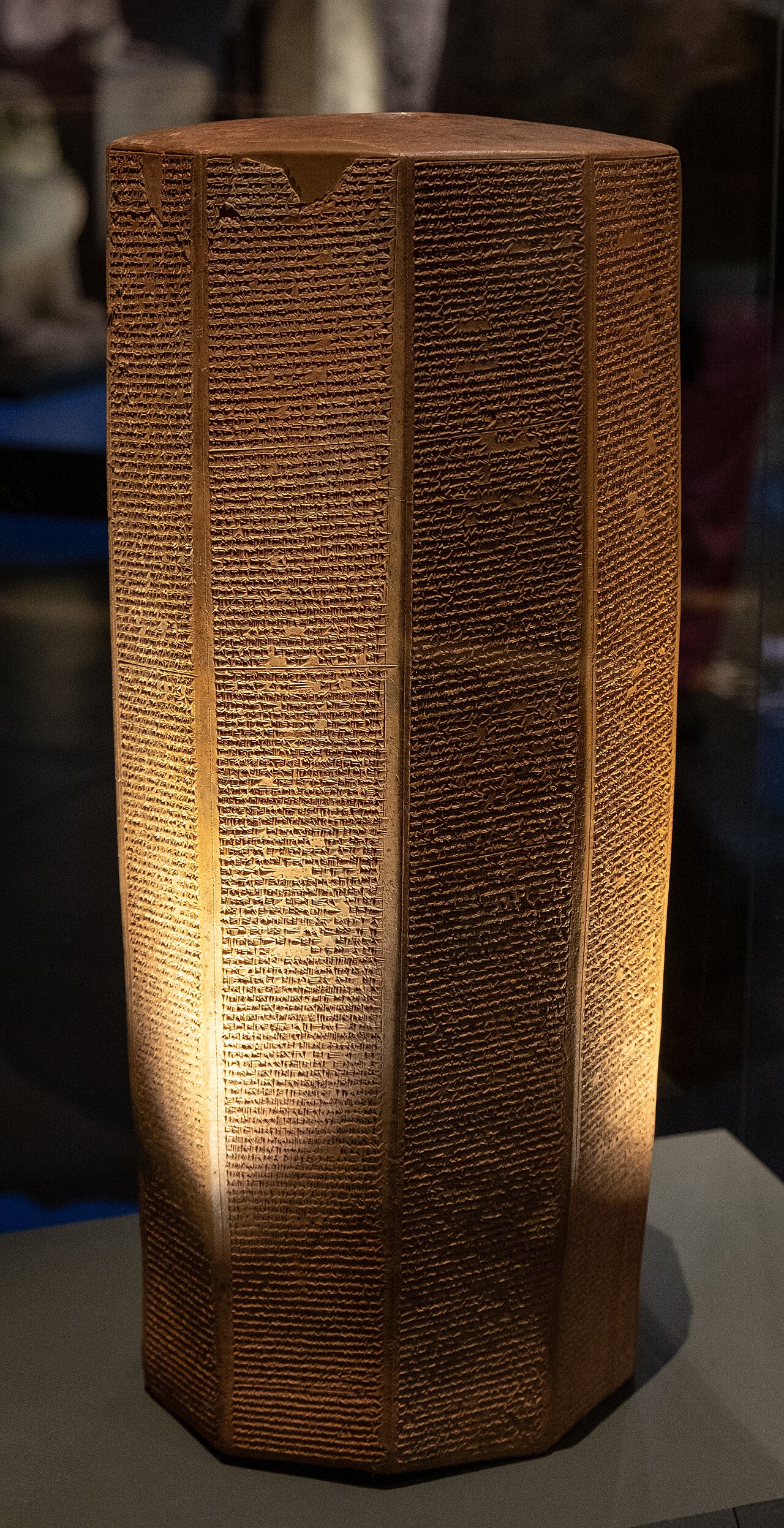
Rassam Prism of Ashurbanipal
643 BCE
 Painting
Secondary source
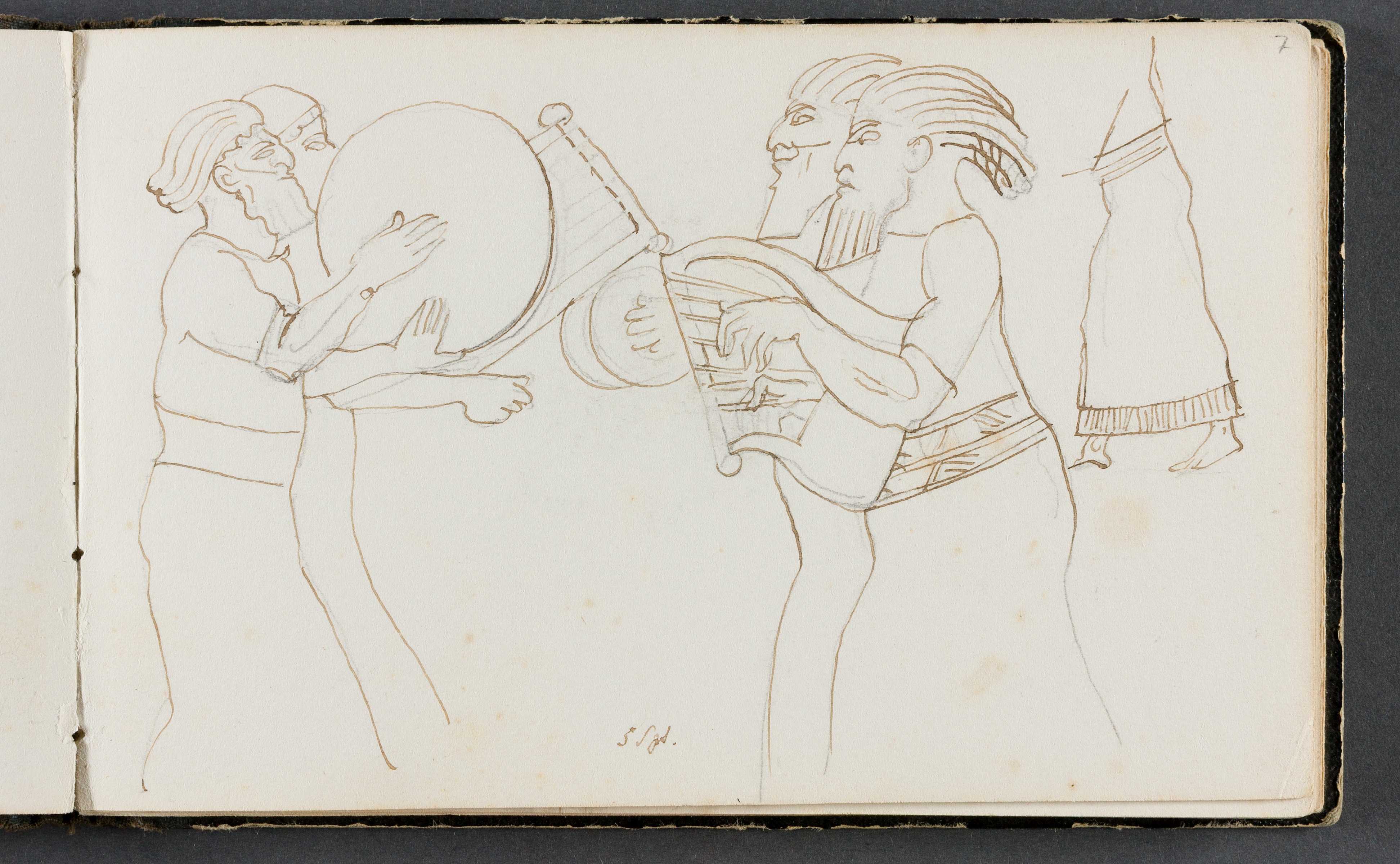
Relief with Musicians from the Palace of Ashurbanipal in Nineveh
 Document
Primary source
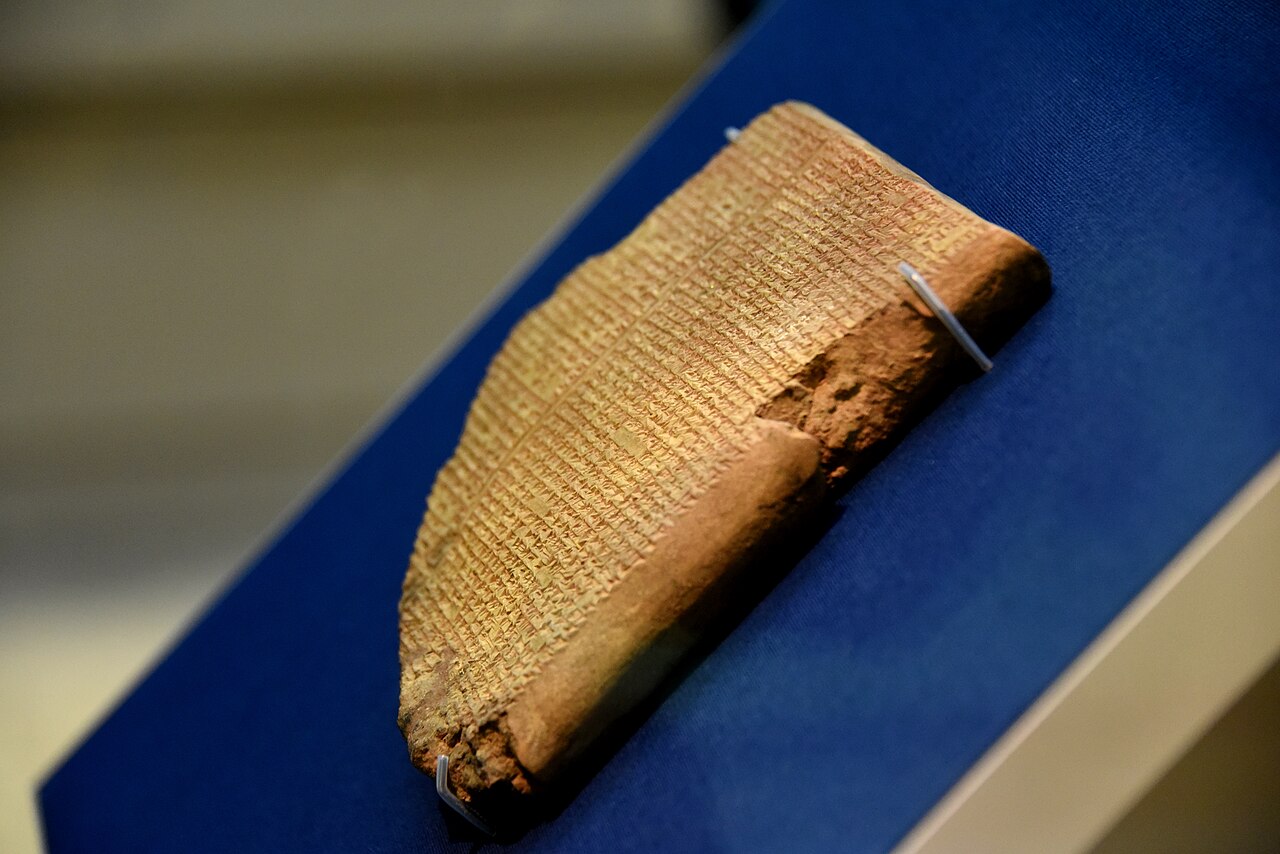
Flood Tablet
Scribes of Ashurbanipal's library · 7th century BCE
Ready when you are
Start chatting with Ashurbanipal now.
20 messages free · No credit card · Available in 50+ languages.