


Secondary sourceBookc. 5th century BCE – 3rd century CE
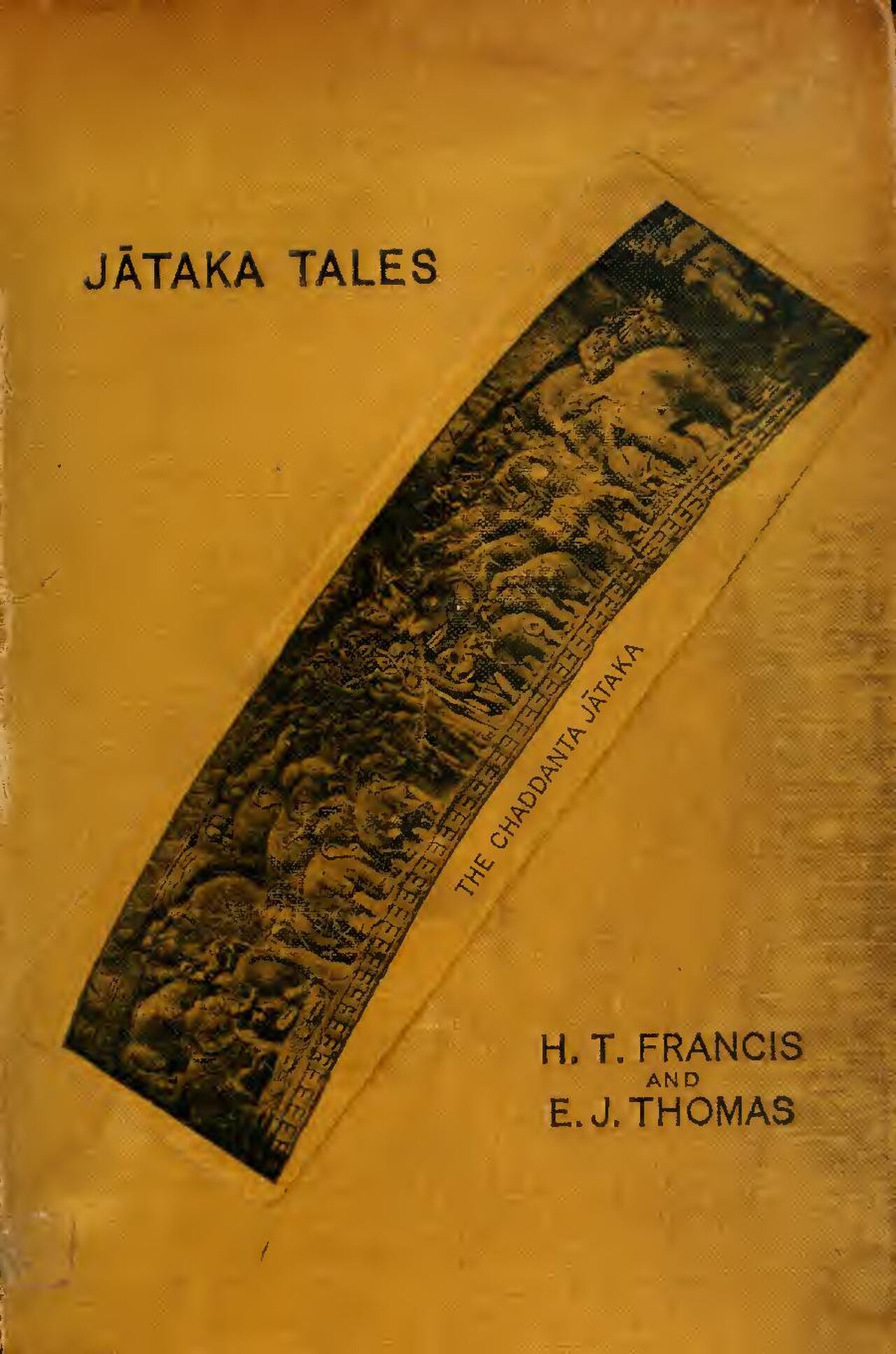
Jātaka
Various authors · c. 5th century BCE – 3rd century CE
A vast collection of traditional stories about the Buddha's former lives, used to teach virtues like generosity and compassion.
These stories describe the Buddha's past lives and were central to teaching his virtues in early Buddhist art and practice.
About this source
What it is
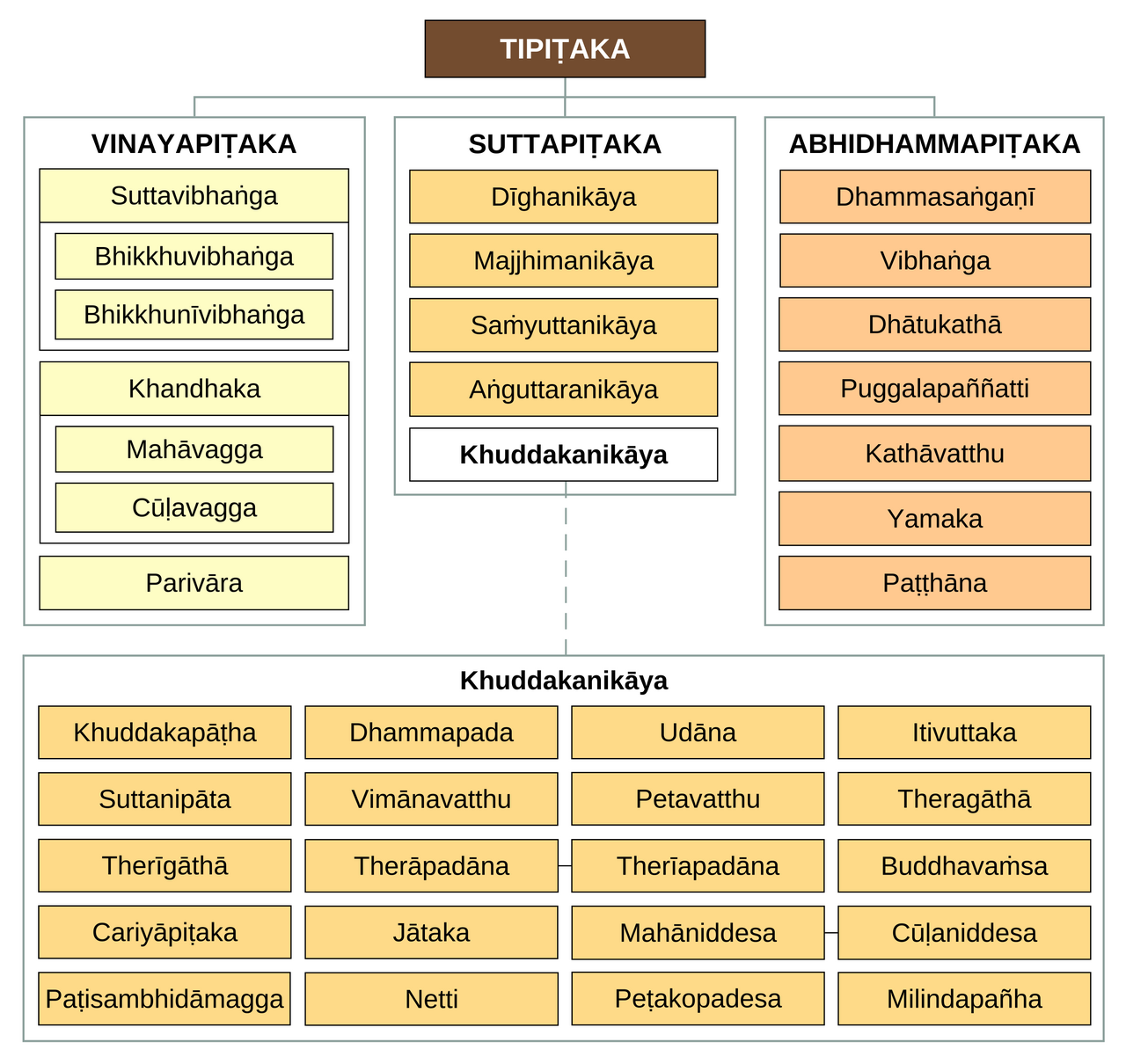
The Jātaka tales are a large body of narratives about the previous lives of the Buddha, written by various authors over a long period. They were carved on the railings and gateways of early stupas and remain part of the Pali Canon of Theravada Buddhism.
Why it matters
These stories are one of the oldest kinds of Buddhist literature. In each tale the future Buddha appears as a king, an animal, or another being, always showing a particular virtue. They reveal how early Buddhist communities imagined the long path to Buddhahood and used storytelling to teach moral lessons about karma and rebirth.
Look closer
- Why might stories about animals and ordinary people be an effective way to teach religious ideas?
- What does carving these stories onto stupas tell us about how they were meant to be experienced?
- Since many authors contributed over centuries, whose voice do we actually hear in a Jātaka tale?
This book is part of the curated material that grounds the AI version of Buddha on Humy.ai — when students ask about related events, the AI can quote it and cite it.
More Buddha sources
Meet the AI Buddha →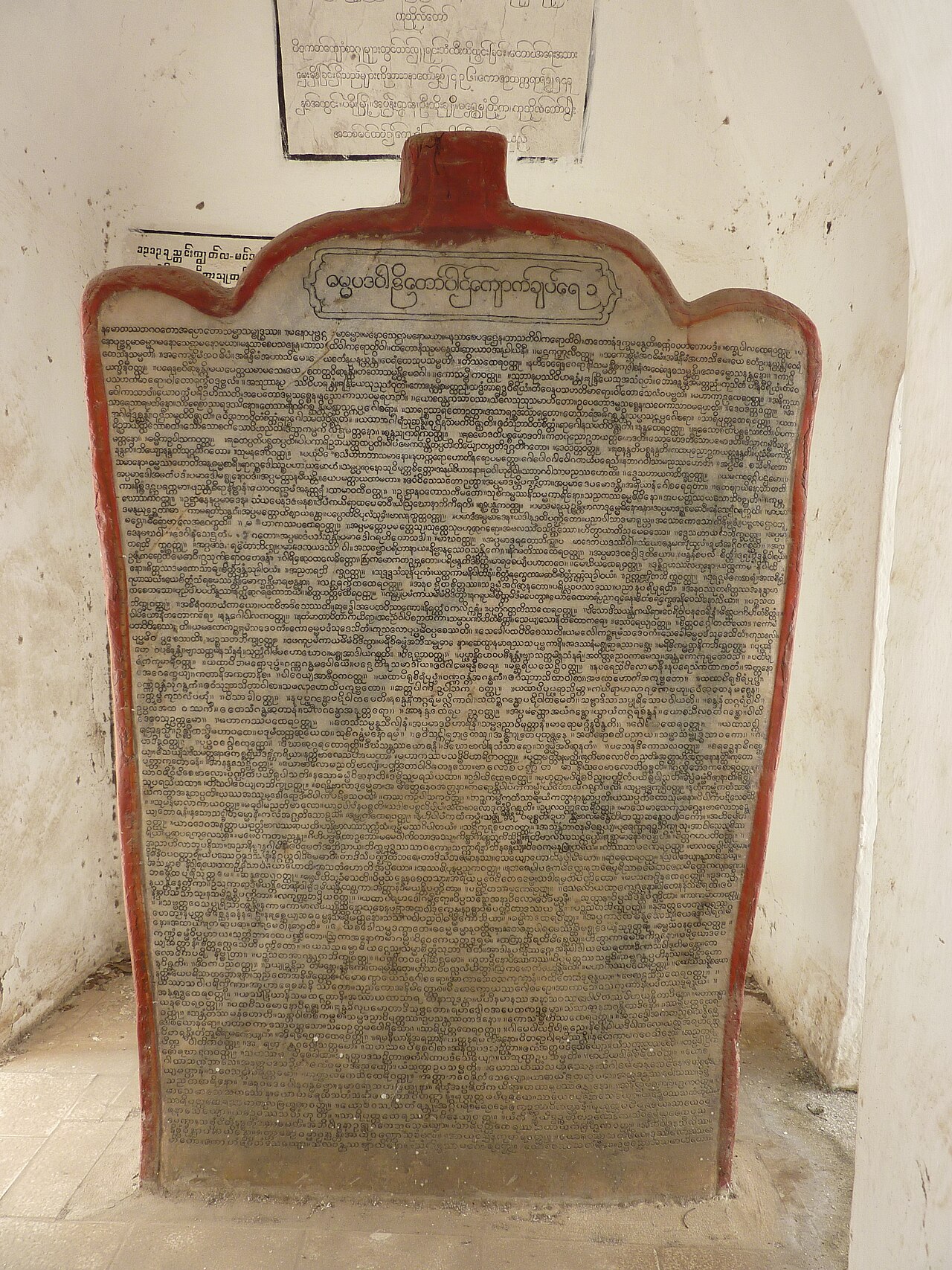 Book
Secondary source
Dhammapada
Attributed to the Buddha · c. 3rd century BCE compilation
 Painting
Secondary source
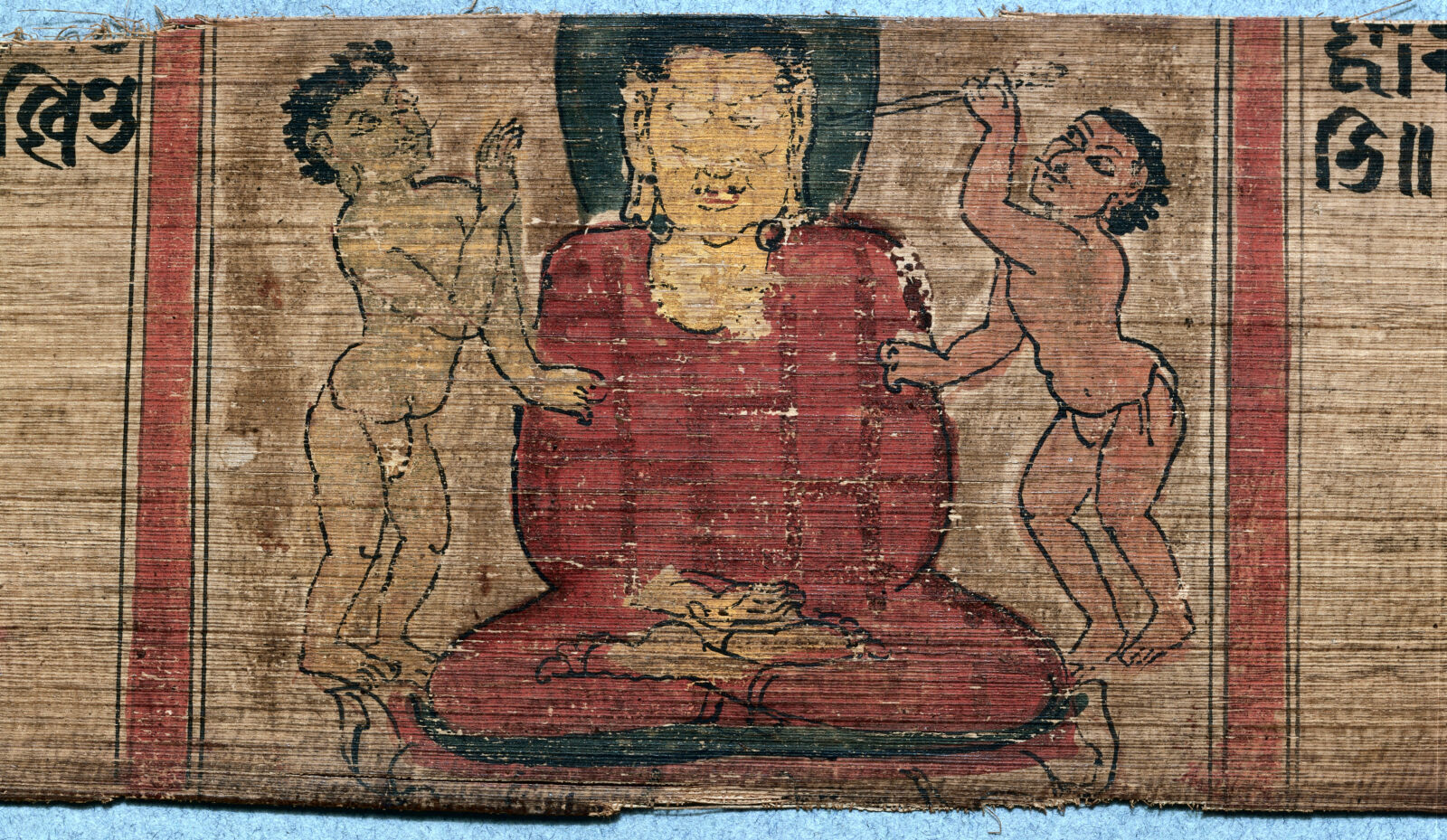
Buddha in Dhyana, Perfection of Wisdom Sutra Manuscript
1074
 Sculpture
Secondary source
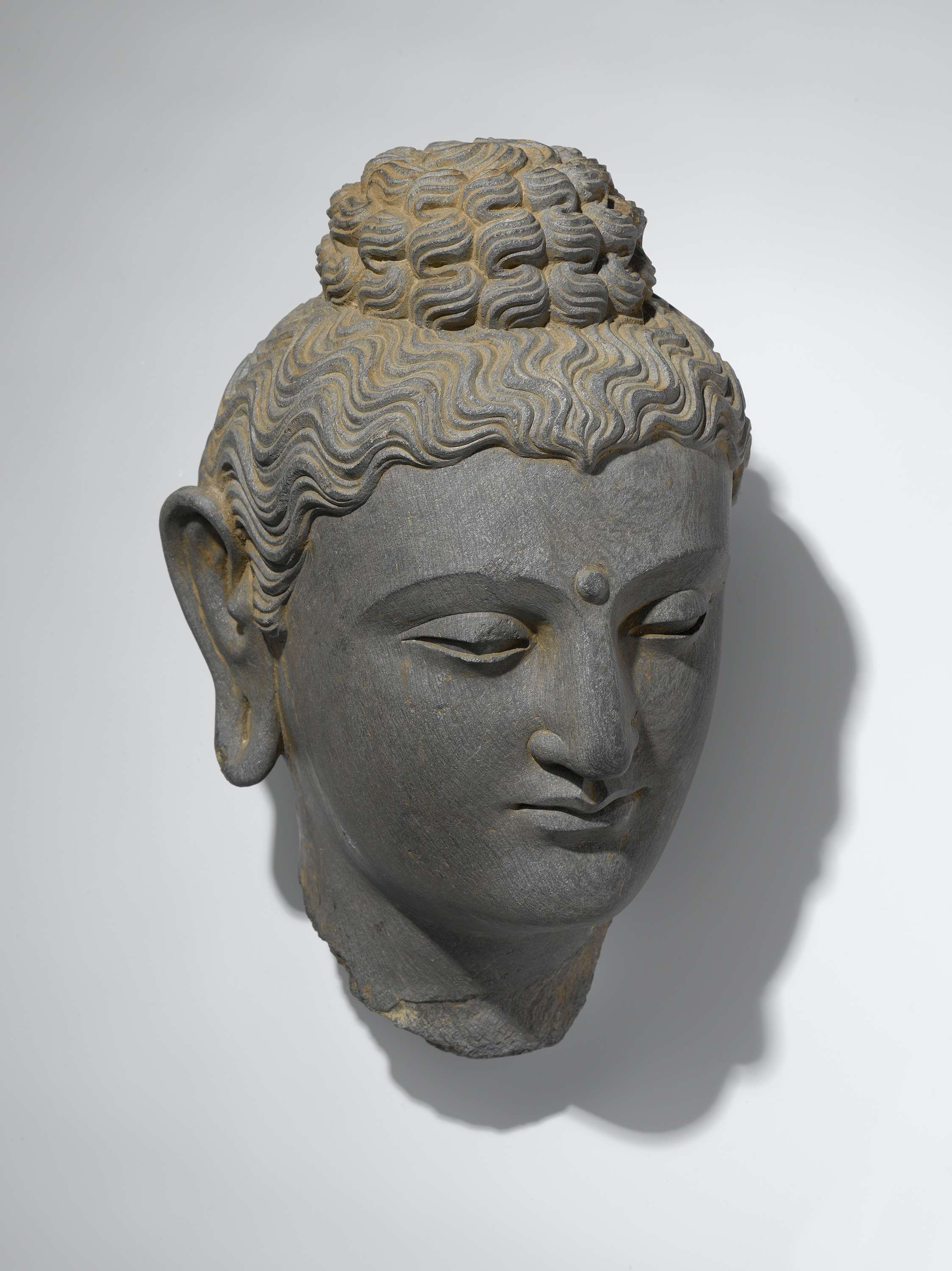
Head of the Buddha, Gandhara style
 Book
Secondary source
Pali Canon (Tipitaka)
Early Buddhist sangha · oral from 5th century BCE; written c. 29 BCE
 Document
Secondary source
Life of the Buddha
19th century
Ready when you are
Start chatting with Buddha now.
20 messages free · No credit card · Available in 50+ languages.