


Secondary sourceSculpture7th century CE
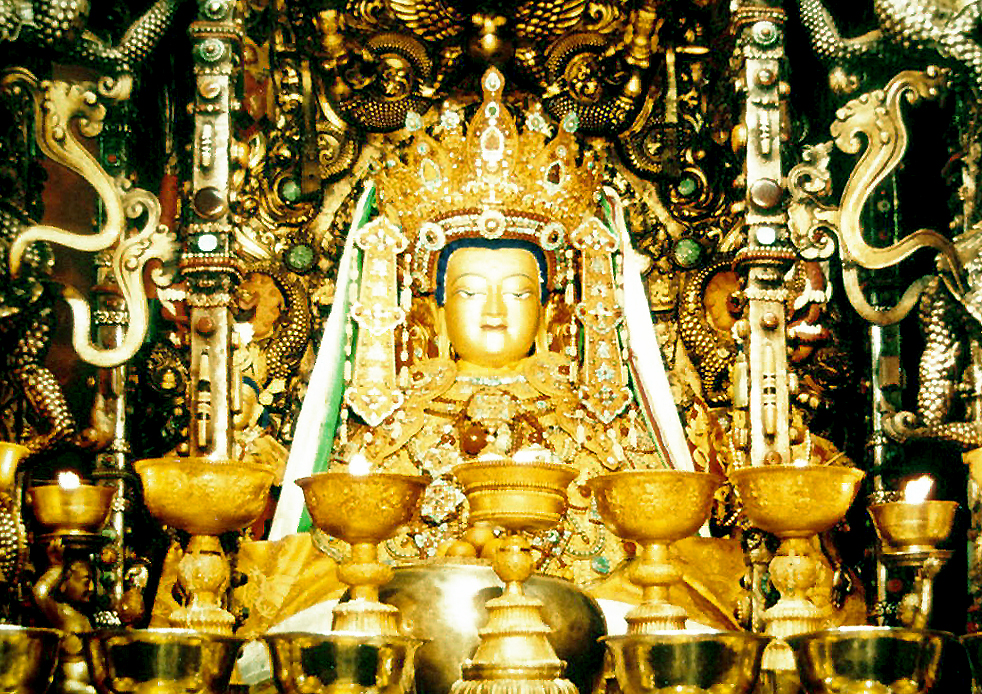
Jowo
7th century CE
Tibet's most sacred Buddha statue, revered as a likeness of the Buddha at age twelve.
Revered as a likeness of the Buddha at age twelve, this is Tibet's most sacred image of him.
About this source
What it is
The Jowo is a 7th-century statue of the Buddha housed in the Jokhang temple in Lhasa, Tibet. According to tradition it was brought to Tibet as part of the dowry of a Chinese princess who married the Tibetan king, and a related statue was brought earlier by a Nepali princess.
Why it matters
It is considered the most sacred image in Tibet and shaped the tradition of Tibetan art for centuries. Its history—being hidden, moved between temples, damaged during the Cultural Revolution, and later restored with help from a lama who had been imprisoned—shows how religious objects can become caught up in politics and conflict long after they were made.
Look closer
- Why might a statue showing the Buddha at a particular young age be especially meaningful to worshippers?
- What does the statue's long journey and damage tell you about the political history surrounding it?
- How might an object continue to matter to people even after parts of it are lost or restored?
This sculpture is part of the curated material that grounds the AI version of Buddha on Humy.ai — when students ask about related events, the AI can quote it and cite it.
More Buddha sources
Meet the AI Buddha →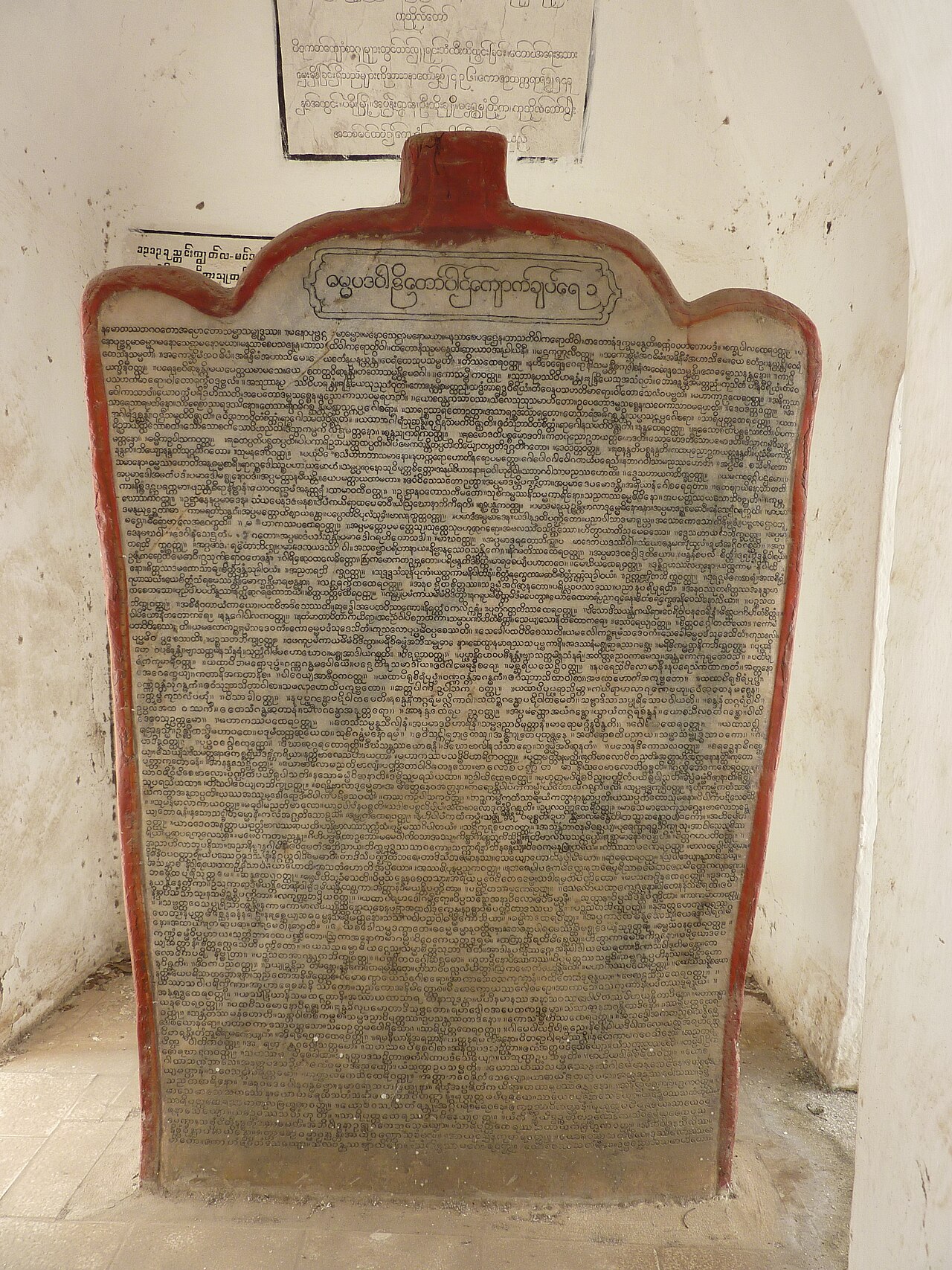 Book
Secondary source
Dhammapada
Attributed to the Buddha · c. 3rd century BCE compilation
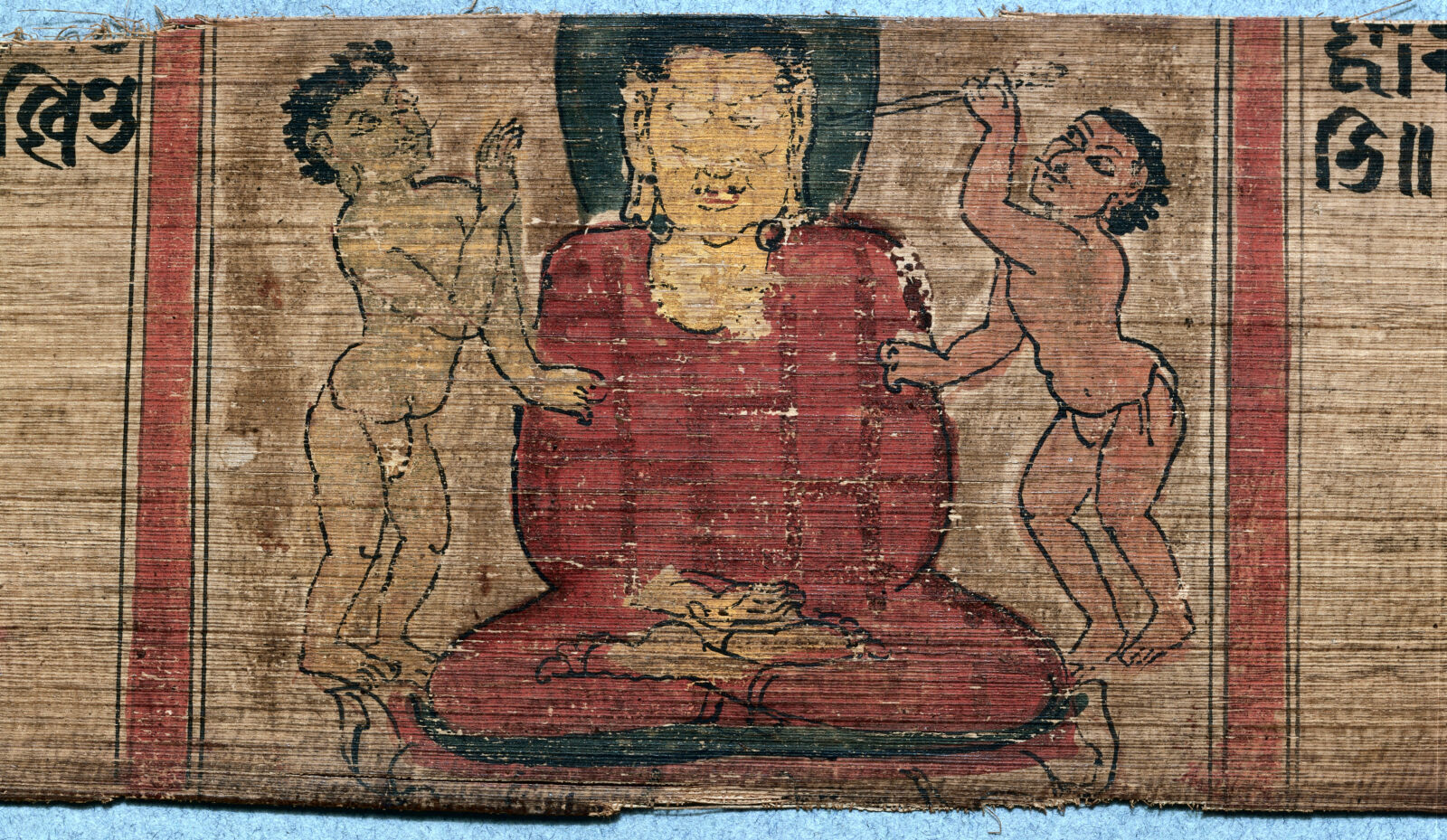 Painting
Secondary source
Buddha in Dhyana, Perfection of Wisdom Sutra Manuscript
1074
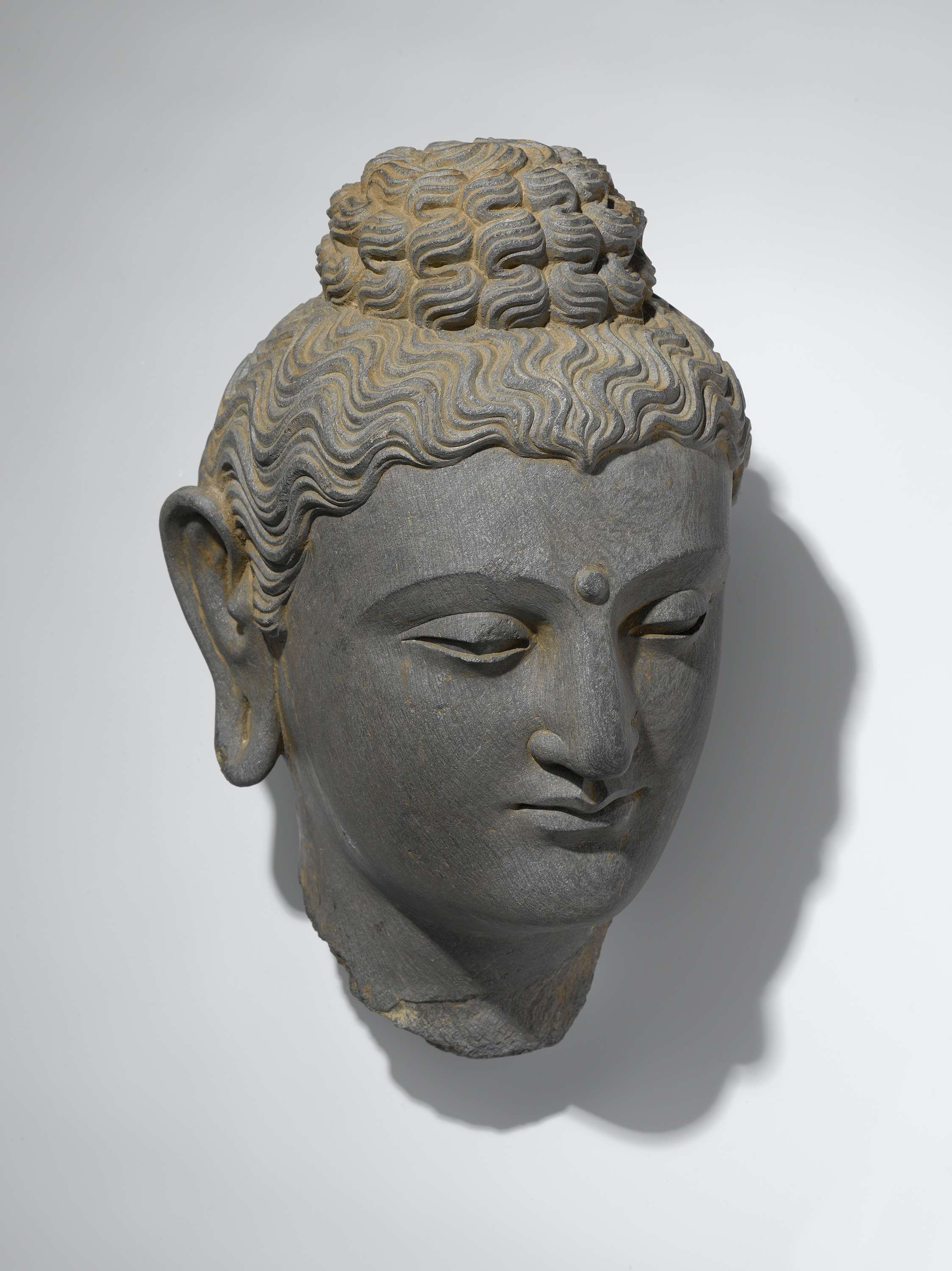 Sculpture
Secondary source
Head of the Buddha, Gandhara style
 Book
Secondary source
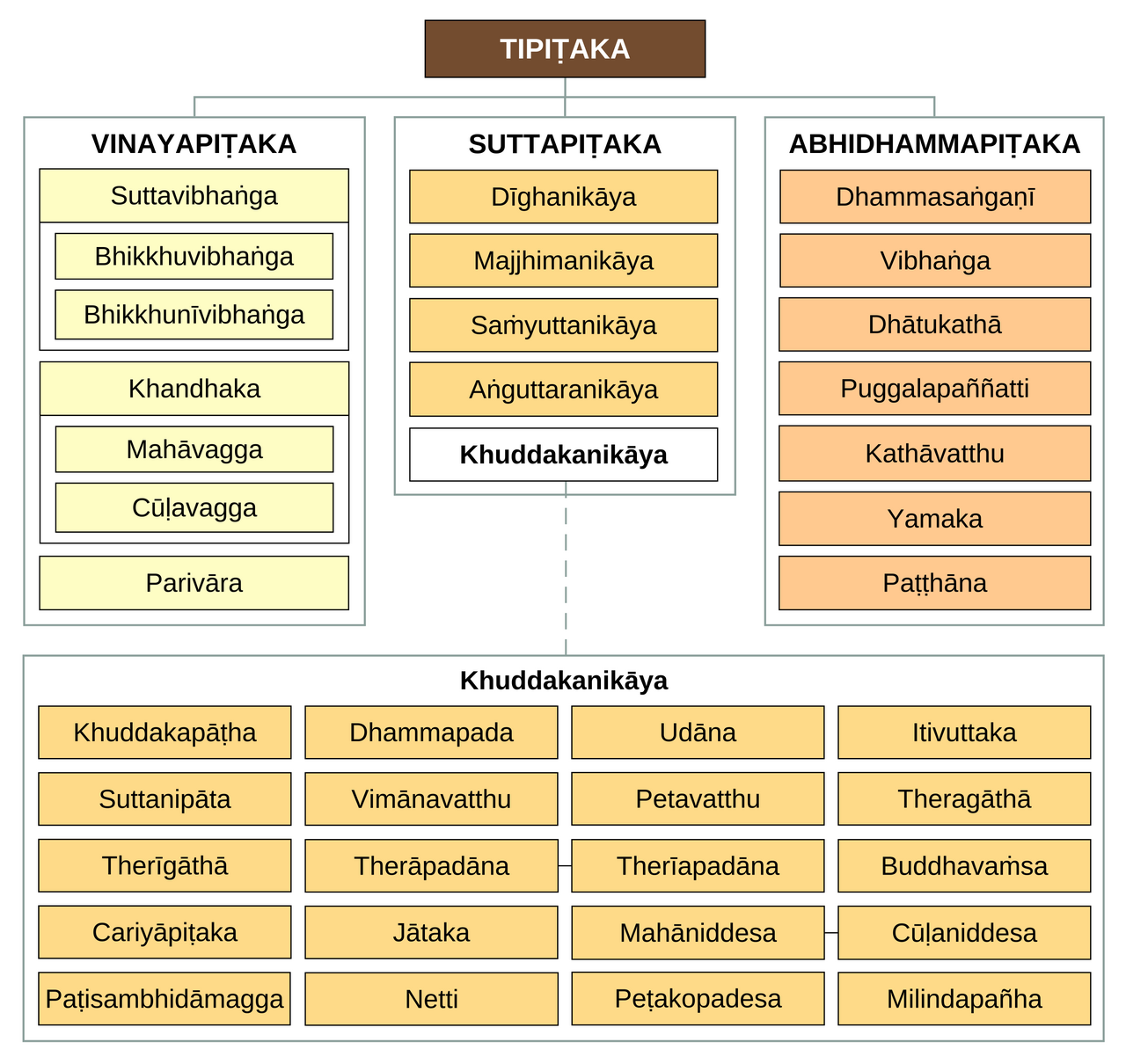
Pali Canon (Tipitaka)
Early Buddhist sangha · oral from 5th century BCE; written c. 29 BCE
 Document
Secondary source
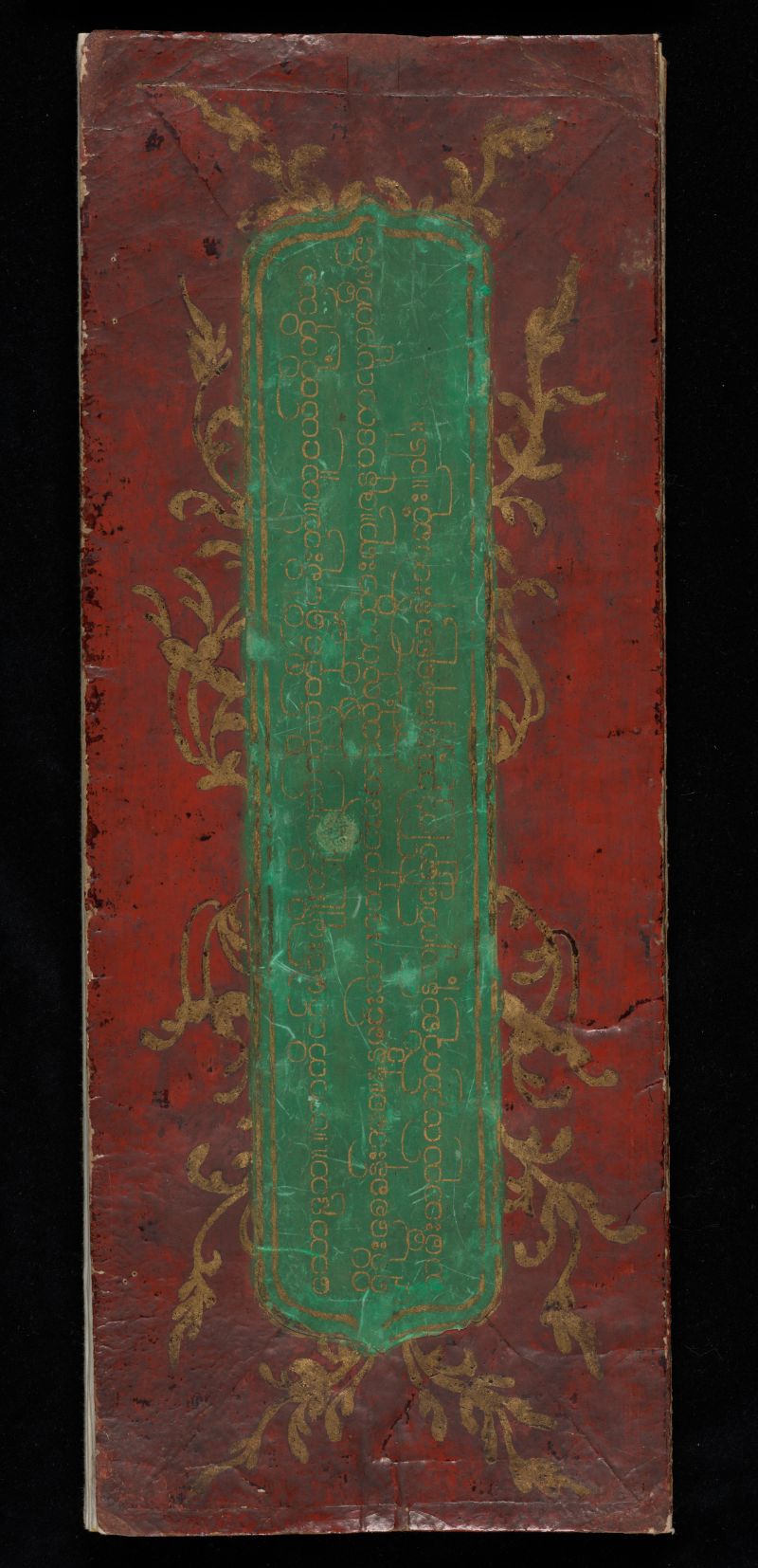
Life of the Buddha
19th century
Ready when you are
Start chatting with Buddha now.
20 messages free · No credit card · Available in 50+ languages.