


Primary sourcePaintingc. 1625-1630
Judith and Holofernes
Artemisia Gentileschi · c. 1625-1630
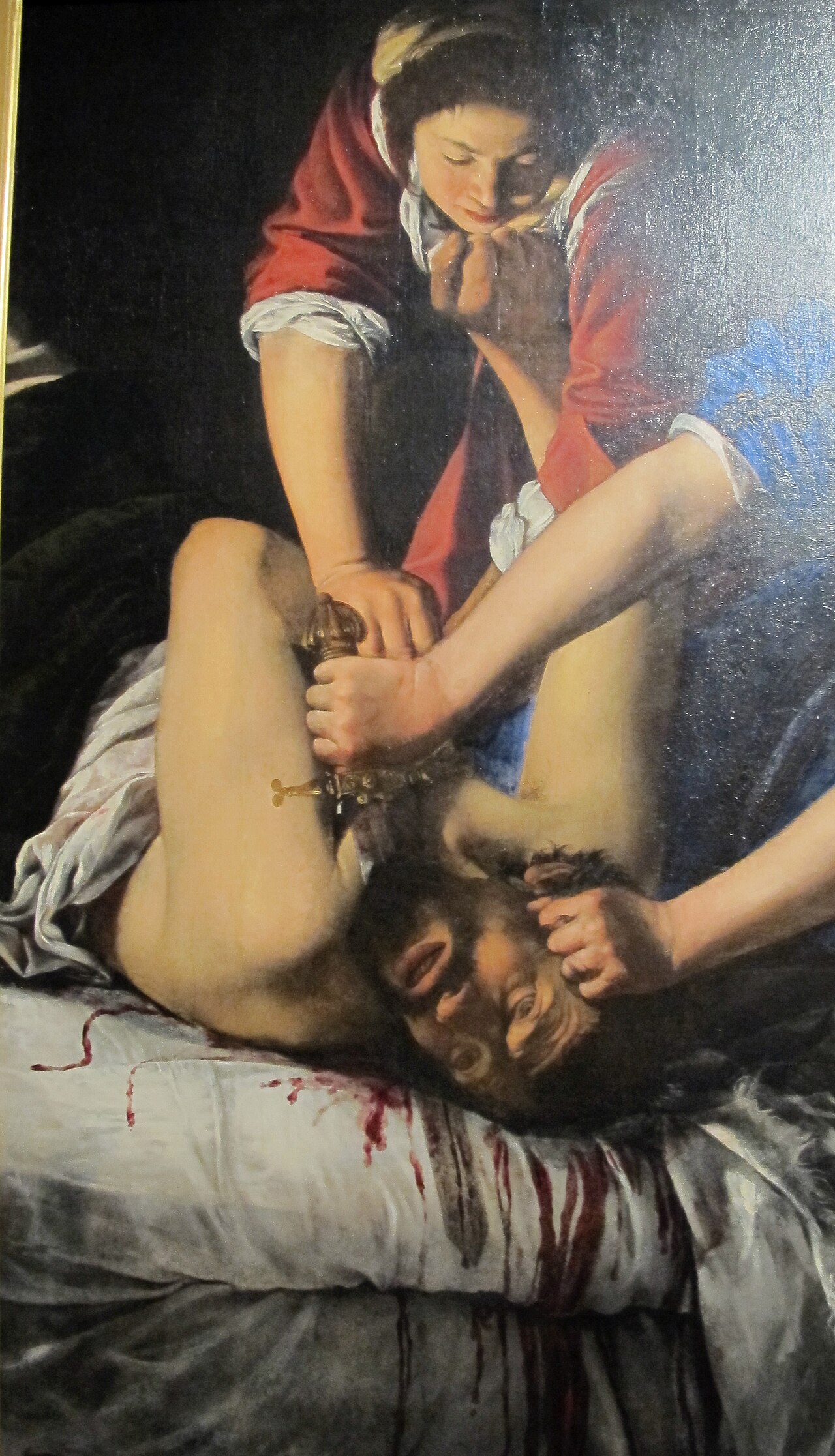
A photograph of Artemisia Gentileschi's dramatic painting of Judith beheading Holofernes, one of her most famous works.
One of Gentileschi's most famous paintings, showing her dramatic treatment of a violent biblical scene.
About this source
What it is
This photograph shows a painting by Artemisia Gentileschi titled Judith and Holofernes, made around 1625-1630. It depicts the biblical story of Judith killing the Assyrian general Holofernes.
Why it matters
Gentileschi painted this subject more than once, and it is one of the works most associated with her name. The violent, physical realism of the scene has long been discussed by historians studying how her personal experiences and her position as a woman artist in a male-dominated field shaped her approach to biblical subjects.
Look closer
- What makes this scene feel physically forceful compared to calmer religious paintings?
- Why might Gentileschi have chosen such a dramatic, violent moment to paint?
- What does the painting leave out about the larger biblical story?
This painting is part of the curated material that grounds the AI version of Artemisia Gentileschi on Humy.ai — when students ask about related events, the AI can quote it and cite it.
More Artemisia Gentileschi sources
Meet the AI Artemisia Gentileschi →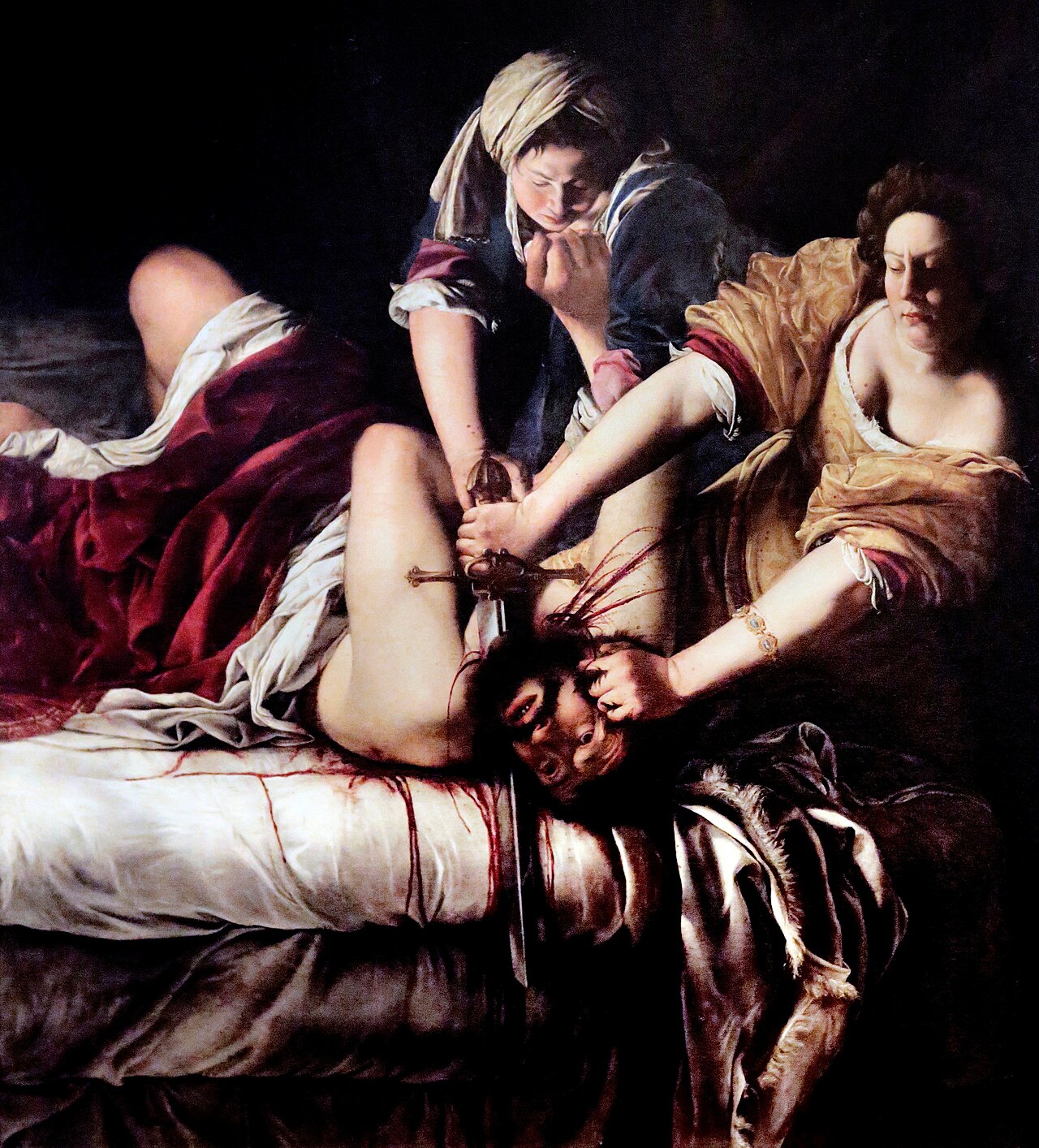 Painting
Primary source
Judith Beheading Holofernes
Artemisia Gentileschi · c. 1620
 Painting
Primary source
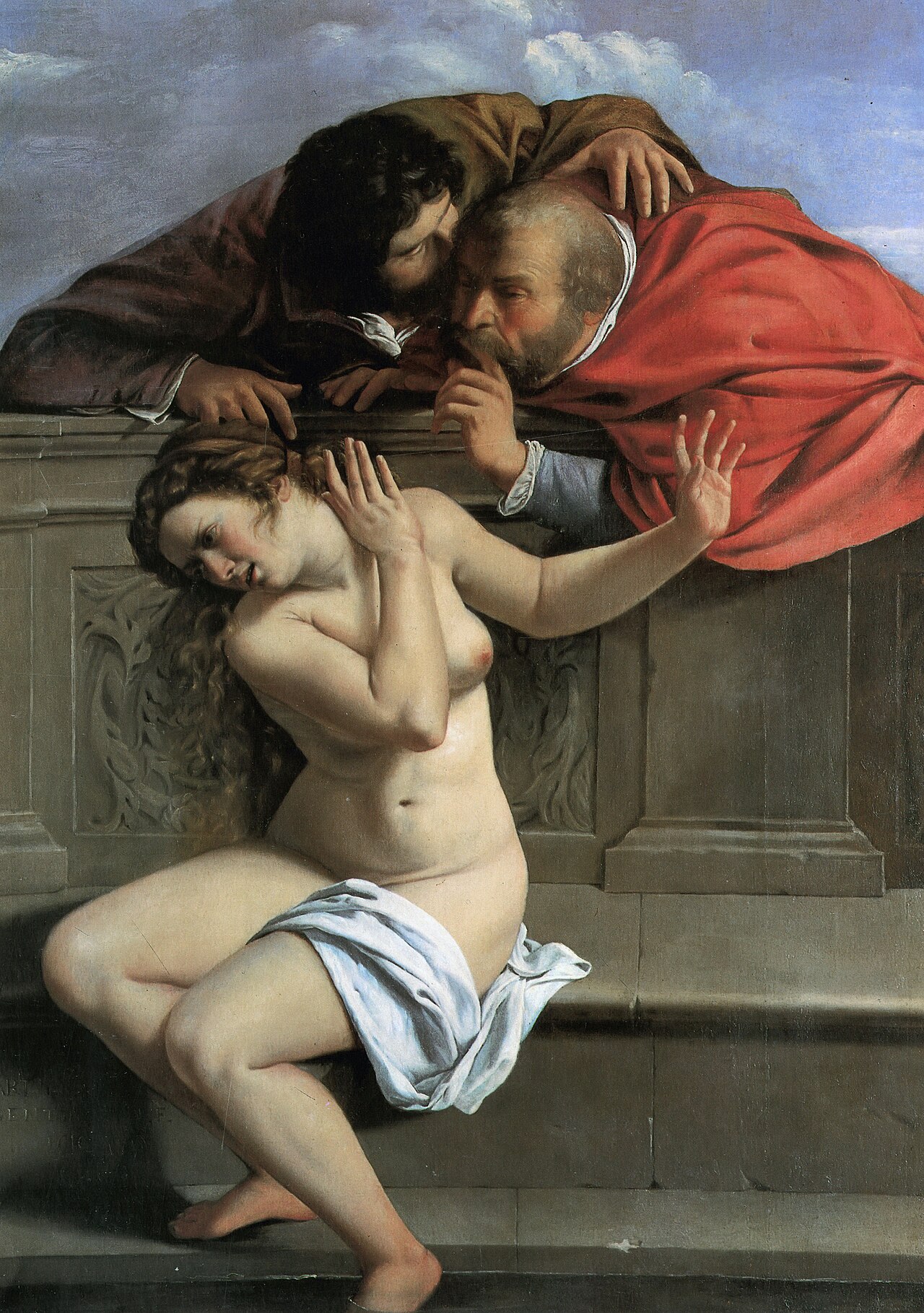
Susanna and the Elders
Artemisia Gentileschi · 1610
 Painting
Primary source
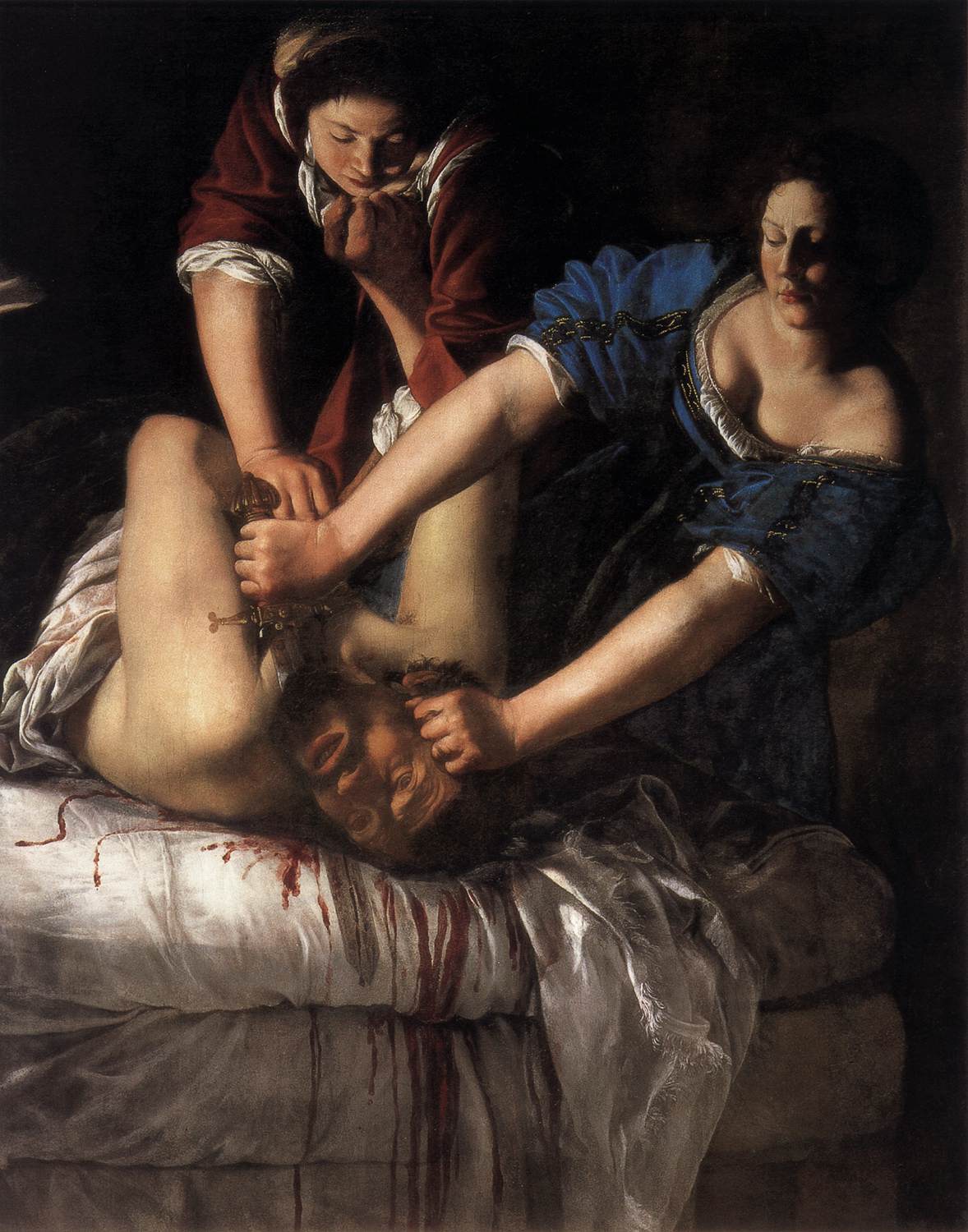
Judith Slaying Holofernes
Artemisia Gentileschi · 1612-1613
 Painting
Primary source
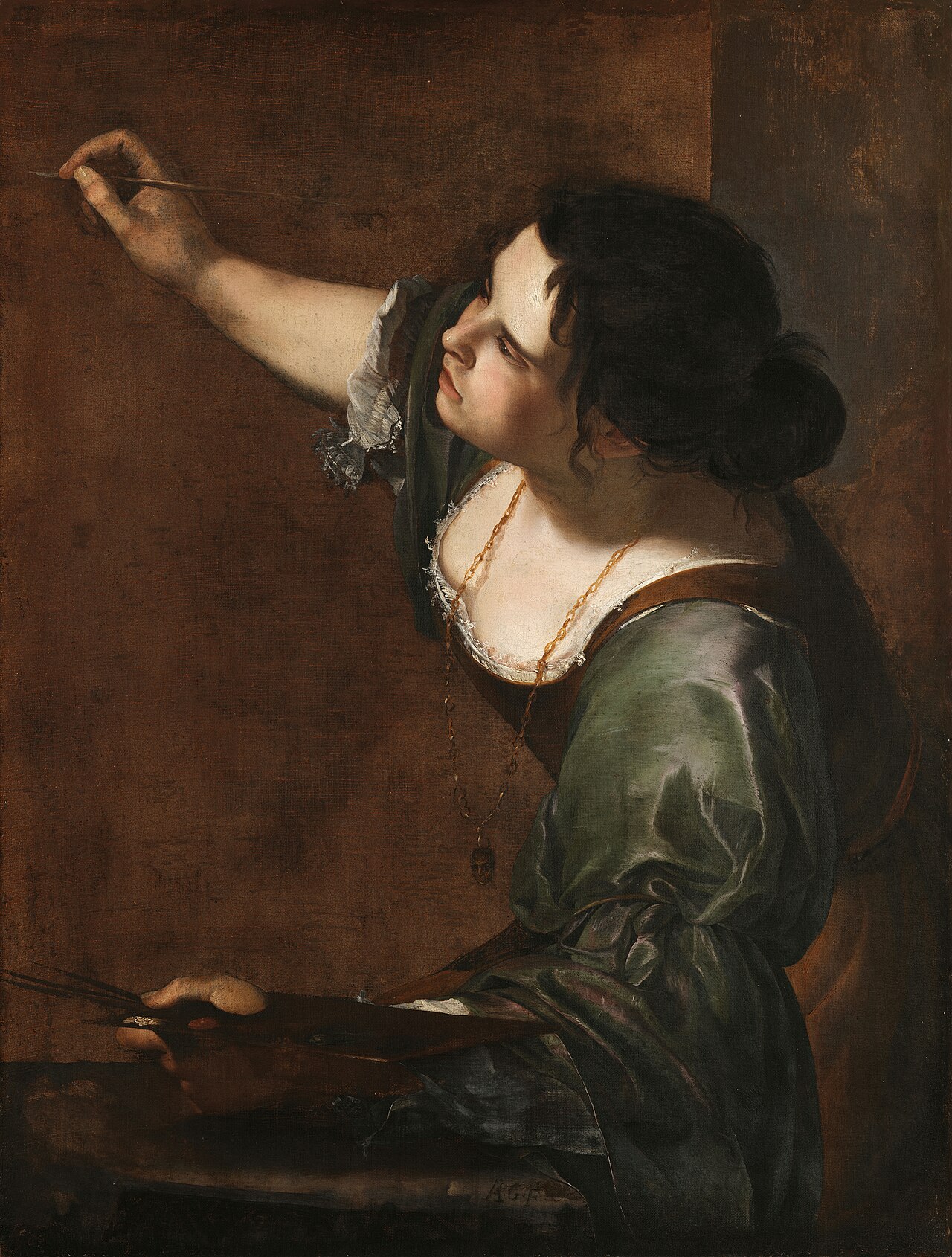
Self-Portrait as the Allegory of Painting
Artemisia Gentileschi · c. 1638-1639
 Painting
Primary source
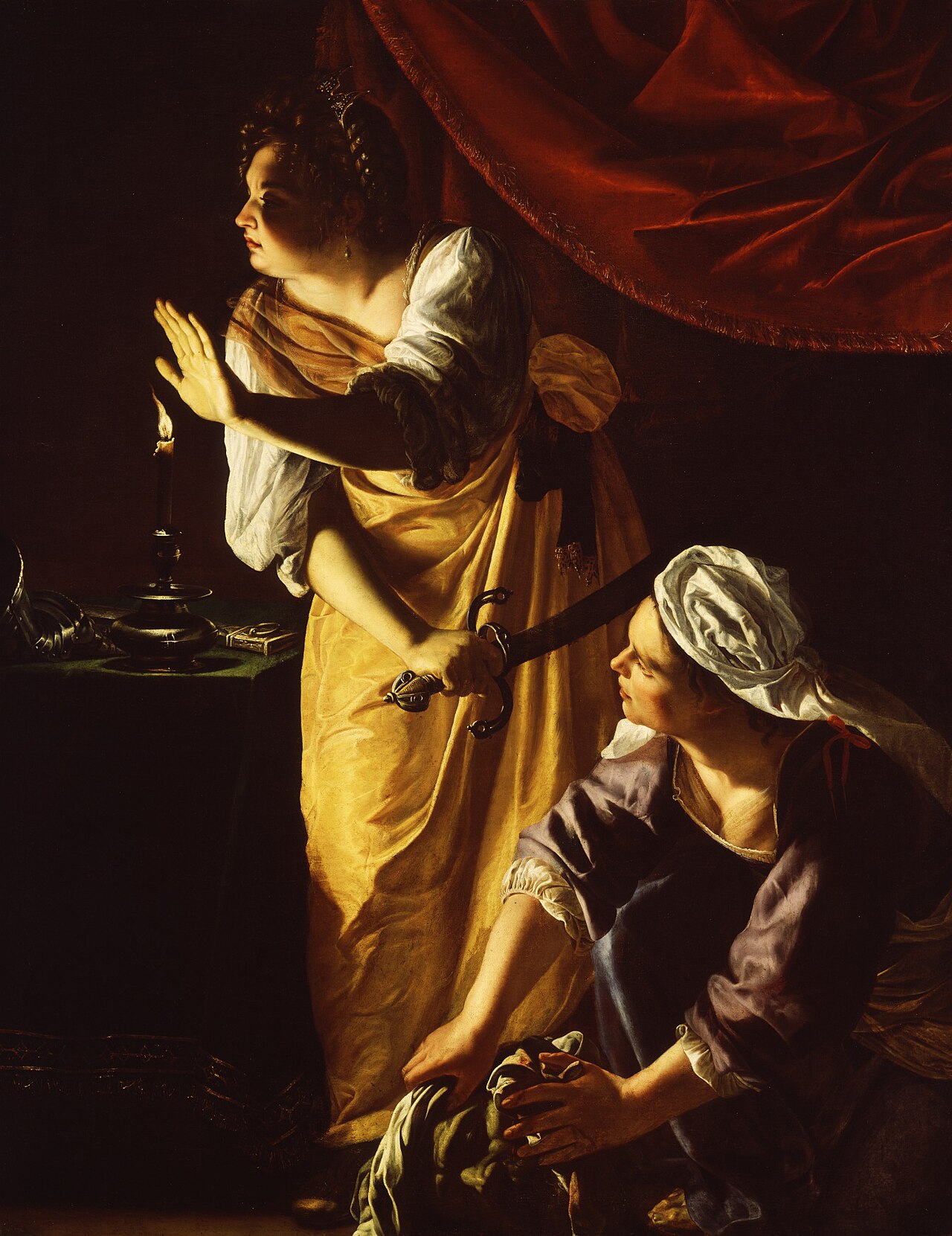
Judith and Maidservant with Head of Holofernes
Artemisia Gentileschi · c. 1623-1625
Ready when you are
Start chatting with Artemisia Gentileschi now.
20 messages free · No credit card · Available in 50+ languages.