


Primary sourcePainting1602
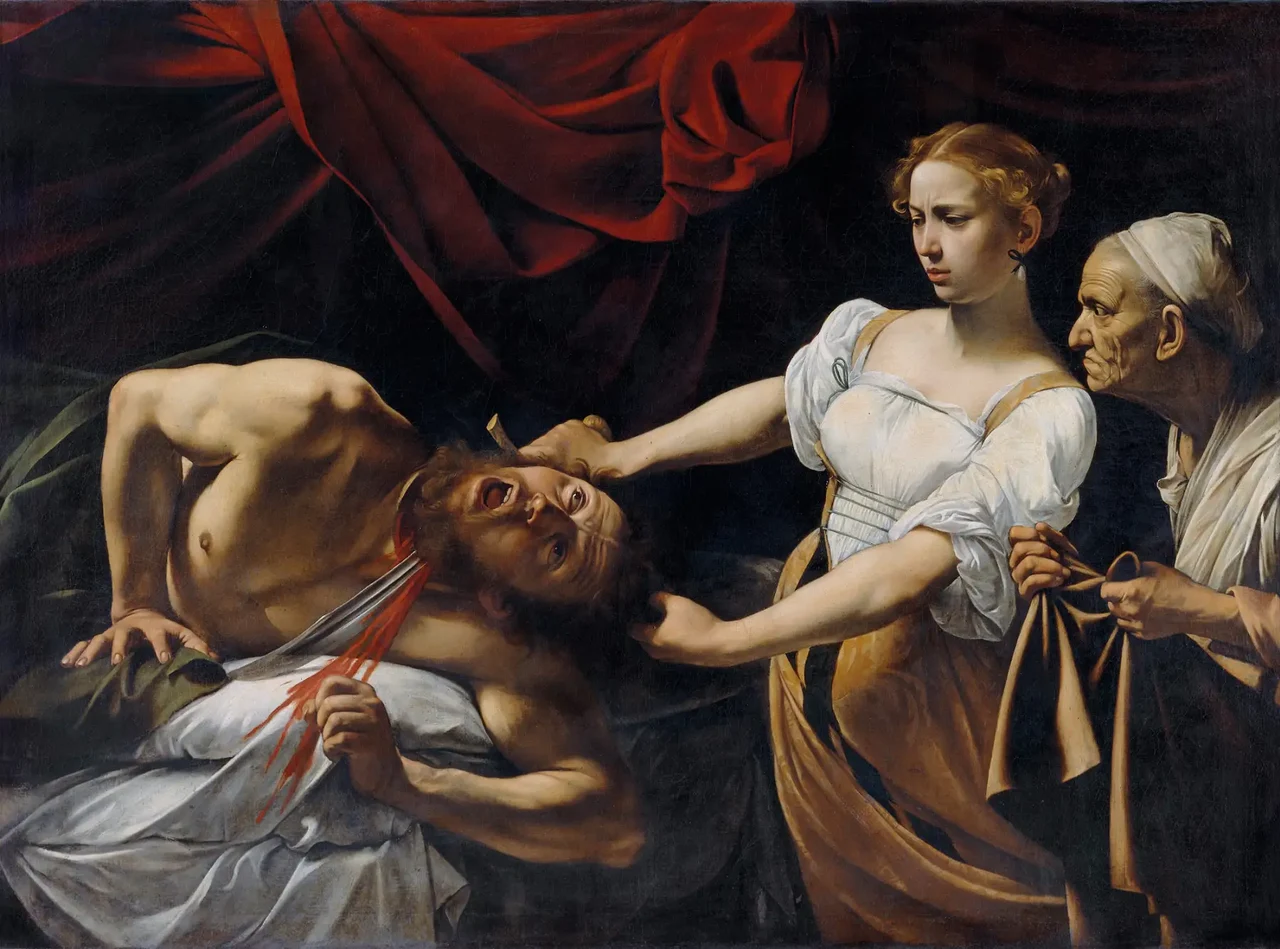
Judith Beheading Holofernes
Caravaggio · 1602
Caravaggio's painting of Judith beheading Holofernes, a work that influenced the dramatic style Gentileschi developed in her own paintings of the same subject.
Caravaggio's version of Judith's story was a key model for the dramatic style Gentileschi used in her own paintings of the subject.
About this source
What it is
This painting was made by Caravaggio around 1602. It shows Judith killing the Assyrian general Holofernes, a dramatic biblical story.
Why it matters
Caravaggio's intense, realistic style, with strong light and shadow and raw physical drama, shaped the artistic world Artemisia Gentileschi trained in. She painted her own versions of the same subject, and comparing the two reveals how she adapted and responded to the artistic trends of her time.
Look closer
- How does Caravaggio show the physical effort and emotion of the two women in this violent moment?
- What choices did the painter make with light and shadow, and why might that style have appealed to later painters like Gentileschi?
- Why do you think this subject was painted so often by artists in this period?
This painting is part of the curated material that grounds the AI version of Artemisia Gentileschi on Humy.ai — when students ask about related events, the AI can quote it and cite it.
More Artemisia Gentileschi sources
Meet the AI Artemisia Gentileschi →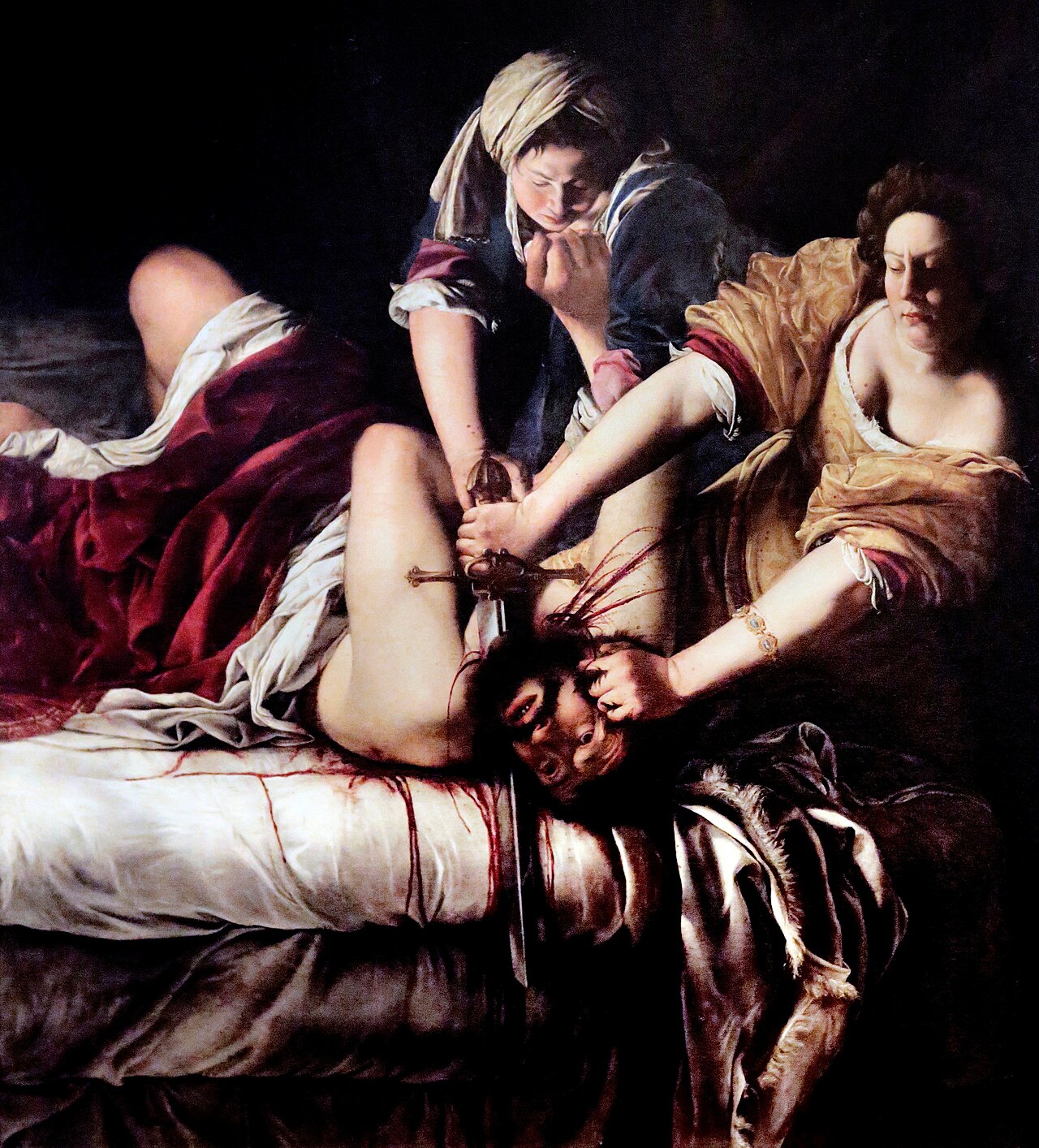 Painting
Primary source
Judith Beheading Holofernes
Artemisia Gentileschi · c. 1620
 Painting
Primary source
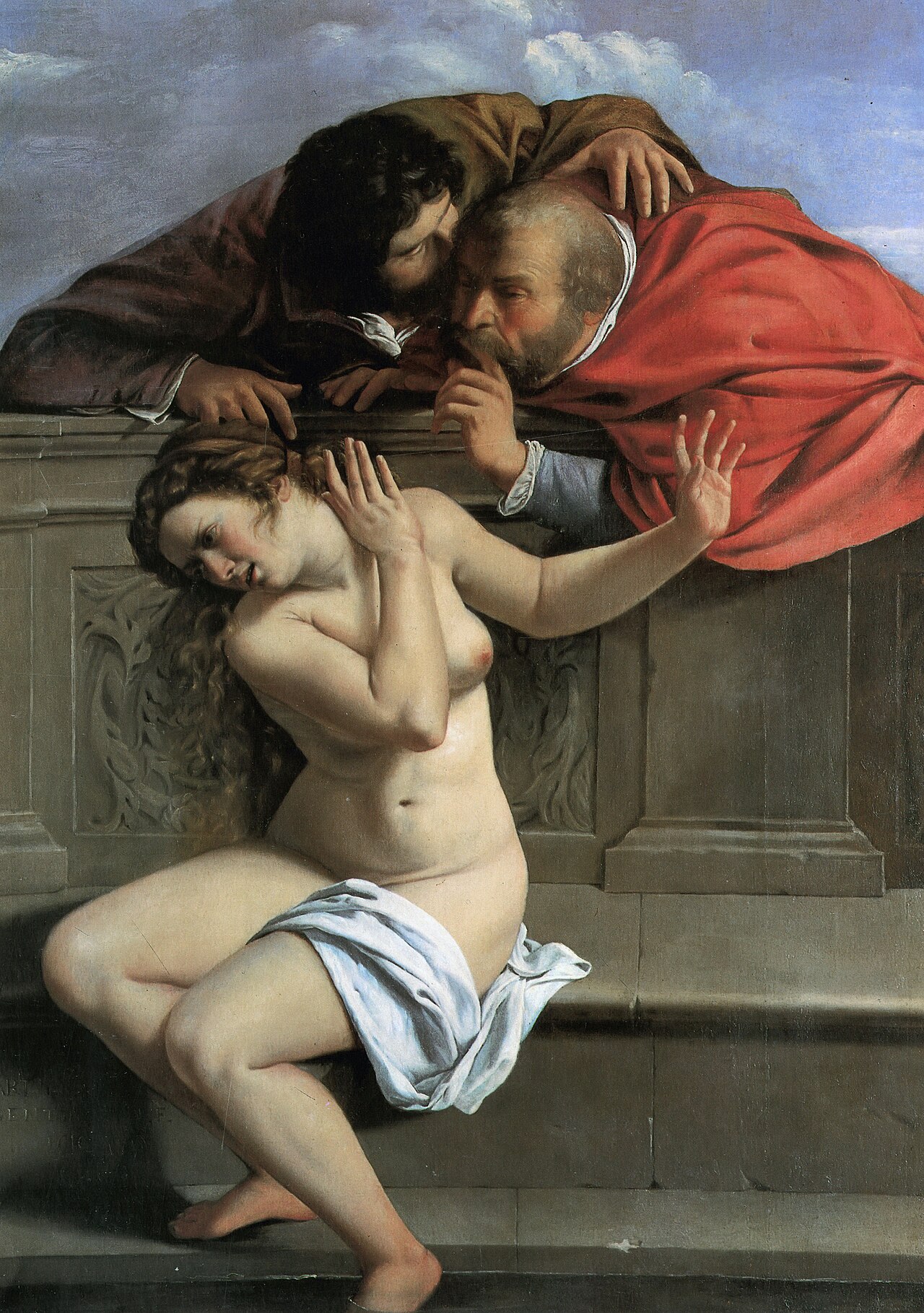
Susanna and the Elders
Artemisia Gentileschi · 1610
 Painting
Primary source
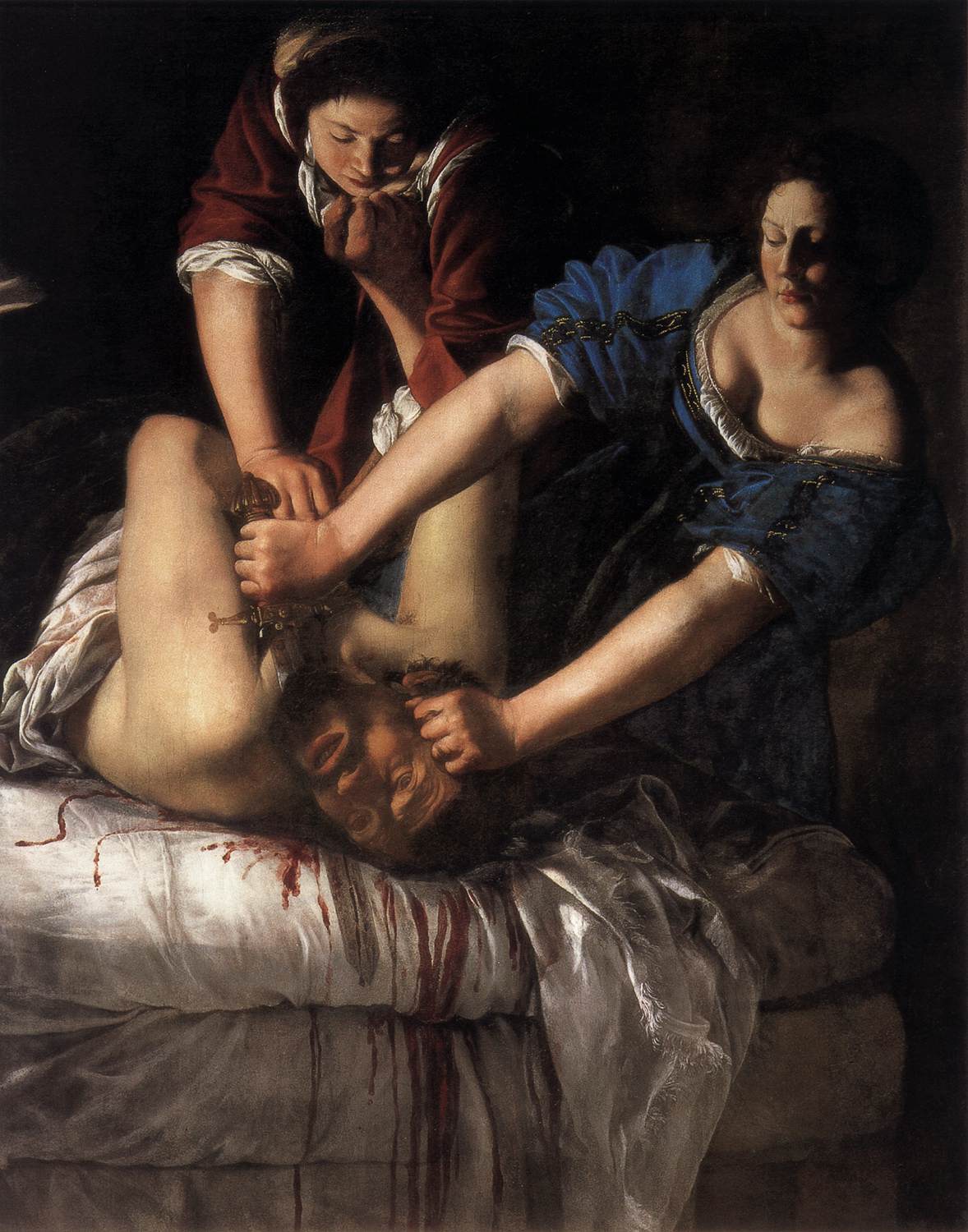
Judith Slaying Holofernes
Artemisia Gentileschi · 1612-1613
 Painting
Primary source
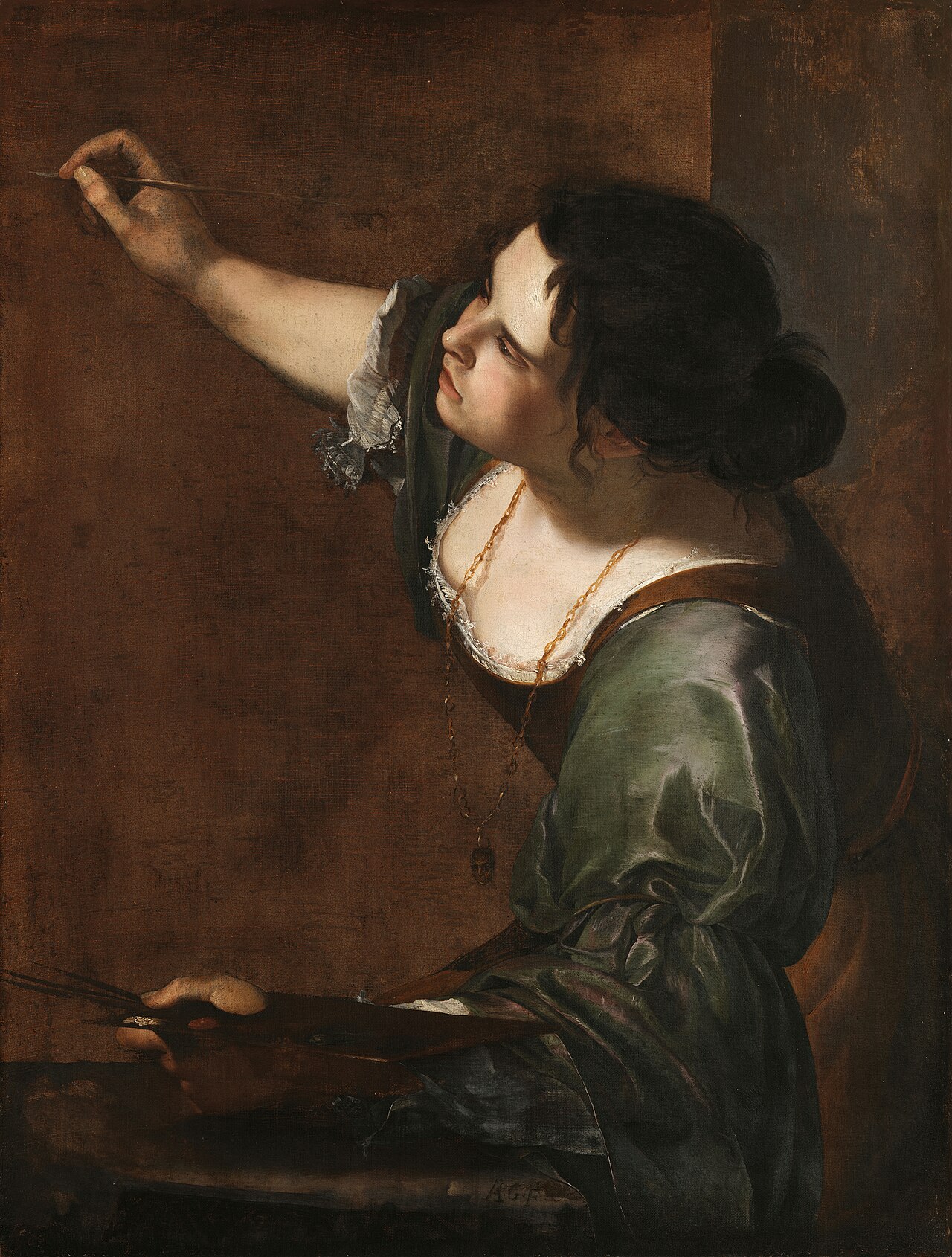
Self-Portrait as the Allegory of Painting
Artemisia Gentileschi · c. 1638-1639
 Painting
Primary source
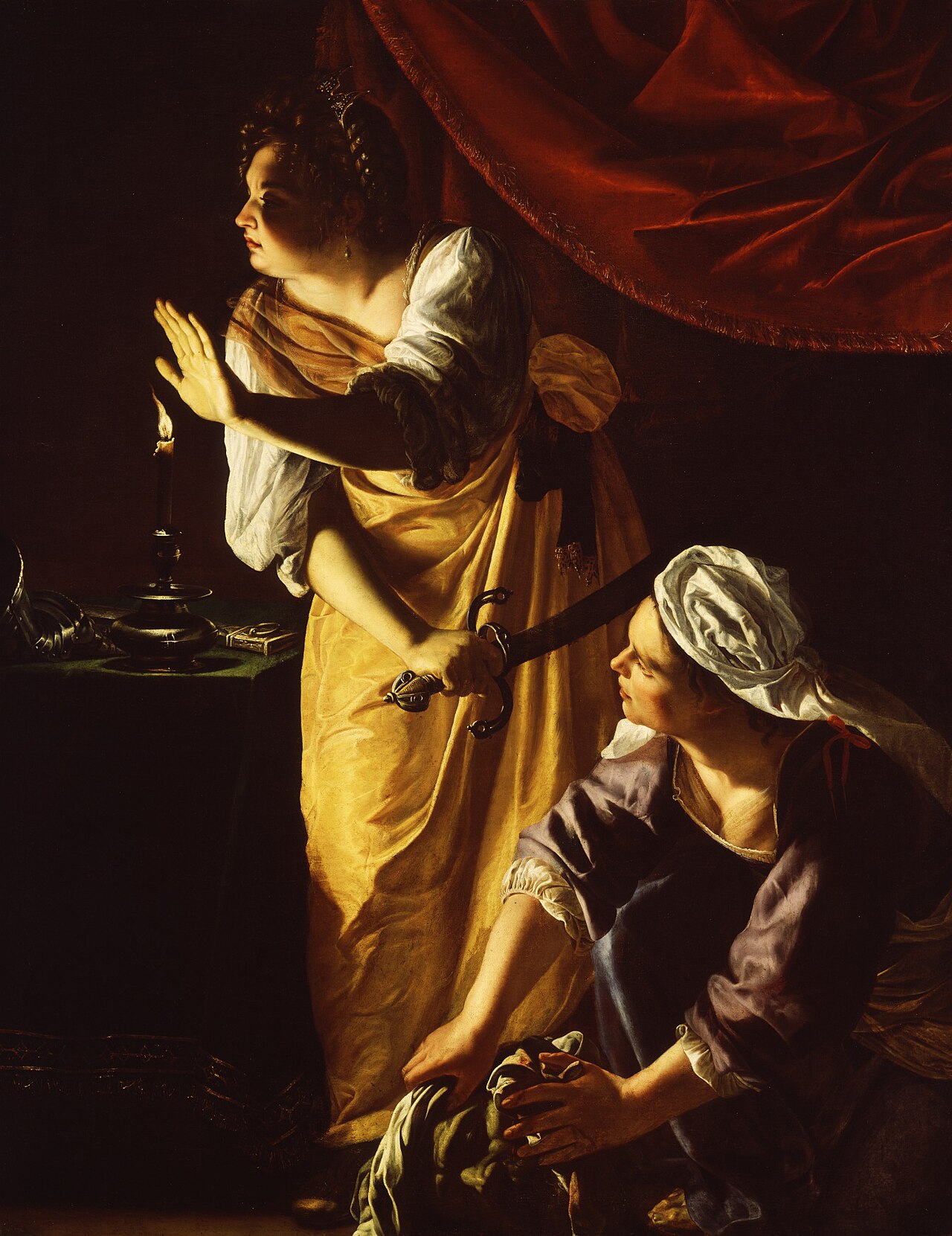
Judith and Maidservant with Head of Holofernes
Artemisia Gentileschi · c. 1623-1625
Ready when you are
Start chatting with Artemisia Gentileschi now.
20 messages free · No credit card · Available in 50+ languages.