


Secondary sourcePainting1904
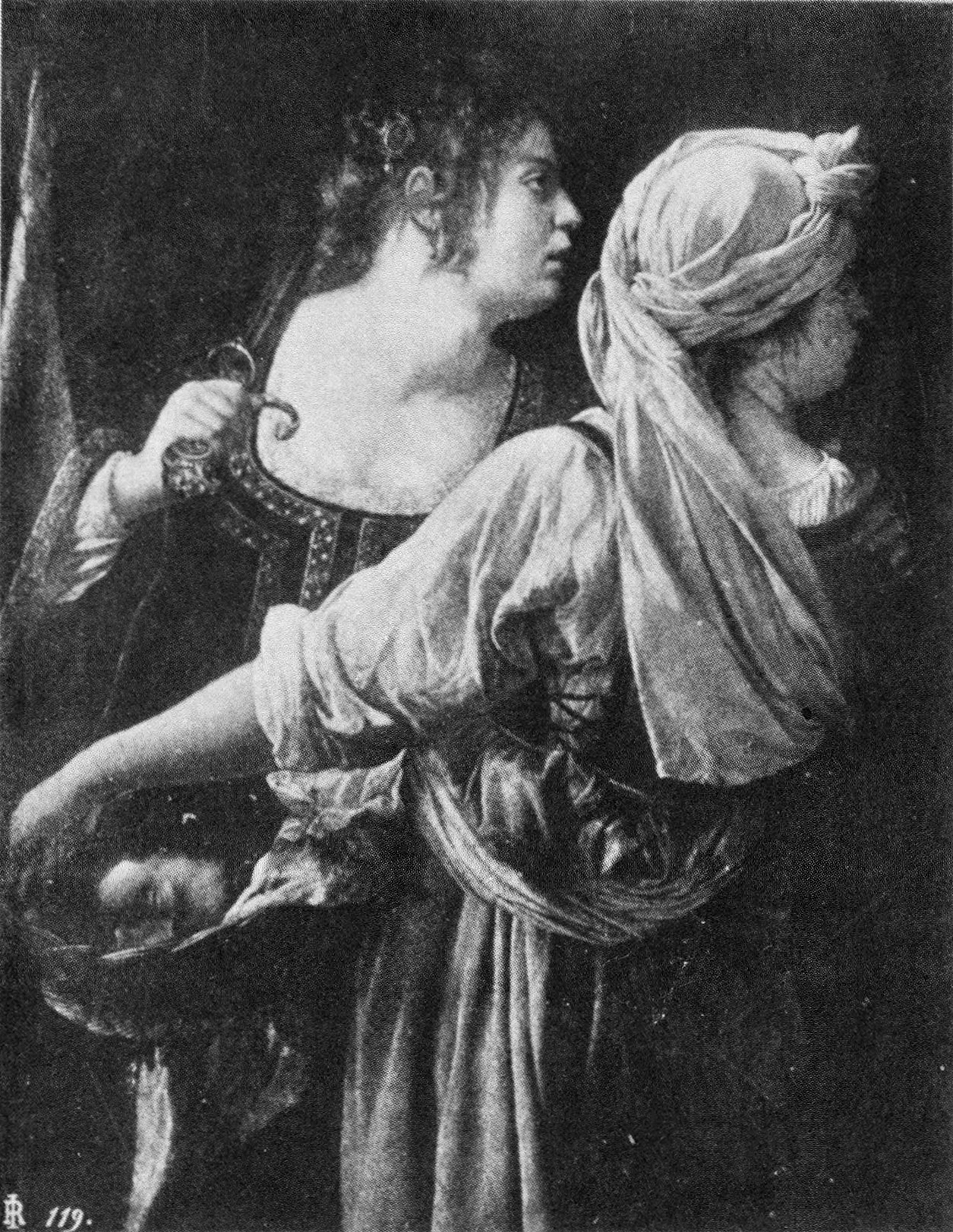
Judith with the Head of Holofernes (1904 book reproduction)
Clara Erskine Clement Waters · 1904
A black-and-white reproduction of Gentileschi's painting Judith with the Head of Holofernes, printed in a 1904 book on women artists.
This 1904 reproduction shows one of Gentileschi's most famous paintings, highlighting her historical reputation.
About this source
What it is
This is a halftone print reproduction, published in 1904 in a book by Clara Erskine Clement Waters, of a painting by Artemisia Gentileschi. It shows Judith holding a sword beside her servant, who carries a basket with the severed head of Holofernes.
Why it matters
This reproduction appeared in an early book about women artists, showing how Gentileschi's reputation as a painter was being documented and promoted centuries after her death. The Judith subject remains one of her most studied works, reflecting her bold handling of violent biblical narrative.
Look closer
- Why might a 1904 book about women artists choose to include this particular painting?
- What does the black-and-white print lose compared to seeing the original painting in colour?
- How does this image compare to other depictions of the same Judith story?
This painting is part of the curated material that grounds the AI version of Artemisia Gentileschi on Humy.ai — when students ask about related events, the AI can quote it and cite it.
More Artemisia Gentileschi sources
Meet the AI Artemisia Gentileschi → Painting
Primary source
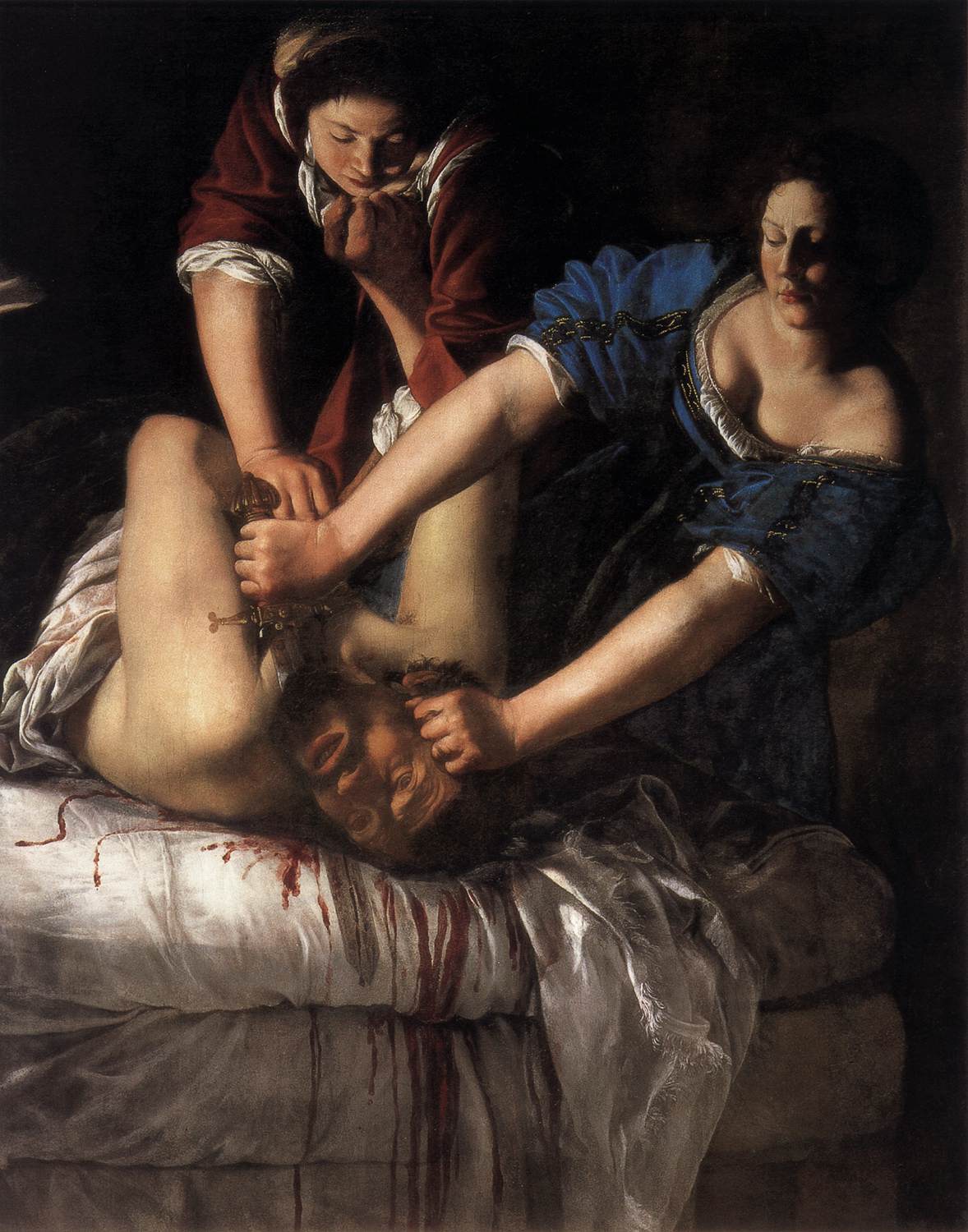
Judith Beheading Holofernes
Artemisia Gentileschi · c. 1620
 Painting
Primary source
Susanna and the Elders
Artemisia Gentileschi · 1610
 Painting
Primary source
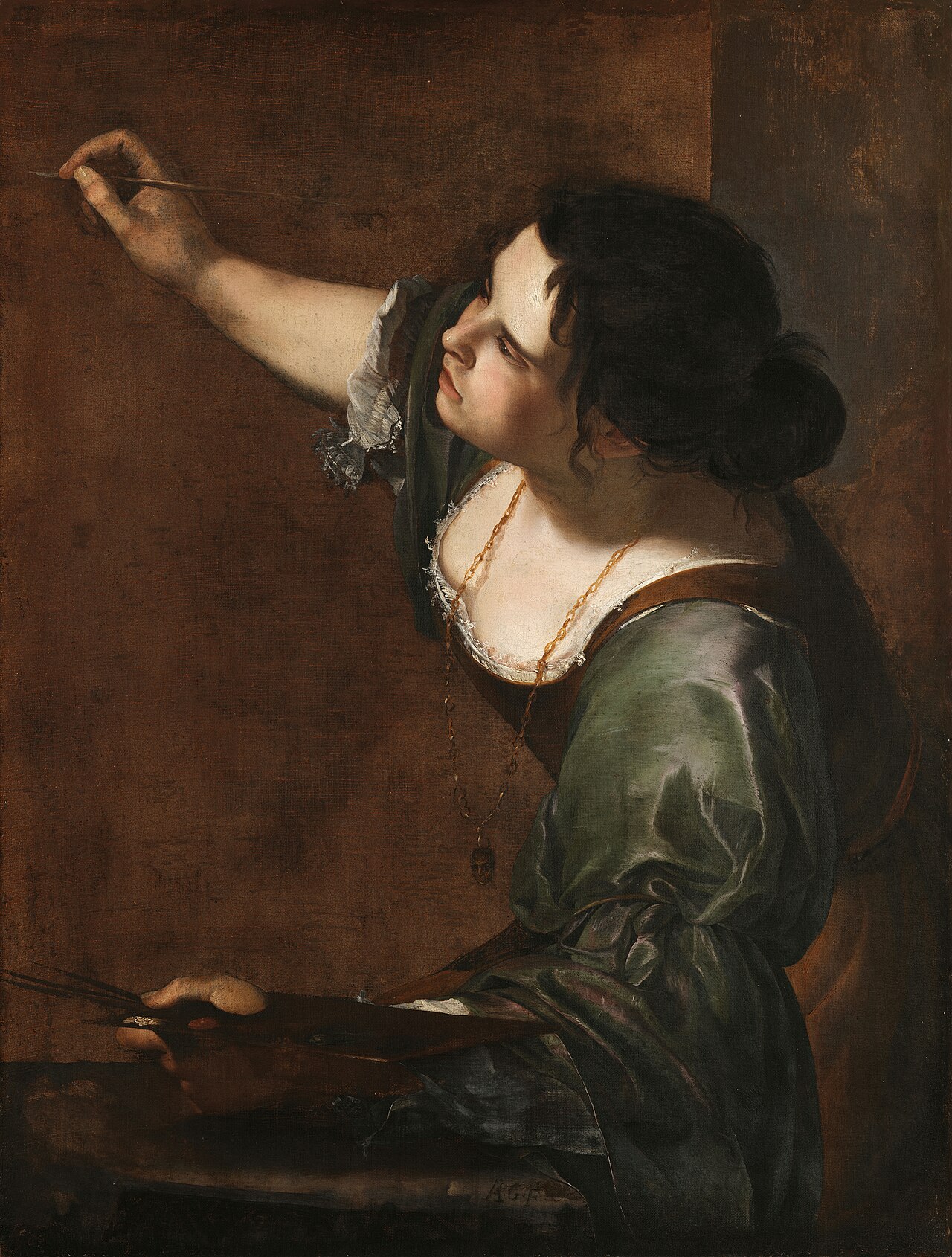
Judith Slaying Holofernes
Artemisia Gentileschi · 1612-1613
 Painting
Primary source
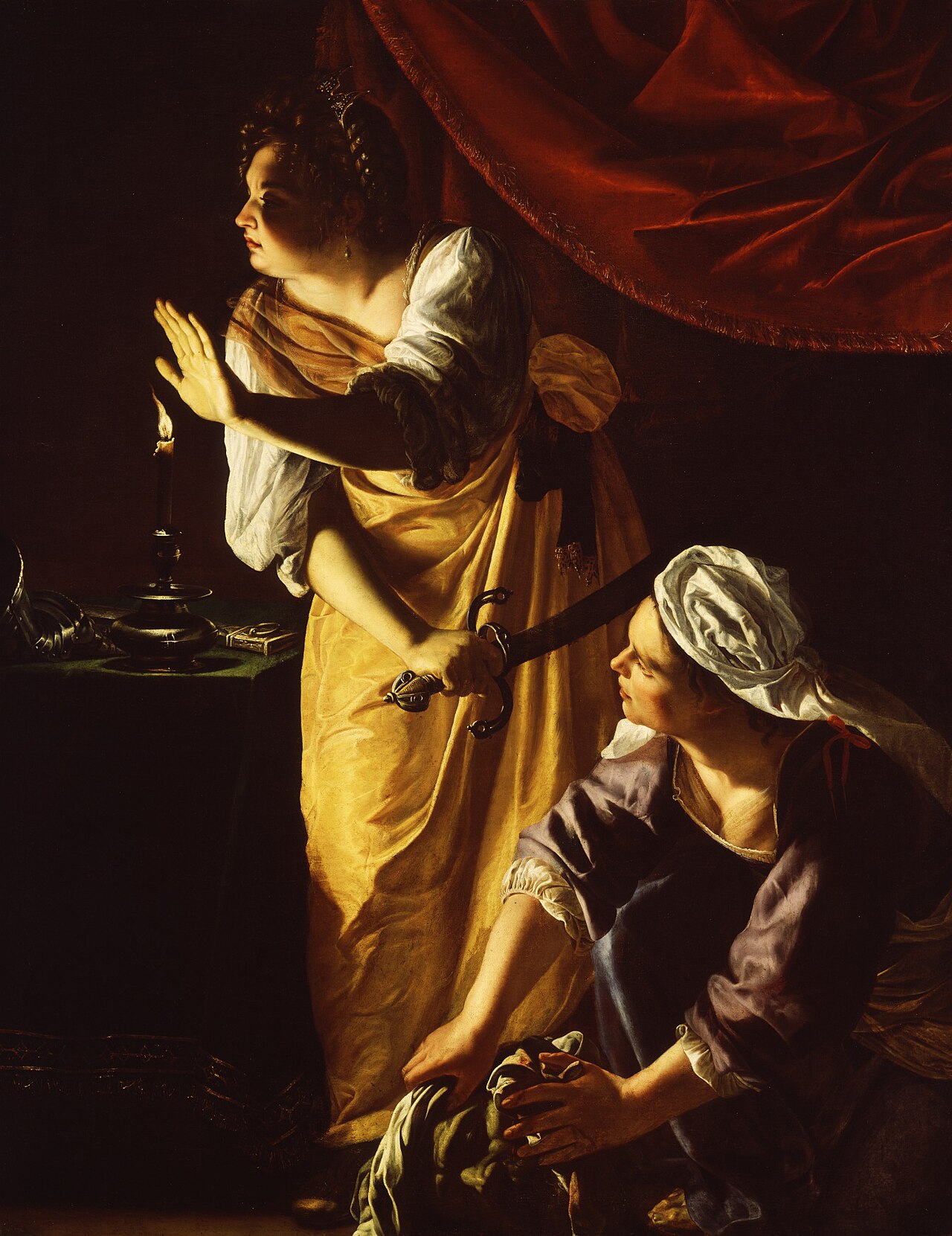
Self-Portrait as the Allegory of Painting
Artemisia Gentileschi · c. 1638-1639
 Painting
Primary source
Judith and Maidservant with Head of Holofernes
Artemisia Gentileschi · c. 1623-1625
Ready when you are
Start chatting with Artemisia Gentileschi now.
20 messages free · No credit card · Available in 50+ languages.