


Secondary sourceArtifact127 CE
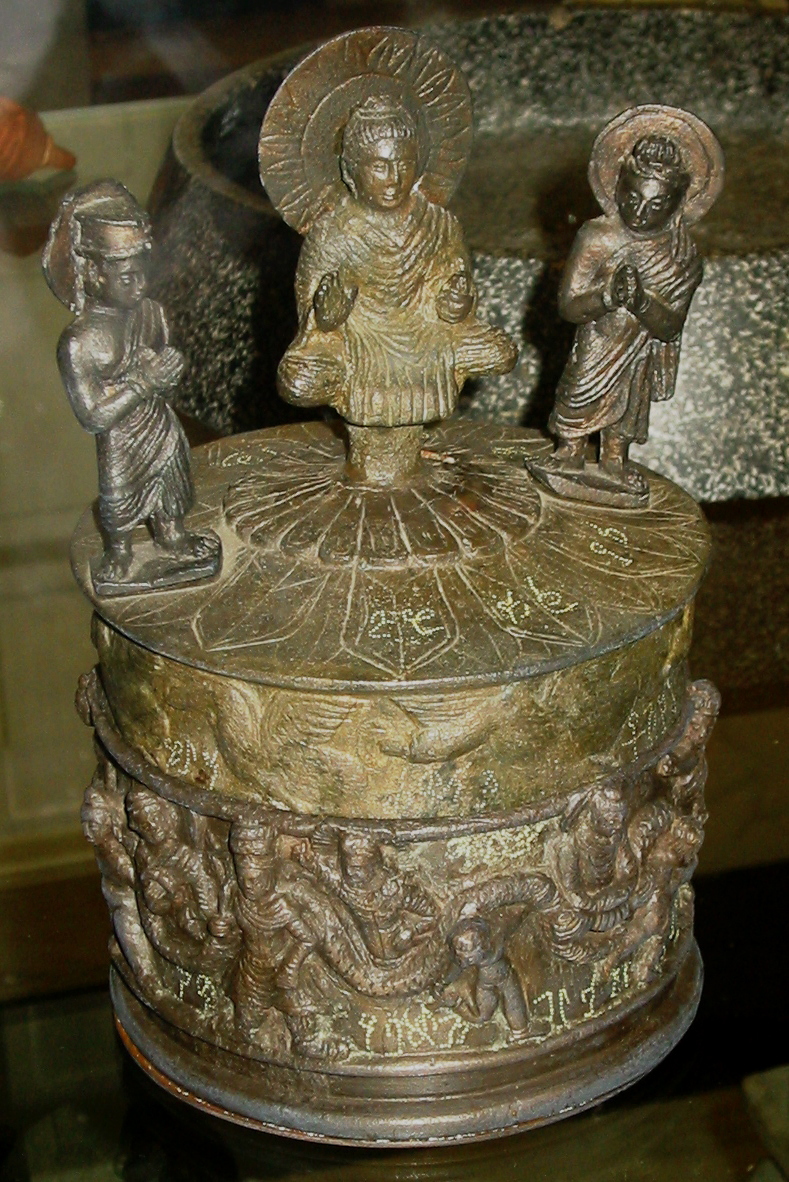
Kanishka Casket
127 CE
A gilded copper reliquary from Kanishka's great stupa at Peshawar, showing the seated Buddha and royal Kushan devotion to his relics.
This reliquary commemorates the Buddha, holding relics believed to be his bone fragments under royal Kushan patronage.
About this source
What it is
The Kanishka casket is a gilded copper reliquary dated to the first year of the Kushan emperor Kanishka's reign, 127 CE. It was found in 1908-1909 under the Kanishka stupa at Shah-ji-Dheri near Peshawar and is now in the Peshawar Museum, with a copy in the British Museum. It is inscribed in Kharoshthi script and said to have held bone fragments believed to be relics of the Buddha.
Why it matters
The casket shows the Buddha seated and worshipped, alongside Kanishka himself and Hellenistic-style decoration, revealing how the Kushan rulers supported Buddhism and how Greek artistic styles reached this region. The relics it held were later sent to Burma, showing how such objects connected distant places.
Look closer
- Why might a king want his own image placed on a container for the Buddha's relics?
- What do the Hellenistic decorative details tell us about who influenced this art?
- What questions remain about the inscription's meaning, given that earlier readings were later corrected?
This artifact is part of the curated material that grounds the AI version of Buddha on Humy.ai — when students ask about related events, the AI can quote it and cite it.
More Buddha sources
Meet the AI Buddha →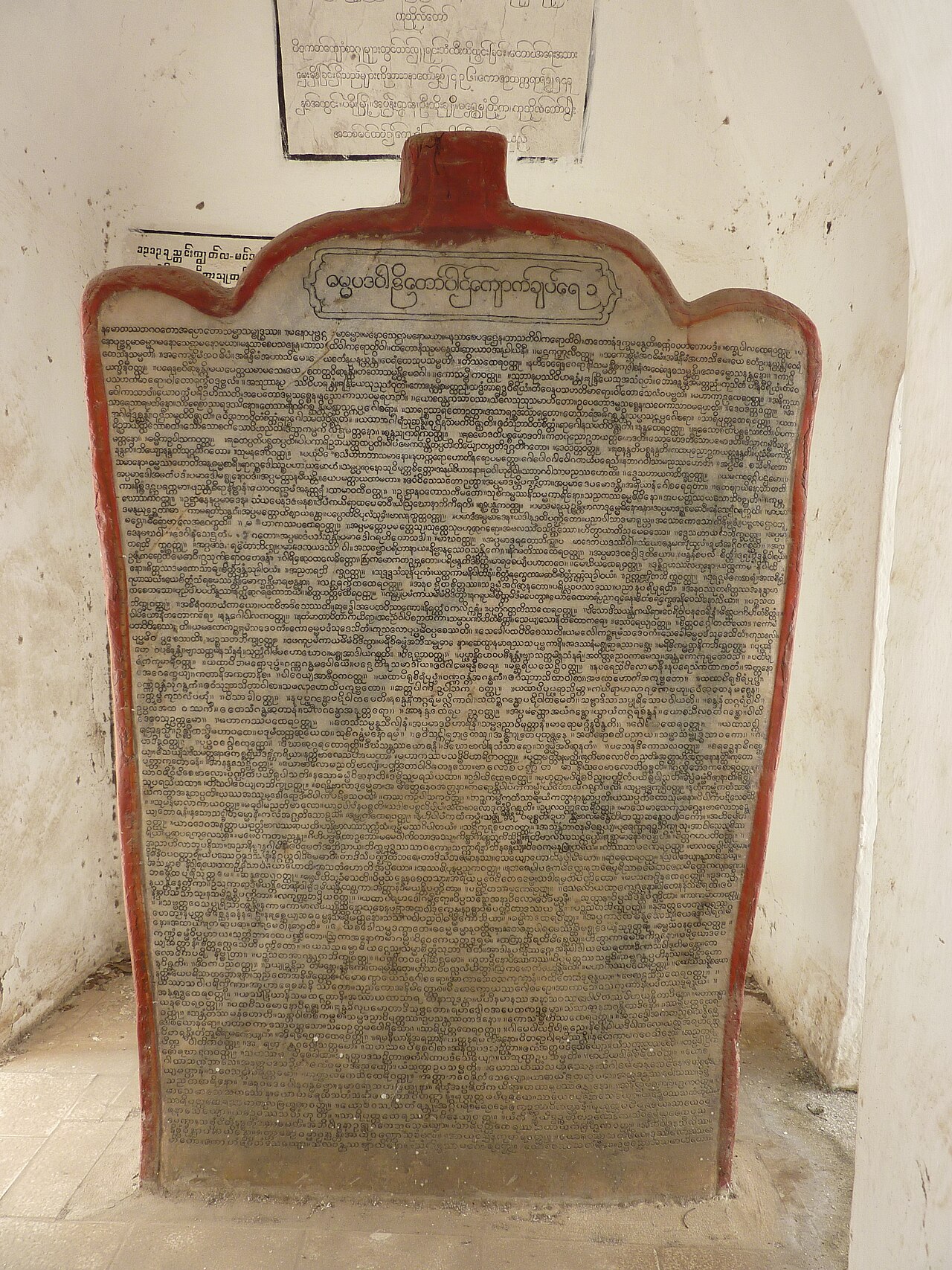 Book
Secondary source
Dhammapada
Attributed to the Buddha · c. 3rd century BCE compilation
 Painting
Secondary source
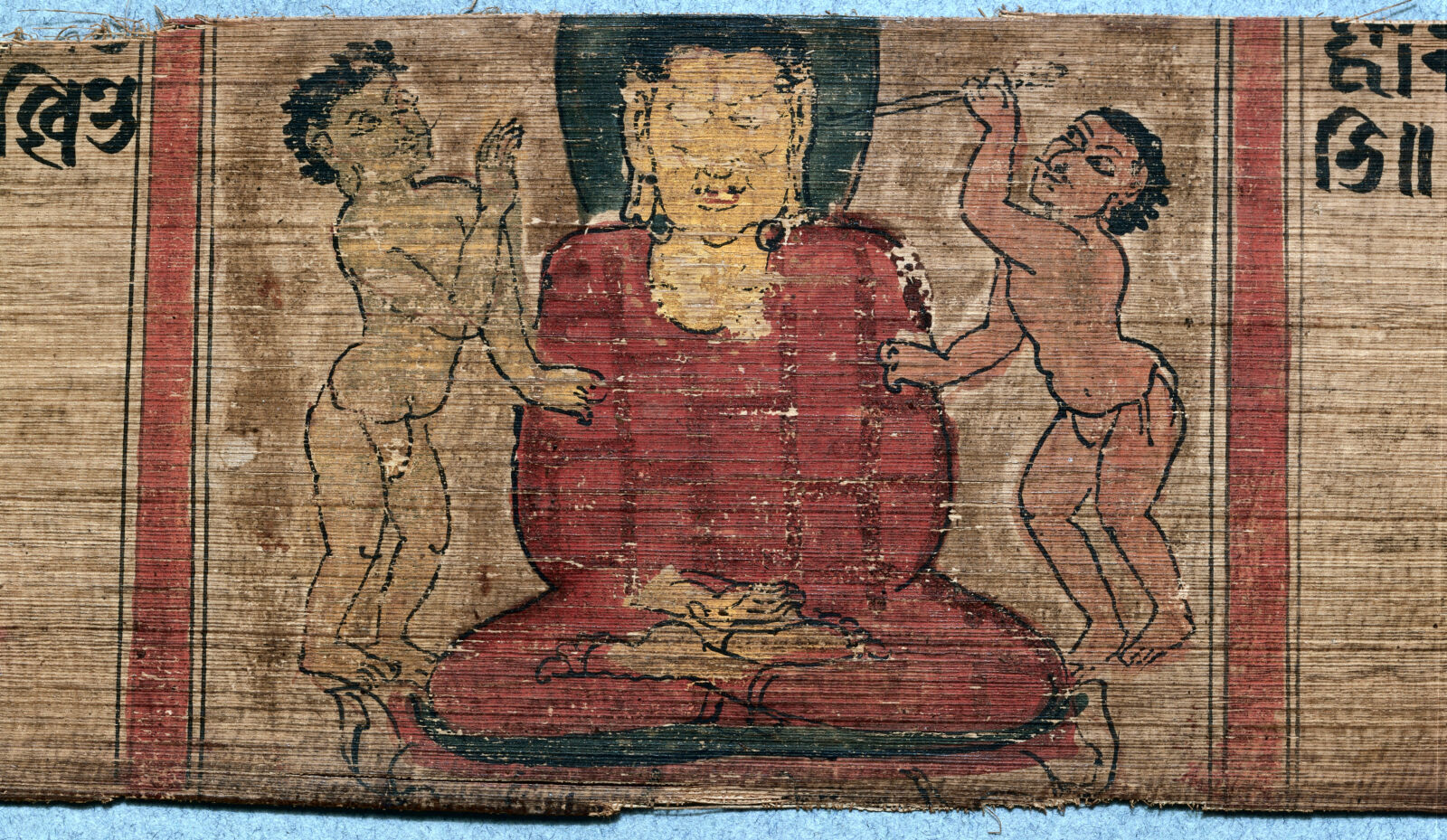
Buddha in Dhyana, Perfection of Wisdom Sutra Manuscript
1074
 Sculpture
Secondary source
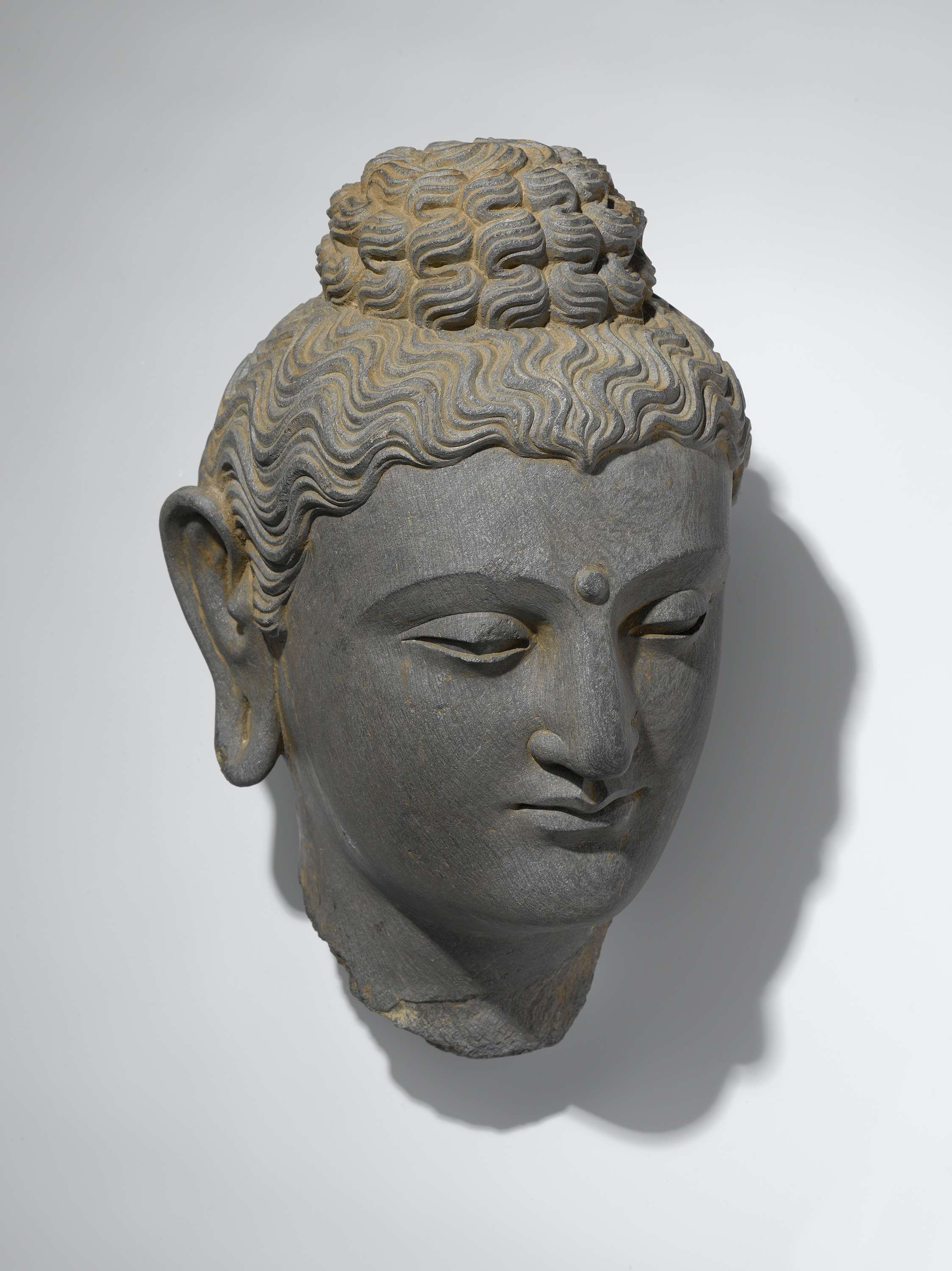
Head of the Buddha, Gandhara style
 Book
Secondary source
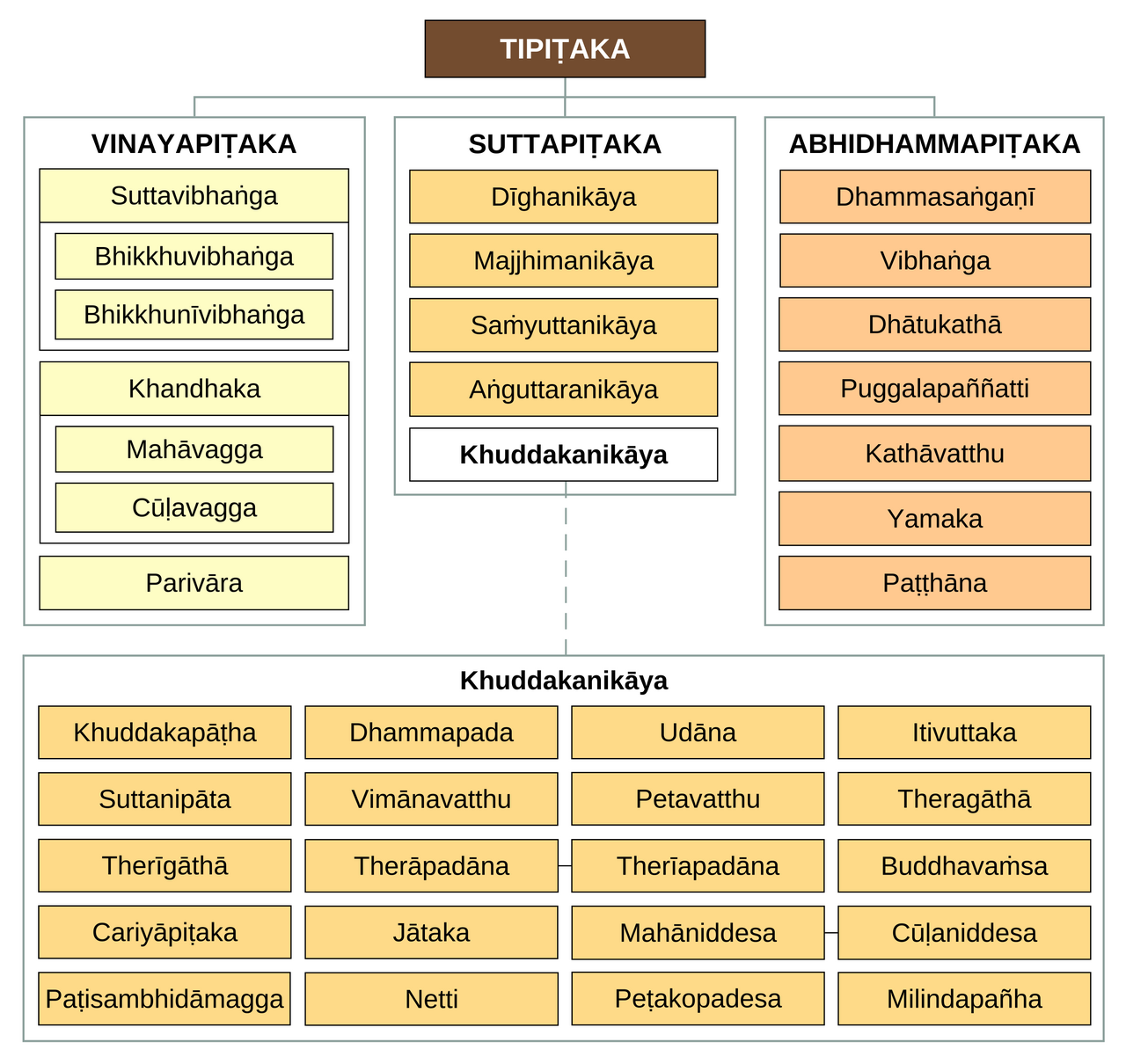
Pali Canon (Tipitaka)
Early Buddhist sangha · oral from 5th century BCE; written c. 29 BCE
 Document
Secondary source
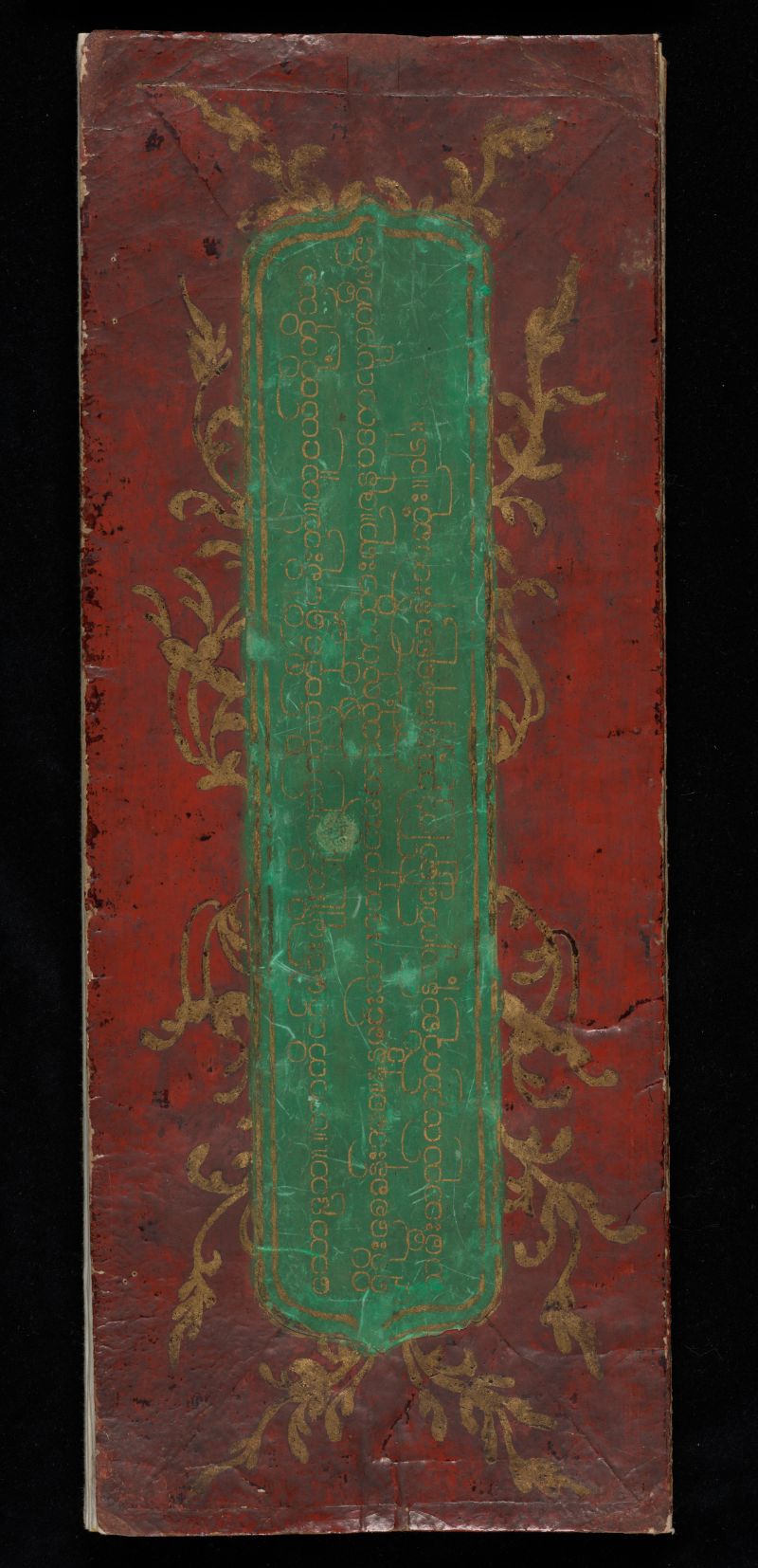
Life of the Buddha
19th century
Ready when you are
Start chatting with Buddha now.
20 messages free · No credit card · Available in 50+ languages.